
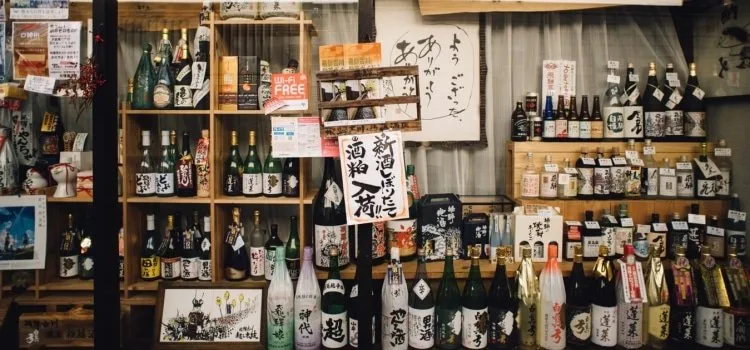
Drinking in Japan is social before it is technical. A night out often revolves around an izakaya, a casual pub where small dishes keep arriving while the table talks, laughs, and orders another round. If you are visiting Japan, studying there, or simply curious about local manners, the hardest part is usually not the drink itself. It is understanding the rhythm of the evening, from the first kanpai to the way the bill is handled.
The good news is that Japanese drinking etiquette is not built on secret rules. Most places are relaxed, and nobody expects foreigners to behave perfectly. Even so, knowing a few basics makes the night smoother. You avoid awkward moments, you read the room better, and you understand why some habits that feel normal elsewhere may look strange in Japan.
Below are the rules and customs that matter most when drinking in Japan, whether you are joining coworkers for a nomikai, meeting friends in a neighborhood bar, or trying your first izakaya dinner.
Contents 7
What drinking culture in Japan usually looks like
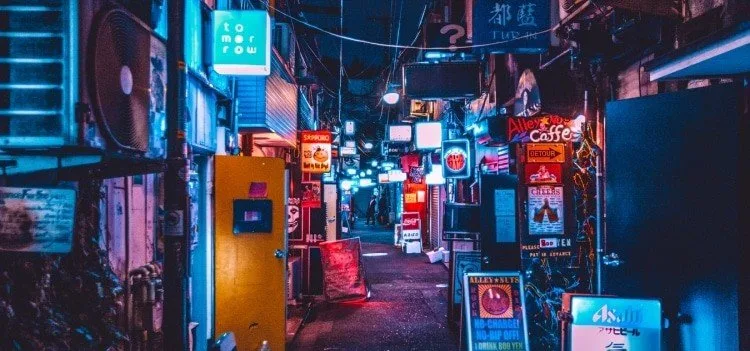
In many Japanese cities, drinking and eating go together. People do not always go out just to drink. They go to talk after work, celebrate, reconnect with friends, or spend a long evening sharing food at the table. That is why the izakaya matters so much: it is casual, lively, and built for groups.
After-work gatherings are still common, especially in offices and schools, although they are not as automatic as older stereotypes suggest. You may hear words like nomikai for a drinking party or enkai for a larger banquet-style gathering. In both cases, the point is usually social bonding rather than drinking as much as possible.
This is also why someone can join the group without touching alcohol. Ordering tea, soda, or a non-alcoholic drink is completely normal. In many situations, showing up and taking part in the conversation matters more than what is in your glass.
Basic rules everyone should know before drinking in Japan
The legal drinking age in Japan is 20. Bars, clubs, convenience stores, and restaurants are not supposed to serve alcohol to anyone under that age. If you look young, do not be surprised if a place asks for identification.
If you drink, do not drive. Japan treats drunk driving seriously, and the penalties are strict. The safe rule is simple: once alcohol is involved, use the train, take a taxi, stay nearby, or go home with someone sober.
Expect food with the drinks. At many izakaya, drinking is tied to shared plates like karaage, edamame, grilled skewers, salad, or sashimi. You are not expected to sit for hours with alcohol alone the way you might in some bars elsewhere.
Do not be surprised by a small cover charge. Many izakaya add a small otoshi, a table charge that comes with a tiny appetizer. Travelers who have never seen it before sometimes think it is a mistake on the bill, but it is a normal part of the experience in many places.
Tipping is not part of the routine. In Japan, the bill is usually the bill. Good service is expected, so trying to leave extra money can create confusion rather than appreciation.
Izakaya etiquette that makes a real difference
Order drinks first. In an izakaya, the first interaction after you sit down is often the drink order. Food may come in several waves later, but drinks usually open the night. That is why you often hear toriaezu biiru, literally “beer for now,” when the first round starts.
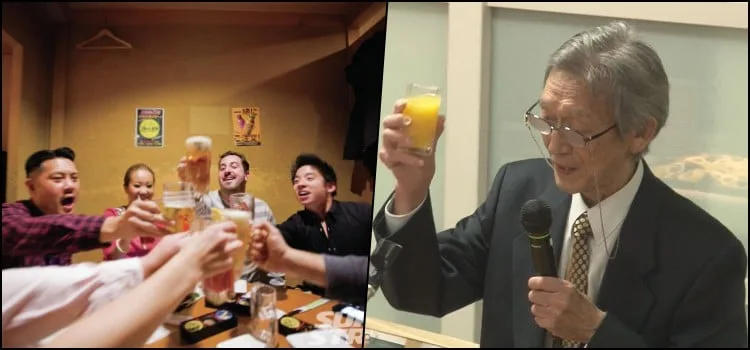
Wait for the kanpai before your first sip. If the group is drinking together, the standard rhythm is to wait until everyone has a glass, raise it, and say kanpai. Starting early is one of the easiest ways to look out of sync with the table.
Pour for others before refilling your own glass. This is not an iron law in every casual group, but it is still one of the best-known manners in Japan. If a friend or coworker has an empty glass, offering to pour for them is seen as considerate. In more formal situations, people often avoid refilling their own drink first. If you want more background on the toast itself, read our article about the true meaning of kanpai.
Order food in rounds instead of all at once. Shared dishes are part of the pace. A few snacks arrive, people eat and talk, and then someone orders again. It feels less like a three-course dinner and more like a long table that keeps evolving.
Use your own small plate when sharing. If the group ordered something like karaage, noodles, or grilled skewers, take your portion onto your own plate before eating. This is simple table manners, but it matters in group settings.
Getting the server’s attention is normal. Some izakaya have a table button. Others expect you to raise a hand and say sumimasen. This is not rude in Japan; it is how service often works in busy casual restaurants.
Useful habits if you are drinking with coworkers or new friends
If the evening is work-related, reading the mood matters more than trying to impress anyone with your tolerance. Joining the first toast, keeping a steady pace, and staying polite will usually take you further than drinking heavily.
It also helps to pay attention to the group’s timing. Some people stay for one round, while others continue to a second bar or karaoke. If you need to leave early, doing so politely is usually enough. In other words, participation matters, but nobody gains points for turning a relaxed night into a test of endurance.
Another small point: the bill is not always split the same way. Sometimes one person pays first and the group settles up afterward. Sometimes the table divides the cost evenly, even if not everyone drank the same amount. In casual trips with close friends, you may also hear betsu-betsu, meaning each person pays their own share. The method changes, so it is better to ask than assume.
Useful words when ordering drinks in Japan
- Nama biiru: draft beer.
- Highball: whisky with soda, one of the most common easy-drinking orders.
- Chu-hi or chuhai: shochu mixed with soda and usually fruit flavor.
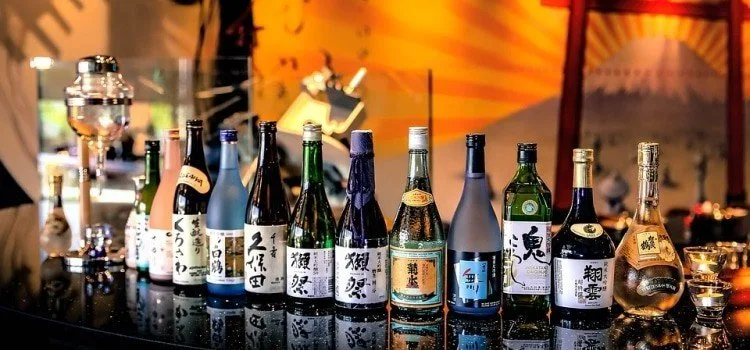
- Nihonshu: what people in Japan often call Japanese sake.
- Umeshu: sweet plum liqueur, often served on the rocks or with soda.
- Oolong tea: a standard non-alcoholic order that fits naturally at the table.
- Nomihoudai: all-you-can-drink plan, usually limited by time.
- Otooshi / otoshi: the small appetizer and cover charge many izakaya add automatically.
If you want to keep exploring the vocabulary around alcohol, drinks, and ordering, our list of drink words in Japanese is a useful next step.
Common mistakes foreigners make when drinking in Japan
Drinking before everyone is ready. Even in a very casual group, waiting for the toast is the safer move.
Thinking the otoshi is a scam. It is easy to misunderstand if you have never seen it before, but in many izakaya it is simply part of the format.
Assuming nomihoudai means no limits. All-you-can-drink plans are usually bound by time, and the final order may come earlier than you expect.
Trying to handle the night exactly as you would back home. Drinking culture in Japan is not radically difficult, but its pace is different. It leans toward sharing, small gestures of politeness, and reading the group instead of focusing only on your individual order.
Forgetting that alcohol is only half of the evening. Food, conversation, and atmosphere matter just as much. That is why many of the best nights in Japan are not the loudest ones, but the ones where the table keeps talking long after the first toast.
What to drink in Japan if you want to start simple
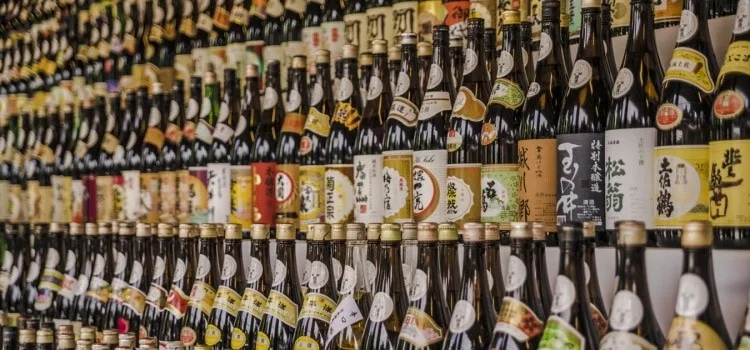
If you are new to Japanese bars, the easiest path is to begin with beer, a highball, or a chu-hi. They are common almost everywhere, easy to order, and fit naturally into the izakaya setting. If you want something more traditional, sake can be a good next step, especially after you have learned a little about how it is served. We recommend reading our article on curiosities about sake if you want a broader introduction.
And if alcohol is not your thing, that is fine too. Tea, soft drinks, and non-alcoholic alternatives are easy to find. In Japan, the best drinking advice is often not “drink more,” but “understand the table.” Once you get that part right, the rest becomes much easier.



Community
Comments
0 comments
There are no published comments in this language yet.
Send comment