
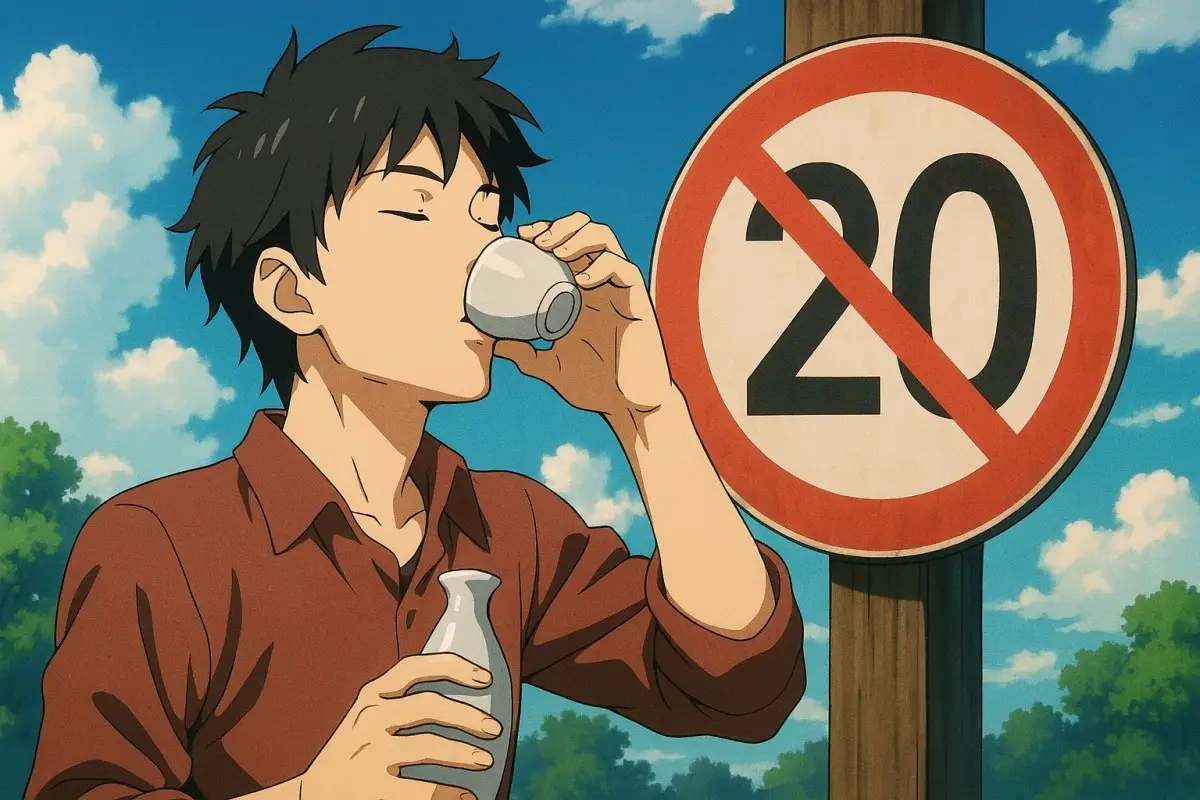
In much of Europe, an 18th birthday can mean a legal first beer. In Japan, the number that opens the bottle is still 20 — and that line did not move when civil adulthood was lowered in 2022. Whether you are planning a trip, joining an office nomikai, or just sorting rumor from statute, the drinking age is the first fact to lock in.
The rule is the same for Japanese citizens and visitors. Below is what the law allows, what still sits outside it, and the social customs that shape how people actually drink together.
Contents 7
How old do you have to be to drink in Japan?
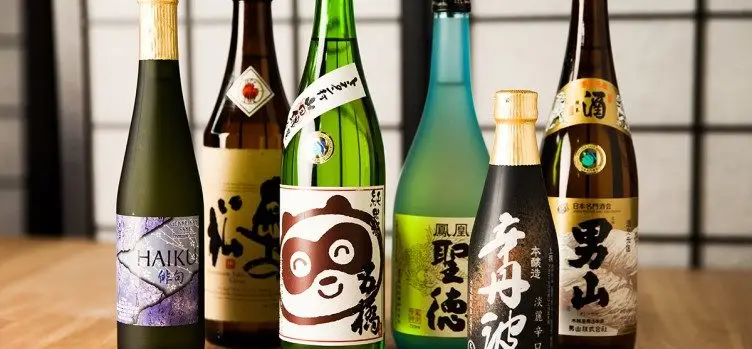
Under Japanese law, you must be at least 20 years old to buy or consume alcoholic drinks. Bars, restaurants, convenience stores, and liquor shelves apply that threshold to locals and foreigners alike. Being legal at 18 in your home country does not change the rule on Japanese soil.
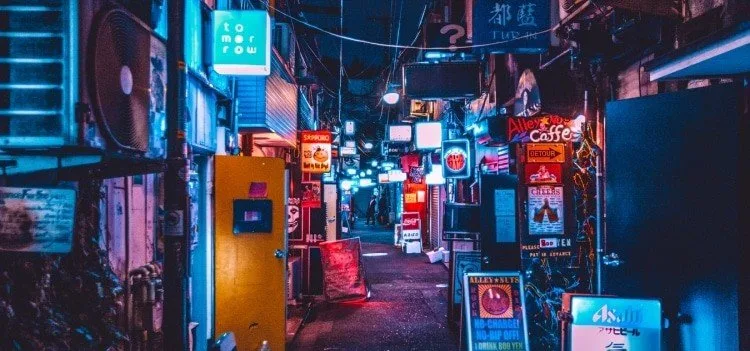
If you look young, expect ID checks — especially at night venues or when a clerk is unsure. Passport, residence card, or another official photo ID is what staff usually want, not a hotel key card or a screenshot. Many convenience-store checkouts also force a touchscreen confirmation that the buyer is 20 or older; that is not a loophole, only a frontline control.
You will still see non-alcoholic “kids’ beers” and soft drinks that mimic adult packaging. They sit in a gray cultural zone: fun packaging for some, an odd mixed message for others. They do not change the legal age for real alcohol.
What changed in 2022 — and what did not
In April 2022, Japan lowered the age of majority under the Civil Code to 18 for many adult legal acts. That reform is easy to misread. Drinking and smoking stayed at 20. Turning 18 can mean more civil independence; it does not mean a legal nama beer at the counter.
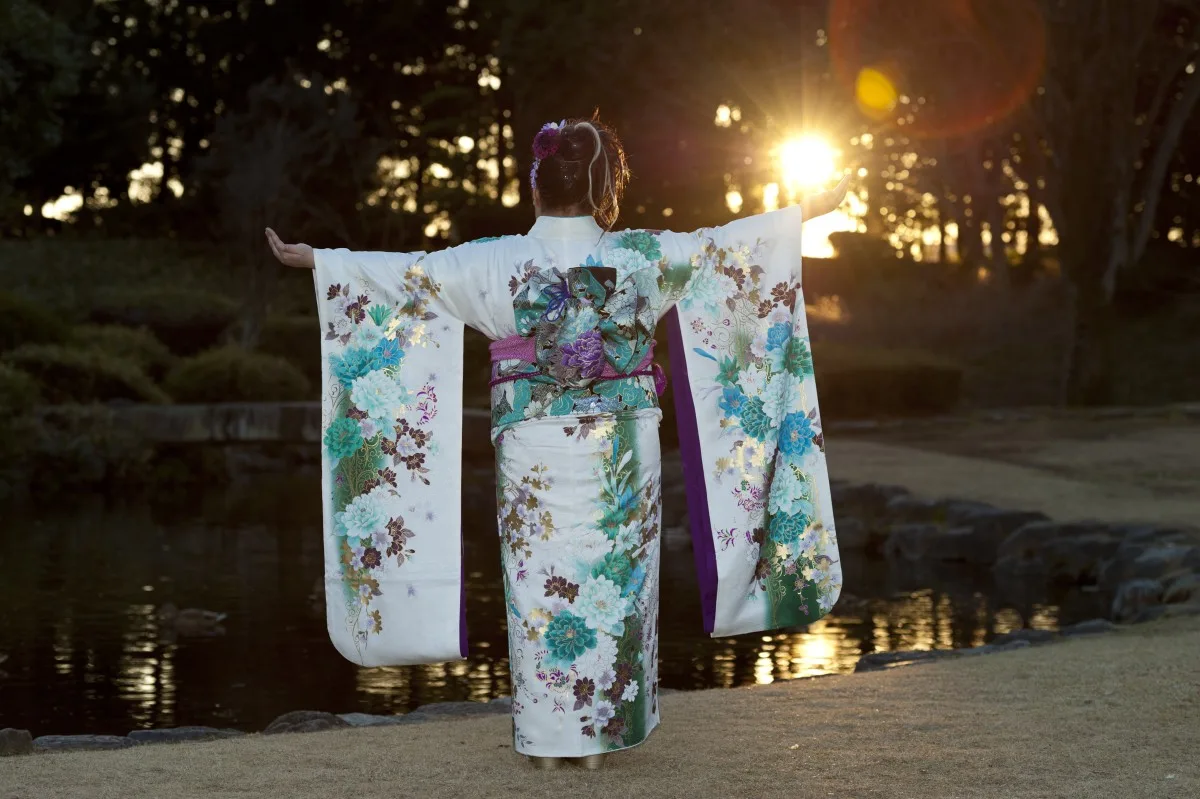
Coming-of-age celebrations and municipal ceremonies have their own local calendars and dress codes. Do not treat a kimono photo day, a graduation party, or a campus gathering as proof that alcohol is allowed under 20. The statute on alcohol is separate from those social milestones.
What twenty still unlocks for alcohol
- Legal purchase of beer, sake, wine, spirits, and ready-to-drink cans
- Legal consumption in licensed venues and most public outdoor settings
- Access to alcohol sold under age-check systems at stores and some machines
Smoking remains tied to the same 20-year line. Other rights (voting, many contracts) follow their own ages and should not be collapsed into one “adult package.”
If someone under 20 drinks, who is on the line?
Japan’s framework against underage drinking puts heavy weight on adults who sell or supply alcohol. Licensed shops and bars risk fines and regulatory trouble for serving or selling to minors. That is why staff may refuse a sale, ask for ID, or walk away from a doubtful order rather than “be nice.”
For visitors, the practical advice is blunt: do not buy for under-20 friends, do not hand a can to a minor at a park picnic, and do not treat “everyone does it” as legal cover. Enforcement is uneven in daily life, but the law is not optional tourism folklore.
Public drinking, parks, and the hard line on driving
Unlike many cities abroad, drinking in public is generally allowed in Japan when local rules and good sense still apply. Groups with convenience-store beer under the cherry trees during hanami are a familiar spring scene. Quiet residential sidewalks, station platforms with explicit bans, and private property still have limits — read signs and follow venue staff.
Driving after drinking is a different universe. Japan’s approach is effectively zero tolerance for drunk driving: even a small amount can bring severe penalties, and the social expectation is simple — if you drink, you do not drive. Use trains, taxis, or a designated non-drinking driver.
Also useful: Tips and rules for drinking in Japan
Etiquette that shapes a night out
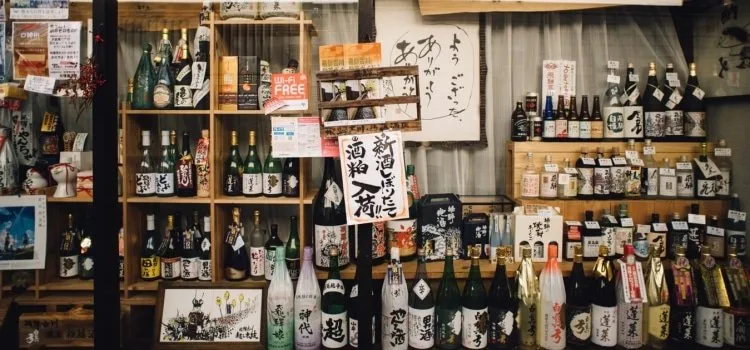
Law sets the age; etiquette sets the tone. At an izakaya or office gathering, people often pour for someone else rather than topping up their own glass first. A shared toast usually starts with a clear kanpai — less theatrical eye-locking theater, more collective “here we go.”
Pressure to drink can exist in some workplaces and circles, but good manners still include refusing politely and not forcing others. Order non-alcoholic options if you want, pace yourself, and leave space for people who stop early. The cultural image of endless rounds is real in places; it is not a license to ignore consent or the 20-year rule.
Practical checklist for travelers
- Assume 20+ everywhere alcohol is sold or served
- Carry photo ID when you plan to buy drinks
- Do not buy alcohol for anyone under 20
- Enjoy public picnics where allowed, without littering or blocking paths
- Never mix drinking with driving — plan the ride home first
- Learn a little pouring and toasting etiquette if you join a group meal
Japan’s drinking culture can be generous, social, and tightly bound to food and seasons. The age line stays simple on purpose: wait until 20, then enjoy the rest of the customs with a clearer head.


Community
Comments
0 comments
There are no published comments in this language yet.
Send comment