
Cosplay is the practice of dressing up as characters from anime, manga, comics, movies, games, and other media — a craft that sits somewhere between costume work, performance, and personal expression. The word itself blends the English terms costume and play, which is already a clue: the hobby is not only about looking like a character, but about wearing that role with intention.
Many people assume the whole culture began in Japan. The Japanese word did, in a sense — yet the habit of walking into a fan convention already costumed is older, and it first shows up on the American science-fiction scene. From that spark, the practice crossed oceans, took root at places like Comiket, and later returned to the West with a new name and a much larger stage.
Contents 8
The Origin and History of Cosplay
Although cosplay culture is often associated with Japan, its roots trace back to the United States. In 1939, during the first World Science Fiction Convention (Worldcon), Forrest J. Ackerman and Myrtle R. Douglas — known in fandom as Morojo — wore science fiction–themed costumes. Ackerman's "futuristicostume" was an original design; Myrtle drew inspiration from the film Things to Come (1936). The gesture drew so much attention that costuming became an annual tradition at science fiction events, laying the groundwork for what fans now call cosplay.
Through the mid-twentieth century, hall costumes and stage masquerades grew inside Western fandom. In Japan, fan costuming already existed by the late 1970s under other names. What changed the vocabulary was the Japanese portmanteau kosupure (コスプレ): in the early 1980s — sources most often point to around 1983–1984 — producer and reporter Nobuyuki Takahashi popularized the blend of "costume" and "play" after seeing Western convention costuming, including the scene around Worldcon. The term stuck, and Japanese events quickly expanded it from a science-fiction niche into manga, anime, games, and film characters.
In Japan, events like Comic Market (Comiket), held at Tokyo Big Sight in the Odaiba/Ariake area, helped bring cosplay into everyday fan life. Originally focused on the buying and selling of dōjinshi (independent manga), the event became a meeting point for cosplayers to showcase their creations, helping shape the Japanese cosplay scene known worldwide today.
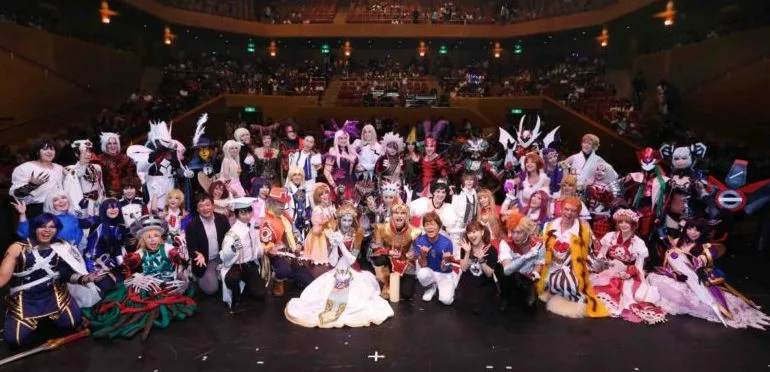
The Cultural Impact of Cosplay in Japan
In Japan, cosplay moved well beyond closed fan circles. The district of Akihabara, Tokyo's best-known hub of otaku culture, is still one of the easiest places to spot cosplayers on ordinary days. Harajuku, nearby, became famous for the mix of alternative street fashion and character looks that draws tourists and photographers year-round.
Another lasting mark is the rise of cosplay-themed cafés, where staff dress as maids or anime-inspired characters and treat service as part of the show. Seasonal outdoor photo sessions and local festivals keep the practice visible to people who never buy a convention ticket.
The Influence of Cosplay on Fashion and Media
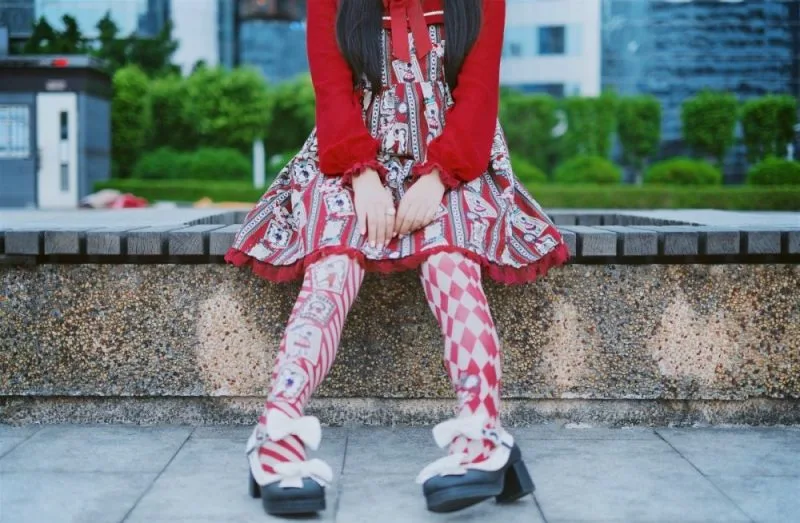
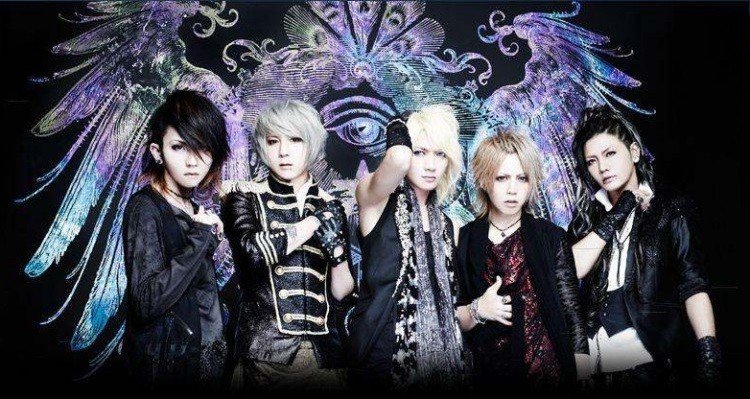
Cosplay has fed fashion in both directions. Designers borrow silhouettes, colors, and accessories from anime and game characters; street styles such as Gothic Lolita, Visual Kei, and Harajuku looks, in turn, give cosplayers a broader visual vocabulary. What starts as character accuracy often ends up as everyday style experiments.
On screens and feeds, documentaries, variety shows, Instagram, and TikTok turned the sewing room and the convention hallway into public stages. For some cosplayers, that visibility is still pure hobby; for others, it becomes paid work, brand partnerships, or a full-time creative career.
Challenges and Criticisms Faced by Cosplayers
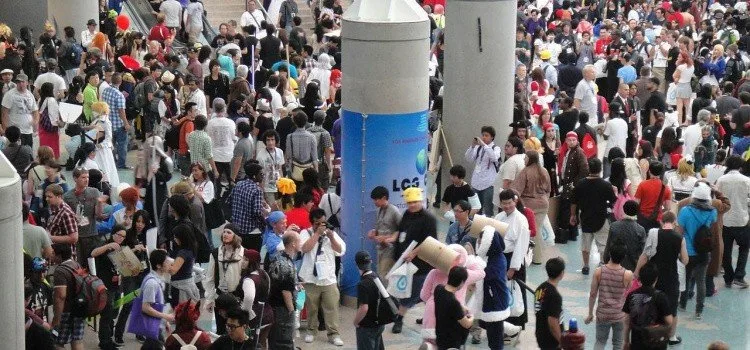
Cosplay looks joyful from the outside, but the practice has real friction. Many cosplayers deal with criticism or harassment at crowded events, especially when photos and physical space are mishandled. High-quality materials, wigs, and props also cost real money, which is why some creators look for sponsorships, group builds, or crowdfunding.
There is also pressure to "outdo" the last costume at every con, which can turn a hobby stressful. Debates about cultural sensitivity and representation surface whenever characters, ethnic markers, or sacred symbols are involved. Those conversations are uncomfortable, but they are part of how the community keeps drawing lines around respect.
What Defines a Good Cosplayer?
Being memorable as a cosplayer is rarely only about owning a similar outfit. The work usually combines research, craft, and a clear affection for the character. A few traits tend to stand out:
- Fidelity to the character: careful attention to cut, color, props, and materials — sometimes months of prep for a single weekend on the floor.
- Attitude and interpretation: posture, gestures, and expression that make the character readable even before someone asks for a photo.
- Interaction and charisma: knowing when to pose, when to step aside, and how to turn a quick hallway meeting into a small shared moment for fans of every age.
Many cosplayers are not chasing profit. For them, the point is love of the source material and the friends made while building armor on a living-room floor. Tributes to other artists or to characters that shaped someone's youth are common — and they often carry more emotion than a perfect prop ever could.
Most Iconic Cosplay Events
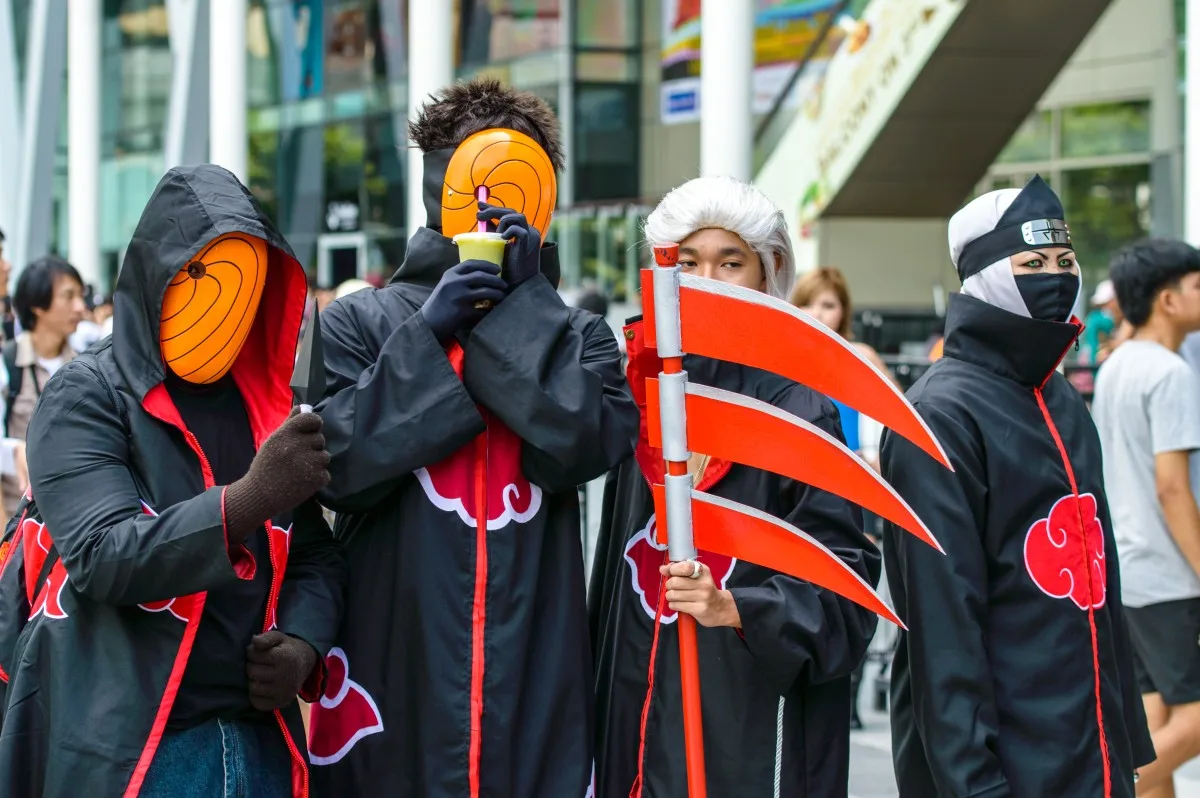
- Anime Expo (Los Angeles, USA): One of North America's largest gatherings of anime and otaku culture. Cosplay contests, industry panels, voice-actor appearances, and workshops on makeup and costume techniques draw fans from far beyond California.
- Japan Expo (Paris, France): A major European showcase of Japanese culture where cosplay sits next to fashion shows, music stages, workshops, and guest creators. It is a reliable meeting point for European cosplayers and visiting Japanese guests.
- World Cosplay Summit (Nagoya, Japan): Often nicknamed the "World Cup of Cosplay," it brings national teams to Nagoya for stage performances and cultural exchange. Preparation can take years; the weekend is as much parade and diplomacy as pure competition.
Cosplay in Brazil
In Brazil, cosplay gained traction in the late 1990s, pushed by the popularity of anime broadcasts such as Saint Seiya. Early events were small, then grew quickly as manga and anime fandom expanded. Conventions like Anime Friends helped turn scattered fans into a visible community with contests, stages, and regular meetups.
At first, Brazilian cosplay leaned heavily on Japanese anime, manga, and games. Later it opened to Hollywood franchises, TV series, and music acts — a shift that events like Comic Con Experience (CCXP) accelerated with characters from Harry Potter, Star Wars, and far beyond. Contests and prizes raised the craft bar without erasing the DIY spirit that still defines many local groups.
Brazilian cosplayers now appear regularly on international stages, including the World Cosplay Summit, which is one reason the country is often mentioned when people talk about creative, high-effort costume work in Latin America.
Cosplay vs. Cospobre: Creativity Without Limits
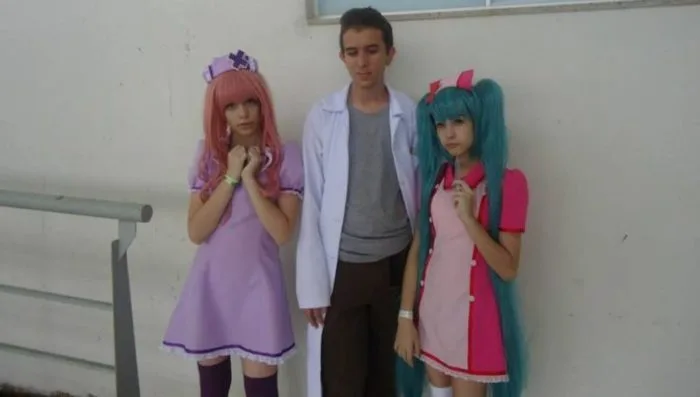
Not every costume needs a professional budget. Alongside hyper-detailed builds sits cospobre — a playful Brazilian approach that uses cardboard, tape, household items, and pure inventiveness. It can look like a joke from across the room, yet it often wins the hallway because the idea is clear and the humor is generous.
Whether the armor is EVA foam or packing cardboard, cosplay stays open: a detailed recreation, a funny low-budget gag, or something in between. The shared point is still the same — stepping into a character long enough for other fans to recognize the love behind the look.



Community
Comments
0 comments
There are no published comments in this language yet.
Send comment