
End your anxiety, depression, and stress with this Japanese and Chinese meditation technique called Zazen [座禅]. The goal of zazen is “just sitting,” with an open mind, without clinging to thoughts.
Zazen is the main form of Zen Buddhist meditation. Where za [座] means to sit; while zen [禅] refers to a state of deep and subtle meditation. It is hard to explain zazen with words; it is better to practice it.
The practice of zazen consists of sitting in a comfortable position, with an upright spine, for periods of up to 40 minutes, interspersed with Kinhin meditation.
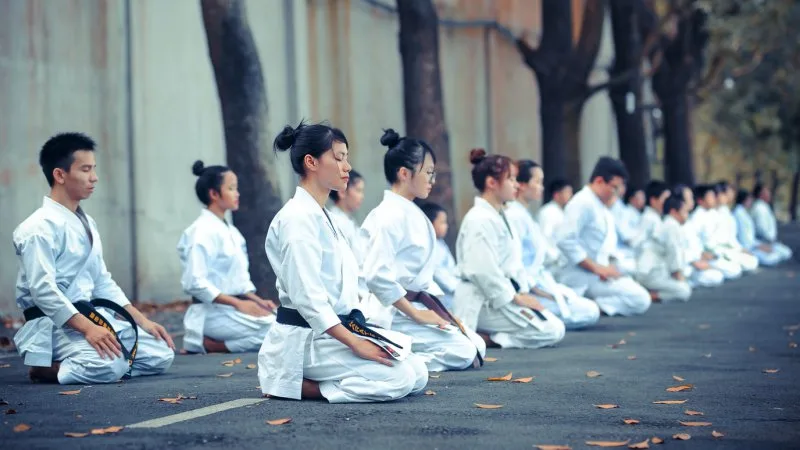
How to Do Zazen
We recommend doing zazen in a calm, clean place without disturbances. It should not be a dark place nor too bright. Meditation can be done alone, but in a group it can be more stimulating.
Zen Buddhist practitioners often use an image of Monjushri Bodhisattva or another image of the Buddha. This meditation should not be done when tired, drunk, hungry, or with a full stomach.
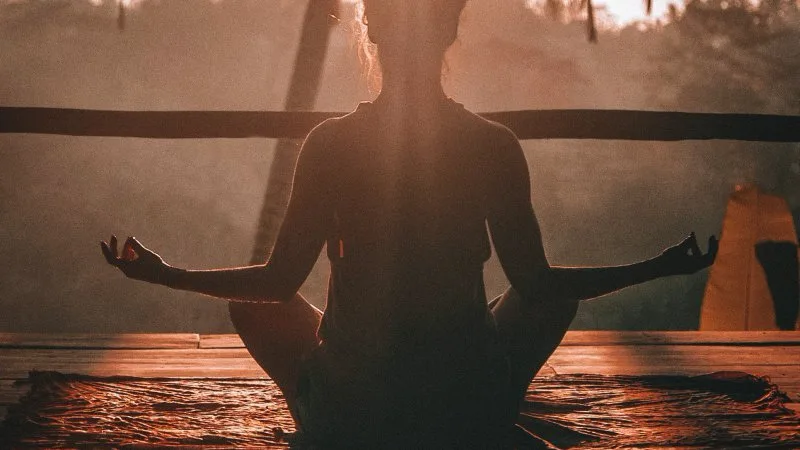
Clothes should be comfortable and should not be dirty, luxurious, or heavy. Place a zabuton in front of a wall and put a zafu on top of it - these are cushions.
Sit down, positioning the base of your spine in the center of the zafu, so that half of the zafu is behind you. After crossing your legs, firmly rest your knees on the zabuton.
Observe everything around you. Let your thoughts and feelings come and go, and do not try to control or eliminate them. Keep abdominal breathing with short inhales and long exhales.

During zazen, our hands are positioned in an ellipse, which represents the cosmos within us and us within the cosmos. With palms facing up, we rest the fingers of the left hand on the fingers of the right hand. This is called Hokkaijoin.
Kinhin is zazen in motion, while walking. It usually lasts ten minutes and is done in the zazen room. It serves to stimulate circulation and allow us to sit again in zazen.
In meditation, you can also sway your body with palms facing up on your knees. Rock your body from side to side, forward and backward, then form the hokkai-join again.
Do not focus on any object, and do not try to control your thoughts. When you maintain a correct posture and your breathing calms down, your mind will naturally become tranquil.
Another Way to Understand the Practice
If you want to compare zazen with another Japanese sitting posture, take a look at Seiza. For broader context, Buddhism in Japan helps explain where this practice fits in Japanese culture.
Zazen is not about forcing silence. It is about sitting, breathing, and letting the mind settle on its own.



Community
Comments
0 comments
There are no published comments in this language yet.
Send comment