
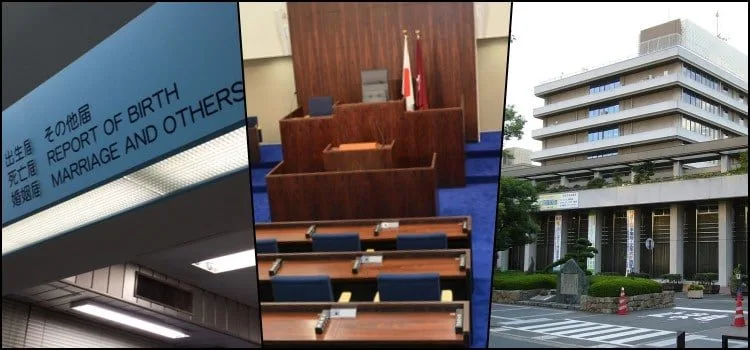
Calling them "honorary citizens" is only partly accurate. In Japan, local governments and public institutions often give fictional characters and mascots symbolic roles that look official on paper: tourism ambassador, special resident, or cultural representative. The titles are ceremonial, but their effect is real. They attract visitors, make public campaigns easier to remember, and turn pop culture into local identity.
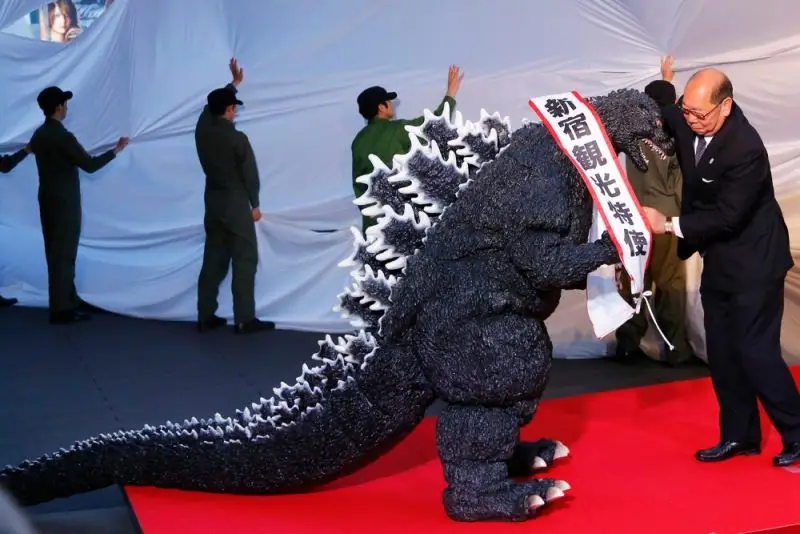
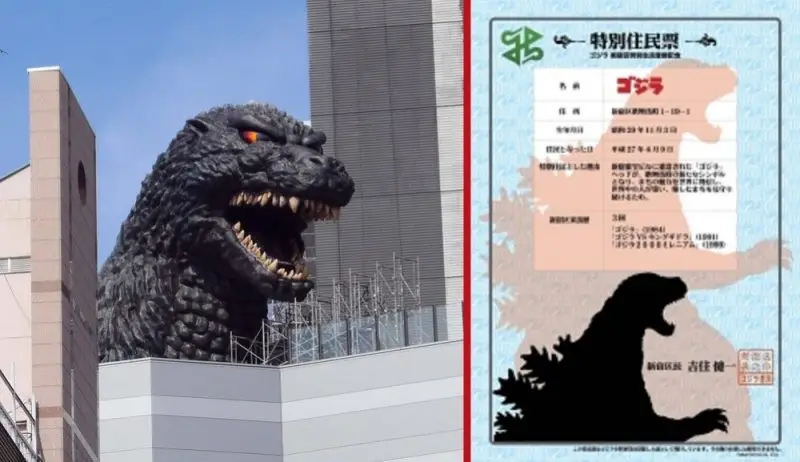
No case is more famous than Godzilla. In 2015, Shinjuku issued the monster a special resident certificate and appointed it as the district's tourism ambassador when the Shinjuku Toho Building opened with the now-famous Godzilla Head. It sounds like a joke until you look at the setting: Godzilla is tied to Toho, Kabukicho, and a neighborhood that already lives on spectacle, cinema, and tourism.
Contents 5
Godzilla and Shinjuku
The interesting part is that Shinjuku treated the idea as more than a one-day publicity stunt. City materials aimed at visitors have continued to use Godzilla as a recognizable public symbol, and the district even marked the tenth anniversary of the appointment in 2025. In other words, Godzilla was not used as a random mascot borrowed for a poster. The character became part of the place's tourist image.
This also helps explain why headlines sometimes say that Godzilla became a "citizen of Japan." What actually happened was symbolic local recognition, not a legal change in nationality law. The special resident certificate matters because it shows how comfortable Japanese institutions are with blending administration, entertainment, and civic branding when the symbol fits the city.
Kumamon and the power of yuru-chara
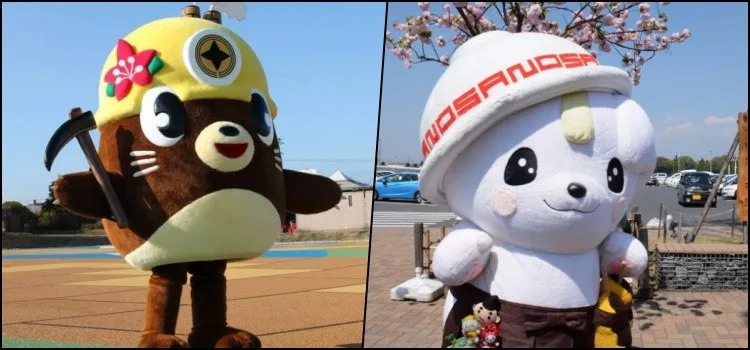
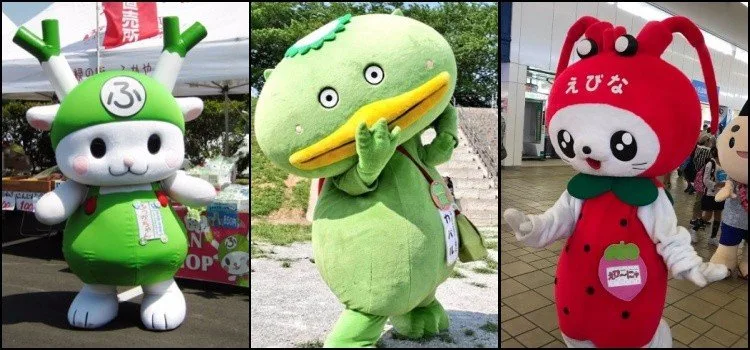
If you have ever looked into Japanese mascots, you have already seen the same logic in a softer form. Japan's yuru-chara are not just cute costumes for festivals. They work as civic brands. Kumamon, from Kumamoto Prefecture, is still described by the prefecture's own tourism material as its official "Sales and Happiness Manager." That title sounds playful, but it captures a serious mission: sell local products, support tourism, and keep the region visible in a crowded media environment.
Kumamon became the model for how effective a regional mascot can be when the design is memorable and the public role is clear. Instead of speaking in the cold language of bureaucracy, the character gives the prefecture a face. Visitors remember it, children react to it instantly, and the local government gains a symbol that travels much farther than a standard tourism slogan.
Doraemon and Japan's soft power
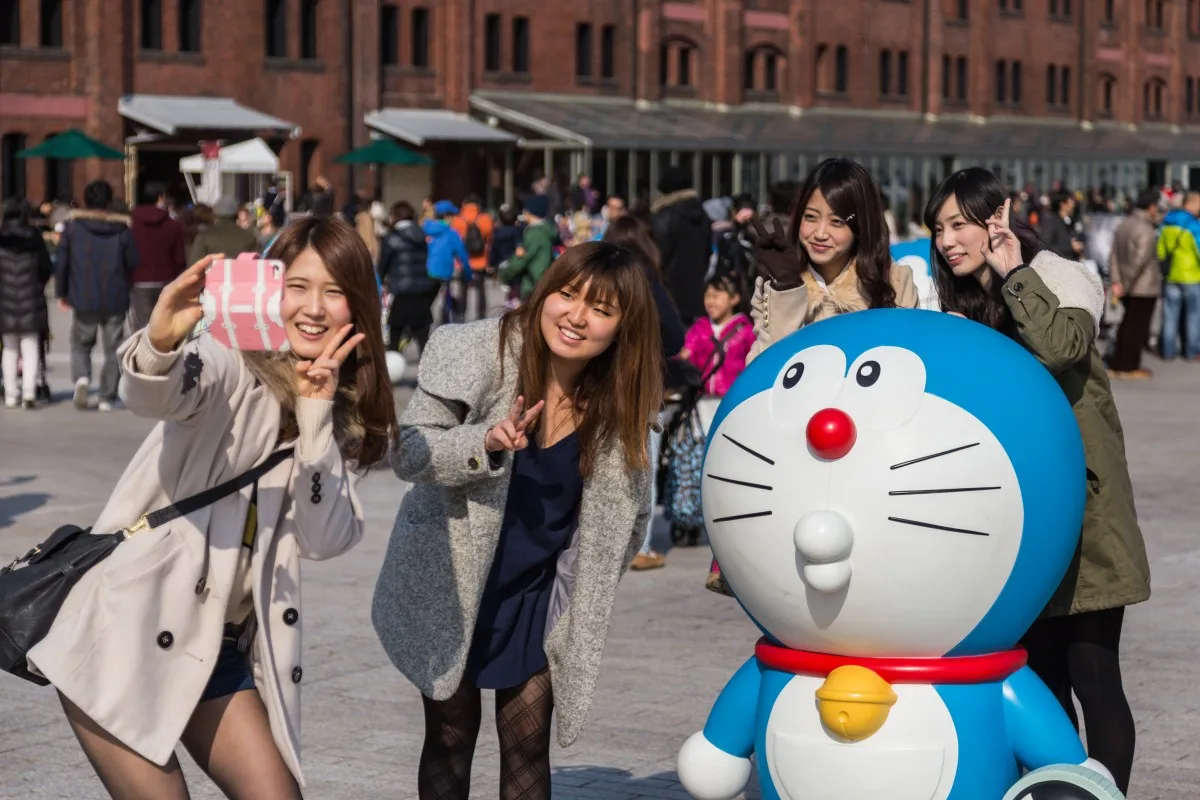
The national example is Doraemon. In 2008, Japan's Ministry of Foreign Affairs appointed the character as Anime Ambassador. The ministry described the project as part of its public diplomacy effort to strengthen interest in Japan and improve the country's image abroad. That made Doraemon more than a beloved character from television and manga. He became a diplomatic shortcut for explaining modern Japanese culture to foreign audiences.
Doraemon works especially well in this role because the character is familiar, friendly, and instantly linked to Japanese pop culture without feeling aggressive or corporate. For a government trying to present Japan as creative, approachable, and culturally influential, that kind of symbol is more useful than a formal slogan ever could be.
Why Japan keeps doing this
What connects Godzilla, Kumamon, and Doraemon is not legal status. It is communication. Japan has a long habit of translating places, institutions, and ideas into characters that people can recognize immediately. Sometimes that becomes tourism branding. Sometimes it becomes regional promotion. Sometimes it turns into diplomacy. The official title is only the visible surface of a broader strategy: make the message memorable by giving it a face.
That is why these appointments rarely feel absurd inside Japan for very long. Once a character starts helping a city or prefecture communicate with residents and visitors, the symbolic role begins to make practical sense. So when you read that a monster, mascot, or robot has become an "official citizen," the real story is usually not about citizenship at all. It is about how Japan uses characters to build affection, recognition, and a stronger sense of place.



Community
Comments
0 comments
There are no published comments in this language yet.
Send comment