
When it comes to Japanese sports, it's easy to think only of judo or sumo. But the truth is that Japan has an intense, vibrant, and surprisingly diverse relationship with the sports world. From ancestral practices to new passions that arrive with force, the sports there reflect discipline, team spirit, and an incredible thirst for overcoming challenges that infects the entire country.
The question remains: do you know which sports really fill stadiums and paralyze Japan today? The answer may surprise you – many of them were not born on Japanese soil. Let's dive into this universe, exploring fields, courts, and arenas to discover what moves crowds in the land of the rising sun.
Contents 6
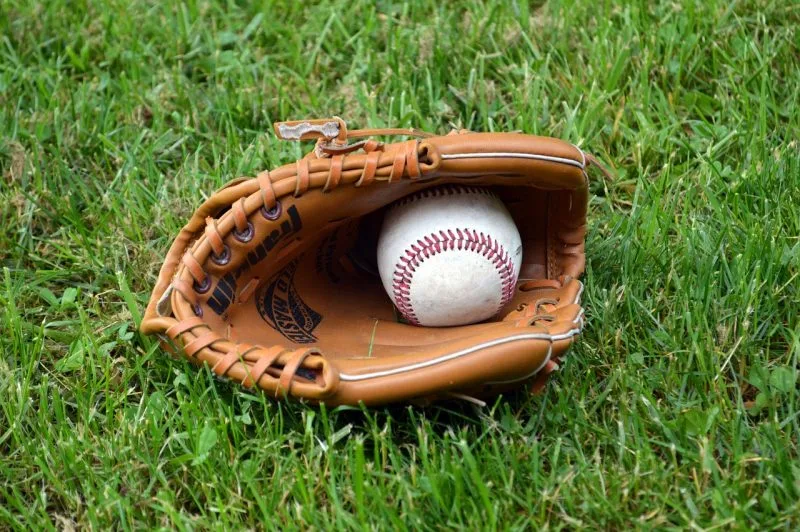
Baseball: The "Yakyuu" that Became a National Soul
To understand Japanese sports, start with baseball (or yakyuu). It arrived with the Americans in the 19th century but was embraced with a passion that transformed the game into almost a religion. It's not just a pastime; it's a rite of collective effort and honor.
The peak of this fever? The school tournament Koshien. Watching it is to feel the Japanese soul: boys crying from exhaustion, crowds singing in unison, entire families glued to the TV. Professional teams, like the legendary Yomiuri Giants or the beloved (and suffering) Hanshin Tigers, have fanatic fans. But the heart of yakyuu truly beats in the school leagues. Players become national heroes overnight. Want to feel the pulse of Japanese sport? Start here. Baseball still reigns.
Judo, Karate, and Sumo: The Living Force of Tradition
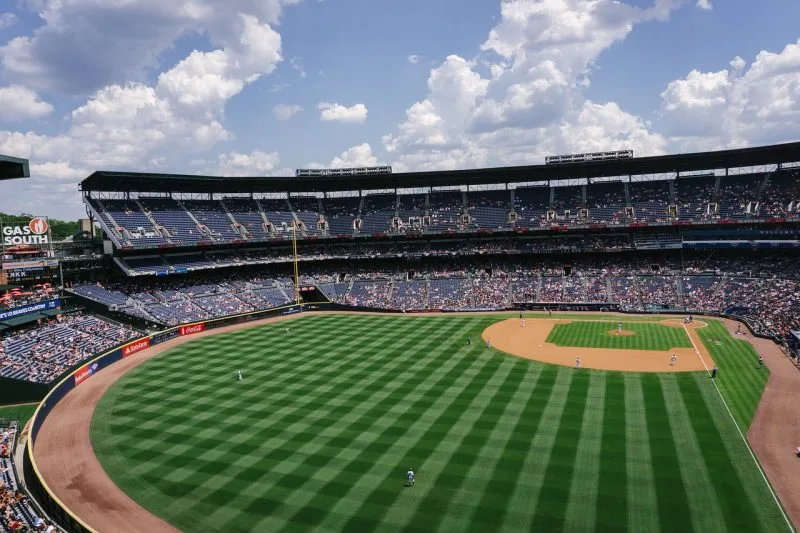
Thinking that martial arts and sumo have become museum pieces is a mistake. They have only changed. They have become powerful cultural expressions, full of meaning.
Sumo still paralyzes the country during major tournaments (honbasho). The rikishi (wrestlers) are treated like demigods. Every gesture in the dohyo (the sacred ring) is ritual: the salt thrown to purify, the silence broken by sudden shouts from the audience. It's pure tradition in motion.
Meanwhile, judo and karate, propelled by the Olympic Games, have gained the world and brought medals back. In Japan, they remain pillars in education. It's not just about fighting; it's about building character, inner discipline. Schools and dojos are still packed. It's a pursuit that goes far beyond the physical.
Football: The J-League and the Revolution That Came to Stay
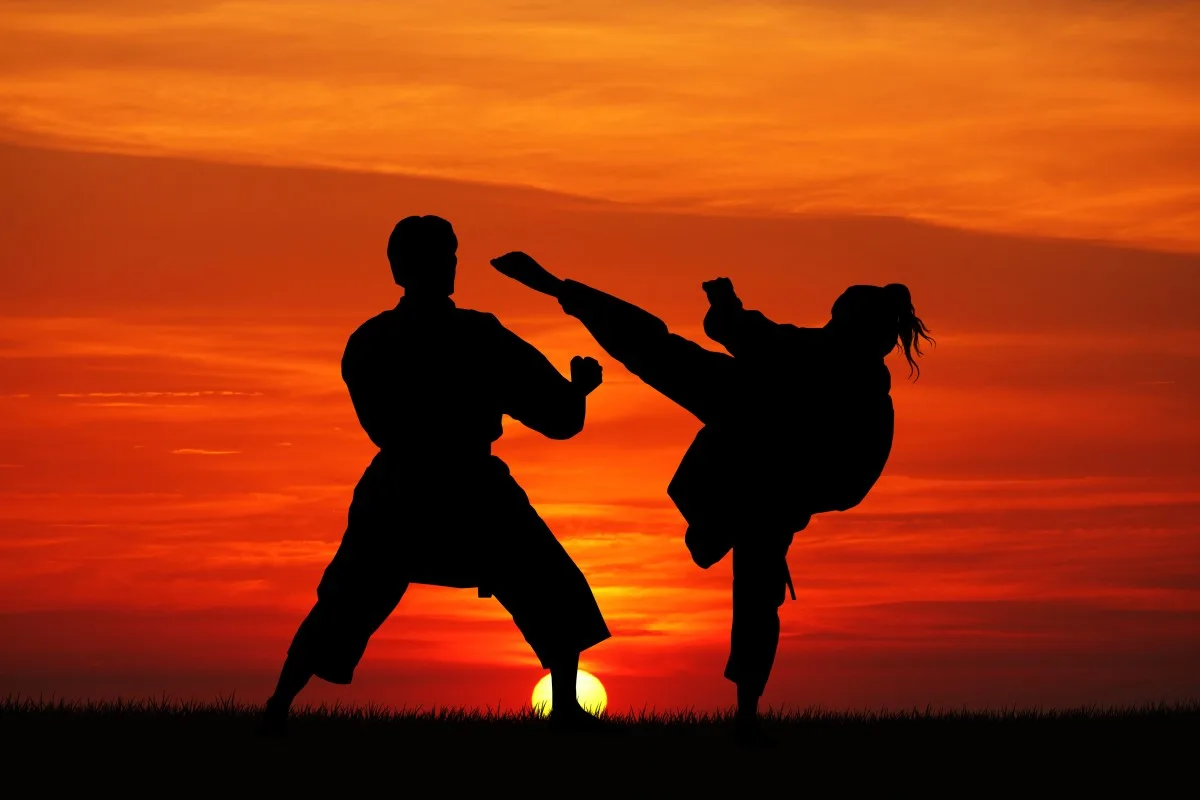
To say that football was a supporting act in Japan is old news. The creation of the J-League in 1993 was an earthquake. Today, it's normal to see children wearing shirts of Kawasaki Frontale, Urawa Reds, or the national team (the "Blue Samurai") running in any park.
The men's national team shines in World Cups, and the women's team? Made history by winning the 2011 World Cup! The Japanese fanbase has a unique style: organized, respectful, but with contagious energy. Stadiums like Saitama Stadium 2002 are buzzing. A new generation prefers the ball rolling to the baseball bat. Football is no longer a promise; it's a solid reality.
Volleyball: Passion on the Rise with the V.League
Volleyball deserves a highlight! The professional league (V.League) attracts large crowds, and the women's national team is a constant powerhouse, with Olympic medals in their resume. The games are high-intensity events, with very enthusiastic crowds and a tradition of excellence that inspires youth throughout the country. A team sport that perfectly combines with the Japanese spirit of teamwork and precision.

Tennis, Skate, Basketball, and More: The Wave of the New Generation
Recent Olympic Japan revealed a youth eager for sports with a different vibe. Tennis exploded with stars like Naomi Osaka and Kei Nishikori – it became synonymous with global success and modern discipline. Skate, driven by Olympic gold from Yuto Horigome, brought attitude, freedom, and urban style to the streets and parks.
And look at basketball there! The unified and professional B.League is growing rapidly, with packed arenas and talents like Rui Hachimura shining in the NBA. It attracts a crowd that enjoys the fast pace and the spectacle.
We can't forget about surfing (Olympic gold!), sport climbing, and even golf, with idols like Hideki Matsuyama. These sports speak of individual expression, connection with nature, and personal challenges. They are the voice of a generation that wants less formality and more authenticity.
Some highlights:
- Tennis: High-level discipline and global projection.
- Skate: Freedom, creativity, and urban culture on the rise.
- Basketball (B.League): Dynamism and explosive growth.
- Volleyball: Tradition of success and vibrant collective passion.
- Surfing/ Climbing: Connection with elements and extreme challenges.
This explosion of modalities shows a Japan in transformation – more plural, open to experimentation.
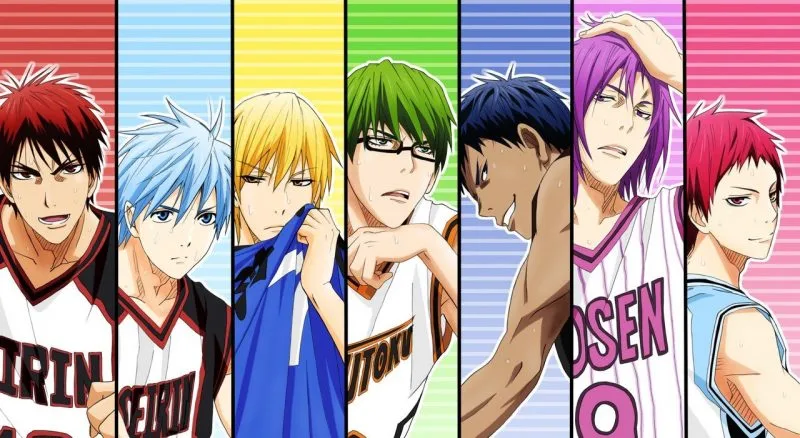
Bukatsu: The Cradle of the Japanese Sports Spirit
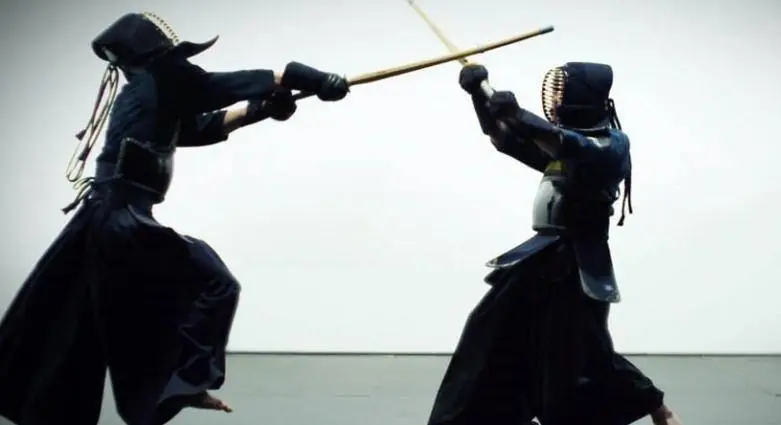
The secret of Japan's sports strength may lie in schools. Do you know about bukatsu? They are school sports clubs. There, training is almost a mission: swimming, athletics, table tennis, badminton, kendo, rugby... Any modality becomes a lesson in grit, collective effort, and daily overcoming.
Students dive in headfirst, training before and after classes. School tournaments, like the famous Ekiden (long-distance relay race), are taken seriously nationwide. Many stars of Japanese professional sports have come from these clubs, from simple courts, guided by dedicated teachers.
The bukatsu not only forms athletes; it forges character. It teaches that talent is just the beginning. What really matters is the sweat, persistence, and knowing that you are not alone. It is the root of a sports culture that admires effort above all.



Community
Comments
0 comments
There are no published comments in this language yet.
Send comment