Calpico, or Calpis, as it is known in Japan, is a refreshing drink that delights thousands of people around the world. With a unique flavor and a fascinating history, Calpico is a true legend in the world of Japanese beverages. Join us on this tasty adventure and discover everything you need to know about this delight!
Calpis is a Japanese fermented milk drink of different styles, ranging from juices, sodas to energy drinks. In the West, it is called Calpico to avoid sounding like “cow piss,” which means cow urine.
Calpico was created in 1919 by Japanese entrepreneur Kaiun Mishima. After a trip to Mongolia, Mishima was inspired by kumis, a fermented drink made from mare’s milk. He decided to create a milder and more accessible version, adapted to the Japanese palate. And thus Calpis was born, which would later be renamed Calpico for the international market.
The secret to Calpis’s unique flavor lies in its special formula. The drink is made from the fermentation of lactose and lactic acid, combined with skim milk and water. Then, the liquid is filtered and mixed with sugar, glucose syrup, and natural flavors, such as vanilla and citric acid. The result is a smooth, slightly acidic, and sweet drink.
Calpico began its international expansion in the 1980s, first reaching the United States and then other countries in Asia, Europe, and Latin America. To cater to different tastes, the drink was launched in various flavors, such as strawberry, grape, peach, and lychee. Today, Calpico is consumed in over 30 countries and continues to win hearts and palates.
Health Benefits of Calpis
Traditional Calpis may resemble sodas quite a bit due to being fermented, but unlike traditional sodas, Calpis is not usually harmful to health.
Thanks to its fermentation process, Calpis contains live lactobacilli, which are beneficial bacteria for digestive health. These probiotics help maintain the balance of intestinal flora, aid in digestion, and may contribute to a stronger immune system.
Calpico is made with skim milk, which means it has a reduced fat content compared to other milk-based beverages. This makes it a lighter and less caloric option for those concerned about fat and calorie intake.
Although Calpico is not a rich source of nutrients, it still provides a moderate amount of calcium and some other minerals and vitamins, such as vitamin D and phosphorus. Calcium is essential for bone and dental health, while vitamin D helps in the absorption of this mineral.
The combination of water and sugars in Calpico can help with hydration and electrolyte replenishment, especially on hot days or after intense physical activities. However, it is worth noting that the drink also contains sugar and should be consumed in moderation.
Different Types of Calpis Drinks
The original Calpico is not a carbonated drink. It is a non-carbonated beverage made from fermented milk, with a smooth and slightly acidic texture. However, there are variations of Calpico that can be carbonated, such as mixed drinks with sparkling water or sodas. In these cases, carbonation is added during the mixing process, resulting in a drink with effervescent bubbles.
Calpis Soda is a carbonated version of the original drink, combining the smoothness and slightly acidic flavor of Calpis with the effervescence of sparkling water. This drink is available in various flavors, just like the original Calpico, and can be found in bottles and cans.
Another pioneering brand in carbonated dairy drinks is the famous Skal, a major competitor of Calpis. Of course, Calpis has several competitors when it comes to milk-based drinks.
In addition to sodas, it is also possible to find mixed Calpis drinks with various fruit flavors and others. Below is a list of different types of Calpis drinks:
Calpico Original (Calpis Water): The classic version of the drink, with a smooth and slightly acidic flavor based on fermented milk.
Calpico Concentrate (Calpis Concentrate): Concentrated version of the drink that can be diluted in water or used in recipes and cocktails.
Calpico Mango: Drink with mango flavor.
Calpico Strawberry: Drink with strawberry flavor.
Calpico White Peach: Drink with white peach flavor.
Calpico Lychee: Drink with lychee flavor.
Calpico Grape: Drink with grape flavor.
Calpico Melon: Drink with melon flavor.
Calpico in Japanese Pop Culture
Calpico has a strong presence on social media, often used as an aesthetic element in photos and videos. With its colorful packaging and creative design, the drink has become a symbol of style and Japanese culture, gaining popularity among bloggers, influencers, and pop culture enthusiasts.
Calpico also appears in various Japanese animations, the famous animes. Whether in a picnic scene or a moment of relaxation between characters, the drink is present as a symbol of freshness and flavor. This only reinforces its popularity and association with modern Japanese culture.
Did you know that there is a day dedicated to Calpico? In Japan, July 7th is known as “Calpis no Hi” (Calpis Day). The date was chosen because, in addition to being the official launch day of the drink in 1919, it is also the date of the Tanabata Matsuri.
The Japanese language is fascinating and rich in nuances, especially when it comes to expressing gender and age. In this article, we will explore the different ways to say “man” and “woman” in Japanese, as well as other related words, such as “boy,” “girl,” “young boy,” and “young girl.”
The ideogram “onna” [女] represents a woman. The original form of the character (in ancient Chinese) depicted a person kneeling with arms crossed, suggesting a woman in a submissive or modest position.
This image reflects the historical perception of women’s roles in society, which used to be more passive and domestic. Although perceptions and gender roles have evolved over time, the form of the ideogram has remained virtually unchanged.
It is important to highlight that the meanings and etymology of kanji are not always an accurate representation of current attitudes and beliefs regarding gender.
Here are some examples of Japanese words that use the ideogram for woman, 女 (onna):
女子 (joshi): girl, young woman (informal)
女性 (josei): woman, feminine
女の子 (onna no ko): girl, young girl
美女 (bijo): beautiful woman, lovely lady
女王 (joō): queen
女優 (joyū): actress
女装 (josō): dressing as a woman, cross-dressing (in the case of men)
男女 (danjo): men and women, both sexes
女心 (onnagokoro): woman’s heart, feminine mind
女らしい (onnarashii): feminine, delicate
These words illustrate the versatility of the ideogram for woman, 女, and how it can be used in different contexts to describe various characteristics, professions, and attributes related to the female gender.
男 – Otoko – Ideogram for Man
The ideogram “otoko” [男] is composed of two elements. The top part (田) represents a rice field, while the bottom part (力) represents strength or power.
The etymology of this kanji is related to the idea that men, in ancient times, were seen as responsible for heavy work in the fields. Thus, the combination of these elements conveys the idea of physical strength associated with agriculture and labor.
Let’s explore some Japanese words that use the ideogram for man, 男 (otoko). Here are some examples:
男子 (danshi): boy, young man (informal)
男性 (dansei): man, masculine
男の子 (otoko no ko): boy, young boy
男前 (otokomae): handsome man, attractive
男爵 (danshaku): baron
男優 (dan’yū): actor
男装 (dansō): dressing as a man, cross-dressing (in the case of women)
男女 (danjo): men and women, both sexes
男心 (otokogokoro): man’s heart, masculine mind
男らしい (otokorashii): manly, masculine
These words show how the ideogram for man, 男, is versatile and can be used in different contexts to describe various characteristics, professions, and attributes related to the male gender.
Boy and Girl in Japanese
Now, let’s address words that refer to children and adolescents:
Boy: 男の子 (otoko no ko)
Girl: 女の子 (onna no ko)
Young man, youth (informal): 男子 (danshi)
Young woman, girl (informal): 女子 (joshi)
Other similar terms are:
少年 (shōnen): boy, young man; also used to refer to manga aimed at a young male audience
少女 (shōjo): girl, young woman; also used to refer to manga aimed at a young female audience
青年 (seinen): young man, youth; also used to refer to manga aimed at a young adult male audience
青少年 (seishōnen): adolescent, youth (both genders)
少年少女 (shōnen shōjo): boys and girls, youths (both genders)
幼児 (yōji): small child, baby (both genders)
学童 (gakudō): student, schoolchild (both genders)
高校生 (kōkōsei): high school student (both genders)
These expressions are commonly used to describe children and adolescents of both genders.
Other Gender Words in Japanese
In addition to the basic ideograms for “man” and “woman,” there are also other kanji related to gender and age, such as:
Child, kid: 子 (ko) – used for both boys and girls
Young: 若 (waka) – used as a prefix to indicate youth, as in 若い男性 (wakai dansei, young man) and 若い女性 (wakai josei, young woman)
Old, elder: 老 (rō) – used as a prefix to indicate advanced age, as in 老人 (rōjin, old man or elder)
There are other words and expressions in Japanese that also refer to gender and age:
Middle-aged man: 中年の男性 (chūnen no dansei)
Middle-aged woman: 中年の女性 (chūnen no josei)
Uncle, older man: おじさん (ojisan)
Aunt, older woman: おばさん (obasan)
Note that “ojisan” and “obasan” can also be used informally to refer to uncles and aunts, respectively.
Here are some useful expressions related to marriage and relationships:
Water is one of the most essential things for life, a word of utmost importance especially in Japanese culture. Have you ever wondered how to say water in Japanese? In this article, we will see the meaning of Mizu and other ways to say water in Japanese, as well as its influence on Japanese culture.
The word mizu (水) represents the idea of water or liquid. This word is used both to refer to drinking water and to water in general. Additionally, “mizu” can be found in various expressions and compound words related to different contexts and concepts involving water.
The Chinese ideogram for water, 水, is pronounced as “shuǐ” in Mandarin and has a history that dates back thousands of years. In Japanese, the ideogram can also be read as “sui” [スイ].
The original form of this character was a pictographic image representing flowing water, with three drops of water falling. This image has evolved over time, and the current form of the character still retains the essence of this original image.
Different Types of Water in Japanese
There are other ways to say “water” in Japanese besides “mizu” (水). Some of these words are used in specific contexts or refer to different types of water. Here are some alternatives to say “water” in Japanese:
ウォーター “wōtā”: This word is the Japanese transliteration of the English word “water”. It is mainly used in international contexts, such as on product labels or to refer to foreign brands of bottled water.
お水 (おみず) – “omizu”: This is a polite way to refer to water. Adding the prefix “o” (お) to a word in Japanese is a common way to make the word more respectful or polite.
湯 (ゆ) – “yu”: Specifically refers to hot water, such as the water used for bathing in an onsen (Japanese hot spring) or in a sentō (public bathhouse). In the context of tea, such as green tea, it can be used as お湯 (おゆ), which means hot water.
雨水 (あまみず) – “amamizu”: Literally, “rainwater”, is the combination of the words 雨 (あめ) “ame”, which means rain, and 水 (みず) “mizu”, which means water. This word is used to describe the water that falls during rain.
海水 (かいすい) – “kaisui”: Means “seawater” and is formed by the combination of 海 (うみ) “umi”, which means sea, and 水 (みず) “mizu”, which means water.
汽水 (きすい) – “kisui”: This word refers to water that contains gas, such as sparkling water or carbonated mineral water. It is formed by the combination of 汽 (き) “ki”, which means steam or gas, and 水 (みず) “mizu”, which means water.
The Water Radical [氵]
The radical 氵 is known as “sanzui” (さんずい) in Japanese and is related to the element water. The radical 氵 originates from the Chinese character 水, which represents water, as mentioned earlier.
When used as a radical, the form of the character is simplified to 氵, which consists of three vertical strokes. This makes it easier to incorporate it into other kanji as a component.
The radical 氵 is used as a component in many kanji related to water or liquid concepts. When a kanji includes the radical 氵, it usually indicates that the kanji has something to do with water or a water-related concept. Some examples of kanji that feature the radical 氵 include:
泳 (えい) – “ei” – to swim
河 (かわ) – “kawa” – river
波 (なみ) – “nami” – wave
泣 (なく) – “naku” – to cry
海 (うみ) – “umi” – sea, ocean
油 (あぶら) – “abura” – oil
湖 (みずうみ) – “mizuumi” – lake
洗 (あらう) – “arau” – to wash
満 (みちる) – “michiru” – to fill, to become full
池 (いけ) – “ike” – pond, tank
湯 (ゆ) – “yu” – hot water, bath water
温 (おん) – “on” – warm, hot
流 (りゅう) – “ryuu” – to flow, current
When learning kanji, it is helpful to be familiar with radicals, as they can help identify the meaning or pronunciation of an unknown kanji.
Water is a fundamental element in Japanese culture and plays an important role in various areas, including religion, art, architecture, and cuisine. Let’s look at some examples where water and its respective word, “mizu”, play a crucial role:
Shintoism: In Japan, water is often associated with purification. In Shinto, the native religion of the country, water is used in purification rituals called “misogi” and “temizu”. Practitioners wash themselves with pure water to rid themselves of impurities and prepare to enter a Shinto shrine.
Japanese gardens: Water is an essential component of traditional Japanese gardens, which are designed to promote harmony and tranquility. The presence of “mizu” in fountains, ponds, and streams creates a serene and relaxing atmosphere, reflecting respect for nature and the pursuit of balance.
Martial arts: In Japan, water also symbolizes adaptability and fluidity. In the philosophy of Japanese martial arts, it is important to be like water, adapting to situations and flowing without resistance.
Cuisine: Water is essential in Japanese cuisine, used in the preparation of teas, soups, and cooking rice, among others. Pure and high-quality water is valued in Japan, and it is common for restaurants and tea houses to announce the source of their water to highlight its quality.
Over the years, Japanese car brands have gained a prominent position in the global automotive industry, thanks to their reputation for quality, reliability, and innovation. With a wide range of manufacturers, including Toyota, Honda, Nissan, Mitsubishi, Suzuki, Subaru, Lexus, Acura, Infiniti, Mazda, Daihatsu, Isuzu, and several other lesser-known and defunct brands, Japan offers a vast selection of vehicles to meet the needs and preferences of drivers worldwide.
In this article, we will explore in detail the distinct characteristics of each of these Japanese car brands, analyzing their histories, their most popular models, and the technological innovations that set them apart. From luxury sedans to robust commercial vehicles and versatile SUVs, Japanese car brands continue to lead the way in terms of safety, sustainability, and performance, ensuring their place as leaders in the automotive industry.
The exciting history of Honda Motor Company began in 1948 by the hands of Soichiro Honda, a visionary who transformed the Japanese automotive industry. The brand, which started as a manufacturer of motorcycle engines, soon ventured into the world of automobiles and today is synonymous with innovation and excellence.
Honda models are known for their bold design and cutting-edge technology. Highlights include the Honda Civic and the Honda Accord, which have conquered the international market and become benchmarks in their categories. The brand also prides itself on its concern for the environment, as demonstrated by the development of the Honda Clarity, a hydrogen fuel cell vehicle.
In addition to being a leader in the automotive market, Honda also invests in other areas, such as aerospace and robotics. The passion for innovation and the constant pursuit of sustainable solutions are trademarks of this Japanese company that continues to surprise the world with each launch.
Main Honda Cars
Honda Civic: One of Honda’s most well-known models, the Civic is a compact sedan that offers modern design, performance, and fuel efficiency, and is available in hatchback and sporty versions.
Honda Accord: The Accord is a midsize sedan that combines space, comfort, and advanced technology, making it an ideal choice for families and drivers who want a car with more features and sophistication.
Honda CR-V: This compact SUV is appreciated for its versatility, interior space, and fuel efficiency, making it a popular option for families and drivers looking for a practical and comfortable vehicle.
Honda HR-V: The HR-V is a subcompact SUV that offers a combination of modern design, surprising space, and off-road capability, making it an attractive choice for drivers who want a smaller and versatile vehicle.
Honda Pilot: This midsize SUV has a capacity for up to eight passengers and is known for its generous space, performance, and towing capacity, making it a great option for families that need a spacious and powerful vehicle.
Toyota: Synonymous with Reliability
Founded in 1937 by Kiichiro Toyoda, Toyota is an iconic brand in the automotive world. Globally recognized for its quality and reliability, Toyota has won the hearts of drivers and has become the largest vehicle manufacturer in the world.
The Corolla, one of the best-selling cars in history, is an example of the excellence and durability of Toyota automobiles. The brand is also a pioneer in developing sustainable technologies, such as the Prius, the first mass-produced hybrid vehicle, which revolutionized the automotive industry by combining energy efficiency and low emissions of pollutants.
In addition to vehicles, Toyota is known for its philosophy of continuous improvement, “Kaizen“, which permeates all aspects of the company and ensures the relentless pursuit of improvement and innovation in its production lines.
Main Toyota Cars
Toyota Corolla: This iconic compact sedan is one of the best-selling cars of all time, thanks to its reliability, fuel efficiency, and resale value.
Toyota Camry: The Camry is a midsize sedan known for its comfort, performance, and generous interior space, making it a great option for families and drivers looking for a practical and sophisticated car.
Toyota RAV4: This popular compact SUV offers versatility, space, and fuel efficiency, and is available in hybrid and electric versions for those seeking more eco-friendly options.
Toyota Highlander: The Highlander is a midsize SUV with space for up to eight passengers, offering a combination of comfort, style, and off-road capability.
Toyota Tacoma: This midsize pickup is known for its durability, performance, and towing capacity, making it an excellent choice for drivers who need a tough work vehicle.
Nissan: Boldness and Power
Nissan Motor Company, founded in 1933, is a bold Japanese brand that is not afraid to challenge the status quo. With a diverse range of vehicles, Nissan captivates its audience with innovative design and breathtaking performance.
Nissan’s sports models, such as the legendary GT-R and the 370Z, are examples of this boldness and passion for speed and power. Additionally, the brand has heavily invested in sustainable technologies, such as the Nissan Leaf, one of the first electric vehicles to be mass-produced, showing that Nissan is committed to a cleaner and greener future.
Nissan also stands out in the field of autonomous mobility, developing advanced driver assistance systems and partnering with other companies to shape the future of the automotive industry.
Main Nissan Cars
Nissan has a long tradition of notable and innovative vehicles that meet different needs and preferences of drivers. Here are some of the main Nissan models that deserve mention:
Nissan Sentra: This compact sedan is known for its sophisticated design, comfort, and excellent fuel efficiency. It is a popular choice among drivers seeking a practical and reliable car for everyday use.
Nissan Altima: The Altima is a midsize sedan that combines space, performance, and advanced technology, making it an ideal option for families and drivers who want a car with more features and comfort.
Nissan Rogue: This compact SUV is known for its versatility, interior space, and off-road capability. It is perfect for families looking for adventures and wanting a vehicle with excellent performance on different types of terrain.
Nissan Murano: The Murano is a midsize SUV that offers an attractive design, generous space, and a wide range of luxury and technology features. It is a high-quality option for drivers seeking comfort and style.
Nissan Frontier: This robust pickup is known for its payload capacity, durability, and performance on tough terrains. It is ideal for drivers who need a reliable and tough work vehicle.
Mazda: Design and Innovation
Founded in 1920, Mazda is a Japanese automobile brand that stands out for its striking design and innovative technologies. Mazda’s philosophy is based on the concept of “Jinba Ittai,” which translates to “rider and horse as one,” seeking to create an emotional connection between the driver and the car.
Mazda vehicles are recognized for their “KODO – Soul of Motion” aesthetic, which aims to capture movement and energy in their design. Additionally, the brand is a pioneer in SKYACTIV technology, which aims to improve fuel efficiency and performance without sacrificing driving enjoyment.
Mazda has also invested in sustainable technologies and electrification of its vehicles, such as the MX-30, its first electric model, which combines design, functionality, and environmental responsibility. The brand continues to evolve, offering a unique and exciting driving experience.
Main Mazda Models
Mazda3: This compact sedan and hatchback offers elegant design, performance, and fuel efficiency, making it a popular choice among drivers seeking style and practicality.
Mazda6: The Mazda6 is a midsize sedan that combines space, comfort, and performance, making it an ideal option for families and drivers who want a sophisticated and powerful car.
Mazda CX-5: This compact SUV is known for its attractive design, drivability, and interior space, making it a popular choice for families and drivers seeking versatility and style.
Mazda CX-9: The CX-9 is a midsize SUV that offers a combination of luxury, space, and performance, making it a high-quality option for drivers seeking comfort and sophistication.
Mazda MX-5 Miata: This iconic sports roadster is known for its agility, style, and driving fun, making it an exciting choice for enthusiasts and speed lovers.
Subaru: Adventure and Safety
Founded in 1953, Subaru is a Japanese brand known for its durability, reliability, and focus on safety. With its slogan “Confidence in Motion,” Subaru aims to create vehicles that inspire confidence and provide an exceptional driving experience.
The brand is famous for its Symmetrical All-Wheel Drive system, which ensures even power distribution and excellent traction on different types of terrain. Additionally, Subaru prides itself on its advanced safety technologies, such as the EyeSight driver assistance system.
Subaru has also invested in more sustainable and eco-friendly options, such as hybrid models and the range of PZEV (Partial Zero Emission Vehicle) vehicles, which emit fewer pollutants. The brand strives to create vehicles that meet the needs of adventurous drivers who are concerned about the environment.
Main Subaru Models
Subaru Impreza: The Impreza is a compact and versatile sedan, also available in hatchback version, that offers all-wheel drive as standard, advanced safety, and fuel efficiency, making it a popular choice among drivers seeking reliability and practicality.
Subaru Legacy: The Legacy is a midsize sedan that combines space, comfort, and performance with all-wheel drive as standard, making it an ideal option for families and drivers who want a safe and sophisticated car.
Subaru Outback: This crossover is known for its versatility, off-road capability, and interior space, making it a popular choice for families and adventurous drivers looking for a robust and functional vehicle.
Subaru Forester: The Forester is a compact SUV that offers a combination of space, safety, and performance, making it a great option for drivers seeking a safe and versatile vehicle.
Subaru WRX: This sports sedan is known for its thrilling performance, aggressive design, and all-wheel drive, making it an exciting choice for enthusiasts and speed lovers.
Mitsubishi: Tradition and Technology
Mitsubishi Motors, founded in 1970 as part of the Mitsubishi conglomerate, is a Japanese brand that combines tradition and innovation in its vehicles. The brand has a rich history in the automotive industry, including a long tradition in racing and rallying, such as the iconic Mitsubishi Lancer Evolution.
Mitsubishi is known for its advanced technology, especially regarding electrification and hybrid systems. The Outlander PHEV, for example, is one of the first plug-in hybrid SUVs on the market, combining efficiency, space, and performance.
In addition to investing in sustainable technologies, Mitsubishi also focuses on offering practical and reliable vehicles that meet the demands of modern drivers, including a variety of SUVs and crossovers for urban and rural adventurers.
Main Mitsubishi Models
Mitsubishi Mirage: This subcompact hatchback and sedan offers fuel efficiency, affordable price, and maneuverability, making it a popular choice among drivers seeking an economical and practical car.
Mitsubishi Eclipse Cross: The Eclipse Cross is a compact SUV that combines modern design, interior space, and technology, making it an interesting option for drivers seeking a versatile and stylish vehicle.
Mitsubishi Outlander: This midsize SUV offers space, safety, and performance, and is also available in a plug-in hybrid version, making it a great option for families looking for an efficient and comfortable vehicle.
Mitsubishi Lancer: Although production of the Lancer has been discontinued, this compact sedan remains popular in the used car market due to its sporty design, performance, and durability.
Mitsubishi Pajero/Montero: The Pajero, known as Montero in some markets, is a large SUV with impressive off-road capability, generous space, and comfort, making it an excellent choice for drivers seeking a robust and adventurous vehicle.
Suzuki: Versatility and Economy
Founded in 1909, Suzuki is a Japanese brand that offers compact, versatile, and economical vehicles. Originally focused on producing weaving machines, Suzuki entered the automotive market in 1937, expanding since then to motorcycles, cars, and even marine engines.
The brand is known for its compact and affordable vehicles, such as the Suzuki Swift and Suzuki Celerio. Additionally, Suzuki offers a variety of SUVs and crossovers, such as the Suzuki Vitara and S-Cross, which combine space, performance, and fuel efficiency.
Suzuki is also committed to sustainability and clean mobility, investing in hybrid and electric technologies for its vehicles. The brand continues to innovate and expand its portfolio, offering options that meet different demands and preferences of drivers.
Main Suzuki Models
Suzuki Swift: This compact hatchback is known for its modern design, fuel efficiency, and maneuverability, making it a popular choice among drivers seeking a practical and fun-to-drive car.
Suzuki Celerio: The Celerio is an economical subcompact that offers surprising interior space, fuel efficiency, and an affordable price, making it a great option for drivers seeking a compact and economical vehicle.
Suzuki Vitara: This compact SUV combines attractive design, versatility, and performance, making it an interesting choice for drivers seeking a spacious and stylish vehicle.
Suzuki S-Cross: The S-Cross is a crossover that offers a combination of space, comfort, and technology, making it an ideal option for families and drivers who want a versatile and well-equipped vehicle.
Suzuki Jimny: The iconic Jimny is a small off-road SUV with impressive capability on tough terrains, robust design, and unique charm, making it an exciting choice for enthusiasts and adventurers.
Daihatsu: Compact and Efficient
Daihatsu, founded in 1907, is a Japanese brand specializing in the production of compact and fuel-efficient vehicles. The company is known for its “kei” cars, a category of small automobiles in Japan that offer fuel economy and ease of maneuverability in congested urban environments.
Daihatsu also produces a variety of other vehicles, including minivans, crossovers, and commercial vehicles. The brand prides itself on its long history of innovation and engineering and continues to develop new technologies and mobility solutions to meet the growing demands of drivers worldwide.
Daihatsu has been part of the Toyota Group since 1999, which has allowed the brand to expand its global presence and access advanced resources and technologies. Together, they continue to develop efficient and environmentally responsible vehicles.
Main Daihatsu Models
Daihatsu Mira: This compact “kei car” is known for its fuel efficiency, ease of maneuverability, and affordable price, making it a popular choice among drivers seeking a practical and economical car for the city.
Daihatsu Move: The Move is a microvan that offers surprising interior space, versatility, and fuel efficiency, making it a great option for drivers seeking a compact and functional vehicle.
Daihatsu Copen: This small convertible roadster combines attractive design, agile performance, and fun driving, making it an exciting choice for enthusiasts and speed lovers.
Daihatsu Terios: The Terios is a compact SUV that offers a combination of off-road capability, interior space, and fuel efficiency, making it an interesting option for drivers seeking a versatile and adventurous vehicle.
Daihatsu Hijet: The Hijet is a series of light commercial vehicles, including trucks and vans, known for their durability, payload capacity, and fuel efficiency, making it a popular choice for businesses and entrepreneurs.
Isuzu: Experts in Commercial and Diesel Vehicles
Isuzu, founded in 1916, is a Japanese brand known primarily for its commercial vehicles and diesel engines. Throughout its history, Isuzu has focused on developing innovative and reliable solutions for trucks, buses, pickups, and sport utility vehicles (SUVs).
The brand prides itself on its expertise in diesel engine engineering and in developing tough and durable commercial vehicles that can withstand the demands of intense use and long distances. Isuzu also has a long tradition of cooperation with other automotive brands, such as General Motors and Honda, to develop and supply engines and vehicles.
Although Isuzu is best known for its commercial vehicles, the brand also produces SUVs, such as the Isuzu MU-X, which combines off-road capability, space, and reliability, attracting drivers looking for a versatile and tough vehicle.
Main Isuzu Models
Isuzu D-Max: This robust and durable pickup is known for its payload capacity, off-road performance, and reliability, making it a popular choice among drivers who need a tough and efficient work vehicle.
Isuzu N-Series: The N series of light commercial trucks from Isuzu offers a variety of chassis options, payload capacities, and cab configurations, providing flexible solutions for businesses and entrepreneurs.
Isuzu F-Series: The medium and heavy-duty trucks in the F series are designed to meet the demands of transportation and logistics, offering durability, efficiency, and impressive payload capacity.
Isuzu MU-X: This midsize SUV offers off-road capability, interior space, and comfort, making it an interesting option for drivers seeking a versatile and tough vehicle for family or outdoor adventures.
Isuzu Elf: The Elf is a light and versatile truck, known for its durability and payload capacity, making it a common choice for delivery, transport, and other commercial applications.
Acura: Japanese Luxury and Performance
Acura, founded in 1986, is Honda’s luxury automobile division, focused on offering high-performance vehicles, sophisticated design, and advanced technologies. The brand was created to meet the growing demand for luxury and sporty cars in the North American market and has since expanded its presence to other markets around the world.
Acura is known for its elegant and powerful vehicles, such as the Acura NSX, a hybrid supercar that combines exceptional performance with cutting-edge technology. The brand also offers a variety of luxury sedans, SUVs, and crossovers that provide comfort, style, and innovations in safety and connectivity.
In addition to its commitment to luxury and performance, Acura is also dedicated to sustainability and clean mobility, developing hybrid and electric vehicles, such as the NSX and MDX Sport Hybrid.
Main Acura Models
Acura NSX: This hybrid supercar combines power, spectacular design, and advanced technology, making it an exciting choice for enthusiasts and speed lovers.
Acura TLX: The TLX is a luxury sports sedan that offers impressive performance, comfort, and a range of advanced technological features, making it an attractive option for drivers seeking a sophisticated and powerful car.
Acura RDX: This luxury compact SUV combines elegant design, interior space, and technology, making it an interesting option for drivers seeking a versatile and stylish vehicle.
Acura MDX: The MDX is a midsize luxury SUV that offers space, comfort, and a wide range of technological features, including a hybrid version, making it a great option for families seeking an efficient and comfortable vehicle.
Acura ILX: This luxury compact sedan offers a modern design, agile performance, and a range of technological features, making it a popular choice among drivers seeking an elegant and practical car.
Infiniti: Innovation and Luxury from the Nissan Group
Infiniti, founded in 1989, is the luxury automobile division of the Nissan Group, focused on offering elegant, powerful, and technologically advanced vehicles. Initially created to compete with established luxury brands in the North American market, Infiniti has expanded its global presence over the years, gaining recognition and prestige worldwide.
Infiniti is known for its luxury sedans, coupes, SUVs, and crossovers, which feature distinctive designs, thrilling performance, and a range of innovative technological features. The brand strives to create engaging and luxurious driving experiences, combining advanced engineering with meticulous attention to detail.
Additionally, Infiniti is committed to sustainability and clean mobility, investing in hybrid and electric vehicles, as well as advanced semi-autonomous driving and connectivity technologies.
Main Infiniti Models
Infiniti Q50: This luxury sports sedan offers elegant design, impressive performance, and a range of advanced technological features, making it an attractive option for drivers seeking a sophisticated and exciting car.
Infiniti Q60: The Q60 is a luxury coupe that combines bold design, power, and technology, making it an exciting choice for enthusiasts and speed lovers.
Infiniti QX50: This luxury compact SUV offers modern design, interior space, fuel efficiency, and technology, making it an interesting option for drivers seeking a versatile and stylish vehicle.
Infiniti QX80: The QX80 is a large luxury SUV that offers space, comfort, and a wide range of technological features, making it a great option for families and drivers seeking a spacious and luxurious vehicle.
Infiniti QX60: This midsize luxury SUV combines space, comfort, and a range of technological features, making it a popular choice among families seeking a sophisticated and well-equipped vehicle.
List of Japanese Car Brands
To conclude, here is a complete list with the names of all the brands:
Toyota
Honda
Nissan
Mitsubishi
Suzuki
Subaru
Lexus (luxury division of Toyota)
Acura (luxury division of Honda)
Infiniti (luxury division of Nissan)
Mazda
Daihatsu (part of the Toyota Group)
Isuzu
Hino (commercial vehicles, part of the Toyota Group)
UD Trucks (commercial vehicles, previously part of the Nissan Group)
Mitsuoka
Autozam (sub-brand of Mazda, defunct)
Eunos (sub-brand of Mazda, defunct)
Fuso (commercial vehicles, part of the Mitsubishi Group)
Keio Advanced Engineering (electric vehicles)
Tommy Kaira (tuners and manufacturer of electric vehicles)
ASL (sports car brand, defunct)
Prince Motor Company (defunct, absorbed by Nissan)
Many people were fascinated by the character Daki from Demon Slayer, but does this creature exist in Japanese culture? Daki is actually a Yokai that weaves stories and legends throughout time.
In this article, we will explore the origin and characteristics of Daki in Japanese culture and examine how the character Daki from Demon Slayer incorporates these traditions in her representation.
Daki [ダキ] is generally written in katakana, but it can refer to [唾棄] which means contempt, abomination, and also to the verb [抱く] which means to embrace in Japanese, an action she uses on her victims.
Daki is known for her cunning and appetite for fishermen. This yōkai hides along the seaside cliffs, waiting for an opportunity to attack her victims.
It is believed that the legend of Daki originates from Kakarashima, an island off the northern coast of Saga Prefecture, and is a local variation of iso onna, yōkai women who appear near the shore and feed on sailors and fishermen.
When she spots a person cooking fish over a fire by the sea, she approaches them disguised as a beggar, asking for a fish. Regardless of the response, Daki only seeks to get close enough to attack and drain the life force of her victims.
The fishermen of the Saga islands are particularly afraid of Daki and have developed ways to protect themselves against her. When stopping on an island to cook fish, they often only drop the anchor, avoiding tying the boat with mooring lines. This way, if they need to escape quickly, they can simply cut the anchoring line and set sail.
The Legend of the Fisherman and His Sons
A popular legend about Daki tells the story of a fisherman and his two sons who went swimming near an island. After a while, they went to the beach and lit a fire. Soon, a strange woman approached them, asking for a fish. The father, an experienced fisherman, immediately suspected that the woman was a Daki.
He instructed his sons to return to the boat and get a fish. However, the children found no fish, as they were swimming, not fishing. The father pretended to be confused and went to the boat as if to help them search. As soon as all three were on the boat, he cut the anchoring line and the boat was carried out to sea.
The woman, now revealed as Daki, ran to the edge of the island and shouted in anger, frustrated at having lost her prey. The intelligence and caution of the fisherman saved his family’s lives and exemplify the importance of knowing and respecting local stories and legends.
Daki is a supernatural figure often associated with stories of seduction and betrayal. Some legends suggest that Daki is an evil spirit that transforms into an attractive woman to lure and seduce unsuspecting men, while other stories depict Daki as a woman who made a pact with supernatural forces to gain power and eternal youth.
Representations of Daki vary according to the legend and region of Japan. In some stories, Daki is portrayed as a beautiful woman with long hair and seductive eyes. In others, she is described as a creature with wings or a half-human, half-animal figure. A common characteristic in many legends is Daki’s ability to transform into different forms, allowing her to deceive her victims and manipulate them.
The figure of Daki is also associated with the idea of temptation and perdition. In many legends, men who fall in love with Daki suffer terrible consequences, such as losing their sanity, fortune, or even their lives. Thus, Daki serves as a warning symbol about the dangers of unchecked desire and the temptations that can lead to ruin.
Daki in Contemporary Literature and Media
The figure of Daki in Japanese culture has influenced not only the creation of characters in animation series like Demon Slayer but also extends to other forms of media and contemporary literature. Daki is often represented as an intriguing and enigmatic female character, serving as a representation of the dangers and temptations of unchecked passion and desire.
In many books, movies, and television shows, Daki is portrayed as a femme fatale, an attractive and seductive woman who manipulates the men around her to achieve her goals. The figure of Daki can also be found in video games, where she serves as a powerful and alluring antagonist.
Moreover, the image of Daki in Japanese culture has also influenced the creation of characters in other cultures, where the figure of the seductive and dangerous woman is a recurring theme in various stories. This demonstrates the universality of the Daki myth and its ability to adapt and reinvent itself in different cultural contexts.
The character Daki from Kimetsu no Yaiba is one of the antagonists of the series and a member of the Twelve Demon Moons, a group of powerful demons serving the main antagonist, Muzan Kibutsuji. Daki is a seductive and manipulative demon who uses her beauty and charm to attract and control her victims.
The name Daki [堕姫] from “Demon Slayer” literally means Princess of Degeneration. The ideogram [堕] means something like collapse, and the verb can indicate the loss of popularity, disapproval, decline, and ruin, referencing the villain’s personality.
The creation of the character Daki in Demon Slayer makes several references to the figure of Daki in Japanese culture. Daki’s appearance is inspired by the classic image of a beautiful woman with long hair, and her supernatural abilities, such as the ability to transform and manipulate the people around her, reflect the multifaceted and deceptive nature of Daki in Japanese mythology.
Japan is world-renowned for its rich and diverse culinary culture, and ice creams are no exception. With a variety of unique flavors and intriguing textures, Japanese ice creams are an experience that everyone should try. In this article, we will explore different words and types of ice creams in Japanese and their respective descriptions, divided into three sub-topics: Soft Cream, Mochi Aisu, and Kakigōri.
How do you say Ice Cream in Japanese?
The word “ice cream” in Japanese is アイスクリーム (Aisukurīmu). This word is a phonetic transliteration of the English “ice cream” into the Japanese katakana alphabet, which is used to write foreign words.
Now let’s take a closer look at Japanese words that categorize ice creams in Japan:
アイスクリーム (aisu kurīmu) – This is the Japanese term for ice cream. It is a word used to refer to all types of ice cream, including milk ice cream, fruit ice cream, and ice cream with toppings.
氷菓子 (Hyōgashi) – It can be literally translated as “frozen sweet.” Used more generally to refer to any frozen or icy sweets, and not just specifically to ice cream.
ソフトクリーム (sofuto kurīmu) – This is soft ice cream or soft serve in Japanese. It is a type of ice cream that is served in a cone or cup and is known for its smooth and creamy texture.
あんみつ (anmitsu) – This is not exactly an ice cream, but a traditional Japanese dessert that often includes ice cream as one of the ingredients. Anmitsu is a dessert bowl with small cubes of agar jelly, a variety of fruits, and a sweet syrup. Sometimes, ice cream is added on top to complete the dessert.
シャーベット (shābetto) – Sherbet is a type of frozen dessert made with fruit juice, sugar, and water. It is less creamy than ice cream and has a more granular texture. Popular sherbet flavors include lemon, raspberry, strawberry, and orange.
ガリガリ君 (garigari-kun) – Garigari-kun is a type of ice cream on a stick that is very popular in Japan. It is made with concentrated fruit syrup and water, and has a granular texture similar to sherbet. Popular flavors include lemon, grape, watermelon, and orange.
Other types of ice cream we will see in more detail below and also in another list of words at the end of the article.
Soft Cream (ソフトクリーム)
Soft Cream is the Japanese version of cone ice cream, a frozen dairy product with a smooth and creamy texture. This ice cream is extremely popular in Japan and can be found in convenience stores, theme parks, and fairs. There is a wide variety of flavors available, from classic vanilla and chocolate to more exotic ones like matcha (green tea) and sakura (cherry blossom).
Soft Cream is often served in traditional cones, but can also be found in cups, ice cream sandwiches, and other formats. A distinctive feature of this ice cream is that, instead of being served in scoops, it is twisted into a spiral shape, providing an attractive and inviting appearance.
The flavors of Soft Cream vary according to the region of Japan, with some areas offering specific flavors, such as Kyoho grape in Yamanashi or squid in northern Hokkaido. Trying the different flavors of Soft Cream while traveling through Japan is a fun and delicious way to explore the culture and cuisine of the country.
Mochi Aisu, or mochi ice cream, is a Japanese dessert that combines traditional mochi (a glutinous rice cake) with ice cream. The mochi is made from ground and cooked glutinous rice, creating an elastic and sticky texture that wraps around a ball of ice cream.
The flavors of Mochi Aisu are as diverse as those of Soft Cream, with options ranging from traditional matcha and anko (sweet red bean paste) to more Western flavors like vanilla and strawberry. The contrast between the smooth and creamy texture of the ice cream and the sticky and chewy texture of the mochi is what makes Mochi Aisu a unique and delicious dessert.
Mochi Aisu is usually served in individual portions and can be found in supermarkets, convenience stores, and fairs. This dessert is also a common item on special occasions and Japanese festivals, such as New Year and the Star Festival (Tanabata).
Kakigori is a Japanese summer dessert made of shaved ice topped with flavored syrups and sometimes additional toppings. Similar to a snow cone or shaved ice, Kakigōri offers a refreshing and delicious experience during the hot summer months.
The flavors of Kakigōri range from traditional ones, such as matcha and uji kintoki (sweet red beans), to more contemporary and fruity options like melon, strawberry, and lemon. Additional toppings may include condensed milk, mochi, fresh fruits, or even whipped cream. The shaved ice is usually served in a cup or bowl and is consumed with a spoon or stick.
Kakigōri can be found in many establishments, from street stalls and specialty shops to cafes and restaurants. During summer festivals, it is common to see long lines of people waiting to enjoy this colorful and cold dessert.
In addition to the words covered above, here are other words related to ice creams, flavors, and categories of frozen products in Japanese:
黒ごまアイスクリーム (kurogoma aisu kurīmu) – This is a type of black sesame seed ice cream. It is made with roasted black sesame seeds and has a unique and slightly salty flavor.
抹茶アイスクリーム (matcha aisu kurīmu) – This is a type of green tea ice cream. It is made with powdered green tea, known as matcha, and has a distinct and slightly bitter flavor.
ミルク (miruku) – This is the Japanese term for milk. Milk ice creams are very popular in Japan and usually have a smooth and creamy flavor.
フルーツ (furūtsu) – This is the Japanese term for fruits. Fruit ice creams are popular in Japan, and flavors include orange, strawberry, mango, and kiwi.
モナカアイス (monaka aisū) – This is a type of Japanese ice cream made with a crispy wafer called monaka and filled with ice cream. The filling can be of various flavors, including green tea, sweet azuki beans, and vanilla.
ラムネアイス (ramune aisū) – This is an ice cream that has the flavor of a Japanese drink called Ramune, which is a carbonated lemon-flavored drink. The ice cream has a refreshing and fizzy taste.
ゆずアイスクリーム (yuzu aisukurīmu) – This is a citrus ice cream made with yuzu, a Japanese citrus fruit that has a flavor similar to lemon and grapefruit. The ice cream has a refreshing and slightly tangy taste.
金時アイス (kinshi aisū) – This is an ice cream made from a Japanese sweet potato called “Satsuma-imo” that is cooked and then pureed. The ice cream has a sweet and earthy flavor that is unique.
たいやきアイス (taiyaki aisū) – Taiyaki is a type of Japanese sweet made from cake batter shaped like a fish and filled with sweet beans, chocolate, or other fillings. Taiyaki ice cream is served inside the warm fish batter, adding an interesting contrast of textures between the cold ice cream and the warm, crispy batter.
ジェラート (jerāto) – Gelato is an Italian version of ice cream. It is denser and creamier than American ice cream because it has less air incorporated during the freezing process. The most popular gelato flavors in Japan include pistachio, chocolate, cream, caramel, and fresh fruits.
ムース (mūsu) – Mousse is a type of frozen dessert made with cream and whipped egg whites. It is lighter and airier than ice cream and is usually served in individual cups. Popular mousse flavors include chocolate, coffee, strawberry, and mango.
パフェ (pafe) – Parfait is a type of Japanese dessert that consists of layers of ice cream, fruits, whipped cream, sweet syrup, and other ingredients. It is usually served in a tall glass and decorated with a cream topping and a cherry. Popular parfait flavors include chocolate, caramel, banana, and kiwi.
How to say “Foda-se” in Japanese? Are there slang and swear words in Japan equivalent to “foda-se” or “foda”? What is the meaning of these equivalent words? Is there a literal translation?
When learning a foreign language, it is important to be aware of these expressions, not only to avoid them but also to understand the cultural context and nuances of informal conversations. In this article, we will discuss how to say “Foda-se” in Japanese and the cultural implications behind the use of vulgar language.
The cultural context changes quite a bit from one language to another; in Japan, there is no expression similar to “foda-se” with the same meaning. The use of expressions with sexual connotation is not very common in the Japanese language, although they do exist.
Whenever you ask people, search the internet, or even ask an artificial intelligence for the equivalent of “foda-se” in Japanese, your answers will be words that have no sexual connotation.
Although it does not have a direct sexual connotation, the word can be as offensive as “foda-se” in other countries. The equivalent words for “foda-se” in Japanese are:
ふざける (fuzakeru)
The word “ふざける” (fuzakeru) is a Japanese verb that means “to play,” “to joke,” or “to deceive.” However, when used in a context of frustration or irritation, it can have a meaning closer to “foda-se” or “fucking.”
For example, if someone is irritated by another person’s childish behavior, they might say “ふざけるな” (fuzakeru na). Although it is not as offensive as “foda-se,” it is a harsh expression and is considered rude if used in formal situations or with people you do not know well.
くそ (kuso)
The word “くそ” (kuso) literally means “excrement” and is used as an expression of frustration, irritation, or disgust. It can be compared to words like “damn” or “shit.”
Although it is not an exact translation of “foda-se” or “fucking,” it can be used to express similar emotions in some contexts. For example, if someone is frustrated with a situation, they might exclaim “くそ!” (kuso!).
くたばれ (kutabare)
The verb “くたばれ” (kutabare) is a rude and offensive Japanese expression that can be translated as “drop dead” or “go to hell.” This word is used to express hostility, contempt, or intense irritation towards someone.
The word “くたばれ” (kutabare) is an imperative form of the verb “くたばる” (kutabaru), which means “to die” or “to succumb” in Japanese. However, it is important to note that the imperative form “kutabare” has a much more negative and hostile connotation than the original verb “kutabaru.”
糞食らえ (kuso kurae)
The phrase “糞食らえ” (kuso kurae) can be translated as “eat shit” or “go screw yourself.” This phrase is used to express anger, contempt, or intense irritation towards someone.
The phrase “糞食らえ” (kuso kurae) is composed of two parts: 糞 (kuso) meaning “excrement” or “shit” and 食らえ (kurae): meaning “to eat” or “to swallow.” The imperative form is used to give direct orders or instructions and can be considered harsh or aggressive.
やばい (yabai)
The word “やばい” (yabai) is a Japanese slang used to express a wide range of emotions, from excitement and admiration to concern and danger. Depending on the context and intonation, it can be translated as “amazing,” “fantastic,” or “fucking,” but it can also mean “dangerous” or “problematic.”
Although it is not common as slang in Japan, there is indeed a Japanese word that can be translated as “foda-se” or “fucking.” Here are some:
ハメハメ / ハメる
The Japanese expression “Hamehame” (ハメハメ) can be translated as “foda-se” and derives from the verb “Hameru” (嵌める) which means to fit, to insert, to put inside.
If written in Katakana, this verb refers to sexual acts; it is a vulgar and quite colloquial slang. Both words are common in the world of adult manga and anime.
The repetition of the verb refers to the act of fitting being repeated, but it is common in the Japanese language to repeat words for emphasis, resembling an onomatopoeia.
パコる (pakoru)
“パコる” (pakoru) is a Japanese slang for “to have sex” or “to screw.” This word is quite informal and can be considered vulgar. As slang, it may not be understood by all Japanese speakers, especially those who are not familiar with colloquial jargon.
犯る (yaru)
犯る (yaru) is a Japanese verb with various meanings, depending on the context. Some possible translations include “to do,” “to execute,” “to give,” or “to perform.” Although “yaru” can be used in neutral and harmless contexts to describe various actions, in some cases, it can have sexual connotations.
When used with sexual connotation, “犯る” (yaru) can mean “to have sex” or “to screw,” similar to “パコる” (pakoru). However, “yaru” is considered slightly less vulgar than “pakoru.”
Be careful, as the same ideograms can be used to write the verb “犯る” (okasu) which means “to violate” or “to sexually abuse.” This word has a very negative connotation and is used to describe criminal and violent acts.
エッチしよう (ecchi shiyou)
“エッチしよう” (ecchi shiyou) is a Japanese phrase that can be translated as “Let’s have sex” or “Let’s engage in erotic activities.” This expression is composed of two parts: “エッチ” (ecchi) which means sex, something obscene, and “しよう” (shiyou) which means “let’s do.”
Derived from English
In Japanese, many words and expressions have been imported from other languages, mainly from English. These words are usually written in katakana, one of the Japanese syllabaries used mainly for foreign words.
However, it is important to note that Japanese tends to avoid the use of explicit swear words, especially those imported from English. These swear words are:
ファックユー [Fuck You]
ファッキン [Fucking] (Can be a shout chicken restaurant)
Have you ever wondered how to say music in Japanese? Do you know the terms “ongaku” and “uta”? What is the difference between them? Discover now in this complete article about Japanese music
Music is a universal art that transcends cultural and linguistic boundaries, connecting people from all corners of the world. Japan, with its rich cultural and musical tradition, is no exception to this reality. In this article, we will discover how to say “music” in Japanese and explore the various nuances and meanings of this word. Additionally, we will get to know the most popular musical styles in Japan and dive into the fascinating history of Japanese music.
How to Say Music in Japanese?
There are two ways to say music in Japanese, they are Ongaku and Uta (song). Of course, there are other terms such as the import of “music” from English (ミュージック). Shall we take a detailed look at each?
「音楽」 Ongaku – Music in Japanese
The Japanese word for music is 音楽 (ongaku). Ongaku is composed of two kanji characters: 音 (on), which means “sound” and 楽 (gaku), which means “comfort,” “relaxation,” “entertainment,” and “music.” Together, they form the word for music, which encompasses a wide range of musical styles and genres.
Example sentences:
Ongaku o kiku (音楽を聴く) – Means “to listen to music.”
Ongaku o kanaderu (音楽を奏でる) – Means “to play music.”
Kanojo wa ongaku ga daisuki desu (彼女は音楽が大好きです) – She loves music.
Ongaku no shumi wa nan desu ka? (音楽の趣味は何ですか?) – What are your musical interests?
Kyou wa ongaku konsaato ni ikimasu (今日は音楽コンサートに行きます) – Today I am going to a music concert.
Kare wa ongaku sensei desu (彼は音楽先生です) – He is a music teacher.
Ongaku wa seikatsu ni fukami wo ataemasu (音楽は生活に深みを与えます) – Music gives depth to life.
「歌」 – Uta – Song in Japanese
Uta is another Japanese word for music, but it generally refers specifically to songs with lyrics. Uta can also be used to refer to traditional Japanese songs, such as min’yo (民謡) or folk songs.
Kare no uta wa totemo utsukushii desu (彼の歌はとても美しいです) – His song is very beautiful.
Uta o utau no ga suki desu ka? (歌を歌うのが好きですか?) – Do you like to sing?
Kono uta no namae wa nan desu ka? (この歌の名前は何ですか?) – What is the name of this song?
Karaoke de uta o utaimashou (カラオケで歌を歌いましょう) – Let’s sing at karaoke.
Ano uta wa natsukashii desu (あの歌は懐かしいです) – That song brings back memories.
See below other ways to refer to songs or specific types of music in Japanese:
Kayou (歌謡): Kayou is a term used to describe popular songs, usually accompanied by traditional Japanese musical instruments, such as shamisen and koto. Kayou can also refer to the musical genre enka, which combines elements of traditional Japanese music with Western influences.
Gakufu (楽譜): Gakufu is the Japanese word for musical score, which is the written representation of musical notes and other symbols used to play a musical piece.
Oto (音): Oto means sound in Japanese and can be used to describe any type of sound, including musical sounds. However, oto is not specifically synonymous with music, but rather a more general term.
Hougaku (邦楽): This word combines “hou” (邦), which means “homeland” or “nation,” with “gaku” (楽) to refer to traditional Japanese music.
Yougaku (洋楽): Here, “you” (洋) means “foreign” or “Western,” and “gaku” (楽) refers to music. Thus, yougaku describes Western or foreign music in general.
Gendai ongaku (現代音楽): Gendai (現代) means “modern” or “contemporary.” Gendai ongaku refers to contemporary music, which can include a variety of styles and genres.
Karaoke (カラオケ): Karaoke is a popular form of entertainment in Japan, where people sing songs, usually accompanied by a pre-recorded instrumental track. The word karaoke is composed of the characters kara (空), which means “empty,” and oke (オケ), an abbreviation of “orchestra.” In this case, uta is used to refer to the songs that are sung during karaoke sessions.
Anison (アニソン): Anison is an abbreviation of “anime song” and refers to theme songs from anime, Japanese animations. These songs are usually accompanied by lyrics and often become popular among fans.
J-Pop (ジェイポップ): This is the abbreviation for “Japanese Pop” and refers to the genre of Japanese pop music.
J-Rock (ジェイロック): Similarly, J-Rock is the abbreviation for “Japanese Rock” and refers to the genre of Japanese rock music.
Music-Related Terms
Ongaku (音楽) – Music
Uta (歌) – Song
Gakki (楽器) – Musical instrument
Ongakuka (音楽家) – Musician
Kashu (歌手) – Singer
Gakudan (楽団) – Orchestra or band
Ensou (演奏) – Performance or presentation
Koncerto (コンサート) – Concert
Ongaku fairu (音楽ファイル) – Music file
Rhythm (リズム) – Rhythm
Melody (メロディ) – Melody
Chorus (コーラス) – Chorus
Gakufu (楽譜) – Score
Tenor (テナー) – Tenor
Soprano (ソプラノ) – Soprano
Enka Music (演歌)
Enka is a traditional Japanese musical genre that combines elements of Japanese music with Western influences. Enka originated in the late 19th century and has developed over time to become one of the most representative genres of Japanese music.
Enka songs are characterized by their emotional melodies and nostalgic lyrics, which often address themes such as love, loss, and longing. Enka is also known for the use of traditional Japanese musical instruments, such as the shamisen, koto, and shakuhachi, alongside Western instruments like violins, pianos, and guitars.
The vocal technique in Enka is unique, with singers using a style called kobushi, which involves modulating the voice to create an emotional and expressive sound. Many Enka artists, such as Hibari Misora and Saburo Kitajima, have become cultural icons in Japan, representing Japanese identity and tradition.
The history of Japanese music can be traced back to the Jomon period (14,000 BC – 300 BC), when the first musical instruments, such as flutes and drums, were introduced to Japan. However, Japanese music really began to develop during the Nara period (710 – 794 AD), when Chinese culture and art began to influence Japan.
During the Heian period (794 – 1185 AD), court music, known as gagaku, became popular. Gagaku is the oldest form of classical Japanese music and is still performed at ceremonies and formal events. Other musical styles, such as shomyo (Buddhist chanting) and saibara (folk songs), also emerged during this period.
During the Edo period (1603 – 1868), Japanese music began to diversify with the development of different styles, such as kabuki (Japanese theater) and rakugo (comic storytelling). During this period, the shamisen also emerged, a three-stringed instrument similar to a banjo, which played an important role in traditional Japanese music.
Do you know the meaning of Uke and Seme? These terms are often mentioned in the Yaoi universe to explain the roles of each in the relationship, both in a physical and emotional sense.
For those who are unaware, Yaoi, also known as Boys’ Love (BL), is a genre of manga, anime, and other media that focuses on romantic homosexual relationships between male characters.
Originating from Japan, the genre has gained popularity worldwide and attracted a diverse fan base, mainly from the female audience. In this article, we will explore the concepts of Uke and Seme, which are fundamental roles in the relationships of the Yaoi universe.
Uke (受け): The term Uke, in Japanese, literally means “receiver” or “one who receives.” In the context of Yaoi, the Uke is the more passive, submissive character, and is usually younger or physically smaller in the relationship.
The Uke typically plays the role of “bottom” (the one who is penetrated) in sexual relations and may exhibit characteristics of vulnerability, sensitivity, and emotional expression.
Seme (攻め): The term Seme, in Japanese, literally means “attacker” or “one who attacks.” In the context of Yaoi, the Seme is the more dominant, assertive character, and is usually older or physically larger in the relationship.
The Seme often takes on the role of “top” (the one who penetrates) in sexual relations and may exhibit characteristics of protection, authority, and emotional control.
Origins of the Terms Uke and Seme
The terms Uke and Seme are derived from practices of Japanese martial arts such as Judo, Aikido, and Kendo, where “uke” refers to the defender who receives an attack, and “seme” is the attacker who initiates the attack.
The Uke has the responsibility to learn to defend themselves properly, in order to avoid injuries and improve their combat skills. The Seme has the responsibility to apply techniques correctly and pressure the Uke, in order to create opportunities for attack.
The terms Uke and Seme were adopted in the Yaoi (Boys’ Love) universe during the 1970s and 1980s, when the genre began to gain popularity in Japan.
The use of these terms reflects the adaptation of concepts from Japanese martial arts to describe the dynamics of power and the roles played by male characters in Yaoi relationships.
The adoption of these terms and concepts from Japanese martial arts likely arose due to the influence of Japanese culture and the aesthetics of martial arts in the manga and anime of the Yaoi genre.
Stereotypes and Variations of Uke and Seme
Although the roles of Uke and Seme are often associated with certain personality and appearance stereotypes, it is important to note that not all Yaoi characters fit perfectly into these categories.
Some authors and artists explore more complex and dynamic relationships, where the roles of Uke and Seme may be less defined or even reversible.
Additionally, there are variations and subcategories of these roles, such as:
Reversible (リバ, Riba): A relationship in which the characters can alternate the roles of Uke and Seme, challenging typical conventions of dominance and submission.
Seke (攻受, Kōju): A term that describes characters who do not clearly fit into the roles of Uke or Seme and may exhibit characteristics of both.
Tachi (立ち): A term that can also be used to describe the dominant character, similar to the Seme. Tachi is more frequently used in the context of Yuri (relationships between female characters) to represent the dominant role, but can also be found in Yaoi.
Politics is a fundamental aspect of Japanese society, just like in other nations around the world. For those learning Japanese and interested in politics, it is essential to know the political vocabulary of the language. In this article, we will explore the main themes and subthemes related to politics in Japan and present the relevant vocabulary in Japanese.
Understanding political vocabulary in Japanese is crucial for anyone who wants to delve deeper into the study of the language and Japanese politics. Mastering these terms can help improve communication and understanding of news and political debates in Japan.
The Japanese political system is based on a constitutional monarchy, in which the Emperor (天皇, Tennō) has a mainly ceremonial role.
The Japanese Parliament consists of two chambers: the House of Representatives (衆議院, Shūgiin) and the House of Councillors (参議院, Sangiin).
The Prime Minister (首相, Shushō) is the head of government and leads the Cabinet (内閣, Naikaku), which is composed of various ministers (大臣, Daijin) responsible for different political and administrative areas.
Here are some key terms related to the Japanese political system and government:
即位の礼 (Sokui no rei) – Ceremony, Celebration of Coronation
国会 (Kokkai) – Parliament
衆議院 (Shūgiin) – House of Representatives
参議院 (Sangiin) – House of Councillors
内閣 (Naikaku) – Cabinet
首相 (Shushō) – Prime Minister
大臣 (Daijin) – Minister
総理大臣 (Sōridaijin) – Prime Minister
天皇 (Tennō) – Emperor
憲法 (Kenpō) – Constitution
政治 (Seiji) – Politics
総選挙 (Sōsenkyo) – General election
立法 (Rippō) – Legislation
行政 (Gyōsei) – Administration
司法 (Shihō) – Judiciary
地方自治体 (Chihō jichitai) – Local government
Political Parties
Political parties in Japan play an important role in the political process. Some of the main political parties include:
自民党 (Jimintō) – Liberal Democratic Party (LDP)
民主党 (Minshutō) – Democratic Party (DP)
公明党 (Kōmeitō) – Komeito Party
社民党 (Shamintō) – Social Democratic Party (SDP)
共産党 (Kyōsantō) – Communist Party (JCP)
保守主義 (Hoshu shugi) – Conservatism
進歩主義 (Shinpo shugi) – Progressivism
社会主義 (Shakai shugi) – Socialism
自由主義 (Jiyū shugi) – Liberalism
緑の党 (Midori no tō) – Green Party
Elections and Voting
Japanese elections occur regularly to choose representatives for the chambers of Parliament, regional governors, and local mayors.
Voters (選挙人, Senkyonin) vote (投票, Tōhyō) for their preferred candidates in electoral districts (選挙区, Senkyoku). After the elections (選挙, Senkyo) are over, the votes are counted (開票, Kaiketsu) and the winning candidates (当選, Tōsen) take office.
Here are some related words:
選挙 (Senkyo) – Election
投票 (Tōhyō) – Voting
当選 (Tōsen) – Elected
落選 (Rakusen) – Defeated
選挙区 (Senkyoku) – Electoral district
選挙人 (Senkyonin) – Voter
開票 (Kaiketsu) – Vote counting
無所属 (Mushozoku) – Independent
立候補 (Rikkōho) – Candidacy
選挙運動 (Senkyo undō) – Election campaign
演説 (Enzetsu) – Speech
民意 (Min’i) – Public opinion
Foreign Policy and International Relations
Foreign policy and international relations are important aspects of Japanese politics. Some key terms include:
外交 (Gaikō) – Diplomacy
国際関係 (Kokusai kankei) – International relations
外務省 (Gaimushō) – Ministry of Foreign Affairs
大使 (Taishi) – Ambassador
領事館 (Ryōjikan) – Consulate
国連 (Kokuren) – United Nations (UN)
同盟 (Dōmei) – Alliance
親善 (Shinzen) – Friendship
和平 (Wahei) – Peace
貿易 (Bōeki) – Trade
経済制裁 (Keizai seisai) – Economic sanctions
人道支援 (Jindō shien) – Humanitarian aid
安全保障理事会 (Anzen hosho rijikai) – UN Security Council
世界貿易機関 (Sekai bōeki kikan) – World Trade Organization (WTO)
北大西洋条約機構 (Hokutaiseiyō jōyaku kikō) – North Atlantic Treaty Organization (NATO)
Domestic Politics and Social Issues
Domestic politics and social issues are also important topics in the Japanese political context. Some related terms include:
経済政策 (Keizai seisaku) – Economic policy
財政 (Zaisei) – Public finance
社会保障 (Shakai hoshō) – Social security
教育政策 (Kyōiku seisaku) – Educational policy
環境政策 (Kankyō seisaku) – Environmental policy
防衛政策 (Bōei seisaku) – Defense policy
雇用政策 (Koyō seisaku) – Employment policy
税制 (Zeisei) – Tax system
社会福祉 (Shakai fukushi) – Social welfare
健康政策 (Kenkō seisaku) – Health policy
移民政策 (Imin seisaku) – Immigration policy
都市計画 (Toshi keikaku) – Urban planning
Activism and Protest
Activism and protests are also important elements in Japanese and global politics. Some related key terms are:
抗議 (Kōgi) – Protest
デモンストレーション (Demonstrēshon) – Demonstration
ストライキ (Sutoraiki) – Strike
反対運動 (Hantai undō) – Opposition movement
圧力団体 (Atsuryoku dantai) – Pressure group
市民活動 (Shimin katsudō) – Civic activism
請願 (Seigan) – Petition
シットイン (Shittoin) – Occupation
ボイコット (Boikotto) – Boycott
ピケ (Pike) – Picket
環境運動 (Kankyō undō) – Environmental movement
人権運動 (Jinken undō) – Human rights movement
I hope these additional words help deepen your knowledge of political vocabulary in Japanese.
The popular manga series “The Duke of Death and His Maid” was created by Inoue and was serialized online on the Shogakukan Sunday Webry website. The series has always been at the top of the rankings. The first season of the TV anime series aired from July to September 2021.
The story follows the life of a young nobleman named Bocchan, who was cursed by a witch, causing everything he touched to die. The main plot of the series revolves around the love between Bocchan and his maid Alice.
The second season of the TV series “The Duke of Death and His Maid” will be broadcast in July 2023! The animation production was done by J.C.STAFF, the same as the first season, and the main team is also composed of the same members from the previous season. The visual teaser and the PV teaser have also been released.
This PV teaser will give a preview of the second season of the anime. You will be able to learn more about the romance between Bocchan (CV, Natsuki Hanae) and Alice (CV, Ayumi Mano). In addition, there is a possible evolution in the relationship between Cuff (CV, Wakana Kuramochi) and Zain (CV, Hiroshi Kamiya)…?
In the second season, there are many love stories that can evolve! Stay tuned to see the anime and find out!
The consumption and possession of drugs are considered serious crimes in Japan. However, understanding the vocabulary related to drugs in Japanese can be useful to stay informed and avoid problematic situations. Below are some words and phrases related to drugs in Japanese:
In addition to these words, there are specific terms for other types of drugs and substances, such as stimulants (刺激物 – shigekibutsu), hallucinogens (幻覚剤 – genkakuzai) and sedatives (鎮静剤 – chinseizai).
薬物 (Yakubutsu) – Drugs
The word “薬物” is composed of two kanjis: “薬” (yaku), which means “medicine” or “drug”, and “物” (butsu), which means “thing” or “object”. Together, these two words refer to chemical substances or drugs.
麻薬 (Mayaku) – Narcotics
“麻薬” is composed of the kanjis “麻” (ma), which means “hemp” or “marijuana”, and “薬” (yaku), which means “medicine” or “drug”. The word “麻薬” generally refers to narcotics, especially illegal drugs.
大麻 (Taima) – Marijuana
“大麻” is formed by the kanjis “大” (tai), which means “big”, and “麻” (ma), which means “hemp” or “marijuana”. “大麻” is the specific Japanese word for marijuana. Interestingly, hemp has a long history in Japan and was used to make ropes, fabrics, and paper before it became illegal.
In addition to the previous words, there are specific terms for types of drugs and substances, such as stimulants, hallucinogens, and sedatives. Below we will provide a complete list about each category:
刺激物 (Shigekibutsu) – Stimulants
The word “刺激物” is composed of the kanjis “刺激” (shigeki), which means “stimulus” or “excitement”, and “物” (butsu), which means “thing” or “substance”. These are drugs that increase the activity of the central nervous system, resulting in greater attention, energy, and alertness.
アンフェタミン (Anfetamin) – Amphetamines
メタンフェタミン (Metanfetamin) – Methamphetamine
コカイン (Kokain) – Cocaine
鎮静剤 (Chinseizai) – Sedatives and tranquilizers
The word “鎮静剤” is composed of the kanjis “鎮静” (chinsei), which means “calm” or “sedation”, and “剤” (zai), which means “agent” or “medication”. These are drugs that reduce anxiety, tension, and relax the muscles.
バルビツール酸系 (Barubitsūru-san-kei) – Barbiturates
ベンゾジアゼピン系 (Benzojiyazepin-kei) – Benzodiazepines
麻酔薬 (Masuiyaku) – Analgesics and opioids
The word “麻酔薬” is composed of the kanjis “麻酔” (masui), which means “anesthesia” or “numbness”, and “薬” (yaku), which means “medicine” or “drug”. These are drugs used to relieve pain, and often have sedative properties.
モルヒネ (Moruhine) – Morphine
ヘロイン (Heroin) – Heroin
オキシコドン (Okishikodon) – Oxycodone
幻覚剤 (Genkakuzai) – Hallucinogens
The word “幻覚剤” is composed of the kanjis “幻覚” (genkaku), which means “illusion” or “hallucination”, and “剤” (zai), which means “agent” or “medication”. These are drugs that alter perception, thought, and emotional experience.
LSD (エルエスディ) – Eru Esu Di – LSD
シロシビン (Shiroshibin) – Psilocybin
メスカリン (Mesukarin) – Mescaline
デザイナードラッグ (Dezainā doraggu) – Synthetic drugs
These are synthetic chemical drugs created to mimic or enhance the effects of natural drugs.
To make the most of your trip to the beach in Japan, it is essential to learn some useful words and phrases related to the beach in Japanese. This article will help you enrich your vocabulary and make your experience even more enjoyable. So, get ready to dive into the beach vocabulary in Japanese!
In Japanese, the word “beach” can be translated as “海辺” (umibe). The word is a combination of edge [辺] and sea [海]. This word reflects the idea of a coastal area where land meets the sea or seaside.
Additionally, there are some variations and synonyms to refer to the beach, such as:
海岸 (kaigan) – coast or shoreline
砂浜 (sunahama) – sandy beach
ビーチ (bīchi) – beach (borrowed word from English “beach”)
These words can be used to describe different aspects or characteristics of a beach, but all are related to the general concept of beach.
The best places to see Mount Fuji
Beach Vocabulary in Japanese
Now let’s share some beach-related words for you to use on your trip:
Words related to the beach
Beach (海辺) – Umibe
Ocean (海) – Umi
Sand (砂) – Suna
Sun (太陽) – Taiyō
Wave (波) – Nami
Shell (貝殻) – Kaigara
Shade (日陰) – Hikage
Towel (タオル) – Taoru
Beach umbrella (日よけ) – Hiyoke
Beach chair (ビーチチェア) – Bīchichea
Activities at the beach
Swim (泳ぐ) – Oyogu
Dive (潜る) – Moguru
Surf (サーフィンする) – Sāfin suru
Sunbathe (日光浴をする) – Nikkōyoku o suru
Build sandcastles (砂の城を作る) – Suna no shiro o tsukuru
Play beach volleyball (ビーチバレーをする) – Bīchibarē o suru
Beach items
Bikini (ビキニ) – Bikini
Swimsuit (水着) – Mizugi
Swim trunks (男性用水着) – Dansei-yō mizugi
Sunglasses (サングラス) – Sangurasu
Sunscreen (日焼け止め) – Hiyakedome
Float (浮き輪) – Ukiwa
Surfboard (サーフボード) – Sāfubōdo
Beach hat (ビーチハット) – Bīchihatto
Sentences to use at the Beach in Japanese
Where can I rent a surfboard?
 サーフボードはどこで借りられますか?
Sāfubōdo wa doko de kariraremasu ka?
Where is the nearest beach?
一番近い海辺はどこですか?
Ichiban chikai umibe wa doko desu ka?
Can we swim here?
ここで泳いでもいいですか?
Koko de oyoide mo ii desu ka?
Is the water cold?
水は冷たいですか?
Mizu wa tsumetai desu ka?
The sea is calm today.
今日、海は穏やかです。
Kyō, umi wa odayaka desu.
Where is the lifeguard?
ライフガードはどこにいますか?
Raifugādo wa doko ni imasu ka?
Is there a snack bar nearby?
近くに軽食屋はありますか?
Chikaku ni keishokuya wa arimasu ka?
Can I use this beach umbrella?
この日よけを使ってもいいですか?
Kono hiyoke o tsukatte mo ii desu ka?
The Japanese culture is rich in mythology and symbolism, and the words that describe mystical and spiritual beings are an integral part of this heritage. In this article, we will explore how to say “angel” in Japanese and examine the cultural and historical context of this word.
The Japanese word for “angel” is “天使” (tenshi), which is composed of two kanji characters:
天 (ten): This character means “heaven” or “divine” and is used to describe things related to the sky, such as weather or celestial phenomena, as well as divine or sacred elements.
使 (shi): This character means “messenger” or “emissary” and is used to indicate someone who performs tasks or delivers messages on behalf of another person or entity.
Together, the characters form the word “天使” (tenshi), which literally means “heavenly messenger” or “divine messenger.” Just like in other cultures, angels in Japan are seen as celestial beings who serve the gods and carry out divine tasks.
Other Ways to say Angel in Japanese
神使 (shinshi): This word also means “divine messenger” or “celestial emissary” and is composed of the characters “神” (shin), which means “god” or “spirit,” and “使” (shi), which means “messenger” or “emissary.” “神使” (shinshi) can be used to refer to celestial beings similar to angels, especially in the context of Shinto.
天人 (tennin): “天人” (tennin) is another word that can be used to describe celestial or divine beings. The term is composed of the characters “天” (ten), which means “heaven” or “divine,” and “人” (nin), which means “person.” “天人” (tennin) can be translated as “celestial person” or “divine person” and is mainly used in the context of Buddhism to refer to celestial beings residing in the higher realms of the Buddhist universe.
Seraphim (セラフィム, Serafimu): Seraphim are considered the highest class of angels, and are known for their closeness to God and for constantly praising and worshiping the divinity.
Cherubim (ケルビム, Kerubimu): Cherubim are the second highest order of angels and are often depicted as children with wings. They are associated with wisdom and divine knowledge.
Archangels (大天使, Daitenshi): Archangels are high-ranking angels who serve as divine messengers and leaders of other angels.
Cultural and Historical Context
Although the concept of angels is more commonly associated with Christian traditions, Japan has its own interpretation of celestial beings similar to angels. In Shinto, the native religion of Japan, there are many gods and spirits known as “神” (kami), which can be seen as equivalents to angels in terms of spiritual beings residing in the sky or the spiritual world.
However, the word “天使” (tenshi) itself is an import from Buddhism, which arrived in Japan around the 6th century AD and incorporated concepts of celestial and divine beings similar to Christian angels. In Buddhism, there are various categories of celestial beings, such as “菩薩” (bosatsu), which are enlightened beings that help humans in their spiritual journey.
Learning to speak the names of languages in Japanese is useful in various situations, especially when you want to communicate your linguistic interests, skills, or even seek learning opportunities with native speakers.
In this article, we will share a list of languages in Japanese along with words ending with the ideogram [語]. Here you will find languages, dialects, and other related words in Japanese.
The ideogram [語] is used to refer to languages and dialects. When you find the name of a country followed by the ideogram [語] pronounced GO, it is certainly referring to the language of that country.
The meaning of the ideogram 語 (go)
The Japanese ideogram “go” (語) is an essential component in the construction of words that represent languages. Understanding the meaning and etymology of this ideogram will help to better understand how the names of languages are formed and used in Japanese.
The ideogram “go” (語) is composed of two main components, called radicals. The upper radical is “言” (gon), which means “word” or “speak.” The lower radical is “五” (go), which represents the number five and ends with the mouth radical “口.” Together, these radicals form the ideogram “語,” which can be translated as “language,” “speech,” or “word.”
The etymology of “go” dates back to ancient China, where the ideogram was originally used to represent speech or language in general. It is believed that the radical “五” (go) was added to emphasize the idea of a variety of sounds, thus expressing the diversity and complexity of human language.
List of Languages in Japanese
Let’s start by sharing a list of languages in the Japanese language below:
Language
Japanese
Romaji
Russian
ロシア語 [露語]
roshia go
German
ドイツ語
doitsugo
Arabic
アラビア語
arabiago
Azerbaijani
アゼルバイジャン語
azerubaijango
Malay
マレーシア語
mare-shiago
Bengali
ベンガル語
bengarugo
Burmese
ビルマ語
birumago
Bulgarian
ブルガリア語
burugariago
Kannada
カンナダ語
kannadago
Catalan
カタルーニャ語
kataru-nyago
Chinese
中国語
chuugokugo
Korean
韓国語(朝鮮語)
kankokugo
Danish
デンマーク語
denma-kugo
Spanish
スペイン語
supeingo
Flemish
フラマン語
framango
French
フランス語
furansugo
Gujarati
グジャラート語
gujaraatogo
Hindi
ヒンディー語
hindi-go
Dutch
オランダ語
orandago
Hungarian
ハンガリー語
hangari-go
English
英語
eigo
Italian
イタリア語
itariago
Japanese
日本語
nihongo
Javanese
ジャワ語
jawago
Malayalam
マラヤーラム語
marayaaramugo
Marathi
マラーティー語
maraatiigo
Norwegian
ノルウェー語
noruwe-go
Odia
オリヤー語
oriyaago
Persian
ペルシア語
perushiago
Polish
ポーランド語
poorandogo
Portuguese
ポルトガル語
porutogarugo
Russian
ロシア語
roshiago
Serbian
セルビア語
serubiago
Swedish
スウェーデン語
swe-dengo
Thai
タイ語
taigo
Tamil
タミル語
tamirugo
Telugu
テルグ語
terugugo
Turkish
トルコ語
torukogo
Ukrainian
ウクライナ語
ukurainago
Urdu
ウルドゥー語
uruduugo
Vietnamese
ベトナム語
vetonamugo
Latin
ラテン語
ratengo
Hebrew
ヘブライ語
heburaigo
Words ending in go [語]
Most words ending with [語] are pronounced GO, but there are exceptions such as monotagari [物語] which means story. In the table below, we will present some words that specifically end with GO [語].
Portuguese
Japanese
Romaji
Language
言語
gengo
National Language
国語
kokugo
Respectful Language
敬語
keigo
Abbreviation
略語
ryakugo
Foreign Language
外国語
gaikokugo
Written Language
文語
bugo
Dead Language
死語
shigo
Polite Language
丁寧語
teineigo
Japanese Language
和語
wago
Irony
反語
hango
Vulgar Language
卑語
higo
Multilingualism
多言語
tagengo
Baby Language
幼児語
youjigo
Reversed Word
倒語
tougo
Edo Dialect
江戸語
edogo
British English
英英語
eieigo
Sign Language
手話
shuwa
Sentences in Japanese about languages
I would like to learn French to visit France one day.
フランス語を学んで、いつかフランスを訪れたいと思います。
Furansugo wo manande, itsuka Furansu wo otozuretai to omoimasu.
Spanish is a romantic language.
スペイン語はロマンチックな言語です。
Supeingo wa romanchikku na gengo desu.
The German language has many difficult words to pronounce.
ドイツ語には発音の難しい単語がたくさんあります。
Doitsugo niwa hatsuon no muzukashii tango ga takusan arimasu.
Chinese is a tonal language.
中国語は声調言語です。
Chuugokugo wa seichou gengo desu.
I love listening to music in Italian.
イタリア語の音楽を聴くのが大好きです。
Itariago no ongaku wo kiku no ga daisuki desu.
Russian has an alphabet different from ours.
(ロシア語には、私たちのアルファベットとは違うアルファベットがあります。
Roshia-go niwa, watashitachi no arufabetto towa chigau arufabetto ga arimasu.
Let’s explore different ways to say “Help” in Japanese, and who knows, save the day! After all, you never know when you might need a helping hand, right? Ready to learn different ways to ask for help in Japanese like tasukete, komatte, tetsudatte, and others?
Starting with the most well-known and widely used expression to ask for help in Japanese, we have 助けて (Tasukete). This word can be used in various situations, from a cry for help in a moment of danger to a simple request for assistance when you can’t reach something on the highest shelf. So, take note: 助けて (Tasukete)!
助けてください (Tasukete kudasai)
Want to be more polite when asking for help? Just add ください (kudasai) at the end of 助けて (Tasukete). Now you have 助けてください (Tasukete kudasai), which basically means “Please, help me”.
This form is more polite and can be used with strangers or in more formal situations. Elegant, isn’t it? Using Kudasai also increases the volume of the plea, as if you were asking please or begging for help!
助けてくれ (Tasukete kure)
If you are in an emergency situation and need immediate help, 助けてくれ (Tasukete kure) is the expression you should use. This form is more casual and emphatic, conveying urgency in the cry for help. But remember, it’s more suitable for informal conversations or real danger situations.
助けてお願いします (Tasukete onegaishimasu)
If you are a fan of manga and anime, you must have heard this expression several times. 助けてお願いします (Tasukete onegaishimasu). This combination is used to emphasize the request for help and is quite common in the world of anime and manga.
困っています (Komatteimasu) – Difficulties
Imagine that you are in an uncomfortable situation and need help, but you don’t want to cause a fuss. In this case, you can use 困っています (Komatteimasu), which means “I am in trouble” or “I am in a bind”. This expression is more subtle, allowing you to ask for help without drawing too much attention.
This expression is derived from the verb 困る (komaru), which means “to be in difficulty” or “to be in trouble”. Let’s see some examples of how to use this expression:
My phone died, and I am in trouble.
電話が切れてしまって、困っています
Denwa ga kirete shimatte, komatteimasu
I have too much homework and I am in a bind.
宿題が多すぎて困っています
Shukudai ga oosugite komatteimasu
手伝って (Tetsudatte) – Help me
手伝って (Tetsudatte) is another useful expression to ask for help in Japanese. Derived from the verb 手伝う (tetsudau), which means “to help” or “to assist”, this expression can be used when you need practical help with a task. For example:
Help me with the moving preparations.
引っ越しの準備を手伝って
Hikkoshi no junbi o tetsudatte
助言して (Jogen shite) – Advise me
If you are looking for advice or guidance, you can use 助言して (Jogen shite) to ask for help. This expression comes from the verb 助言する (jogen suru), which means “to advise” or “to guide”. Here’s an example:
Advise me about my professional future.
将来の仕事について助言して
Shourai no shigoto ni tsuite jogen shite
よろしくお願いします (Yoroshiku onegaishimasu)
Although it is not a direct request for help, よろしくお願いします (Yoroshiku onegaishimasu) is a widely used expression in Japanese to indicate that you are counting on someone’s help.
If you are seeking information or instructions, you can use 教えて (Oshiete), which comes from the verb 教える (oshieru), meaning “to teach” or “to inform”. This expression is useful when you want someone to teach you something or explain something. For example:
Ah, friendship! It is one of the most important things in life and, of course, there are several ways to call someone a friend in Japanese. In this article, we will explore the different ways to refer to a friend in the Japanese language, so you can strengthen those valuable bonds. Let’s go!
The most common word for “friend” in Japanese is tomodachi (友達). This word is used by both men and women and is used in various contexts, from childhood to adulthood.
The word “tomodachi” is often used to describe casual friendships and relationships with people who may or may not be close.
The word 友達 (tomodachi) is composed of the characters [友] “tomo” which means “together” and [達] “dachi” which means “friend,” indicating that it is someone who is together in some situation.
Nakama (仲間)
Another common word for “friend” in Japanese is nakama (仲間). Nakama is a word more used in group contexts, such as in a work team or in a sports club.
The word “nakama” is composed of the characters “naka” which means “relation” and “ma” which means “person,” indicating that it is someone with whom you have a close relationship.
Shin-yuu (親友) is a word used to describe a close friend, a best friend, or confidant. It refers to an intimate and long-lasting friendship, where there is a strong emotional bond between the two people.
The word “shin-yuu” is composed of the characters “shin” which means “close” and “yuu” which means “friend,” indicating that it is someone who is emotionally close.
The Japanese have a very careful approach to friendships and believe that true friendship must be based on trust, loyalty, and mutual support. Thus, when someone is called “shin-yuu,” it indicates that the friendship is very strong and lasting.
Yūjin (友人)
“Yūjin” (友人) is another Japanese word for “friend.” This word is used to describe a person with whom you have a respectful friendship and a cordial relationship.
It is a more formal word and is often used in professional or social contexts, such as to describe a coworker or an acquaintance at a party.
The word “yūjin” is composed of the characters “yū” which means “friend” and “jin” which means “person,” indicating that it is a person who has a respectful friendship. This word does not have the same emotional intensity as “shin-yuu,” but still indicates a positive and friendly relationship.
Gokiburi (ゴキブリ)
Although this word is not commonly used, it is a funny way to refer to a close friend in Japanese. The word “gokiburi” means cockroach, but it is used as a term of endearment among close friends.
This word is usually used in a humorous context and can be used to indicate a close relationship, despite the differences between people.
The use of “gokiburi” can be understood as a way to show that, even if the friend has a flaw or something that may be considered negative, they are still loved and valued. It is a way to indicate that the friendship is strong enough to overcome differences and imperfections.
Other ways to say Friend in Japanese
In addition to the words that have already been mentioned (tomodachi, nakama, shin-yuu, gokiburi, and yūjin), there are other Japanese words that can be used to describe different types of friendship:
Mikata (味方)
“Mikata” (味方) is a word that means “ally” or “supporter.” Although this word is not used exclusively to describe friendships, it can be used to describe someone who is on your side and supports you in difficult situations.
Senpai/Kohai (先輩/後輩)
“Senpai” (先輩) is a word used to describe a colleague or friend who is at a higher level of experience, age, or hierarchy in a particular area, such as at work or in a sports club.
On the other hand, “kohai” (後輩) is used to describe a colleague or friend who is at a lower level of experience, age, or hierarchy. These words are often used in group contexts to indicate mentor-mentee or leadership relationships.
“Otomodachi” (お友達) is a more polite and respectful way to say “tomodachi.” It is often used by children or by adults who wish to be more polite or formal.
Shinpai-shina yūjin (心配性な友人)
“Shinpai-shina yūjin” (心配性な友人) is an expression that means “worried friend.” It is used to describe a friend who cares a lot about others and is always there to support them emotionally.
Kizuna (絆)
“Kizuna” (絆) is a word that means “bond” or “tie.” Although it is not a word exclusively used to describe friendship, it is often used to describe the emotional and trust connection between close friends.
Teinei na tomodachi (丁寧な友達)
“Teinei na tomodachi” (丁寧な友達) is an expression that means “polite friend” or “courteous friend.” It is used to describe someone who is very respectful and considerate in their relationship with others.
Raifu tomodachi (ライフ友達)
“Raifu tomodachi” (ライフ友達) is an expression that means “friend for life.” It is used to describe a friend who is very close and who is expected to be present throughout life.
Kazoku no hito (家族の人)
Although it is not a common word for “friend,” “kazoku no hito” (家族の人) is an expression used to describe a friend who is so close that they are considered part of the family. The expression “kazoku no hito” means “someone from the family” and is used to indicate an extremely close and lasting relationship.
Conclusion
There are several words in Japanese that can be used to describe different types of friendship. Each of these words has its own nuance and is used in different contexts and situations. It is important to remember that the choice of the right word depends on the context and the relationship you have with the other person.
In this article, we will learn the names of animals in Japanese. Animals in Japanese is said as Doubutsu [動物]. Below we will present a huge table with animals, insects, birds, and fish for you to study and increase your vocabulary and knowledge.
Note that most animals are written using katakana (when their name derives from another language). Some animals can be written using either hiragana, katakana, or kanji. Therefore, the table below will present both writings, but remember that using a certain writing will depend on the occasion.
Below we will leave a list of parts of animal bodies in Japanese, but we will exclude parts that also exist in humans; if you want to see those parts as well, we recommend reading our article on: Parts of the Human Body in Japanese – Jintai
Here is the list of parts of animal bodies in Japanese:
鰭 (hire) – fin
角 (tsuno) – horn
毒針 (dokubari) – sting
鋭い爪 (surudoi tsume) – sharp claws
羽ばたき筋 (habatakikin) – flight muscles
咬筋 (koukin) – bite muscles
しっぽ (shippo) – tail
蹄 (higai) – hoof
トゲ (toge) – thorn
鳴門 (meimon) – snout
皮膜 (himaku) – membrane
ヒレ (hire) – fin
ヒゲ (hige) – whisker
トンガラシ (tongarashi) – spine (in birds)
ツノ (tsuno) – protuberance (in some animals)
尾びれ (obi-re) – caudal fin
趾 (yubi) – toes (in animals with feet or paws)
脊髄 (sekizui) – spinal cord.
爪 (tsume) – claw
肉球 (nikukyuu) – paw pad
鉤爪 (kagizume) – curved claw
羽織 (hagoromo) – plumage
鳥尾 (torio) – bird tail
尾 (o) – tail
顎 (ago) – jaw
鋏角 (hasami tsuno) – pincers (like those of a crab)
触手 (shokushu) – tentacle
翼 (tsubasa) – wing
爪先 (tsumasaki) – tip of the claw/paw
羽ばたき (habatakia) – flapping wings
指 (yubi) – toe of the paw
骨格 (kokkaku) – bone structure
しっぽ (shippo) – tail
前肢 (zenchi) – forelimbs (arms or front legs)
後肢 (kouchi) – hind limbs (legs or back legs)
犬歯 (kenshi) – canine.
Types of Animals in Japanese
To finish, we will leave more words related to animals; this time we will leave types of animals, categories, and taxonomies in Japanese.
哺乳類 (honyuurui) – mammals
鳥類 (chou-rui) – birds
爬虫類 (hachuurui) – reptiles
魚類 (gyorui) – fish
昆虫類 (konchu-rui) – insects
両生類 (ryoseirui) – amphibians
無脊椎動物 (musseki-chuudoubutsu) – invertebrates
軟体動物 (nantai-doubutsu) – mollusks
淡水生物 (tansui-seibutsu) – freshwater life
海洋生物 (kaiyou-seibutsu) – marine life
爬虫両生類 (hachuurairyoseirui) – amphibians and reptiles
哺乳動物 (honyuu-doubutsu) – mammals
鳥獣 (choujuu) – birds and animals
有毛動物 (yumou-doubutsu) – hairy animals
羽虫 (hamushi) – winged insects
甲殻類 (koukaku-rui) – crustaceans
細菌 (saikin) – bacteria
真菌 (shinkin) – fungi
節足動物 (setsuzoku-doubutsu) – arthropods
無脊椎動物 (musseki-chuudoubutsu) – invertebrates without a backbone
犬科 (kenka) – canids
猫科 (nekoka) – felids
ヒョウ科 (hyouka) – panthers
クマ科 (kumaka) – bears
キツネ科 (kitsuneka) – foxes
クジャク科 (kujakuka) – peacocks
ウシ科 (ushika) – bovines
As an extra, I will leave below a video from a friend who was inspired by this article:
Learning how to say “big” and “small” in Japanese is essential for daily communication. These adjectives are widely used in various contexts, from describing sizes and dimensions to expressing emotions and feelings. In this article, we will explore how to say “big” and “small” in Japanese, as well as some important nuances of these words in the language.
The kanji “大” (dai/ooki) represents the idea of size, volume, and importance. Its original form comes from the ancient Chinese character “大”, which depicted a man with open arms, symbolizing the idea of greatness and amplitude.
It is common to use the kanji with its pronunciation “dai” accompanied by another word to say “bigger, big, or very.” For example, “Daisuki” [大好き] means I really like, I love a lot.
How to say Big in Japanese?
The Japanese word for “big” is “大きい” (ookii). The first character “大” means “big” or “greatness,” and the second character “きい” is a suffix that indicates the adjectival form of the term.
This word has its origins in ancient Japanese and has been passed down over time as a common term to express the size or magnitude of something.
The word “大きい” is used to describe large objects, animals, and people in general size or greatness.
Words related to big in Japanese
Here are some words that can be used as synonyms for “big” in Japanese:
大規模 (daikibo) – large scale
巨大 (kyodai) – enormous
大量 (tairyō) – large quantity
大統領 (daitōryō) – president (literally, “big leader”)
雄大 (yūdai) – majestic
豪華 (gouka) – luxurious
壮大 (sōdai) – grandiose
大胆 (daitan) – bold
重要 (juuyou) – important
極大 (kyokudai) – extremely big.
[小] Small in Japanese
The kanji “小” (shou/chiisai) represents the idea of small size, inferiority, or smallness compared to something larger. Its original form is derived from the ancient Chinese character “小”, which depicted a small child.
How to say small in Japanese?
The word “小さい” (chiisai) is derived from the kanji “小” (shou), which means small, and “さい” (sai), which is a suffix that indicates the property or condition of something. This is the main way to say that something is small.
“小さい” is a word used to describe small objects, animals, and people in general smallness. The origin of this word is uncertain, but it may have originated from an ancient Japanese word meaning “thin” or “small.”
大きな (ookina) – this is an alternative way to say “big,” which emphasizes even more the size or importance of something. For example, “大きな手紙” (ookina tegami) means “a big letter.”
小さめ (chiisame) – this is a way to say “small,” which emphasizes even more the smallness of something. For example, “小さめのカバン” (chiisame no kaban) means “a small bag.”
小型 (shougata) – this word is used to describe objects or devices of smaller or reduced size. For example, “小型カメラ” (shou-gata kamera) means “small-sized camera.”
ミニ (mini) – this is a borrowed word from English, which is used to describe something miniature or small in size. For example, “ミニチュア” (miniachua) means “miniature.”
マイクロ (maikuro) – this is another borrowed word from English, which is used to describe something of extremely small size. For example, “マイクロチップ” (maikurochippu) means “microchip.”
Medium and other sizes in Japanese
In addition to the words “big” and “small,” there are several other terms in Japanese that can be used to describe sizes and dimensions of objects, animals, people, and other things. Here are some examples:
長い (nagai) – long
短い (mijikai) – short
広い (hiroi) – wide
狭い (semai) – narrow
太い (futoi) – thick
細い (hosoi) – thin
深い (fukai) – deep
浅い (asai) – shallow
大きめ (ookime) – large size (augmentative form)
小さめ (chiisame) – small size (diminutive form)
大型 (oogata) – large size
小型 (shougata) – small size
中型 (chuugata) – medium size
ラージ (raaji) – large, borrowed from English “large”
スモール (sumooru) – small, borrowed from English “small”
ミディアム (midiamu) – medium, borrowed from English “medium”
ジャンボ (janbo) – giant, borrowed from English “jumbo”
コンパクト (konpakuto) – compact, borrowed from English “compact”
How to say if a person is short or tall?
To describe if a person is tall or short in Japanese, you can use the following words:
高い (takai) – tall
低い (hikui) – short
These words can be used to describe a person’s physical height. For example, “彼女はとても背が高い” (Kanojo wa totemo se ga takai) means “she is very tall,” while “彼は背が低い” (Kare wa se ga hikui) means “he is short.”
“Welcome to the world of fruits in Japanese! Japanese culture highly values the aesthetics and quality of food, and fruits, called Kudamono, are no exception. Let’s explore some of the most popular fruits in Japan and learn some useful words to describe them.”
Some fruits have been cultivated in Japan for many centuries, and they received an original name in Kanji or Hiragana. Others, which were brought from other countries, gained their names based on the original name using Katakana.
If you have a bit of knowledge in English or other languages, you will notice that some names are derived from English, such as Orenji (orange) / Banana (banana).
Kudamono [果物] is the main Japanese word for referring to fruits, but there are other ways to say fruit in Japanese, such as Kajitsu [果実], and the transliteration of the English Fruit, which in Japanese is Furuutsu [フルーツ].
Other ways to say fruit in Japanese are:
果物 (kajitsu) – this is the most common word in Japanese to refer to fruits in general. It is composed of the characters 果 (ka), which means “fruit” or “fruiting body,” and 物 (mono), which means “thing” or “object.”
フルーツ (furūtsu) – this is a word in katakana (one of the Japanese writing systems) that refers to fruits in general, but it is more commonly used to refer to fruits of Western origin, such as apples and pears.
果実 (kajitsu) – this word means “fruit” or “fruiting body” in a more scientific or botanical sense, referring to the reproductive organ of the plant that contains the seeds.
実 (mi) – this is a character that means “fruit” or “fruiting body,” but it is more commonly used in names of specific fruits, such as 梨 (nashi), which means “Japanese pear.”
果 (ka) – this is a character that means “fruit” or “fruiting body” and is commonly used in names of specific fruits, such as 桃 (momo), which means “peach.”
List of fruits in Japanese
Fruit
Japanese
Rōmaji
Fruit
果物
kudamono
Fruit
フルーツ
furu-tsu
Apple
林檎
ringo
Orange
オレンジ
orenji
Banana
バナナ
banana
Watermelon
西瓜
suika
Strawberry
苺 | イチゴ
ichigo
Lemon
檸檬
remon
Peach
桃
momo
Pear
梨
nashi
Mango
マンゴー
mango-
Durian
ドリアン
dorian
Pineapple
パイナップル
painappuru
Tangerine
蜜柑
mikan
Grape
葡萄
budou
Raisin
干し葡萄
hoshi budou
Plum
梅
ume
Apricot
杏
anzu
Apricot
アプリコット
apurikotto
Cherry
サクランボ
sakuranbo
Cherry
チェリー
cheri-
Persimmon
柿
kaki
Fig
無花果
ichijiku
Chestnut
栗
kuri
Pomelo / Christmas Orange [A type of lemon]
柚/柚子
yuzu
Pomegranate
石榴
zakuro
Melon
メロン
meron
Guava
グアバ
guaba
Kiwi
キウイ
kiui
Papaya
パパイヤ
papaiya
Coconut
ココナッツ
kokonattsu
Grapefruit
グレープフルーツ
gure-pu furu-tsu
Jackfruit
ジャックフルーツ
jakku furu-tsu
Blueberry
ブルーベリー
buru- beri-
Blackberry
ブラックベリー
burakku beri-
Raspberry
木苺
kiichigo
Raspberry
ラズベリー
razu beri-
Avocado
アボカド
abokado
Lime
ライム
raimu
Nut
木の実
konomi
Berry
漿果
shiyouka
Plum
プラム
puramu
+ 100 Fruits in Japanese [List]
abokado (アボカド) – Avocado
akebi (アケビ) – Akebia
amanatsu (アマナツ) – Chinese citron
amondo (アーモンド) – Almond
anz (アンズ) – Apricot
asellor (アセロラ) – Acerola
banana (バナナ) – Banana
beri-rui (ベリー類) – Berries
biwa, bipa びわ、枇杷) – Loquat, Japanese loquat
budou (ブドウ) – Grape
buntan (ブンタン) – Shaddock
burakkuberi (ブラックベリー) – Blackberry
burubberi (ブルーベリー) – Blueberry
cherimoya (チェリモヤ) – Cherimoya, chirimuya
doragonfuruutsu (ドラゴンフルーツ) – Dragon fruit
dorian (ドリアン) – Durian
garana (ガラナ) – Guaraná
gorinshi (ゴレンシ) – Starfruit
guava (グアヴァ) – Guava
gumi (グミ) – Jambolan
guranadira (グラナディラ) – Granadilla, granadilla
gureepu, budou, budou, puta (グレープ、ブドウ、ぶどう、葡萄) – Grapes
Butterflies are fascinating creatures that capture the imagination of many people around the world. If you are learning Japanese and want to know how to say “butterfly” in that language, this article is for you!
In Japanese, the word for “butterfly” is “Chou”. This word is written using two Kanji characters: “蝶”, which means “butterfly”, and “蝶々”, which is an older form of writing the word and is used less frequently nowadays.
Additionally, there are several other words that can be used to refer to different types of butterflies or in specific contexts. For example, “鱗翅目” (Rinshimoku) is the name of the taxonomic group that includes butterflies and moths in Japanese.
It is also interesting to note that butterflies have an important symbolic meaning in Japanese culture. They are often associated with the idea of transformation, renewal, and ephemeral beauty. For example, the image of a butterfly is frequently used in paintings, literature, and other artistic media to represent the transience of life and the pursuit of beauty and harmony.
Another example of how butterflies are valued in Japanese culture is the “Butterfly Festival” (Chou-no-matsuri), which takes place annually at the Hiyoshi Shrine in the city of Otsu. During this festival, people make offerings and prayers in honor of the butterflies, hoping for luck and prosperity.
Butterfly Vocabulary in Japanese
チョウ (Chou) – butterfly
蝶 (Chou) – butterfly
蝶々 (Chou Chou) – butterfly (older form)
蝶の羽 (Chou no hane) – butterfly wings
鱗翅目 (Rinshimoku) – order Lepidoptera (taxonomic group that includes butterflies and moths)
菜の花チョウ (Nanohana chou) – White Cabbage Butterfly (Eurema mandarina), a common species in Japan
クロアゲハ (Kuro ageha) – Black Swallowtail Butterfly (Atrophaneura alcinous), a large and colorful species found in Japan
ウラギンシジミ (Uragin shijimi) – Lycaenidae Butterfly (Lycaena phlaeas), a small and common species in Japan
ヒトリゴマドラ (Hitori gomadora) – Rice Butterfly (Mycalesis gotama), a common species in rural areas of Japan
シジミチョウ (Shijimi chou) – Moth, a subclass of butterflies that includes smaller and simpler species in terms of appearance.
蛾 (Ga) – moth
蛾類 (Garyuu) – order Lepidoptera (including butterflies and moths)
幼虫 (Youchuu) – larva
蛹 (Sanagi) – pupa
トンボ (Tonbo) – dragonfly
蝉 (Semi) – cicada
カブトムシ (Kabutomushi) – rhinoceros beetle
トビケラ (Tobikera) – caterpillar
アゲハチョウ (Ageha chou) – Admiral Butterfly (Vanessa indica), a large and colorful species found in Japan
チョウセンアサギマダラ (Chousen asagimadara) – Korean Blue Butterfly (Limenitis glorifica), a rare species found in northeastern Asia.
These words and terms can be useful if you want to delve into the study of Japanese butterflies and their different characteristics. Additionally, they can be helpful in specific contexts, such as in discussions about wildlife or in scientific research on butterflies.
Attractions are present in various cities of the islands that make up the archipelago, filled with culture, peculiarities, and beautiful landscapes
Japan is considered by many tourists one of the most enchanting destinations in the world, and there are plenty of elements to substantiate this claim. Extremely rich in culture, art, gastronomy, and entertainment, the country, which is also filled with peculiarities and beautiful scenery, boasts must-see tourist spots. It is worth highlighting the main ones.
Even being geographically small, with an area of 377,973 km², there are many places to visit in the archipelago (a group of islands clustered in the ocean). Here, modernities harmonize well with antiquities, and the options for outings cater to all tastes, from castles and museums to volcanoes, from secular festivals to modern art and historic cities.
One of the best times of the year to travel to Japan, according to tourism experts, is autumn, between September and December, as the temperatures are mild, around 20 degrees. At the beginning of spring, the cherry blossoms bloom, coloring the landscapes and the Hanami takes place, a traditional Japanese ritual of flower contemplation.
Another important local issue is the language. Some visitors may feel apprehensive about the Japanese language, but there is no need to worry, as the country has a tourist aspect, in general, and recently hosted the 2020 Olympics, which made the signage in the capital Tokyo and other cities even more adapted.
Before listing the main places that need to be visited, it is worth mentioning the education and kindness of the Japanese, especially towards tourists. The people are very welcoming and make visitors feel at home, always willing to help.
Tokyo
With its absolutely technological architecture, known as high tech, the capital is a huge megalopolis full of famous, radiant, and very beautiful places. In fact, it is a world apart, causing joy and, at the same time, a bit of dizziness and alienation.
A mix of ancient traditions and cutting-edge technology, with beautiful historic temples near skyscrapers, shops, and exuberant restaurants. And the list of attractions to visit is enormous, with buildings designed by great Italian architects, such as Renzo Piano and Le Corbusier, for example.
The most famous museums on the Asian continent, including the Edo-Tokyo Metropolitan Museum, the Museum of Contemporary Art, and the Watari Museum of Contemporary Art in Shibuya, constitute an important network of historical institutions. Additionally, it is worth visiting the largest fish market in the world and trying different delicacies.
The gastronomy, made up of restaurants specializing in sushi, a typical Japanese dish, and seafood, draws attention not only for the food but also for the great tea houses scattered around and decorations made with origami art. Not to mention the Sukiyabashi Jiro restaurant, one of the best Japanese food places in the world, located inside a subway station, with a top rating in the Michelin Guide.
In the city, one cannot forget the Tokyo Sky Tree Town, which stands an incredible 634 meters tall, where you can visit the observation tower, the aquarium, the planetarium, and a shopping center. The Senso-Ji temple, considered the oldest in the capital, is also a very relevant, imposing, and unmissable tourist spot.
Kyoto
For those looking to immerse themselves in Japanese culture, Kyoto, which was the capital of Japan until the 19th century and hosted the Empire, is a great choice. Considered a World Heritage Site by the United Nations Educational, Scientific and Cultural Organization (UNESCO), Nijo Castle, where Japanese generals commanded military actions, is a spectacle.
The Koyasan temple and the Shingon Buddhist center are great places for monk lovers. There, tourists can participate in rituals, prayers, and a complete and very tasty vegetarian diet. Other surprising attractions are the Aoi Matsuri festival in May, Gion in July, and Jidai, which takes place in October.
Hokkaido
As is already known, the Japanese archipelago is made up of several islands, and Hokkaido, along with Honshu, Shikoku, and Kyushu, is among the main ones. The coldest region of the country is simply enchanting, full of activities for those who enjoy adventures, snow festivals, skiing, snowboarding, and parks.
One of the most famous events in Hokkaido, the Sapporo Snow Festival takes place in February, offering beautiful snow sculptures, ice skating, music and dance, in addition to gastronomic options, with an emphasis on the miso ramen dish, a specialty of the region. Hakodate, another city on the island, is among the most beautiful night views in the world, with a beautiful mountain in the background, and has a star-shaped park.
Mount Fuji
Before buying air tickets to anywhere in Japan, it is good to already fit Mount Fuji into the travel itinerary. Respected by mountaineers, loved by painters, and idolized by photographers. This is a unique attraction in the country. In winter or summer, with or without the snow layer, the view of this inactive volcano is unique and extraordinary.
Fuji, although not among the tallest in the world, is a mountain at 3,776 meters in altitude, so it can be seen from very far away, hundreds of kilometers away, and draws a lot of attention for its charm. There are also shops and a pleasant temple, with a view that requires considerable time to take photos and enjoy the peace that the mountain brings.
Hiroshima
Many people may imagine that the city of Hiroshima, due to its history during World War II, has a tense and heavy atmosphere, but this does not materialize upon arrival. The place expresses subtlety and tranquility. In fact, it is a great opportunity for visitors to reflect on the history of the world and humanity in general.
With a clean and modern appearance, it has several attractions, including the Peace Memorial Museum, also known as the Atomic Bomb Dome, and the Hiroshima Municipal Stadium, where it is possible to watch local baseball games. Access can be made via the famous Hikari or Nozomi bullet trains.
The Japanese language is known for its richness and complexity, and one example of this is the word “light.” In Japanese, there are several ways to refer to light, each with its own meaning and nuances. In this article, we will explore the different ways to say “light” in Japanese and their various applications and meanings.
The most common word for “light” in Japanese is “hikari” (光). This word is used to describe light in general, including sunlight, the light from a lamp, or light emitted by any other source. “Hikari” can be used both literally and figuratively, to represent hope, goodness, or wisdom. For example:
“Akari” (明かり) is another word used to describe light, although its meaning is more specific. “Akari” generally refers to artificial light, such as the light produced by a lamp, candle, or other source of illumination. This word can also be used to describe the atmosphere or environment created by light. For example:
Kyandoru no akari (キャンドルの明かり) – Light of a candle
Heiwa na akari (平和な明かり) – Peaceful light
Koumyou (光明)
“Koumyou” (光明) is a more formal and poetic word for “light.” It is generally used in religious or spiritual contexts to represent enlightenment, divine wisdom, or the light that guides people through darkness. For example:
Bouddha no koumyou (仏の光明) – The light of Buddha
Koumyou wo motomete (光明を求めて) – In search of light (enlightenment)
Rousoku (ろうそく)
“Rousoku” (ろうそく) is the Japanese word for “candle,” which is a traditional source of light. Although it is not a word for “light” itself, it is closely related to the concept of illumination and can be used to describe the soft and warm light of a candle.
Tōka (灯火)
“Tōka” (灯火) is a word that combines “灯” (tomo), which means “lamp” or “light,” and “火” (hi), which means “fire.” “Tōka” is generally used to refer to a small source of light, such as the light of a lamp or candle, and has a poetic tone. For example:
Tōka ga yurete iru (灯火が揺れている) – The light (of a lamp or candle) is flickering
Tōka no michibiki (灯火の導き) – The guide of light (like a light that guides someone through darkness)
Karui (軽い)
“Karui” (軽い) is generally used to describe something light in terms of weight or feeling. Although it is not a word for “light” itself, it can be used to describe something with a lighter appearance or feeling, such as light colors or a cheerful atmosphere. For example:
Karui iro (軽い色) – Light color
Karui kibun (軽い気分) – Light mood
Raito (ライト)
“Raito” (ライト) is a borrowed word from English “light.” It is used to refer to various forms of artificial lighting, such as lamps, lanterns, and LED lights. “Raito” can also be used in technology-related contexts, such as in “raitogun” (ライトガン), which means “light gun” (a video game accessory). For example:
Raito wo tsukeru (ライトをつける) – Turn on the light
Raito wo keshite (ライトを消して) – Turn off the light
Tomoshibi (灯)
“Tomoshibi” (灯) is a poetic word to describe the light from a source like a lamp or a candle. It can be used to emphasize the soft and cozy atmosphere created by that light source. For example:
Tomoshibi ga terasu (灯が照らす) – The light shines
Tomoshibi no naka de (灯の中で) – In the soft light (of a lamp or candle)
Fuwafuwa (ふわふわ)
“Fuwafuwa” (ふわふわ) is an onomatopoeia that describes something fluffy, light, or airy. Although it is not directly related to light, it can be used to describe objects or atmospheres that evoke a sense of lightness. For example:
Fuwafuwa na keeki (ふわふわのケーキ) – Fluffy cake
Fuwafuwa na kumo (ふわふわの雲) – Fluffy and light clouds
Sapporo Snow Festival – Snow Festival
Keikai (軽快)
“Keikai” (軽快) is used to describe something agile, lively, or brisk. It can be applied to movements, rhythms, or atmospheres that have a light and energetic quality. For example:
Keikai na undo (軽快な運動) – Light and lively exercise
Keikai na ongaku (軽快な音楽) – Lively and cheerful music
Aoi (淡い)
“Aoi” (淡い) means “pale” or “soft” in Japanese. It can be used to describe light and soft colors, as well as atmospheres or emotions that have a subtle and delicate quality. For example:
The Japanese language is rich in expressions and phrases that reflect the culture and values of the country. One of these phrases is “Genki desu ka?” (元気ですか?), which can be translated as “Are you well?”, “How are you?” or “Everything okay?”. In this article, we will explore the meaning and importance of this expression in Japanese culture, as well as its use in everyday life.
The word “genki” (元気) is composed of two kanji characters: “gen” (元), which means “origin” or “foundation”, and “ki” (気), which represents “energy” or “spirit”. Together, these characters form the concept of “vital energy” or “health”. Therefore, when asking “Genki desu ka?”, you are basically asking if the person is in good health, energetic, and spirited.
“Genki desu ka?” is a common greeting in Japan, used among friends, coworkers, and even among strangers in more formal situations.
The typical response to this question is “Genki desu” (元気です), which means “I am well” or “I am energetic”. However, it is common for Japanese people to give a positive response even if they are not feeling very well, in order to maintain harmony and not worry others.
The expression is also frequently used in more informal contexts, such as “Genki?” (元気?) among close friends or family. Additionally, it is common to hear variations of the phrase, such as “O-genki desu ka?” (お元気ですか?), which adds a touch of politeness and respect when asking about someone’s well-being.
Cultural Importance
“Genki desu ka?” is more than just a casual question about someone’s well-being. In Japanese culture, it is an expression that demonstrates concern, respect, and consideration for others. Asking about a person’s health and energy is a way to express genuine interest in their well-being and establish an emotional connection.
Furthermore, the expression reflects the importance of harmony and balance in Japanese society. Being “genki” implies being in physical, mental, and emotional balance, and it is considered an ideal state for living healthily and happily.
Other ways to ask how someone is
There are variations and synonyms for “Genki desu ka?” in the Japanese language. Some of these variations and synonyms include:
Ikaga desu ka? (いかがですか?)
“Ikaga desu ka?” is another polite way to ask how someone is. Although it can be translated as “How are you?” or “How’s it going?”, its meaning is similar to that of “Genki desu ka?”. It is often used in formal situations or when speaking with older people or those of higher status.
Dou desu ka? (どうですか?)
“Dou desu ka?” is a more generic question that can be translated as “How are you?” or “How’s it going?”. Although it does not specifically refer to a person’s health or energy like “Genki desu ka?”, it is still a common way to ask about someone’s well-being.
Saikin dou? (最近どう?)
“Saikin dou?” can be translated as “How have you been lately?” or “How are you recently?”. This question is used to ask about someone’s general well-being in relation to a recent period of time. It can be used in more informal situations among friends and family.
O-kage sama de (おかげさまで)
“O-kage sama de” is a polite and humble response to “Genki desu ka?” or other similar questions about well-being. It means “Thanks to you (and your concern)”, implying that the speaker’s well-being is, in part, due to the concern and care of the person who asked the question.
Choushi wa dou? (調子はどう?)
“Choushi wa dou?” is another informal way to ask “How are you?”. “Choushi” (調子) refers to the condition or state of something and can be used to inquire about someone’s physical, mental, or emotional well-being.
Guai wa nai? (具合はない?)
“Guai wa nai?” can be translated as “Is there no problem?” or “Is everything okay?”. This question is used to check if someone is well or if they are facing any issues.
O-daiji ni (お大事に) “O-daiji ni”
is an expression used to wish someone a speedy recovery or to take care of themselves. It is commonly said to someone who is sick or recovering from an illness or injury.
O-genki de irasshaimasu ka? (お元気でいらっしゃいますか?)
This is an even more polite and formal version of “Genki desu ka?”, used in very formal situations or when speaking with people of much higher status.

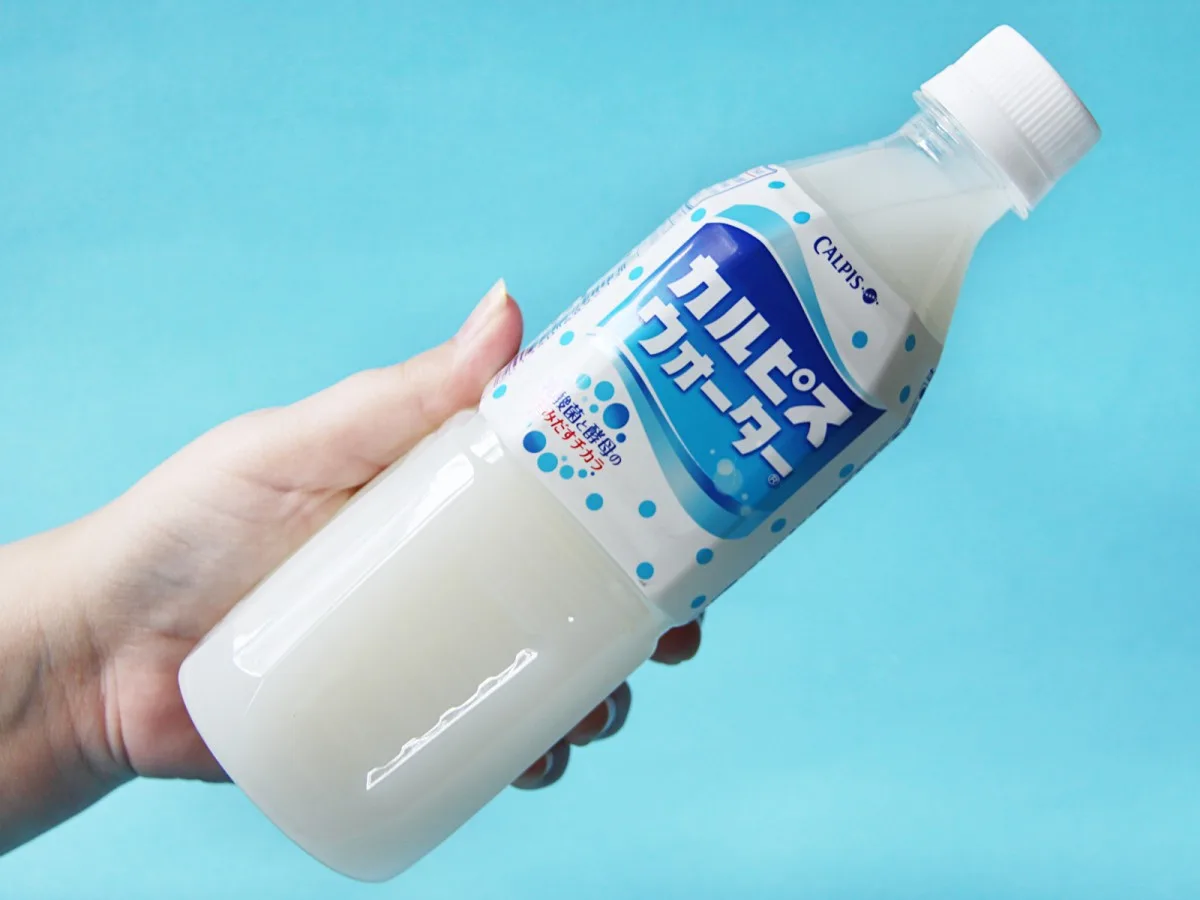


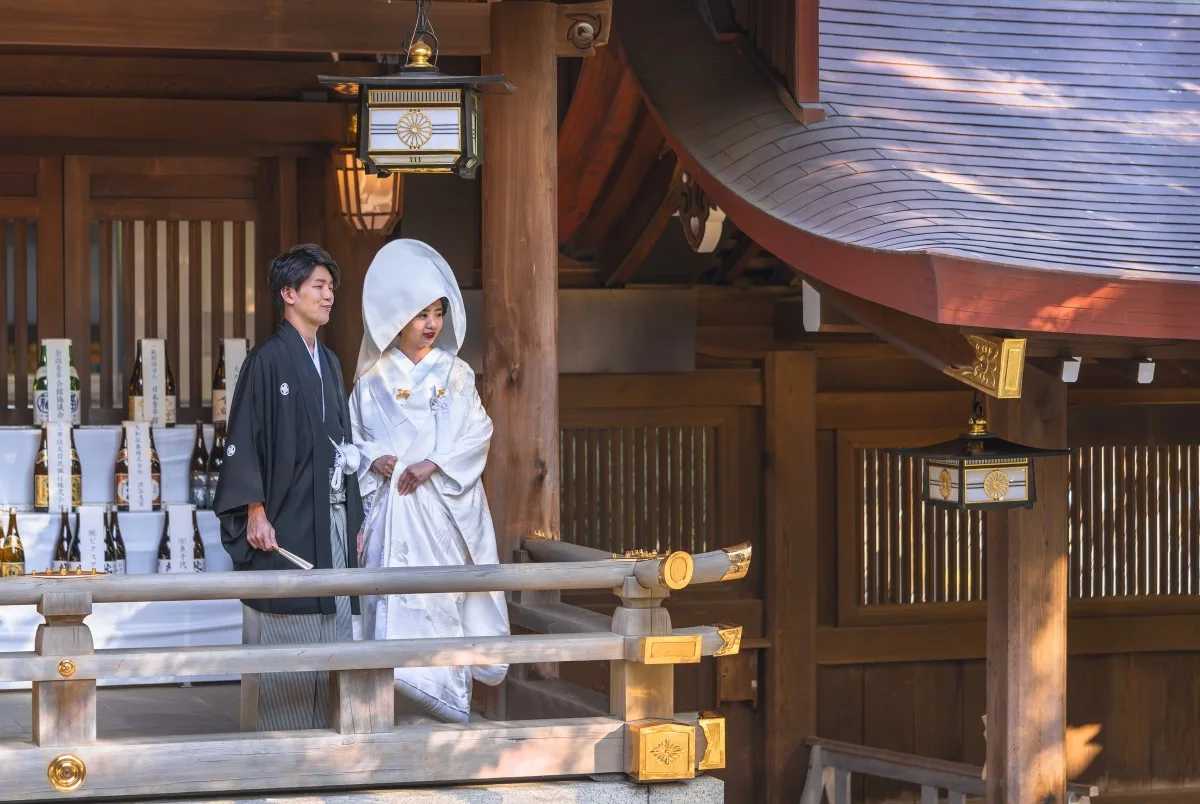











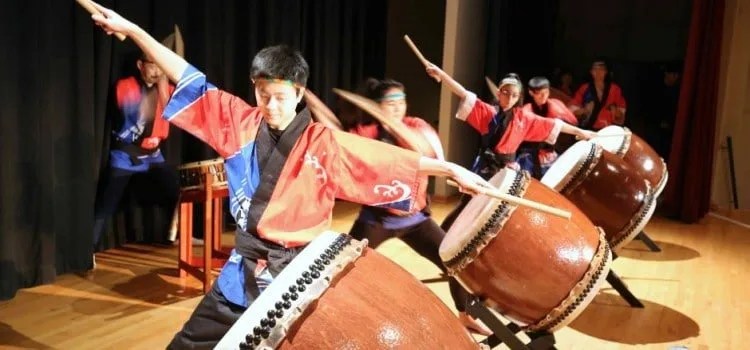


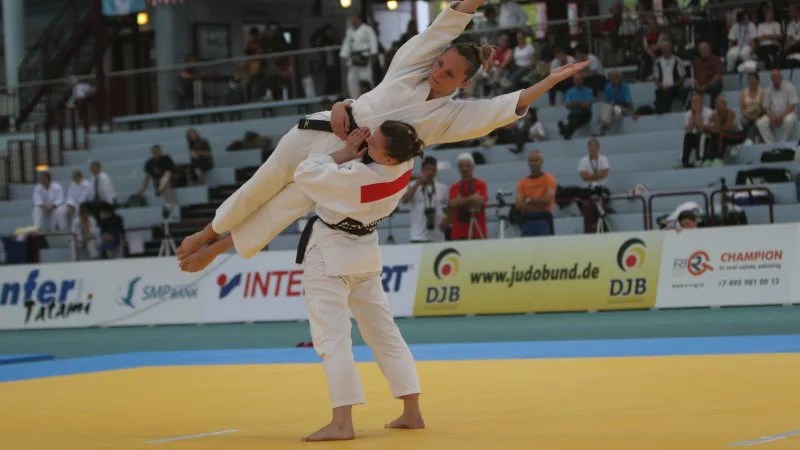

















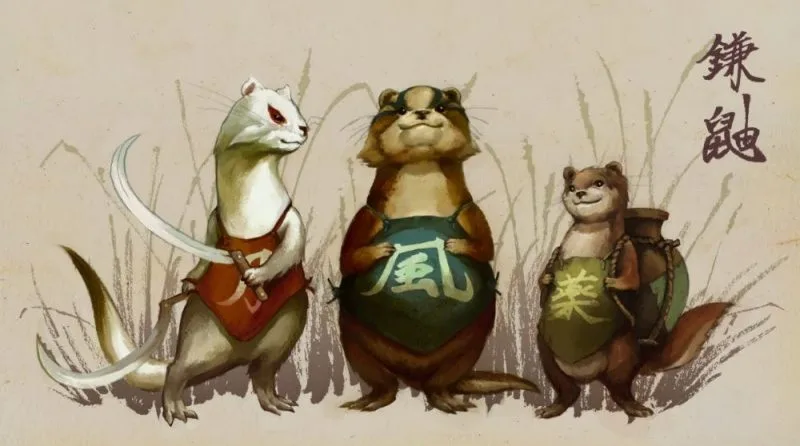
![Animals in Japanese – Doubutsu [動物]](https://i0.wp.com/skdesu.com/wp-content/uploads/2015/01/bichos-em-japones-1.webp?ssl=1 "Names of Animals in Japanese – Doubutsu")



![100 Names of Fruits in Japanese [Kudamono]](https://skdesu.com/wp-content/uploads/2017/03/frutas.webp)