
Have you heard of Hallyu? If you have watched a Korean drama, listened to a song by a Korean band, or made a heart symbol with your fingers, all of this is part of Hallyu. This expression is the name given to the "Korean wave," meaning the increase in cultural visibility worldwide. Although we have noticed that Korean pop culture has been more present in recent years, the term itself has been around for several decades. Let's see how Korean culture has conquered a large part of the world.

Contents 3
How did Hallyu emerge?
Hallyu emerged in the 1990s, when in China and the USA, cultural aspects of South Korea began to gain popularity there. The term was first used by journalists in Beijing who were surprised by the emergence of so many aspects of South Korea in China.
The first to expand outside of South Korea were the K-Dramas. Next came Korean pop music, K-Pop, with the help of YouTube that breaks any cultural barrier. Currently, these aspects are already present in Latin America, the Middle East, North Africa, South Africa, North America, and Europe.
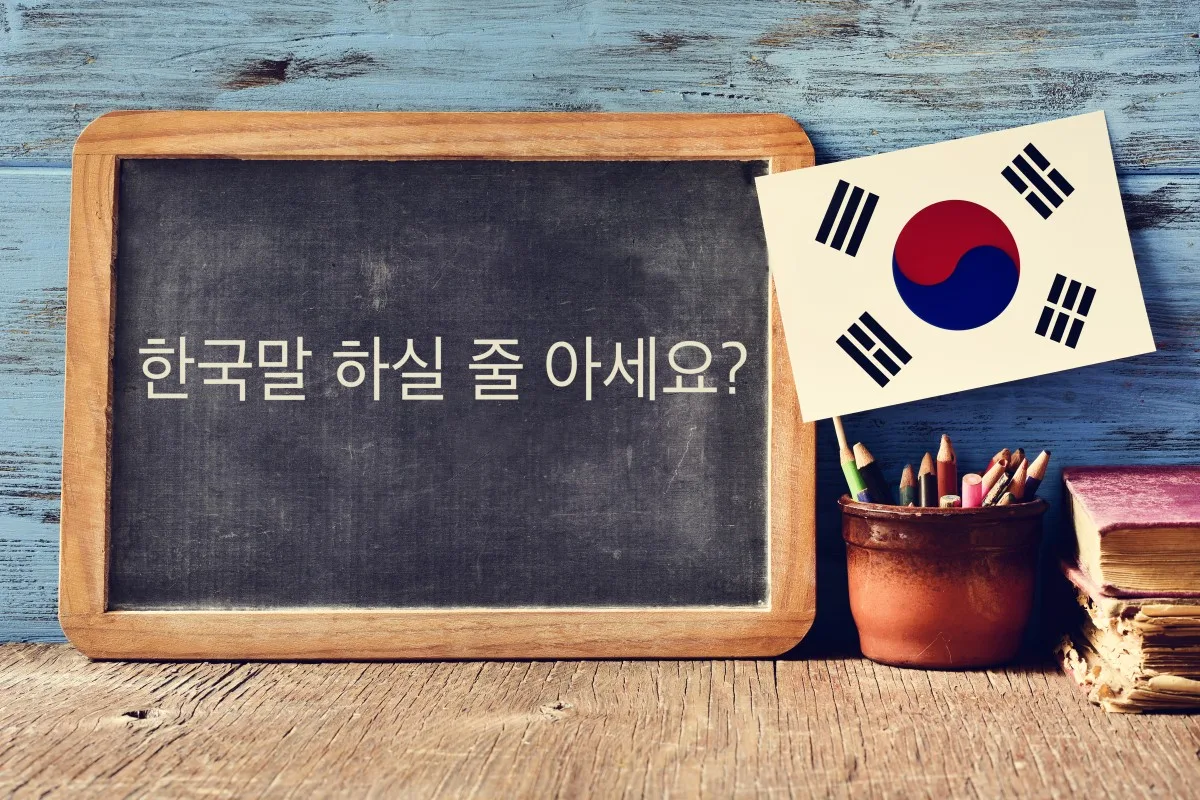
The aspects of Korean culture have left their personal circles and have become sought after by the world; beyond music and dramas, they include their way of dressing (K-Fashion), skincare routines (K-Beauty), Korean food (K-Food), cultural aspects and language (K-Culture), comics (Manhwas), and technology such as automobiles, smartphones, and games.
Hallyu is also a variation of Soft Power, which is basically the influence power of one country over another. Soft Power in Portuguese is ''poder brando'', and the expression comes from Professor Joseph Nye Jr. This applies to various factors beyond cultural and also financial aspects.
It is interesting that this type of "domination" is quite certain because the increase of Korean culture and any other in a given country means money coming in and out. To adopt a part of another culture, one needs to invest in internet, streaming, accessories, online orders, and more. So this factor is healthy for the economy, especially for the place that exports.
The global economy with Hallyu
How much do you think the revenue from pop culture has been in recent years? Well, a specific value is somewhat difficult to give because the value of the dollar always changes, and each country has its consumption level. But the certainty is that this market generates billions of dollars. According to the portal Poder 360, in 2021, the South Korean government invested over 7 billion reais.
Major changes in the South Korean cultural sector have affected the market because with the popularity, the demand for everything related to South Korea has increased. From 2003 to 2018, tourism increased by more than 40%, just from Brazilians going to the country; now imagine the rest of the world?! Something also surprising was the film Parasite, the first South Korean film to be nominated for an Oscar and it won 4 statuettes! The film grossed over 139 million dollars.
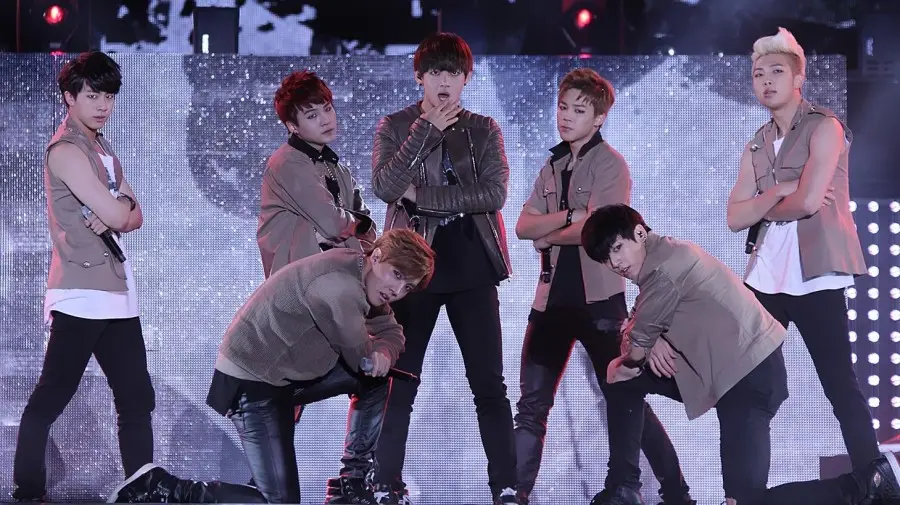
BTS, one of the most famous Korean bands, are among the highest-paid bands in the world. But the South Korean government did not always invest in culture; they began to support music to promote festivals. In 1998, after going through an economic crisis, the government started investing in the creative industry.
The application of the power of Korean culture happens in a very strategic way because as the growth in music and film markets occurs, the involved artists are used to attract more people. For example, most people who visited South Korea in 2019 stated that they went because of the influence of the BTS group and not because of other aspects of the place.
Another example is this same band being chosen due to its international relevance to represent South Korea at the UN (United Nations) to symbolize public diplomacy for future generations and culture. Actresses and other groups also participate in campaigns to promote culture, nature, charity, and other things, and all of this attracts more people to contribute to the global phenomenon of the Korean wave.
Pandemic: a determining factor for the dissemination of Korean pop culture
The COVID-19 pandemic began in 2020, and with the quarantine that caught many by surprise, most people didn't know what to do after staying so many days still. It was during this period that the increase in streaming subscriptions rose, people began taking online courses, and dancing at home as a form of exercise.
It didn't take long to see K-Dramas among the most-watched series on Netflix, an increase in demand for language courses to learn Korean without leaving home, Korean groups becoming the most listened to on music platforms, and even learning the choreographies. Many people's lifestyles changed during the pandemic, and K-pop managed to keep up.

During this period, Brazil ranked third among the largest consumers of K-Dramas in the world. Thailand is in second place, and Malaysia is in first place. Probably these dramas grow so much because of the variety of plots they have; although they have long episodes, there are few episodes. Generally, the cast includes well-known singers and actors and famous actresses, showcasing more details of South Korean culture and other factors.
In an interview for Suki Desu, Stephany Ribeiro, 31, shared her reasons for loving Korean culture: "What stands out to me the most is the respectful way Koreans behave, especially towards the elderly. It is also a country that places extreme value on education." She is among those who began to closely follow Korean culture during the pandemic.
The entrepreneur believes that Hallyu is not a passing trend: "There is still prejudice against K-pop that will pass as soon as people recognize how talented they are. It is a rising culture." Stephany is a lettering artist and works with custom items, and one of her first impressions was a mug that showed her love for pop culture.

What catches your attention the most in South Korean culture?



Community
Comments
0 comments
There are no published comments in this language yet.
Send comment