
Credit cards are often one of the most practical things you can take on a trip, but Japan follows its own rhythm. Anyone visiting the country notices quickly that cash is still a big part of everyday life there.
That does not mean you should travel without a card. In big cities, hotels, large chains, and many daily purchases, a good credit card can be very useful.
Japan combines modern life and tradition in a way that is becoming rare in many countries. You can feel that balance even when it is time to pay.
If you want to know whether a credit card is really worth bringing to Japan, and when cash still wins, this guide will help.
Contents 6
Paying in Japan: tradition and modernity
As we said, Japan is a country where tradition and modern life coexist in many parts of daily life, including money.
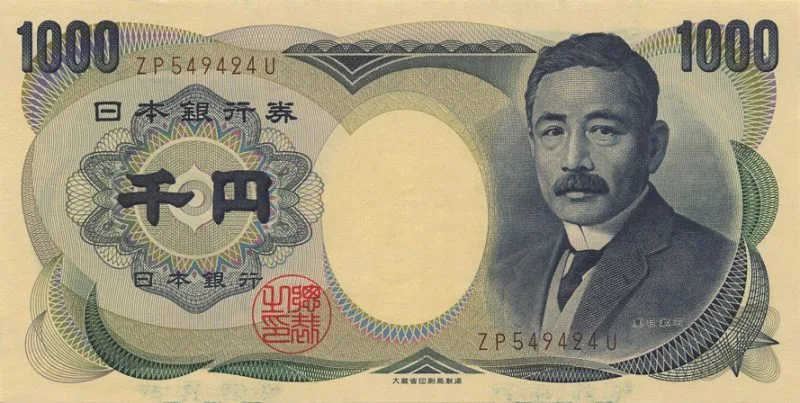
The official Japanese currency is the yen. It has been in use since the 19th century and has survived wars, economic crises, and other shocks that can shake a nation's currency.
Because of that, cash is still deeply connected to everyday habits and national identity.
That does not mean Japan lacks modern payment methods. It is, after all, a modern country with one of the largest economies in the world.
Are credit cards allowed in Japan?
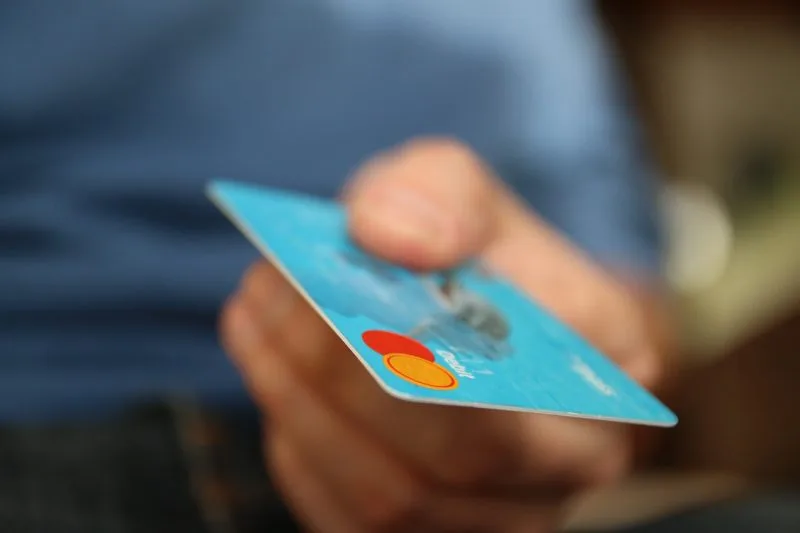
Yes. Credit cards are allowed in Japan. They are simply not the most widely used payment method in the country.
In many shops, stickers at the door or checkout show which cards are accepted. Major international networks are usually available in cities, hotels, and larger restaurants.
If you are planning a trip, it is worth checking your bank's fees and your card's acceptance before you leave. If you want to compare options, take a look at our article about credit cards in Japan.
What payment method is most accepted in Japan?
Cash is still the most widely accepted payment method in Japan. That is especially true in vending machines, small shops, ticket machines, and many convenience stores.
Even some temples and smaller attractions still prefer cash. Credit cards are more common in larger stores, hotels, and restaurants with table service.
If you travel with only a card, some situations can feel inconvenient. A small amount of cash usually makes the trip much smoother.
Should I bring a credit card to Japan?
Yes, in most cases it is a good idea. In large cities especially, a credit card is a safe and convenient backup to cash.
Carrying less cash also lowers the risk of theft or loss. At the same time, a card helps you keep larger expenses under control.
For Brazilian travelers, the IOF tax is another point to remember on card purchases abroad. Before you travel, check your bank's fees and how currency conversion works.
Is it worth using a credit card in Japan?
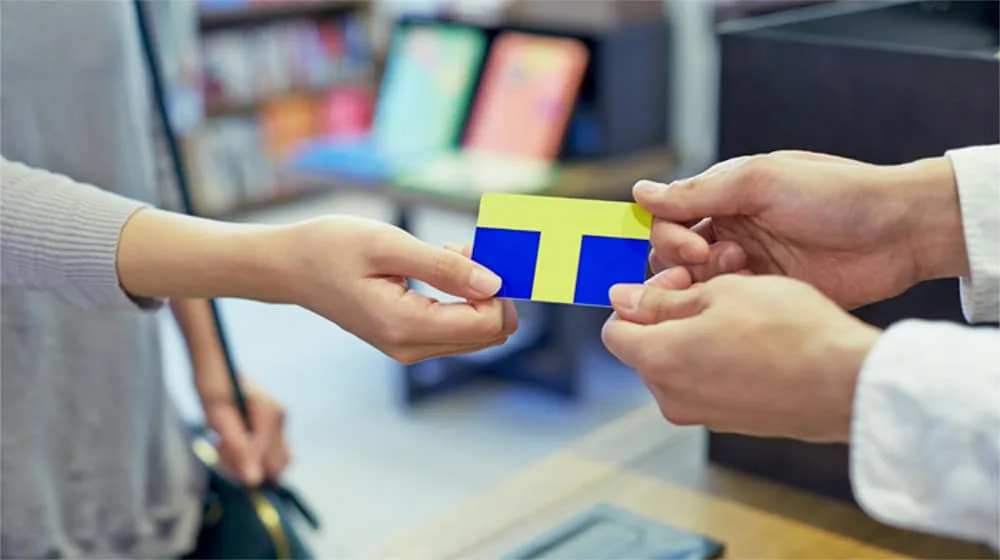
The biggest advantage of using a credit card in Japan is safety. You do not need to walk around with a lot of cash, and larger expenses are easier to track.
Depending on the card, the final amount may be converted right away or only on the billing date in your home currency. That can affect the total if exchange rates move.
The key is to use the card wisely and not put everything on credit. A balanced mix of cash and card is often the most comfortable option in Japan.

Enjoy your trip
Japan may be more traditional when it comes to payments than many other countries, but that does not make travel difficult. In fact, knowing when to use cash and when to use a card can make your trip much easier.
China, for example, shows how far digital payments can go with QR codes and wallet apps. Japan still stays closer to its cash habits, without completely rejecting modern payment methods.
And you: would you travel to Japan with cash, card, or both?




Community
Comments
0 comments
There are no published comments in this language yet.
Send comment