
In Japan, almost every store, supermarket, and retail chain offers a customer loyalty card known as a Pointo Kādo (ポイントカード). When you make a purchase, these cards generate points that can be redeemed for discounts or products on future visits. Anyone who shops regularly in Japanese retail encounters the familiar question at checkout: Pointo kādo wa o-mochi desu ka? (Do you have a point card?).
Collecting points is so pervasive in Japanese society that it has its own cultural label: Poi-katsu (ポイ活), short for point activities. Consumers actively strategize where to buy groceries, fill up gas, pay utility bills, or book hotels to maximize rewards. With the right approach, these points translate into genuine household savings.
In this guide, we break down how Japanese point cards work, their historical origins, and detailed overviews of the major nationwide ecosystems, regional transit cards, and digital rewards programs.
Contents 22
The World of Loyalty Point Cards in Japan
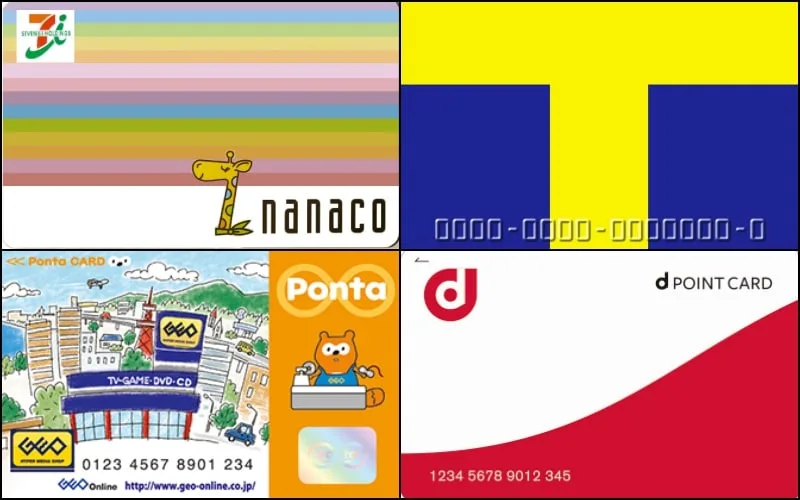
In countries like Brazil, shoppers entering large department stores like Americanas or Riachuelo are constantly invited to apply for store credit cards. In Japan, retail staff instead invite you to register for a Pointo Kādo. This habit explains why many people in Japan carry thick wallets stuffed with colorful cards representing drugstores, convenience stores, and electronics retailers.
Some retailers operate private closed-loop cards, while others join nationwide multi-partner networks accepted across thousands of different brands. Each program sets its own earning formula, but the standard baseline across Japan awards 1 point for every 100 yen or 200 yen spent. In most retail transactions, each accumulated point equals approximately 1 yen when paying at the register.
Beyond standard retail, specialized venues such as Internet Cafés and Manga Kissa routinely require registration on your first visit, issuing a dedicated membership card that doubles as a point card for hourly booth discounts.
How to Get and Use a Point Card

Obtaining a point card is usually quick and straightforward. Physical cards can be picked up directly at cashier counters, particularly in convenience stores, supermarkets, and drugstores. Many cards are free of charge, though some electronic prepaid cards, such as Nanaco, carry a 300 yen issuance fee when requested as physical plastic. Today, nearly every major program offers a free mobile smartphone app, allowing you to bypass physical cards entirely.
To earn points, simply present your physical card or the barcode on your smartphone app before paying, whether you settle the bill with cash, a credit card, or a train pass. When you want to spend accumulated points, notify the clerk before completing payment by stating how many points you wish to apply. Some shoppers prefer using points immediately on every purchase, while others accumulate them for larger seasonal purchases or campaign discounts.
Keep in mind that points usually carry an expiration window, typically expiring one year from your last activity or after a fixed calendar period. Many chains hold double-point days, bonus stamp rallies, or app coupons that offer substantial savings if monitored regularly.
The History of Point Cards in Japan
Customer loyalty mechanisms in Japan trace back more than a century. In 1916, the Kuga Gofukuten dry-goods merchant in Kitakyushu introduced mechanical coupon cards for patrons. Later, in 1928, confectioner Ezaki Glico distributed heart-shaped prize stamps with its candies. By the late 1950s and 1960s, programs like Green Stamp (1958) and Blue Chip (1962) standardized trading stamp booklets across Japanese grocers, creating the foundation for electronic customer cards.
The tradition of physical collection also connects culturally with Japanese stamp rallies, known as sutanpu, widely seen at railway stations and shrines.
What Is the Real Purpose of Pointo Kado?
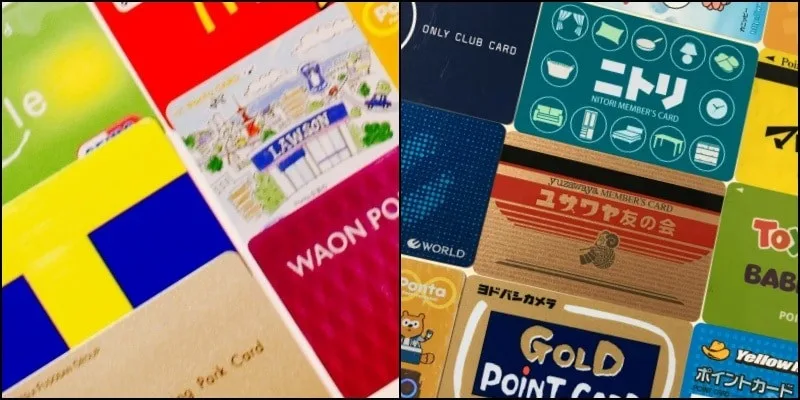
While consumers view point cards as a path to direct discounts, their commercial objective is customer retention. Rewarding buyers with points encourages repeat visits to the same franchise instead of walking to a competitor down the street.
Crucially, point cards serve as a vital market research and demographic data collection tool. By tracking purchase histories linked to member profiles, retail corporations analyze consumption trends, optimize shelf stocking, and design personalized marketing promotions.
Nanaco: The Point Card from Seven & i Holdings
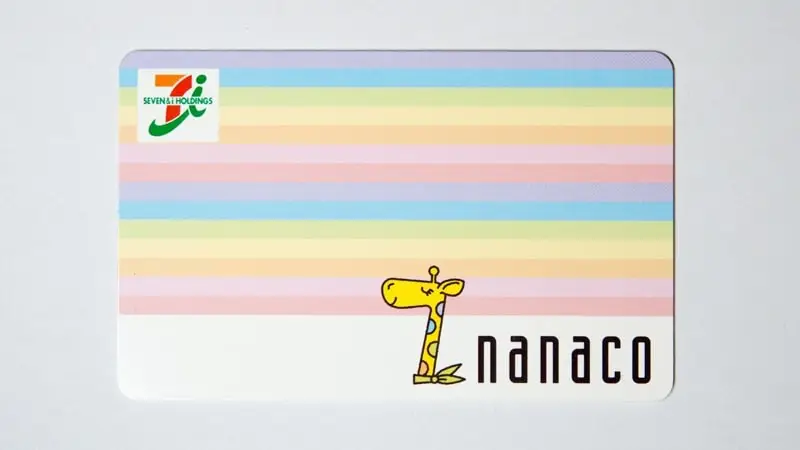
Nanaco was launched in 2007 by Seven & i Holdings, the retail conglomerate behind 7-Eleven, Ito-Yokado department stores, York-Benimaru, and Denny's family restaurants. Nanaco functions as both a loyalty point card and a contactless prepaid electronic money card powered by Sony FeliCa technology.
Cardholders earn 1 point for every 200 yen spent across affiliated establishments. Points can be converted back into electronic money balance to pay for merchandise. In addition, credit-linked versions provide post-payment integration via the QUICPay contactless standard. Physical Nanaco cards require an initial 300 yen fee, but creating a digital card on Apple Wallet or the Nanaco mobile app is completely free.
T-Point and the Transition to V-Point

T-Point was launched in 2003 by Culture Convenience Club (CCC), the operator of the popular Tsutaya media and bookstore chain. For two decades, T-Point was the undisputed pioneer of common multi-store loyalty programs in Japan, recognizable by its blue logo with a bold yellow letter T.
Traditionally used at Tsutaya, FamilyMart, Welcia drugstores, and Eneos gas stations, the network underwent a monumental transformation. On April 22, 2024, T-Point formally merged with Sumitomo Mitsui Financial Group (SMBC) to create the unified V-Point, known colloquially as the Blue and Yellow V-Point (Ao to Kiiro no V-Point). Today, existing T-Cards and mobile apps continue to operate within this expanded network, allowing users to earn and spend points across both traditional retail partners and global Visa merchants. Meanwhile, SoftBank transitioned its primary telecom loyalty partnership to PayPay Points, and convenience stores like FamilyMart now offer multi-point terminals accepting V-Points, Rakuten Points, and d Points.
Ponta: Loyalty Program from Lawson and Partners
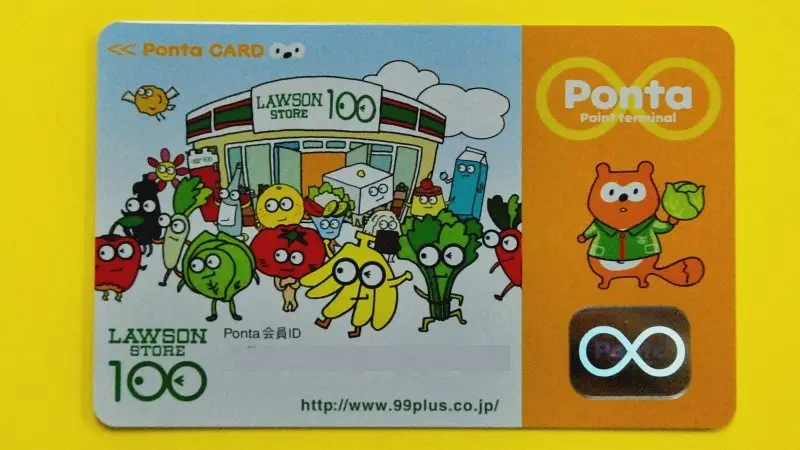
Ponta is operated by Loyalty Marketing and is widely recognized by its cheerful orange mascot, Ponta the Tanuki. Ponta's main brick-and-mortar home is the Lawson convenience store chain, complemented by extensive partnerships across Recruit services, including Jalan hotel bookings and Hot Pepper Gourmet.
Ponta cardholders earn 1 point for every 100 or 200 yen spent. A famous highlight among Japanese shoppers is the Loikatsu system. Cardholders use Ponta points at Lawson in-store Loppi terminals to exchange points for trial coupons, effectively doubling or tripling point purchasing power for drinks and snacks. Ponta points can also be exchanged for Japan Airlines (JAL) frequent flyer miles, making it a favorite among travelers.
d Point: The Rewards System from NTT Docomo
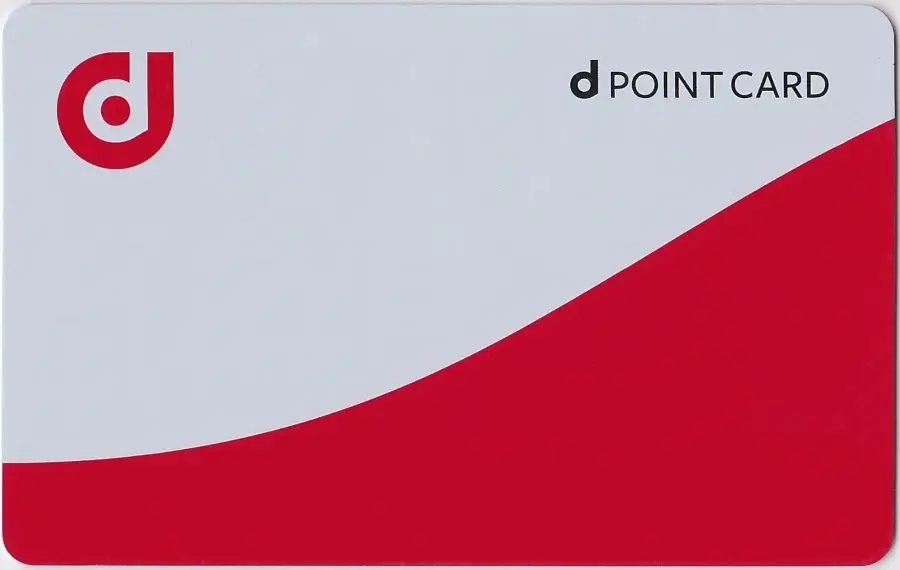
d Point is the comprehensive rewards network established by NTT Docomo, Japan's largest mobile telecommunications carrier. While backed by a telecom giant, anyone can register for free; you do not need a Docomo mobile contract to join.
Featuring the endearing yellow Po-inko bird mascots, d Point has massive nationwide acceptance at Lawson, McDonald's, Takashimaya department stores, Matsumoto Kiyoshi drugstores, and thousands of dining venues. Standard transactions earn 1 point per 100 yen, and members benefit from tier levels that unlock multiplier campaigns and seasonal bonus point promotions.
WAON: The Point System from AEON and Ministop
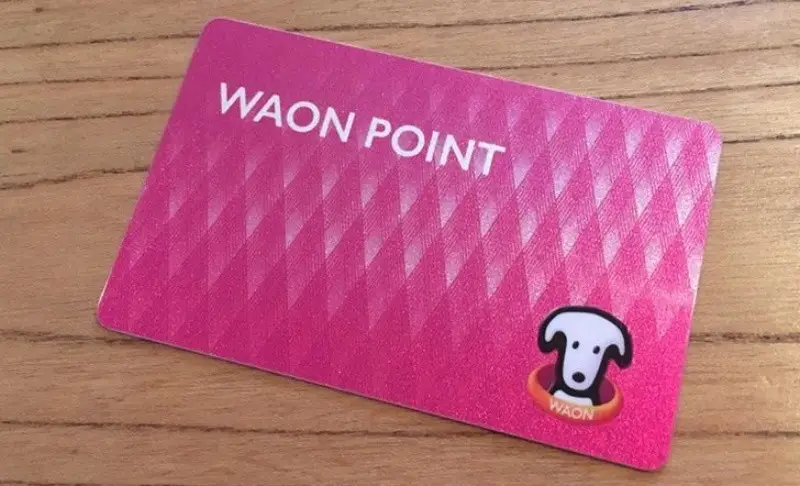
WAON is the contactless electronic money and loyalty system managed by retail giant AEON. The card is famous for its white canine mascot and the cheerful dog bark sound, Waon!, emitted by checkout terminals whenever a payment is registered.
WAON is ubiquitous across AEON supermarkets, AEON Malls, Ministop convenience stores, and MaxValu groceries. Customers typically earn 1 point for every 200 yen spent, with 1 point converting to 1 yen of balance. Frequent shoppers at AEON benefit from designated monthly appreciation days that grant instant 5% discounts or quintuple bonus points.
Rakuten Points and Rakuten Edy
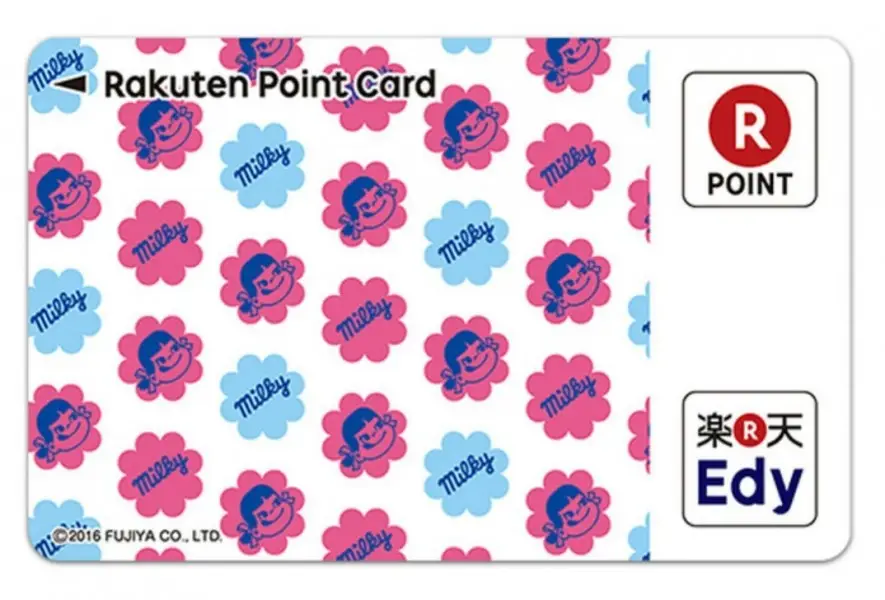
Rakuten Point is widely considered one of the most rewarding ecosystems in Japan due to the breadth of the Rakuten Keizaiken (Rakuten Economic Zone). Points earned online through Rakuten Ichiba marketplace, Rakuten Travel, and Rakuten Books flow seamlessly into offline retail via physical barcode cards or smartphone apps.
Offline, Rakuten Points are accepted at FamilyMart, Joshin, Bic Camera, Mister Donut, and major drugstore chains. When paired with Rakuten Edy contactless electronic money or the Rakuten Card credit line, earning rates compound substantially through Super Point Up (SPU) multipliers and periodic shopping marathon campaigns.
Tokyu Card and Tokyu Points
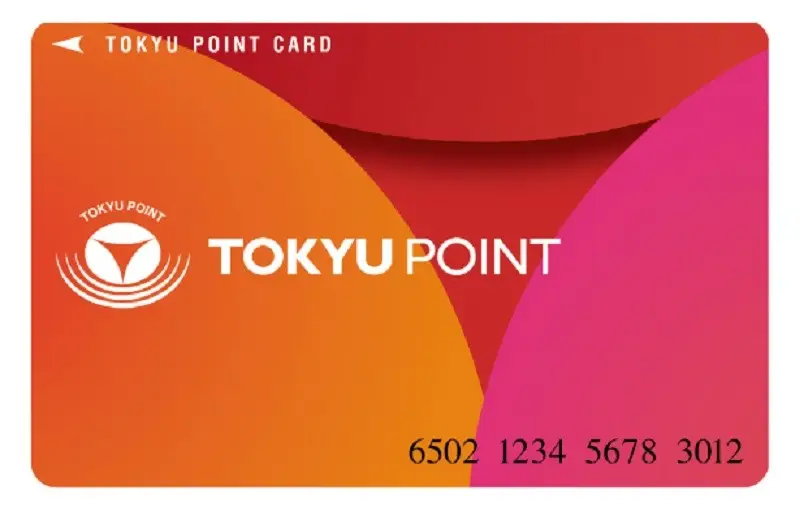
Tokyu Card caters primarily to residents and commuters along the Tokyu Railway network connecting central Tokyo, Shibuya, and Yokohama. The accompanying Tokyu Point program integrates transit passes with department store retail, Tokyu Store supermarkets, and lifestyle shopping.
Using the card across Tokyu retail establishments provides point returns ranging from 1% to 3%, with higher rates applied during special promotional weekends. For daily commuters living along Tokyu train corridors, it represents a practical regional consolidation of transit and grocery rewards.
Local and Regional Point Cards
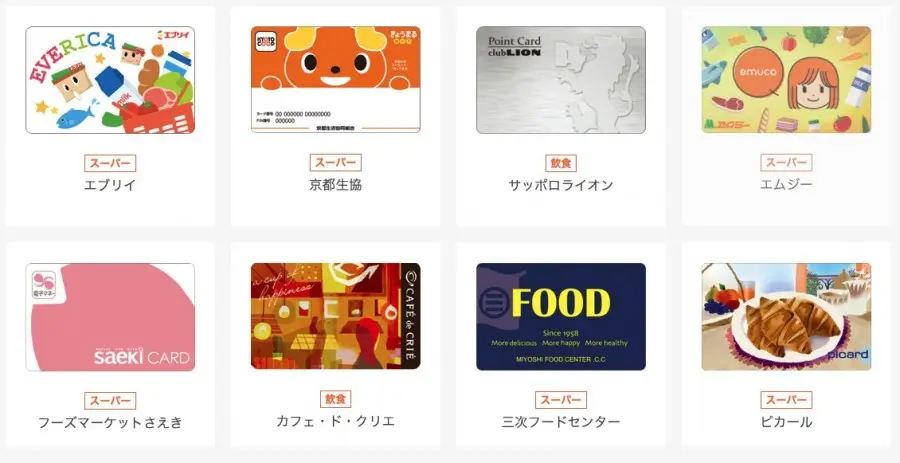
Alongside major national conglomerates, hundreds of regional retail associations and traditional covered shopping streets (shotengai) maintain independent point networks. These local cards encourage residents to shop at neighborhood fishmongers, bakeries, produce stands, and regional supermarket cooperatives.
While local cards cannot be spent nationwide, they frequently offer higher community rebate rates, seasonal lottery tickets, and personalized neighborhood discounts that national chains do not match.
IC Cards: Transit Cards and Electronic Money Compared
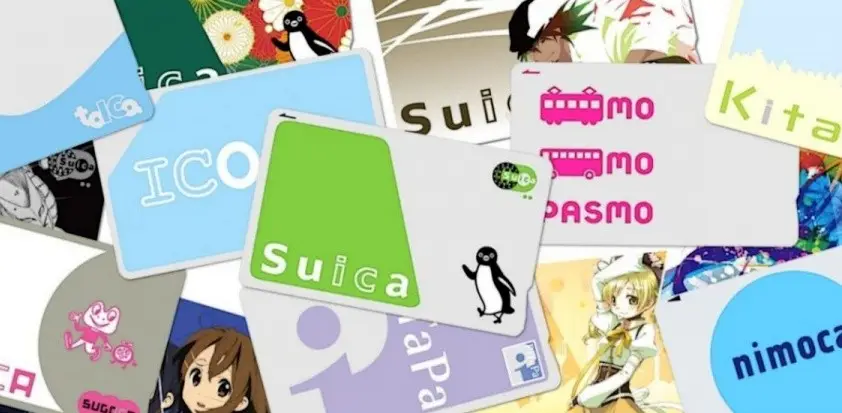
Japan's contactless transit cards, such as Suica, Pasmo, and ICOCA, are fundamentally rechargeable electronic money instruments rather than standalone point cards. However, their widespread acceptance in convenience stores, station kiosks, and vending machines makes them central to daily expenditure.
When preparing travel funds or reviewing how to take money to Japan, travelers often rely heavily on IC cards for cashless convenience. When registered in modern digital accounts, transit IC cards can also accumulate loyalty points on daily train rides and station shopping.
JRE Card and JRE POINT
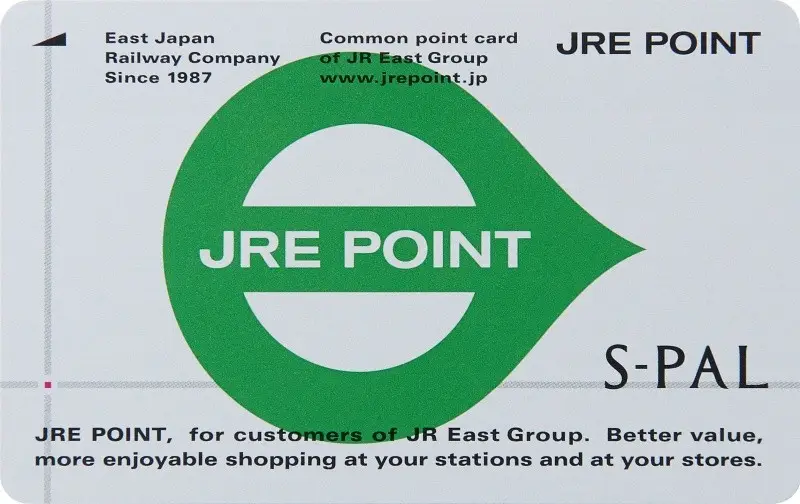
Operated by East Japan Railway Company (JR East), JRE POINT combines railway commuting rewards with shopping at station shopping centers such as Atre, Ecute, and Gransta. By registering a registered Suica card to a JRE POINT account, commuters automatically earn points when riding JR East trains and renewing commuter rail passes.
Carrying a dedicated JRE Card credit card boosts earning rates up to 3.5% at affiliated station shopping complexes. Accumulated points can be topped directly back onto your Suica card balance as spendable train fare.
OP Point Card: Rewards on the Odakyu Network
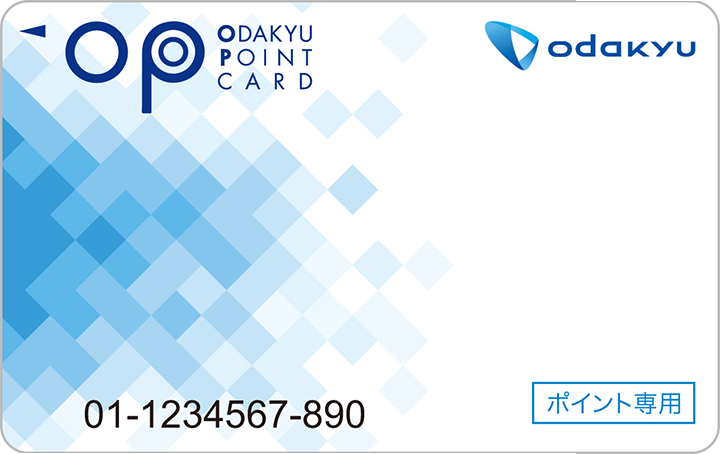
The OP Point Card (Odakyu Point Card) serves passengers and shoppers along the Odakyu Electric Railway corridor linking Shinjuku to Hakone and Enoshima. Cardholders accumulate points on Odakyu Romancecar express tickets, Odakyu Department Stores, and affiliated station bakeries like Hokuo.
Points can be redeemed for travel packages, leisure dining, cultural admissions, or directly offset against merchandise purchases within Odakyu group facilities.
Izutsuya With Club Card

The Izutsuya With Club Card is the dedicated membership program for the prestigious Izutsuya department store chain, established in Kitakyushu and serving customers across Fukuoka, Oita, and Yamaguchi prefectures.
The card awards points on department store apparel, cosmetics, gourmet food halls, and gift vouchers. Reaching 1,000 points generates shopping vouchers redeemable across all Izutsuya boutique branches.
KIPS Card: Kintetsu Railway Group
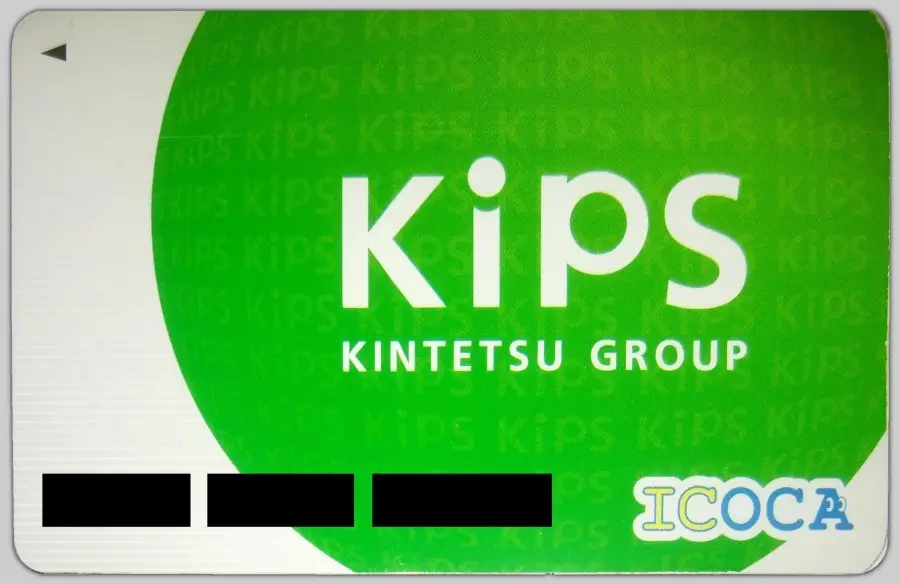
The KIPS Card is issued by the Kintetsu Group, one of Japan's largest private railway networks connecting Osaka, Kyoto, Nara, Mie, and Nagoya. KIPS cards are available in prepaid IC configurations (such as KIPS ICOCA) and credit card formats.
Cardholders earn approximately 1 point for every 200 yen spent at Kintetsu Department Stores, station retail plazas, and affiliated hotels. The card provides specialized benefits for commuters and travelers exploring the Kansai and Tokai regions.
Oki Doki Points from JCB
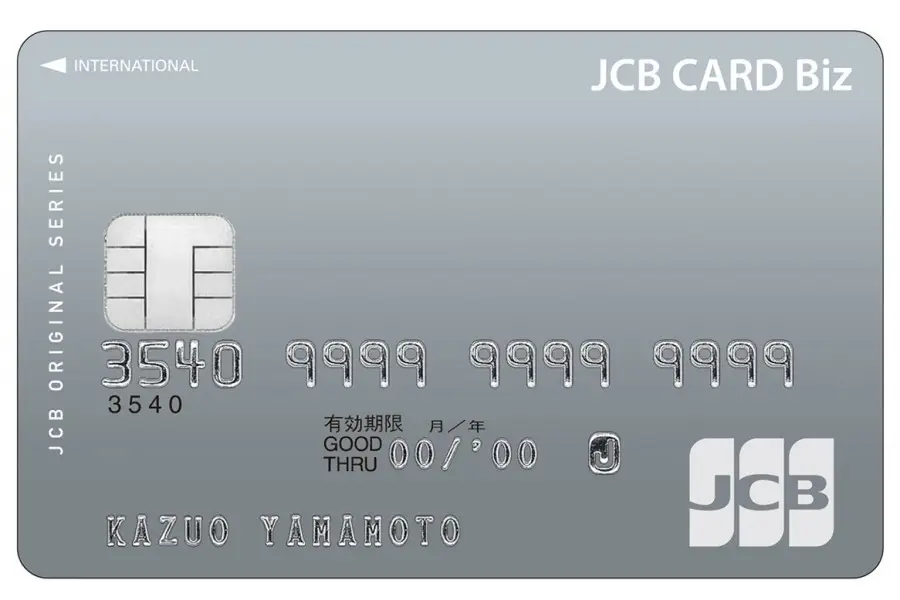
Oki Doki Points is the flagship loyalty program for cardholders of JCB, Japan's domestic credit card brand. For standard purchases, cardholders accumulate 1 point for every 1,000 yen charged to the card.
While the initial earning ratio sounds modest, JCB points carry versatile redemption values. Through the Oki Doki Land online shopping portal, points earn double or triple rates. Furthermore, JCB points can be registered directly into an Amazon Japan account to pay for orders at a valuation of approximately 3.5 yen per point. Frequent cardholders qualifying for JCB Star Members receive annual bonus tiers increasing earnings by up to 70%.
World Present and the SMBC Rewards System

World Present was the legacy points program operated by Sumitomo Mitsui Banking Corporation (SMBC) and Sumitomo Mitsui Card Company. Historically awarding points for credit card expenditures and banking transactions, the program has evolved to become fully integrated into the modern V-Point network.
For customers maintaining bank accounts, mortgages, or credit cards with SMBC, points accumulate across daily card purchases and can be redeemed for bill credits, gift certificates, or consolidated directly into mobile V-Point balances.
LINE Points and the LINE App

Operated by Japan's dominant messaging platform, LINE Points provide digital rewards that can be used directly inside the LINE ecosystem. Users accumulate points through LINE Pay mobile purchases, online shopping referrals, and promotional brand interactions.
Points can be spent purchasing sticker packs, reading chapters on LINE Manga, or applied as monetary balance when paying at partner merchants through QR code scans.
W-Point from Watari
The W-Point Card is a regional shared point system operated by Watari Co., Ltd., centered primarily in the Chugoku region of western Japan. Accumulated points can be exchanged for cash rebates, merchandise catalogs, or loaded onto electronic money cards at participating partner stores.
Practical Tips: How to Make the Most of Point Cards in Japan
Navigating dozens of loyalty cards can feel overwhelming at first glance. Whether you live in Japan or are visiting for an extended trip, the best strategy is simple: avoid hoarding every plastic card offered to you. Instead, focus on one or two major ecosystems that align directly with your daily shopping habits.
If you live near a Lawson, install Ponta or d Point on your smartphone to take advantage of convenience store promotions. If your neighborhood is anchored by 7-Eleven, Nanaco is the natural choice. For frequent online shoppers, Rakuten Points deliver the highest overall flexibility across both web purchases and brick-and-mortar stores. Download the official smartphone apps to keep your wallet slim, monitor point expiration dates, and enjoy effortless savings throughout Japan.



Community
Comments
0 comments
There are no published comments in this language yet.
Send comment