
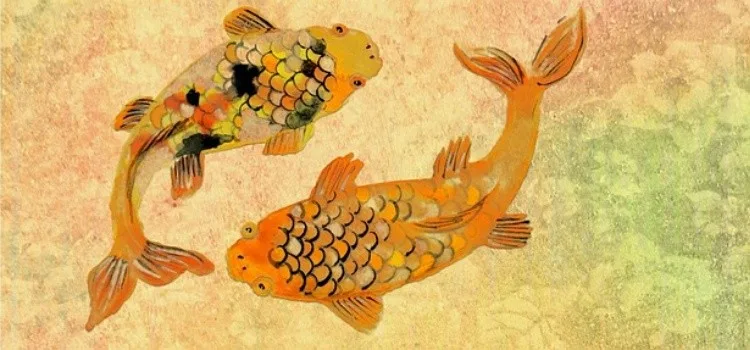
Japan is a country surrounded by waters, with a rich history and culture closely linked to the ocean. With a diet based on seafood, the Japanese have developed a broad and diverse vocabulary related to fish.
The terms below cover that vocabulary by category, starting with the word for fish itself, 魚 (さかな, Sakana). If you are building your basic vocabulary first, the guide to names of animals in Japanese is a good place to start.
Contents 13
How to Say Fish in Japanese
Japanese often has several words for the same thing. The words below are some of the terms used to talk about fish in Japanese:
魚 (さかな, Sakana) - Fish
The most common word for "fish" in Japanese is 魚 (さかな, Sakana). This word is used both to refer to fish in general and to a specific fish, depending on the context.
The kanji 魚 is a pictograph, originally a drawing of a fish.
魚類 (ぎょるい, Gyorui) - Fish (as a group)
When referring to fish as a group, we can use the word 魚類 (ぎょるい, Gyorui). This word is useful when talking about a variety of species of fish or about fish in general.
Other Ways to Say Fish
海の幸 (うみのさち, Umi no sachi) - Literally means "blessings of the sea," used to refer to seafood, including fish, shellfish, and other edible marine animals.
水生動物 (すいせいどうぶつ, Suisei dōbutsu) - Refers to aquatic animals in general, including fish, but also encompasses other living beings that inhabit water, such as amphibians, crustaceans, and mollusks.
魚介類 (ぎょかいるい, Gyokairui) - Refers to seafood in general, including fish, crustaceans, and mollusks.
海産物 (かいさんぶつ, Kaisanbutsu) - Refers to marine products, which can include fish and other seafood, as well as seaweed and other marine resources.
魚屋 (さかなや, Sakana-ya) - Means "fish shop" or "fishmonger," where fish and other seafood are sold.
Fish Vocabulary in Japanese
Now let's look at some words in Japanese related to fish. For the vocabulary of cooking and preparation, see names and types of meats and fish in Japanese.
Parts of a Fish:
- 魚の頭 (さかなのあたま, Sakana no atama) - Fish head
- 鱗 (うろこ, Uroko) - Scales
- 背鰭 (せびれ, Sebire) - Dorsal fin
- 腹鰭 (はらびれ, Harabire) - Pelvic fin
- 尾鰭 (おびれ, Obire) - Caudal fin
Fish at Different Stages of Growth:
- 幼魚 (ようぎょ, Yōgyo) - Juvenile fish
- 稚魚 (ちぎょ, Chigyo) - Fry or larval fish
- 成魚 (せいぎょ, Seigyo) - Adult fish
Specific Species of Fish:
- 鯖 (さば, Saba) - Mackerel
- 鰹 (かつお, Katsuo) - Bonito (skipjack tuna)
- 鯵 (あじ, Aji) - Japanese horse mackerel
- 鰈 (かれい, Karei) - Flounder
- 鰯 (いわし, Iwashi) - Sardine
Other Fish-Related Words:
- 水族館 (すいぞくかん, Suizokukan) - Aquarium
- 漁業 (ぎょぎょう, Gyogyo) - Fishing industry
- 漁師 (りょうし, Ryōshi) - Fisherman
- 魚市場 (うおいちば, Uoichiba) - Fish market
Types and Species of Fish in Japanese
Types of Fish:
- 硬骨魚類 (こうこつぎょるい, Kōkotsugyorui) - Bony fish
- 軟骨魚類 (なんこつぎょるい, Nankotsugyorui) - Cartilaginous fish
- 熱帯魚 (ねったいぎょ, Nettai-gyo) - Tropical fish
- 淡水魚 (たんすいぎょ, Tansui-gyo) - Freshwater fish
- 海水魚 (かいすいぎょ, Kaisui-gyo) - Saltwater fish
- 飛魚 (とびうお, Tobiuo) - Flying fish
- 深海魚 (しんかいぎょ, Shinkaigyo) - Deep-sea fish
- 外来魚 (がいらいぎょ, Gairaigyo) - Exotic or invasive fish
Species of Fish:
- 鮭 (さけ, Sake) - Salmon
- 鯛 (たい, Tai) - Red seabream
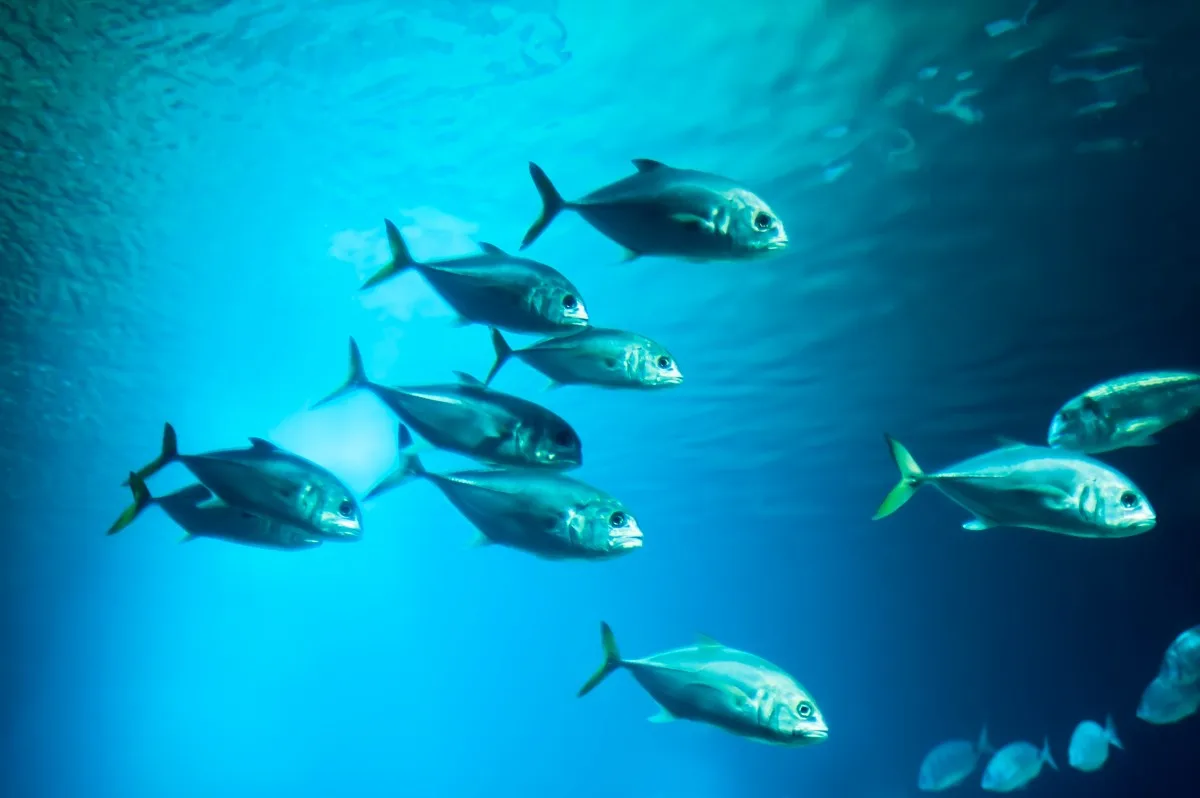
- 鰤 (ぶり, Buri) - Japanese amberjack (yellowtail)
- 鯖 (さば, Saba) - Mackerel
- 鰹 (かつお, Katsuo) - Bonito (skipjack tuna)
- 鯵 (あじ, Aji) - Japanese horse mackerel
- 鰈 (かれい, Karei) - Flounder
- 鰯 (いわし, Iwashi) - Sardine
- 鱸 (すずき, Suzuki) - Japanese sea bass
- 鮪 (まぐろ, Maguro) - Tuna
- 鮎 (あゆ, Ayu) - Sweetfish (ayu)
- 鰻 (うなぎ, Unagi) - Eel
- 鱚 (きす, Kisu) - Japanese whiting
- 鰊 (にしん, Nishin) - Herring
- 鯔 (ぼら, Bora) - Mullet
- 鮫 (さめ, Same) - Shark
- 鱶 (ふか, Fuka) - Large shark, the kind used for shark fin
- 鯱 (しゃち, Shachi) - Orca
- 鰐 (わに, Wani) - Crocodile
- 鮟鱇 (あんこう, Ankou) - Anglerfish
- 平政 (ひらまさ, Hiramasa) - Yellowtail kingfish
- 鯨 (くじら, Kujira) - Whale
- 鰆 (さわら, Sawara) - Japanese Spanish mackerel
- 鯰 (なまず, Namazu) - Catfish
- 真鯛 (まだい, Madai) - Japanese red seabream
- 鮃 (ひらめ, Hirame) - Olive flounder
- 鰰 (はたはた, Hatahata) - Japanese sandfish
- 鰌 (どじょう, Dojou) - Loach
- 鱒 (ます, Masu) - Trout
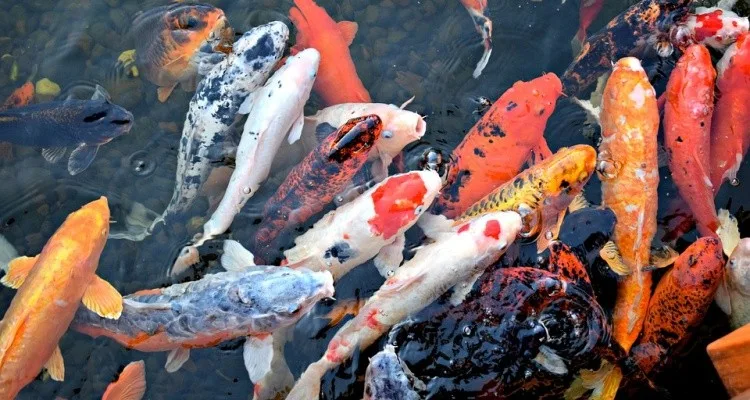
- 鯉 (こい, Koi) - Carp
Other Aquatic Beings:
- 貝 (かい, Kai) - Shellfish
- 海老 (えび, Ebi) - Shrimp
- 蟹 (かに, Kani) - Crab
- イカ (いか, Ika) - Squid
- タコ (たこ, Tako) - Octopus
- クラゲ (くらげ, Kurage) - Jellyfish
- マンボウ (まんぼう, Manbou) - Ocean sunfish
- ネンブツダイ (ねんぶつだい, Nenbutsudai) - Cardinalfish
- ダツ (だつ, Datsu) - Needlefish
- ナンヨウハギ (なんようはぎ, Nanyouhagi) - Palette surgeonfish (blue tang)
- クリオネ (くりおね, Kurione) - Clione, also known as sea angel
- アワビ (あわび, Awabi) - Abalone
- サンゴ (さんご, Sango) - Coral
- ウミウシ (うみうし, Umiushi) - Nudibranch
- ウミガメ (うみがめ, Umigame) - Sea turtle
- ウミヘビ (うみへび, Umihebi) - Sea snake
- イルカ (いるか, Iruka) - Dolphin
- マナティ (まなてぃ, Manati) - Manatee
- ペンギン (ぺんぎん, Pengin) - Penguin
- ウツボ (うつぼ, Utsubo) - Moray eel
- オットセイ (おっとせい, Ottosei) - Northern fur seal
- アザラシ (あざらし, Azarashi) - Seal
- ミズクラゲ (みずくらげ, Mizukurage) - Moon jellyfish
- ウミユリ (うみゆり, Umiyuri) - Sea lily
- ウミタナゴ (うみたなご, Umitanago) - Surfperch
Some fish carry different names depending on their age and region. These are called 出世魚 (しゅっせうお, shusseuo). In eastern Japan, young buri are called inada, and the fish receives the name buri when it is fully grown. For a look at which fish appear most often on Japanese tables, see the list of the ten most consumed types of fish in Japan.


Community
Comments
0 comments
There are no published comments in this language yet.
Send comment