
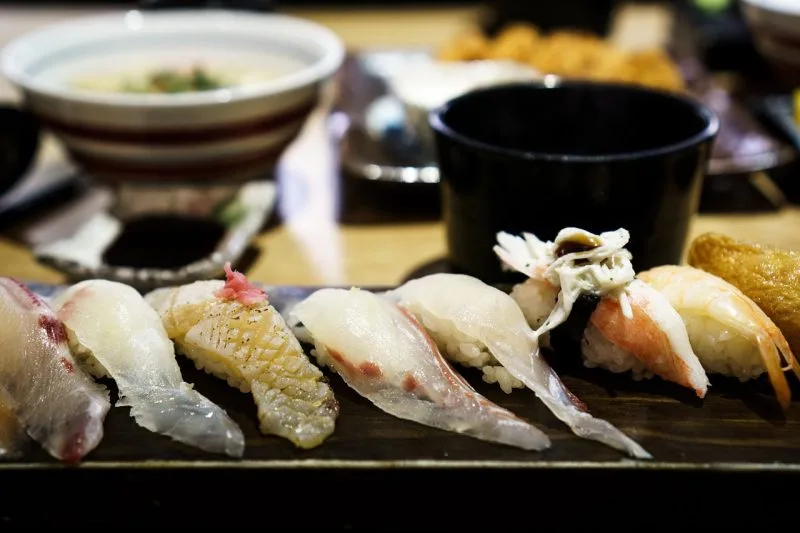
Fish is still one of the foods Japan eats most, though the mix on the plate has shifted. Household purchases of fresh seafood put salmon first, a lead it has held since 2004, with tuna second and yellowtail third. Saury, once a routine autumn buy, has become scarce and expensive. Let's talk about ten fish that still show up in Japanese meals, some every week and some only at a festival or a wedding. Have you had the chance to eat all of them?
Contents 10
1 - Salmon - Sake [鮭]
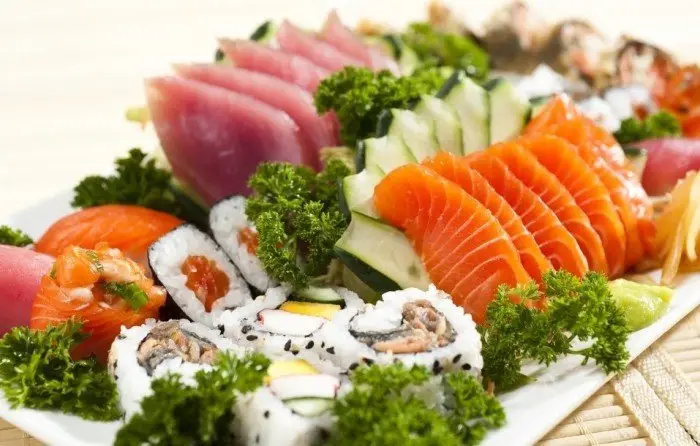
Salt-grilled salmon is a familiar Japanese breakfast, set out with rice, miso soup and pickles. Salmon sashimi became common later, after Norway's Project Japan spent the 1980s and 1990s placing farmed Atlantic salmon on sushi counters. Salmon can also be served boiled, baked and fried.
2 - Tuna - Maguro [鮪]
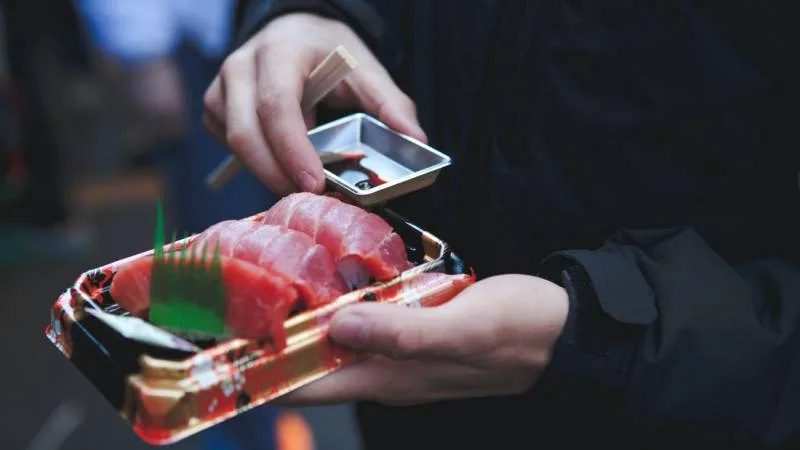
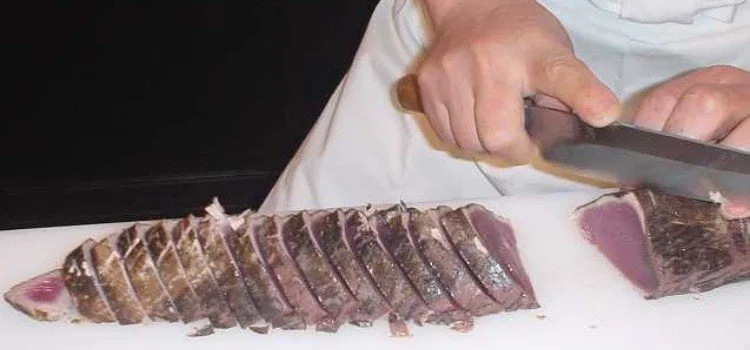
The tuna is known for a firm texture, and the fat depends on the cut. Lean akami, from along the back, is cleaner and firmer. The belly, sold as chutoro and otoro, is softer and richer. Most of the time it is served as sashimi or sushi. Its body is elongated and fusiform, with a large mouth and two well-separated dorsal fins.
3 - Pacific Saury - Sanma [秋刀魚]
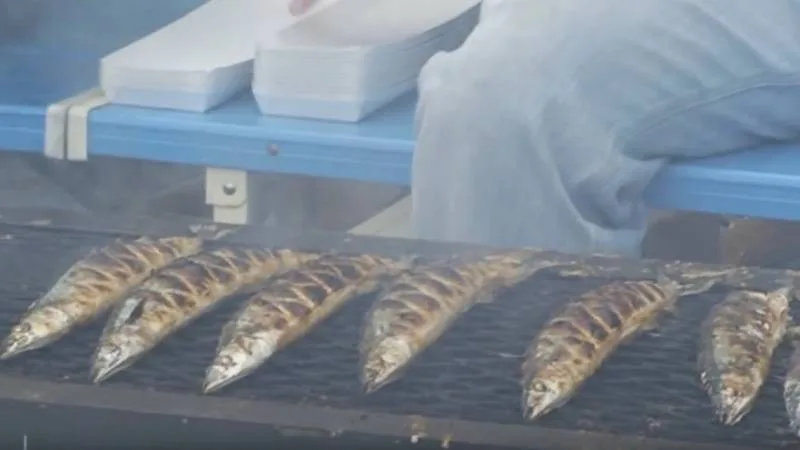
The sanma is generally consumed in the autumn, when the fat content is high. Like shishamo, this fish is usually grilled whole.
This fish is so popular in Japan that it even has a festival where people gather to eat it grilled over charcoal. Meguro's sanma matsuri [さんま祭り] belongs to the ward's autumn citizens' festival and follows the rakugo story Meguro no Sanma. Saury sent from Kesennuma is grilled on the spot.
4 - Bonito - Katsuo [鰹]
Skipjack commonly weighs 8 to 10 kilograms, and large fish can pass 1 meter and 30 kilograms. Cooks serve it in two different ways. Dried and smoked, it becomes katsuobushi, the flakes on takoyaki and okonomiyaki and the base of dashi.
It can also be served with the outer part grilled and the inside remaining raw. That plate is katsuo no tataki. From the same family as tuna and mackerel, spring fish are leaner and the autumn return is fattier, and its flavor is stronger than that of lean tuna.
5 - Willow Leaf Fish - Shishamo [柳葉魚]
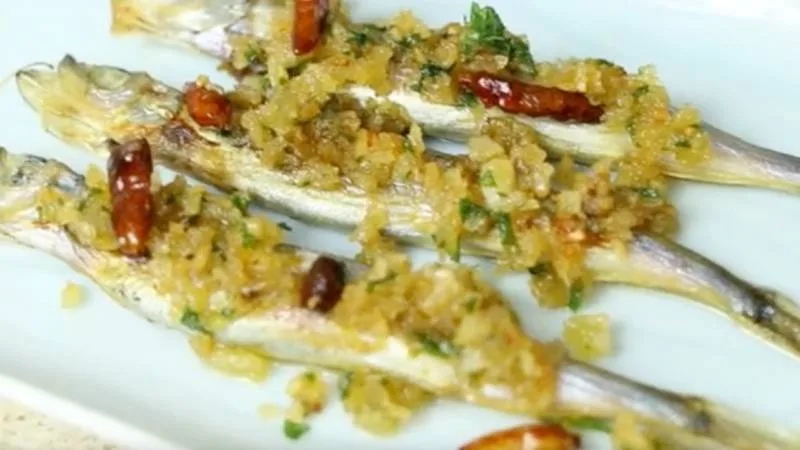
This is a saltwater fish about 15 centimeters long. Its name literally means willow leaf fish, from the Ainu word susam. The species Spirinchus lanceolatus lives along the Pacific coast of Hokkaido. Most of the shishamo in supermarkets is imported capelin, sold as karafuto shishamo.
This fish is typically served with its eggs, which many people consider the best part of the dish. It is usually grilled and eaten whole. You can also find it in an izakaya, which is a Japanese bar.
6 - Japanese Amberjack - Buri [鰤]
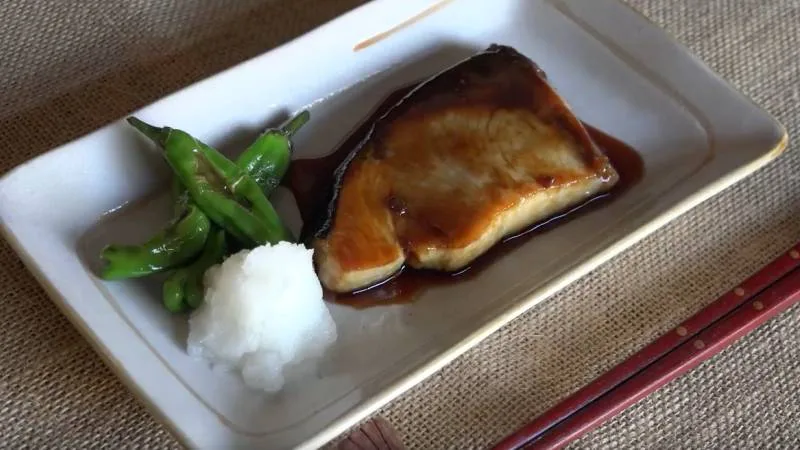
Buri can reach about 1.5 meters and 40 kilograms, though the piece on a plate is usually smaller. Younger fish often go by hamachi. It can be eaten raw as sashimi or sushi.
Another way to serve this fish is to cook it with soy sauce, mirin, and daikon (Japanese radish). The meat is tender and flavorful, and the fat climbs in the colder months.
7 - Sea Bream - Tai [鯛]
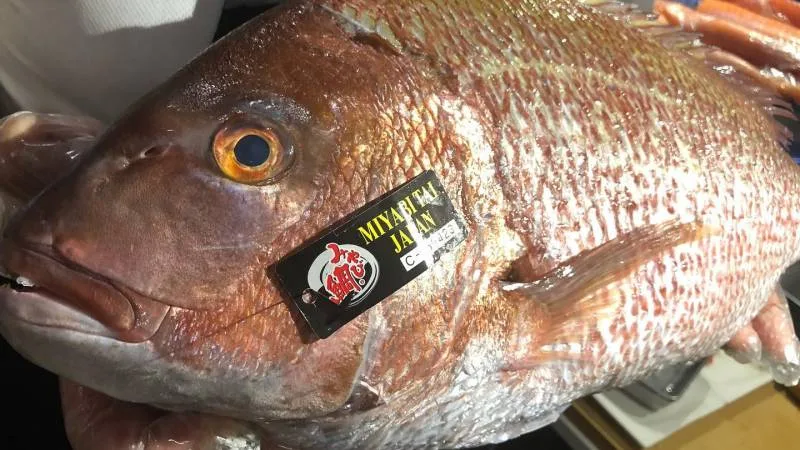
The sea bream is closely associated with luck and is often used in celebrations, usually weddings, grilled whole with the head and tail left on. The sound of tai sits inside medetai, the word for an auspicious occasion. It is also eaten on ordinary days, as sushi or grilled.
It has a mild flavor and low fat content, with a rounded body that is flattened from side to side.
8 - Mackerel - Saba [サバ]
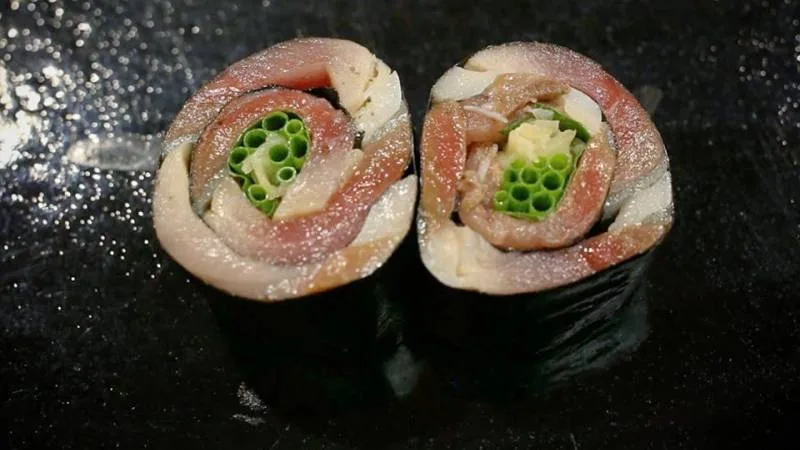
Saba is a fish that is low in price and can be easily found in supermarkets. It is usually served simmered, baked or grilled, and also rolled into sushi.
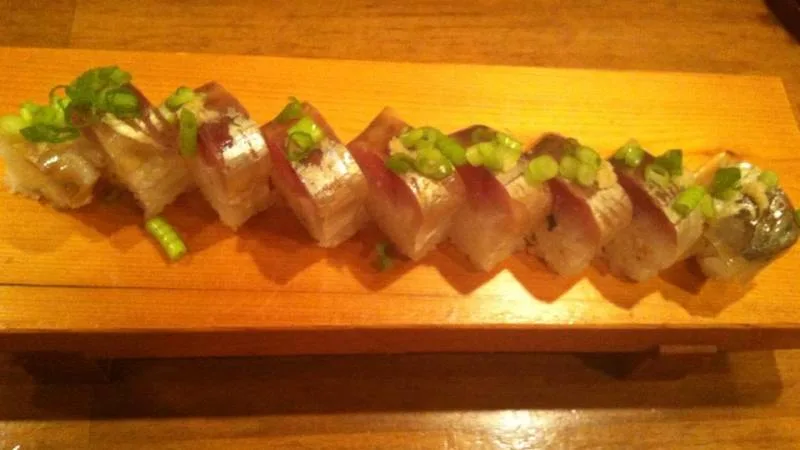
Another less common way to serve this fish is battera, pressed sushi from Osaka made with vinegar-cured mackerel. The fish in the case is commonly about 30 centimeters long and weighs a few hundred grams. The species can reach 64 centimeters and 2.9 kilograms, so a one-kilogram fish is a large one.
9 - Eel - Unagi [鰻]
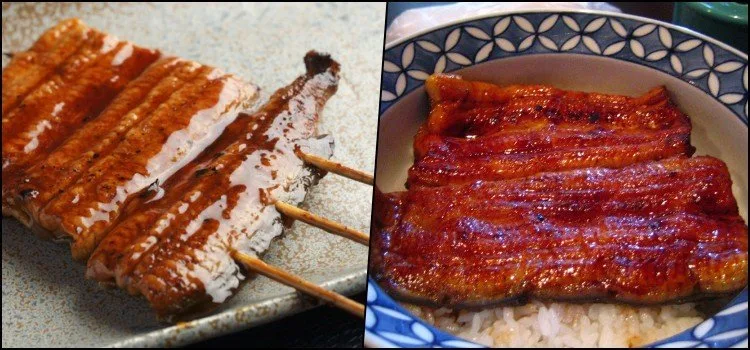
The unagi is a freshwater eel. It is traditionally grilled over charcoal with kabayaki sauce and served with rice. Served in a bowl, it is called unadon. In a lacquered box it is unaju. People order both at eel shops.
The day set aside for this fish is Doyo no Ushi no Hi, the midsummer day of the ox, a custom from the Edo period. The date usually falls in late July or August. Still, it can be easily found at any time of the year.
Lake Hamana, in Hamamatsu, Shizuoka Prefecture, is famous for its unagi. This lake is surrounded by restaurants specializing in eel dishes.
10 - Horse Mackerel - Aji [鯵]
The horse mackerel has tasty and light meat. Fish on the plate are often 15 to 30 centimeters long. The species can reach about 50 centimeters, and the heaviest published weight is 0.66 kilograms. People usually eat it fried, and it can also be served boiled, grilled, baked, breaded or as sushi.
It has a fusiform body, with a lateral line ending in shield-shaped scales.
Salmon, tuna and yellowtail are the three you are most likely to meet in a supermarket case. Sanma is for the autumn grill, eel for the day of the ox, and a whole sea bream for a wedding table. Shishamo and horse mackerel are the small plates that arrive beside a drink.

Community
Comments
0 comments
There are no published comments in this language yet.
Send comment