
The 1989 murder of seventeen-year-old student Junko Furuta remains one of the most heartbreaking and intensely discussed criminal cases in modern Japanese history. Known in Japan as the Concrete-Encased High School Girl Murder Case (Joshikōsei konkuriito-zume satsujin-jiken, 女子高生コンクリート詰め殺人事件), the tragedy shocked the nation, challenged traditional views of public safety, and initiated decades of contentious debate over the Japanese penal system.
Over a span of forty-four days between late November 1988 and early January 1989, Furuta was held captive in an ordinary residential neighborhood in Tokyo. The brutality she endured at the hands of several teenage delinquents exposed deep structural vulnerabilities in community policing, family intervention, and the legal framework governing minor offenders. While Japan is widely recognized for low rates of violent crime, as explored in our study of homicide and crime rates in Japan, this tragedy highlighted the devastating consequences that occur when social vigilance fails.
Contents 5
Who Was Junko Furuta?
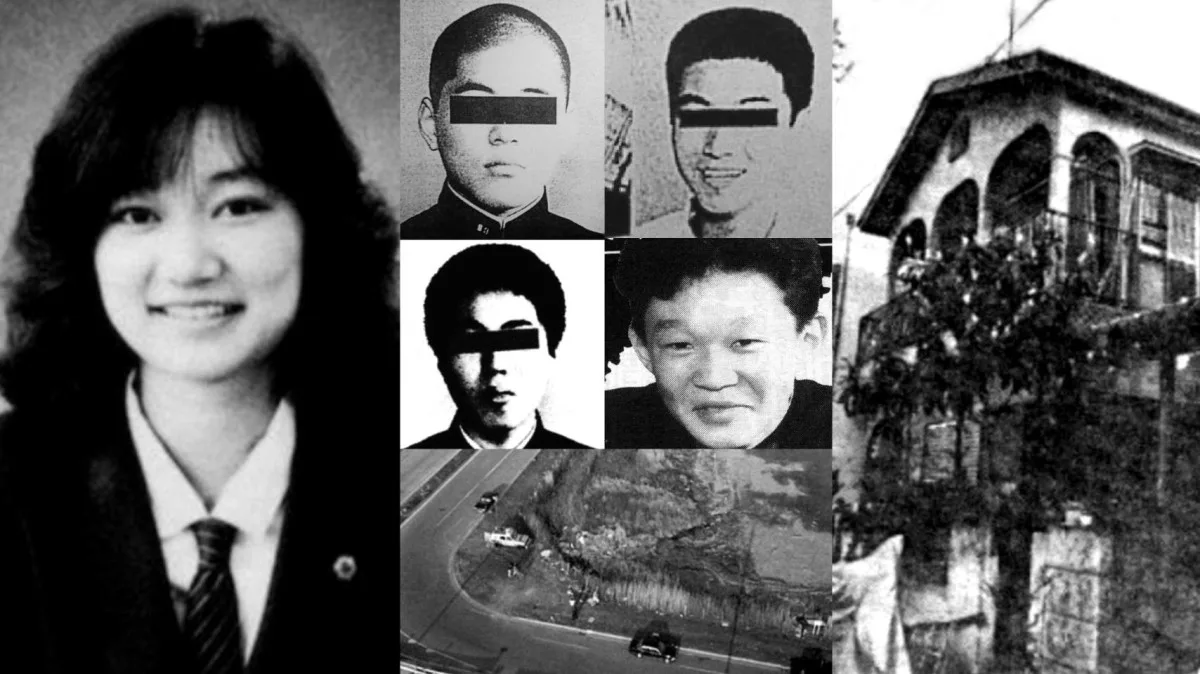
Born in Misato, Saitama Prefecture, Junko Furuta grew up in a supportive household with her parents, an older brother, and a younger brother. In late 1988, she was in her final year at Yashio-Minami High School. Described by teachers, classmates, and neighbors as an earnest, intelligent, and quiet young woman, she maintained an unblemished disciplinary record and stayed away from the delinquent youth subcultures of the era.
Outside the classroom, Furuta worked part-time at a local plastics molding factory after school hours to save money for an upcoming graduation trip. She also harbored an interest in contemporary Japanese music and popular idol culture, a vibrant industry detailed in our article on Japanese idol culture and entertainment. She had already secured employment for after graduation, looking forward to starting her adult life with optimism and financial independence.

The Abduction and the Forty-Four Days in Captivity
On the evening of November 25, 1988, Furuta completed her shift at the manufacturing workshop and was cycling home along a familiar route. Nearby, eighteen-year-old Hiroshi Miyano and sixteen-year-old Shinji Minato were loitering with the intention of targeting an unaccompanied woman. The pair executed a calculated scheme: Minato kicked Furuta's bicycle from behind, causing her to fall onto the roadway, while Miyano pretended to be an innocent passerby who intervened to reprimand his companion and offer Furuta protection.
After gaining her initial trust, Miyano escorted her toward a nearby warehouse area where he dropped his pretense, threatened her with physical violence, and claimed ties to organized crime syndicates. Miyano subsequently transported Furuta to the second-floor bedroom of Minato's family residence in the Ayase district of Adachi Ward, Tokyo. Two other teenage acquaintances, seventeen-year-old Jō Ogura and seventeen-year-old Yasushi Watanabe, were summoned to join the captivity.

During the subsequent forty-four days, Furuta was subjected to systematic physical violence, severe burns, prolonged malnutrition, and relentless psychological terror. Dozens of acquaintances connected to local youth gangs visited the house during this period, yet not a single individual contacted emergency services or attempted to secure her release.
Furuta's parents filed a missing-person report with local police on November 27. To derail the investigation, the captors repeatedly forced Furuta at gunpoint and knifepoint to telephone her mother, instructing her to state that she had run away voluntarily and was staying safely with friends. Although Minato's parents lived on the ground floor of the house, they failed to intervene, later testifying that they were intimidated by the aggressive behavior of their son and terrified of violent retaliation from his delinquent associates.

The Tragic Outcome and the Concrete Drum
By late December 1988, Furuta had suffered critical internal trauma, widespread chemical and thermal burns, and acute dehydration. On January 4, 1989, following a prolonged assault triggered by a minor dispute among the youths, Furuta collapsed and succumbed to irreversible systemic shock.
Fearing discovery, the perpetrators wrapped her body in blankets, placed it inside a 210-liter steel industrial drum, and filled the container with wet ready-mix concrete. They transported the drum to a secluded landfill site in Wakasu, Kōtō Ward, near Tokyo Bay, where it remained hidden under construction debris for nearly three months.

The crime came to light in late March 1989 through a separate police investigation. Miyano and Ogura were taken into custody by the Tokyo Metropolitan Police Department on charges relating to an unrelated sexual assault in Kōtō Ward. During interrogation, detectives noticed inconsistencies in their alibis for late 1988. Assuming that Ogura had already confessed to Furuta's death, Miyano disclosed the location of the hidden drum, leading authorities directly to the crime scene on March 29, 1989.
The Trial and the Juvenile Law Debate

Because all four principal defendants were under twenty years of age at the time of the offenses, they were tried as minors under Japan's Juvenile Act (Shōnen-hō, 少年法). The legislation prioritized the rehabilitation and correction of juvenile offenders over punitive retribution, while Article 61 strictly prohibited the publication of names, photographs, or identifying details of underage offenders in news media.
The Tokyo District Court and Tokyo High Court handed down fixed-term prison sentences rather than indefinite life sentences or capital punishment, which are analyzed in our guide to the death penalty and sentencing standards in Japan. The judicial decisions established the following terms:
- Hiroshi Miyano: Sentenced to seventeen years in prison, extended to twenty years by the Tokyo High Court upon judicial appeal.
- Jō Ogura: Sentenced to five to ten years of indeterminate imprisonment, later extended to eight years by the High Court.
- Yasushi Watanabe: Sentenced to an indeterminate term of five to nine years, extended to five to thirteen years upon review.
- Shinji Minato: Sentenced to five to nine years of juvenile imprisonment.
The sentences ignited widespread public condemnation across Japan. Citizens, legal scholars, and victim advocacy groups argued that the statutory limits of juvenile jurisprudence failed to reflect the extraordinary malice and calculated duration of the crime. The conditions inside Japanese correctional institutions, which emphasize rigorous discipline and labor, are documented in our review of prisons and correctional facilities in Japan.

Subsequent Recidivism and Legal Reforms
Public scrutiny surrounding the case reignited when several former perpetrators engaged in further criminal activity following their discharge from correctional custody. Jō Ogura, who adopted the surname Kamisaku, was arrested in 2004 for assault and sentenced to an additional seven years in prison. Shinji Minato was arrested again in 2018 for a violent knife attack in Kawaguchi, Saitama Prefecture. These high-profile re-arrests reinforced public demands for institutional accountability and heightened supervision of violent offenders.
The Furuta tragedy served as a primary catalyst for successive revisions to Japan's Juvenile Act by the National Diet. Significant amendments enacted in 2000 lowered the minimum age for criminal responsibility from sixteen to fourteen years and permitted prosecutors to seek adult criminal trials for homicide cases involving minors. Subsequent statutory reforms in 2007, 2014, and 2022 expanded victim participation rights in juvenile hearings and eased reporting restrictions for eighteen- and nineteen-year-old offenders committing grave offenses.

The case also influenced artistic and investigative media, inspiring author Kamata Yōji's manga 17-sai, Katsuya Matsumura's 1995 dramatic work, and the 2004 feature Concrete. While dramatizations generated ongoing ethical debate regarding the portrayal of real-world violence, the historical legacy of the case remains firmly focused on the memory of the victim.
More than three decades later, the tragedy of Junko Furuta endures as an indelible lesson for Japanese society. It stands as a solemn reminder of the paramount importance of protecting vulnerable youth, the necessity of vigilant community responsibility, and the ongoing obligation of legal institutions to deliver genuine justice for victims and their families.




Community
Comments
0 comments
There are no published comments in this language yet.
Send comment