
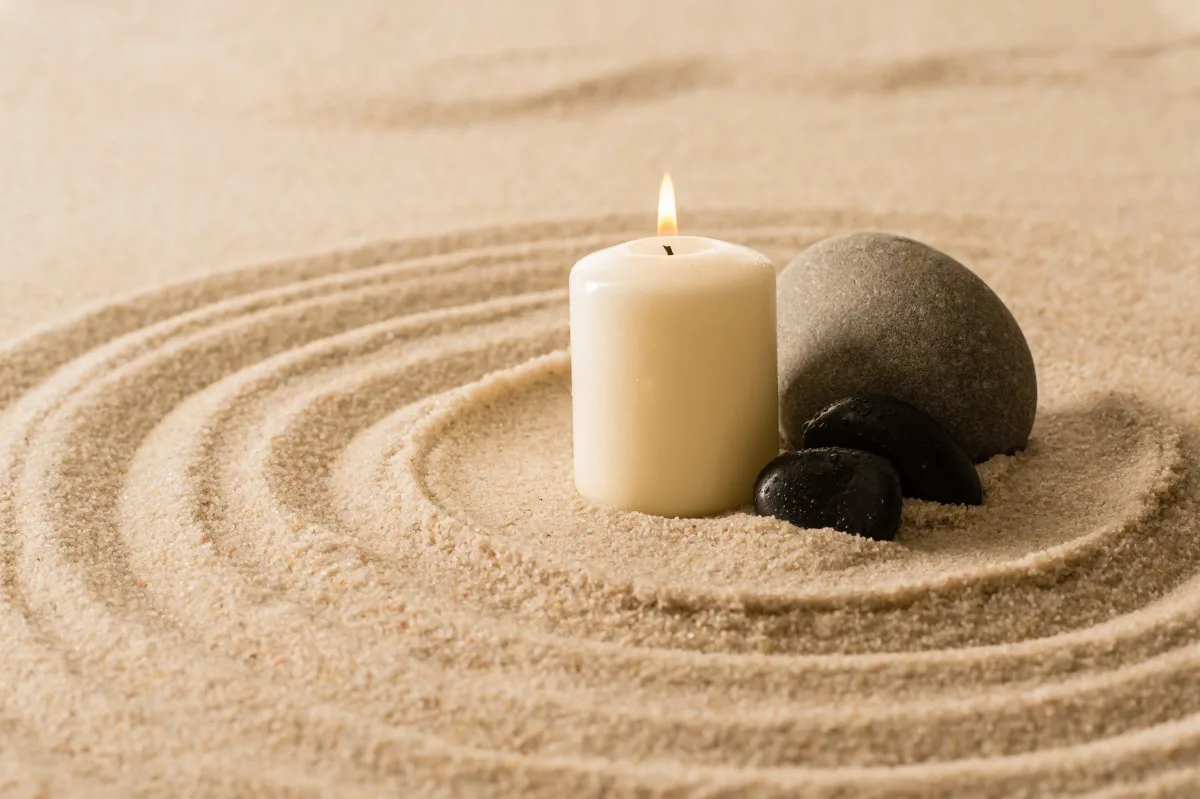
According to Feng Shui, a more spiritual home comes from shaping the environment so that light, furniture, colors, and natural elements work together in balance. It is not about turning your house into something complicated. It is about organizing the space so it feels calmer, clearer, and more welcoming.
If you like the idea of natural harmony, you may also enjoy our article about the Japanese Garden. It is a great example of how nature, space, and calm can work together in a simple and beautiful way.
Contents 3
Spiritual home: Where to start
It is essential that the place where we live feels calm and positive. A house can become a kind of personal retreat when we pay attention to the symbols, habits, and small details that matter to us.
One of the first things to consider is natural light. Bright spaces often feel lighter and more open, while darker corners can feel heavier and less inviting. The balance between light and shadow also adds depth and movement to a room.
Another principle of Feng Shui is the connection between people and nature. That is why the arrangement of objects, the shape of furniture, and the choice of materials matter so much. Natural elements such as wood, linen, clay, straw, cork, and other simple materials fit this idea very well.
Everyday objects can also help create a certain atmosphere: candles bring warmth and light, incense adds scent and mood, crystals are often used as decorative elements, and plants bring life and freshness into the room. Green, in particular, tends to feel restorative and peaceful.
The colors
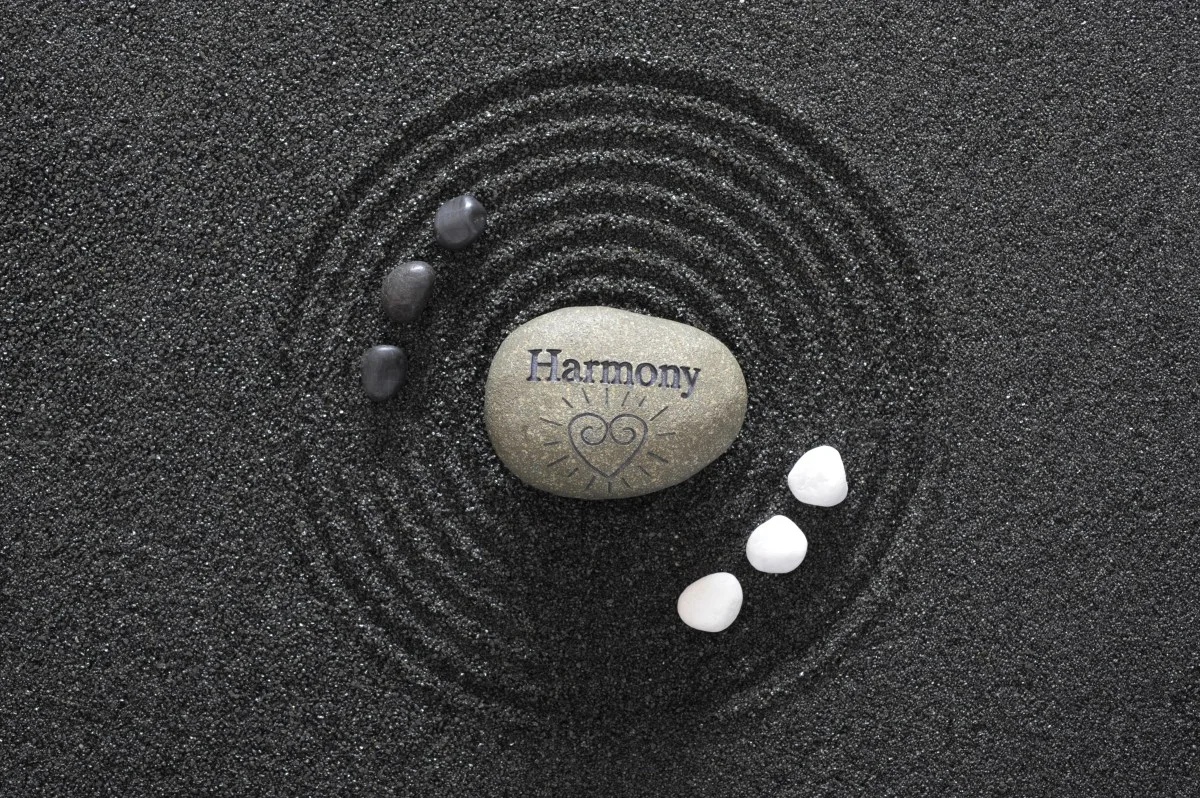
When talking about Feng Shui and color, each tone is usually associated with a different feeling. Black suggests depth and intensity. Blue brings calm and concentration. White creates a clean, open feeling. Pink and red are often linked to warmth and love. Orange and yellow bring brightness and energy.
Space
According to Feng Shui, a well-balanced house should feel as complete and harmonious as possible. Rectangular or square rooms are often seen as more favorable than spaces with missing corners. Even when the structure itself cannot be changed, the way you arrange the room can still reflect the same principle.
Each direction is connected to a different aspect of life. The north is associated with career and financial well-being. Water is the element linked to this area, so an aquarium or a fountain in that corner is often considered helpful.
- The south is associated with fire and benefits from strong lighting. Lamps and candles are a natural fit there.
- The east is related to health and family balance. Plants are often placed there as a symbol of vitality.
- The west is connected to creativity. Stones and crystals are commonly used to reinforce that corner.
- The northeast is linked to knowledge. It can be a good place for someone who studies, reads, or wants to stay informed.
- The northwest is associated with friendship. A small bell or a brass object can be used to activate that area.
- The southeast is related to wealth. Open space and a window in that corner are often seen as favorable.
- The southwest is the corner of love and marriage. Warm light and symbols of affection are usually placed there.
- The center of the home should stay as open as possible so the room does not feel blocked or heavy.



Community
Comments
0 comments
There are no published comments in this language yet.
Send comment