Japan is one of the safest places in the world; in addition, it also offers various varieties of places and activities to do with family, with children, alone, or with friends. In this article, we will highlight 25 activities or things to do in Japan.
Next, we will present activities and places that families and friends can and should include in their travel and vacation guide. Of course, we will only cover a small piece of what Japan has to offer tourists.
Places to Visit in Japan
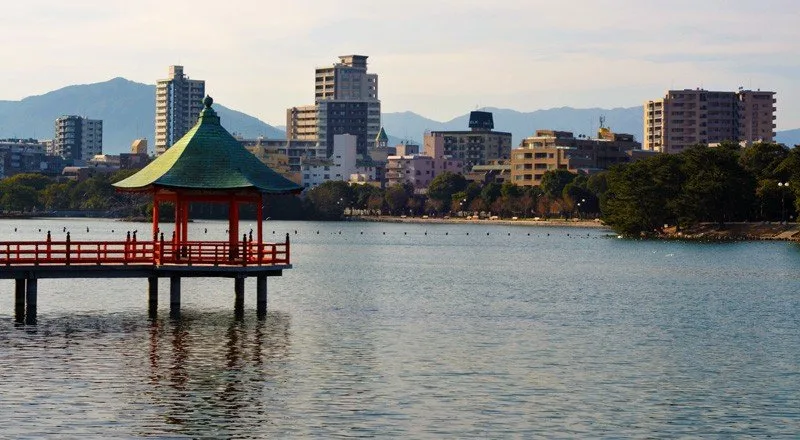
Parks – Japanese cities, and Tokyo in particular, have excellent family parks that offer almost everything, from forests, gardens, beautiful landscapes, and even small museums and other outdoor attractions.
Islands – Japan has a number of attractive islands, especially the Okinawa islands, which have a very interesting local culture and an abundance of beautiful beaches. Japan is a country with over 6,000 islands, so there are plenty of options!
Cities and Villages – Japan has dozens of attractive cities that offer contact with nature, beaches, parks, onsen, castles, temples, historical sites, and streets that are relatively calm.
Japanese Castles – Japan has more than 100 castles, most of which are modern reconstructions of historical sites. Most have an extensive tower, and some have large moat systems with extensive defenses.
Observation Decks and Platforms – Almost every city in Japan has at least one tower or building with an observation platform that provides a panoramic view of the city. The tallest, by far, is the Skytree in Tokyo.
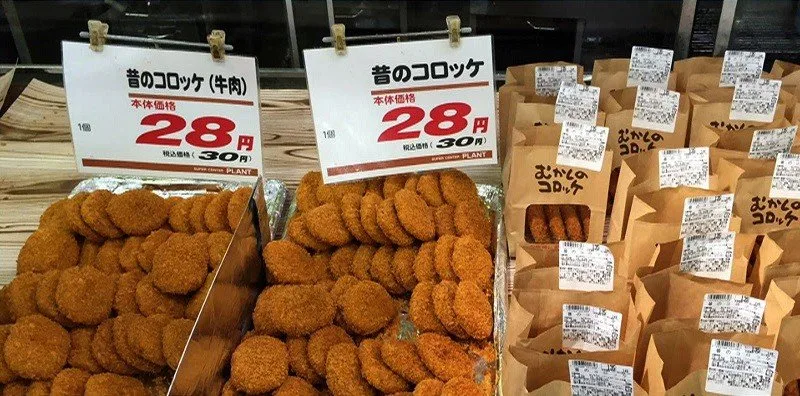
Restaurants – Family restaurants are low-cost and serve popular Japanese dishes, such as Tonkatsu and Korokke. As the name suggests, they are convenient for families, so they have some features, such as children’s menus and high chairs.
Zoos and Aquariums – Almost all major cities in Japan have a zoo or aquarium. Greater Tokyo has dozens of them. In general, Japanese zoos are quite small, but aquariums tend to be very large.
Museums – Japan features various museums of different categories, with science museums, such as Miraikan, literally: “Future Building,” being the most popular among children.
Temples & Shrines
Japan has about 90,000 temples and a similar number of shrines. Many of these shrines and temples are used to worship Buddhist and Shinto teachings, but these places can also serve as tourist and resting spots, and they can be found in various locations across the country, even among the most spectacular and peculiar sites in Japan.
Theme Parks
Japan also features various theme parks throughout the country, mainly used as meeting points and family fun. The largest parks include well-known names like Disneyland, Universal Studios, and original Japanese parks, like Fuji-Q Highland.
Onsen – Hot Springs
Onsen (温泉) are natural volcanic hot springs that are enjoyed, help to relax, and can bring health benefits. Japan is a volcanic country filled with natural and artificial hot springs, so it is not an exaggeration to say that onsens are Japan’s passion.
Urban dwellers escape to the countryside on weekends for hot baths in nature. From a Japanese perspective, onsens are a cultural activity that is important for children’s socialization. In most cases, bathing in hot springs requires you to do so nude and to be separated by gender.
Beaches – Only in Summer
Japan has hundreds of decent beaches, including several that are close to Tokyo, in Chiba, Kanagawa, and Izu. Most areas of Japan have a short beach season, which begins when children go on school vacation in July and lasts until the end of August.
Each beach has its own culture. As a rule, large surfing beaches, like Shonan, tend to be party spots that are less popular among families.
Activities to Do in Japan
Skiing and Snowboarding – Japan has hundreds of ski resorts, many of which are ideal for beginners and advanced skiers. Many of them are easily accessible, especially in Tokyo, Nagano, and Niigata.
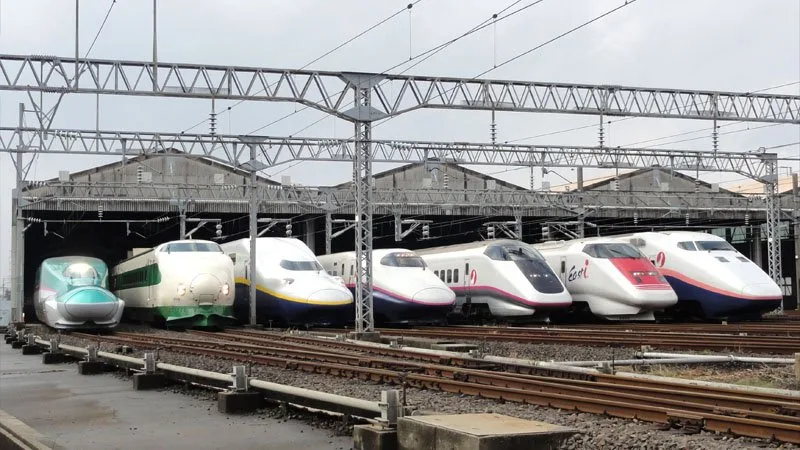
Shinkansen – The trip by bullet train is convenient and can be of great interest to those visiting Japan. I am often asked if I have ridden the bullet train, but personally, I find local trains more fun.
Sports
The most popular sports for the public in Japan are baseball and soccer. Professional games are quite common in baseball, and it is usually more exciting in cities like Osaka and Nagoya, which have a large fan base.
The country’s professional soccer league is known as the J. League and has 18 teams. Sumo is another option; Sumo offers demonstrations and open practices for the public, which are shorter and generally free.
Mochi Making
Mochi [餅] are traditional chewy Japanese rice cakes made by pounding a variety of Japanese rice known as mochigome until it becomes a dough, using a type of wooden pestle.
This traditional method is still practiced, especially on special occasions, such as New Year. It is also a common cultural activity for children at festivals, resort hotels, and other attractions in Japan.
Wearing Yukata or Kimono
Yukata are traditional cotton robes worn for summer festivals and hanabi. Children’s yukata are inexpensive and easy to find at stations, department stores, or retail shops.
When wearing a yukata, it is normal to provide a sense of cultural immersion that children and the whole family will enjoy. On other special occasions, you can try wearing the more complete traditional outfit called Kimono.
Shopping
Japan has many family-focused shopping areas and offers a unique variety of clothing and toys. Many shopping districts are crowded with narrow sidewalks. Exceptions include Odaiba in Tokyo and Minato Mirai in Yokohama.
Ginza, a large luxury shopping area in Tokyo, offers a pedestrian-only zone on its main street every weekend. Shopping is an activity that every tourist eagerly looks forward to doing in Japan.
Hiking
Walking is an extremely common hobby in Japan; the streets are usually lined with few terrains that may hinder walking. There are also hiking trails, both short and long distance, usually in mountainous terrain.
The country has a strong incentive for fitness, so it is common to find paths specifically for walking and biking. There are many beautiful and paradisiacal places, from gardens and parks to rivers and mountains to walk and enjoy the view.
Events and Festivals in Japan
Christmas Illuminations – Japanese cities have stunning Christmas illuminations around November and December. Some shopping areas compete with each other to see who has the best illumination in the city.
Snow Festivals – Japan has a variety of snow festivals in the Tohoku region and Hokkaido; every winter, you can enjoy festivities with snow sculptures, igloos, ice skating, performances, and rides for children.
Hanami – Viewing Cherry Blossoms
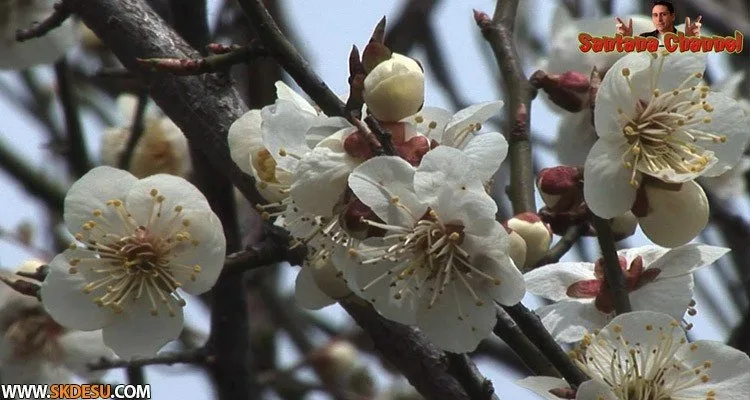
Hanami, literally “flower viewing,” is the custom of having a place under cherry trees in Japan when they bloom in spring. The term can also be used to say “taking a walk under the trees.”
The event known as “Cherry Blossom” is one of the most popular events in Japan. Parks and gardens with limited hours, such as Shinjuku Gyoen in Tokyo, tend to be a bit quieter since they are small neighborhood spots.
Yosakoi Festivals
Yosakoi is a dance that occurs at festivals, incorporating both traditional and modern elements. It has exploded in popularity in recent years, and almost every university and college in Japan has a team.
Most teams have around 100 dancers, and usually, hundreds of teams compete at the festival. This festival tends to have a lively and positive atmosphere.
Hanabi
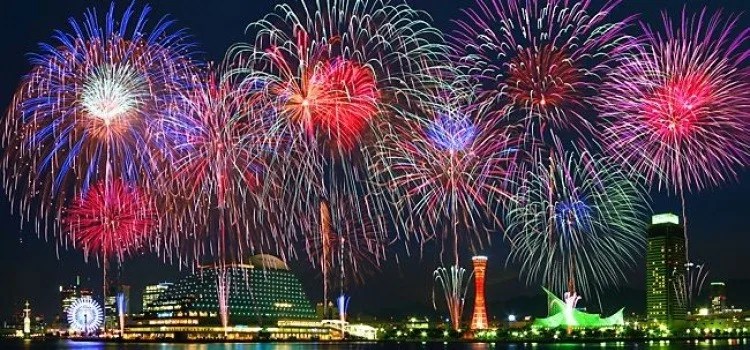
Hanabi is the Japanese word for fireworks. Japan has been holding fireworks displays since 1700 and is considered a type of cultural activity. People wear yukata and lie on a plastic mat on the ground for the show.
It is common for fast food vendors and other food varieties to be set up in sales booths, and these booths are quite popular in Japan.
Japan has great enthusiasm for fireworks, and people tend to watch the show attentively. The country has numerous hanabi events each year, mainly in August.
Mikoshi Festivals
The Mikoshi Festival began as a way to bring good luck to an area by parading the kami (God) of the local shrine through the streets. Mikoshi are vehicles that are carried on shoulders and can weigh several kilos. Teams are usually associated with a neighborhood and are commonly competitive with each other.
For example, it is common for mikoshi teams to jump with the vehicles uncontrollably or throw them in the air in a demonstration of strength and endurance. Despite this frantic environment, this festival can be interesting for children. Participation requires contact with your local shrine well in advance of the festival.