
Fan service in anime is any scene, visual choice, callback, or exaggerated moment added mainly to please the audience. In practice, the term is most often used for sexualized shots, suggestive comedy, beach episodes, bath scenes, and camera angles that exist to provoke a reaction more than to move the story forward. Still, that is only one part of the subject. Fan service can also mean a surprise cameo, a transformation sequence stretched for pure hype, or a small reward aimed at longtime fans who already understand the reference.
The short version is simple: fan service is not a genre by itself, but a tool. Some series use it like seasoning. Others build entire scenes around it. That difference is exactly why the term causes so much debate among anime fans.
Contents 9
What fan service means in anime and manga
The expression comes from Japanese fandom and usually appears as fan sābisu (ファンサービス). In anime and manga circles, it became the easy label for material that exists to excite, reward, or entertain viewers beyond the needs of the plot. That is why people often connect it to ecchi anime, but the two ideas are not identical.
Ecchi points more directly to erotic or naughty content. Fan service is broader. A series can have fan service without being openly ecchi, just as it can have fan-pleasing references, stylish action, or playful character moments without leaning on nudity.
How the term became common
Writers and fan glossaries usually trace the spread of the expression to anime and manga fandom, where it became a convenient way to describe scenes designed to give the audience exactly what it came for. Over time, the label stuck because it explained a familiar pattern: content that was memorable, provocative, or indulgent, even when it added little to the narrative itself.
Older anime helped fix the image people still have today. Series from the late twentieth century made bath scenes, swimsuit episodes, accidental exposure gags, and exaggerated body shots so recognizable that they became clichés of the medium. Titles such as Cutie Honey are often cited in discussions about how this style became visible early on, long before the internet turned every screenshot into a debate.
Common types of fan service
Not every example looks the same. Most articles about the topic collapse everything into sexual content, but that leaves out part of the picture. These are the most common forms:
- Sexual fan service: cleavage shots, underwear gags, bath scenes, awkward falls, revealing outfits, and camera framing that clearly prioritizes the body.
- Romantic teasing: near-confessions, jealousy scenes, accidental intimacy, and moments built to excite shipping culture.
- Action spectacle: over-the-top fights, transformation sequences, signature attacks, and dramatic entrances made to get a reaction from the crowd.
- References for longtime fans: callbacks, cameo appearances, visual homages, and in-jokes that reward viewers who already know the franchise.
- Targeted appeal for different audiences: shirtless male characters, idealized poses, and polished body shots aimed at female viewers or broader fandoms.
Why creators use fan service
There is a practical reason fan service keeps showing up. It works. A suggestive scene, a flashy reveal, or a knowing callback is easy to remember, easy to clip, and easy to discuss with other fans. In some genres, especially harem comedy, ecchi action, and otaku-centered stories, the audience already expects that kind of material.
It can also serve smaller editorial functions inside a story. A lighter bath episode may slow the pace after a serious arc. A transformation scene can reinforce a character's image. A callback can reward viewers who stayed with a long franchise. That does not automatically make the scene good, but it explains why creators keep reaching for it.
There is also a market side to it. Characters that become visually memorable tend to stay in the conversation longer, especially in fandoms tied to merchandise, clips, rankings, and convention culture. If you want to understand that audience better, it helps to know what otaku culture usually values in character appeal, tropes, and recurring visual signals.
Why fan service is controversial
The criticism usually starts when fan service stops feeling playful and starts feeling intrusive. A serious scene can lose weight when the framing suddenly pulls attention to underwear or cleavage. A promising character can feel reduced to a running visual joke. In weaker series, fan service becomes a shortcut used to hold attention when the writing itself is not strong enough.
Another common criticism involves objectification, especially when female characters are filmed in ways that emphasize bodies over personality, perspective, or agency. That is one reason discussions about fan service often overlap with gender criticism, audience expectations, and the gap between what some viewers call harmless fun and what others experience as lazy or uncomfortable framing.
Age range matters too. What feels harmless in a knowingly trashy ecchi comedy may feel jarring in a coming-of-age story, a sports anime, or a show with a younger audience. Context changes everything.
Fan service and ecchi are not the same thing
This is where many readers get confused. Ecchi usually points to erotic humor or sensual content as a central flavor of the work. Fan service is a wider label for anything inserted mainly to please the audience. A fight scene can be fan service. A popular character showing up for one cool shot can be fan service. A deliberate tease in a harem anime can be both ecchi and fan service at the same time.
Thinking about the term this way makes the debate easier to understand. People are not always arguing about the same thing. One person is talking about sexual framing. Another is talking about franchise callbacks. Another is talking about exaggerated action that exists for pure hype.
When fan service works and when it fails
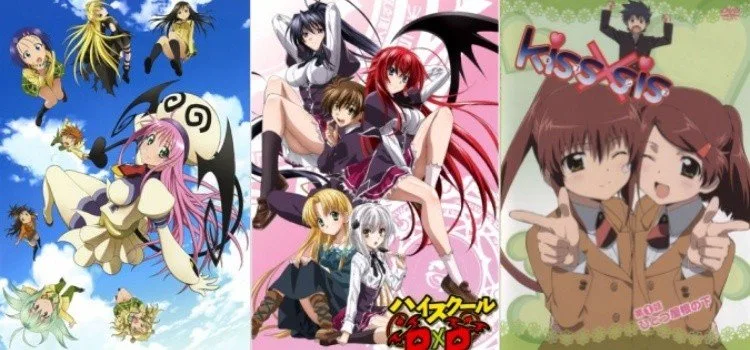
Fan service works best when it fits the tone of the series and does not sabotage what the scene is trying to do. Kill la Kill, for example, is often brought into the conversation because it uses sexualized presentation so aggressively that the style becomes part of the point. High School DxD and To Love-Ru are other easy examples because they never pretend fan service is a side note. It is built into the identity of those shows.
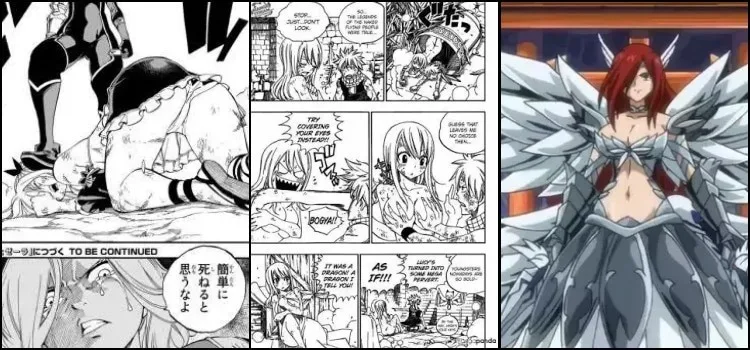
It fails when it interrupts tension, flattens characters, or turns every emotional beat into the same visual routine. Once viewers can predict the exact joke, angle, or exposure gag before it happens, the scene stops feeling playful and starts feeling mechanical.
Why this topic never disappears
Fan service sits in the middle of several anime habits at once: visual exaggeration, genre expectation, fandom loyalty, character merchandising, and online discourse. Because of that, it never stays a minor subject for long. Every season brings at least one series accused of relying on it too much and another defended for using it with full awareness of its audience.
That is also why older labels still survive. Many anime fans learn terms such as ecchi, harem, otaku, tsundere, or moe one by one, then notice that fan service often crosses into all of them without being limited to any single category.
So, is fan service bad?
Not automatically. Fan service is a technique, not a moral category. It can be funny, stylish, shameless, distracting, clever, cheap, or all of that in the same episode. What matters is whether it matches the tone of the work and whether the series offers something more than the bait itself.
If the story, characters, and pacing are strong, fan service may feel like an extra layer that some viewers enjoy and others ignore. If the writing is weak, the same trick quickly looks like a crutch. That is the real reason the subject keeps dividing fans: people are not reacting to the label alone, but to how the scene makes them feel inside the story.


Community
Comments
0 comments
There are no published comments in this language yet.
Send comment