

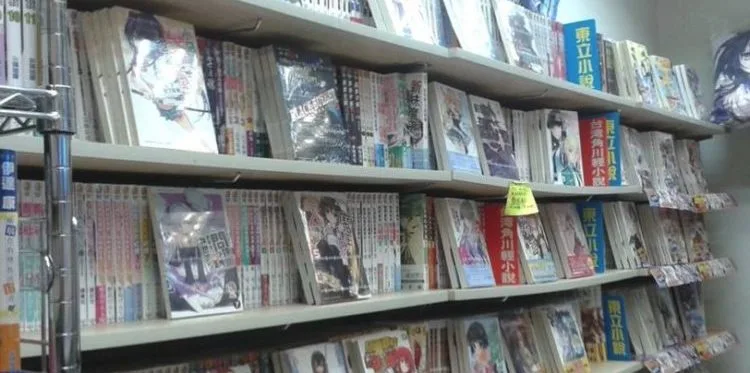
In Japan, books, novels, and manga still feed a huge share of entertainment. Anime, games, dramas, and movies often start on the page — so it is no surprise that so many people want to become a manga author (mangaka) or write light novels and other book formats. The real question is not only talent. It is whether a foreigner can reach Japanese readers, and what paths actually exist once the story is ready.
Before anything flashy: you need usable Japanese on the page. For manga, many editors expect Japanese strong enough to write dialogue and notes (roughly JLPT N2 as a practical floor, not a magic certificate). For novels and light novels, N1-level reading and writing makes life much easier. Diplomas alone do not sell a manuscript. Dialects, keigo, and everyday slang show up in real dialogue, and your draft still has to feel publishable to a Japanese editor. Perfection is not the bar — even native writers revise — but weak language is the first wall that stops a submission.
If you want to draw manga, you also need to prove craft: storytelling, paneling, and a finished one-shot beat a pile of unfinished ideas. We will not teach plot formulas or drawing technique here; for practice and tools, see our tips for becoming a mangaka and apps to draw manga. This piece focuses on whether a foreigner can break in, and how Japanese publishing routes usually work.
Contents 5
Can a foreigner become a book or manga author in Japan?
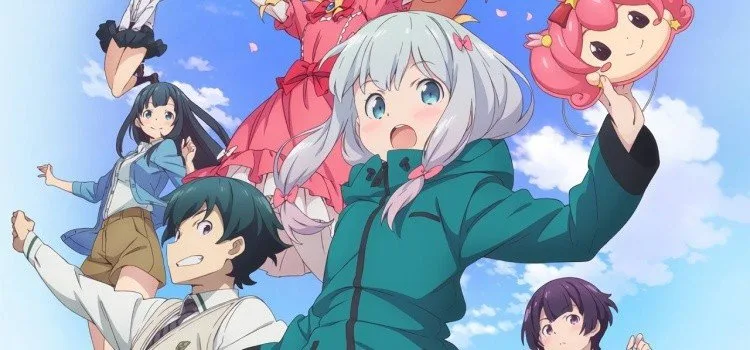
Some people treat nationality like a hard ban. For both Japanese and foreign creators, the harder problem is building a work that sells. The extra load for a non-Japanese author is language, culture on the page, and access to editors — not a rule that says “foreigners cannot publish.”
There are foreigners who work as novelists, light-novel authors, and mangaka. Many creators use pen names and stay out of the spotlight, so nationality is not always obvious from a byline. What editors care about is whether the story lands with the magazine’s readers.
One well-known case is Brazilian-born Thiago Furukawa Lucas, better known as Yuu Kamiya, who wrote and illustrated the light novel No Game No Life (published under MF Bunko J) and saw it adapted into anime. Other creators often cited in fan discussions include Boichi, Shindo L, Åsa Ekström, and Tony Valente — with different careers: some debuted inside Japanese magazines, others built success abroad (for example Valente’s Radiant in France) before Japanese readers met the work through licensing. Paths differ; the shared point is that “not Japanese” is not an automatic dead end.
Age, gender, and passport matter less than a finished work that fits a market. If Japanese readers do not engage, the country of birth will not save the series. If they do, editors have a reason to talk.
First steps toward becoming a professional author
Once your Japanese is strong enough and you can finish a story (or a short manga), remember the competition: thousands of Japanese creators chase the same dream. That does not make the goal impossible; it means polish and persistence matter more than inspiration alone.
You need to put the work in front of people. Common routes include:
- Mochikomi — bring a complete one-shot or sample to a magazine’s editorial department (often by appointment) and get live feedback;
- Newcomer awards and contests run by publishers and magazines;
- Independent release — doujinshi at events such as Comiket, or online platforms and social accounts where scouts and readers already look for new work;
- Contacting a publisher or imprint that matches your genre, using the submission rules listed in magazines and on official sites.
Exposing a manga or novel “on the internet” is not only a personal blog. Japan has publisher-linked reader sites and community platforms where unfinished careers often start. Dates, page counts, and language rules change by magazine, so you research each call for entries instead of guessing from a single generic guide. For a broader map of houses and magazines, see our guide to Japanese manga publishers and magazines.
Mochikomi and meeting an editor
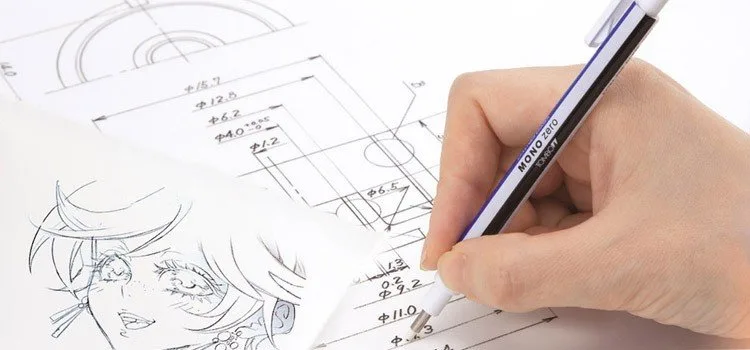
In manga publishing, mochikomi (持ち込み) means bringing your work to the people who can hire you: the editorial team. The idea is simple — you do not wait forever for a reply that never comes; you show a complete piece and hear what an editor thinks.
In practice: find the magazine or imprint that fits your genre, look up the editorial contact in the magazine or on the official site, and schedule a meeting when that is required. Dropping in unannounced is a bad habit in a busy office. Some departments also accept online submissions now, but Japanese-language work is still the default for domestic magazines.
Bring something finished — a one-shot that proves you can close a story, not only a mood board of ideas. An editor can usually spend a limited window reading and commenting. Use that time: ask what worked, what failed, and what would need to change for a magazine debut. Getting an editor assigned to coach you is already progress; it is not the same as an instant serialization contract.
If a house rejects you, treat it as data, not a lifetime ban. Try another magazine, revise, enter a contest, or keep publishing doujinshi and web work until the craft and the market fit. Editors who see potential often encourage creators to return with a stronger manuscript.
Contests, web platforms, and independent work
Newcomer awards are a second major door. Publishers run contests all year; a prize can open a debut path, and even a non-winning entry sometimes gets detailed notes or an editor’s interest. Many contests accept postal or online entries from abroad as long as the work is in Japanese and follows the rules.
Alongside awards, creator platforms and apps (for example publisher-linked manga posting sites, Pixiv, and social timelines with Japanese tags) help work get found. Leave a professional contact method if you want scout messages. For light novels, imprint contests and web-novel ecosystems play a similar role: build readers first, then talk to an editor when the numbers or the buzz appear.
Independent routes still matter. Doujinshi at conventions, self-published print, or digital releases can prove demand. Some careers stay independent; others use that audience as a portfolio when they finally walk into an editorial office.
Japanese publishers and imprints (orientation map)
Publishers put stories in front of readers. For manga, weekly or monthly magazines still act as a proving ground: chapters run next to many other titles, popularity is watched, and long-running success can lead to tankōbon volumes and sometimes anime. Light-novel imprints work with different catalogs and award systems, but the logic is similar — match the tone of the label before you submit.
The lists below are orientation maps, not a ranking and not a complete directory. Always check the current submission page for each imprint: genres, page counts, and contact methods change.
Light novel imprints often discussed by aspiring writers:
- Dengeki Bunko
- Famitsu Bunko
- Fujimi Fantasia Bunko
- GA Bunko
- Gagaga Bunko
- Jump J-Books
- Kadokawa Beans Bunko
- Kodansha BOX
- Kodansha Ranobe Bunko
- MF Bunko J
- MF Books
Major manga publishers and houses (selection):
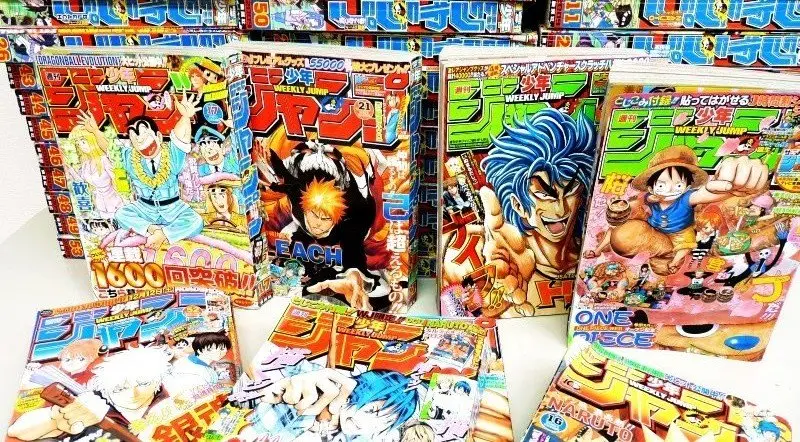
- Shueisha (home of magazines such as Weekly Shonen Jump)
- Kodansha
- Shogakukan
- Kadokawa Shoten / Kadokawa group imprints
- Square Enix
- Hakusensha
- Akita Shoten
- Houbunsha
- Ichijinsha
- Futabasha
- Shinchosha
- Tokuma Shoten
- ASCII Media Works / related imprints
- Enterbrain / related imprints
- Fujimi Shobo
Many smaller houses specialize in niche genres. Research before you mail a stack of pages to the wrong desk.
Becoming a successful light-novel author or mangaka is hard for everyone who tries. Fluency, finished work, the right door (mochikomi, contest, web, or editor meeting), and stubborn revision are the parts you control. Have you already sent a manuscript, entered a contest, or published something independent? Share what you tried — and what the feedback looked like — in the comments.


Community
Comments
0 comments
There are no published comments in this language yet.
Send comment