
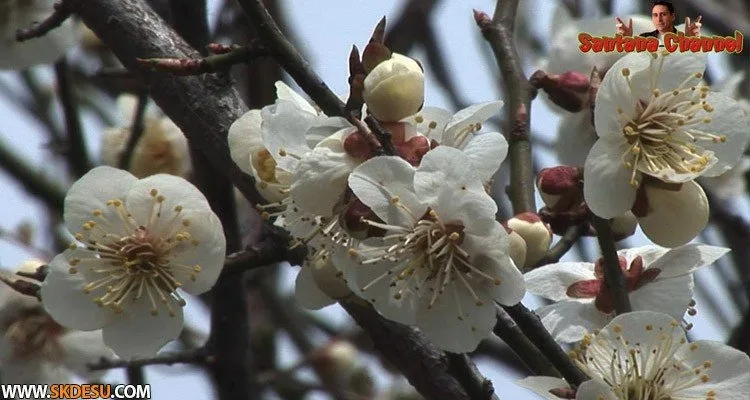
Before the pink clouds of cherry blossom take over every feed, Japan already has color on the bare branches. That first flush is usually ume (梅) — the Japanese plum — and it shows up while the air is still cold enough for a coat.
If you only know Japan’s spring through sakura, ume feels like a quieter opening act: fragrant, stubborn against the frost, and older in court poetry than the cherry tree that later became the star of hanami.
Contents 7
What ume is (and what it is not)
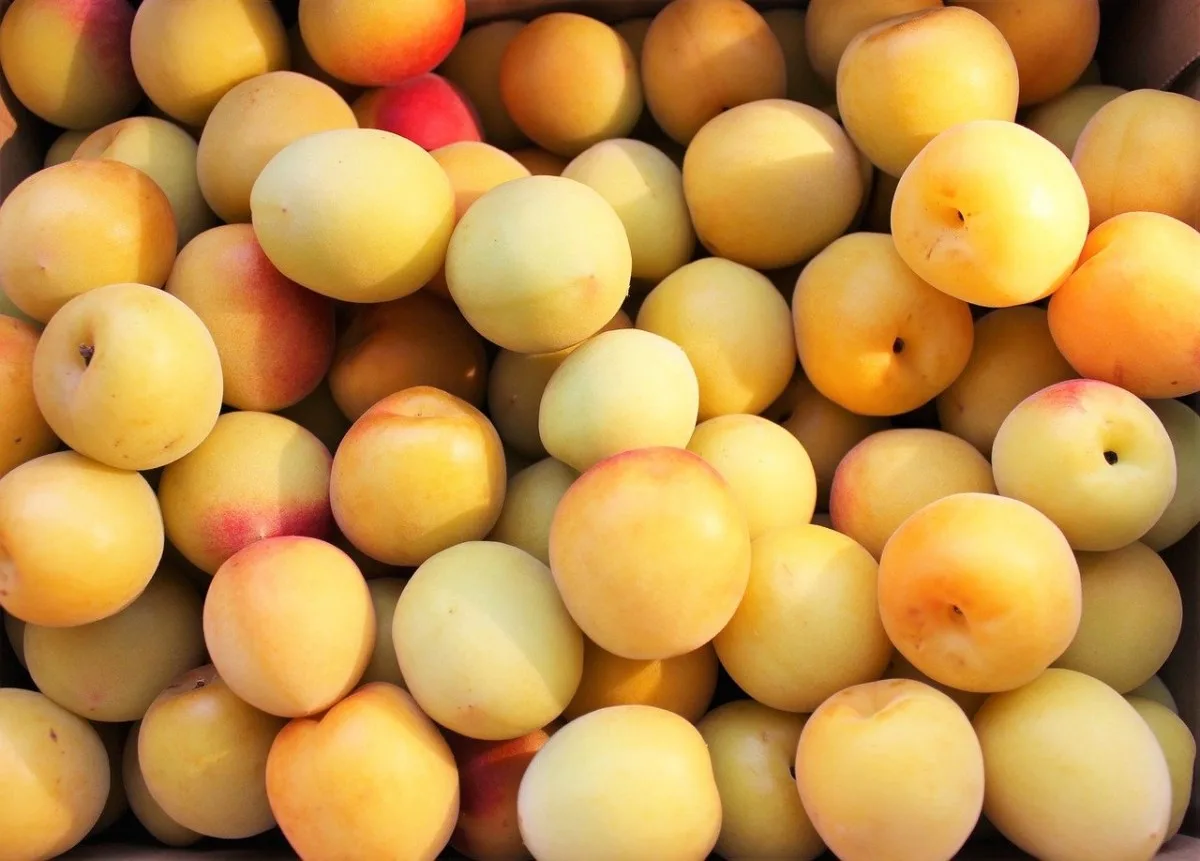
Ume is the blossom of the Japanese plum tree. In everyday English people say “plum blossom,” though botanically the fruit sits closer to apricot than to the supermarket plum. The same word covers the tree, the flower, and the sour fruit used later in the year for pickles and liqueurs.
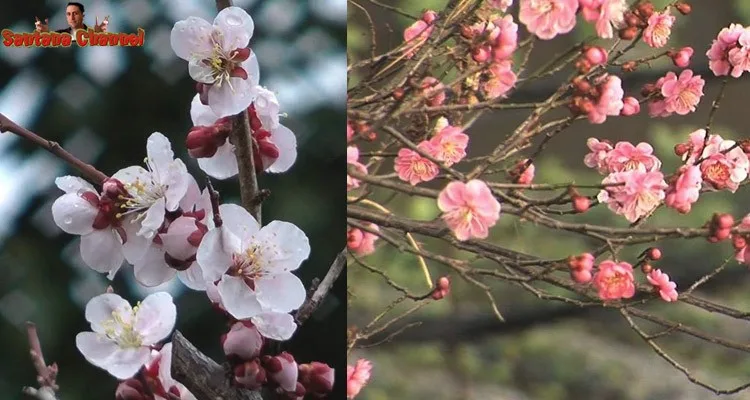
Colors range from white and pale pink to deep crimson, depending on the variety. Many trees carry a real perfume — sweet and warm on a winter walk — which already separates them from most sakura, whose petals are famous for looks more than scent.
How to tell ume from sakura (and momo)
In a park full of pink trees, mix-ups are normal. A few practical clues help:
- Timing: ume usually opens from late January through early March in much of Japan; sakura peaks later, often from late March into April in the center of the country. Peach blossom (momo, 桃) sits between the two or overlaps depending on variety and region.
- Petals: ume petals tend to look round and full; sakura petals often show a small notch at the tip.
- How they sit on the branch: ume flowers often cling almost stemless to the wood, as if they sprouted straight from the branch. Sakura usually hang in clusters on longer stems, which is part of that soft “cloud” look.
- How they fall: sakura petals scatter one by one like thin snow; ume often drops as a whole flower.
- Scent: a strong, pleasant fragrance on a cold day is a classic ume giveaway.
None of these rules is absolute for every cultivar, but together they beat guessing from color alone.
When plum blossoms bloom in Japan
Ume season is gradual. Warm spots can open in January; cooler areas stretch into March. Unlike the national cherry-blossom forecast circus, ume festivals feel more local — still festive, usually with fewer tarps and loud speakers.
That early window is the practical reason travelers notice ume: if you land in February, the trees already have something to show. Dress for winter light, not picnic weather.
Hanami did not begin with cherry trees
Today hanami is almost a synonym for sakura parties. Historically the sequence is different. Plum trees reached Japan from the continent centuries ago and, during the Nara period (710–794), ume was the court flower of prestige — the one that filled gardens and poetry collections such as the Man’yōshū.
As Japanese aesthetics shifted in the Heian period, sakura rose as the emblem of fleeting beauty. Ume never vanished. It kept a quieter job: resilience, hope after winter, good fortune, and a strong link to Tenjin shrines dedicated to the scholar Sugawara no Michizane, who is still associated with plum trees and learning.
In short: the famous flower-viewing culture in Japan has ume in its older layer, even if modern photos almost always show cherry trees.
Where people go for ume
You do not need a national pilgrimage list to enjoy plum blossoms — neighborhood shrines and city parks often have a few trees — but a handful of places are repeatedly worth naming:
- Kairakuen (Mito, Ibaraki): one of Japan’s celebrated landscape gardens, with thousands of plum trees and a major seasonal festival.
- Kitano Tenmangū (Kyoto): a major Tenjin shrine with a famous plum grove and a deep historical tie between Michizane and ume.
- Hanegi Park (Tokyo): a large urban grove in Setagaya with an annual plum festival and easy rail access for city visitors.
Elsewhere, look for Tenjin shrines, old gardens, and parks labeled with baien (plum garden). Peak dates move year to year; local festival calendars are more trustworthy than a fixed “best week” claimed forever.
Fruit, umeboshi and umeshu
After the flowers, the fruit still called ume enters the kitchen. It is tart and usually processed rather than eaten like a sweet European plum. Two staples show up everywhere:
- Umeboshi (梅干し): salt-pickled plums, intensely sour and salty, classic inside onigiri or beside rice.
- Umeshu (梅酒): a sweet plum liqueur made by steeping unripe ume with sugar in alcohol, drunk on the rocks, with soda, or neat.
In culture and folk talk, ume is also linked to vitality and endurance — the tree that blooms in cold — more than to a single medical claim. Treat health marketing with caution; the safer story is food, season, and symbol.
A short note from the original photos
The photos on this page were shared by Santana. If you want more of that same winter color on video, the Santana Channel is a good place to linger on the branches after you finish reading.
Ume will not replace sakura in the global imagination — and it does not need to. It only asks for a colder walk, a closer look at the petals, and a moment before the cherry season swallows the calendar.





Community
Comments
0 comments
There are no published comments in this language yet.
Send comment