
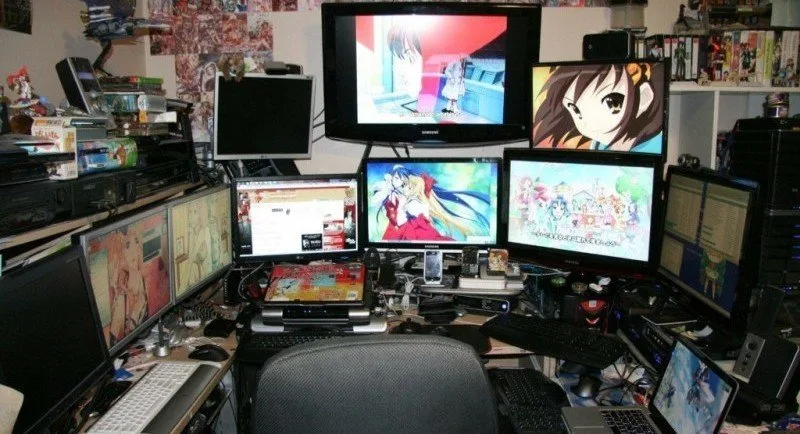
Today the article is a bit more serious: how otaku culture shapes its followers — what shifts when manga, anime, and related hobbies stop being “just free time” and start filtering how you think, socialize, and measure a normal day.
This piece draws on observations and experiences around the scene. Passion is fine; the line that matters is measure. Nobody needs to “cure” their favorite series — the point is balance between fandom and the rest of life. Excess is what hurts, not the hobby itself.
Contents 3
How does it change your way of thinking and acting?
Surely things change, and sometimes you do too. What follows is not a medical label — it is a honest trail many fans recognize in intense phases.
Right after diving deep into the scene, mood can drop: comparison with other fans, pressure to “belong the right way,” and the sense of suddenly ticking differently from your circle. The side of wanting to keep appearances often stays — and that friction shows when friendships cool or distance grows from people who matter.
The world around you gets a new filter. The way of seeing things shifts: you chase the sad side of a story, invent impossible possibilities, and find beauty exactly there. That is often the charm of strong works — and the point where fiction and daily life start to bleed into each other.
The desire to socialize with “everyone” can shrink; confidence comes more easily through a screen. You notice you are different from others — partly by choice, partly as a side effect of the hours invested. People may seem innocent or numb to your way of thinking. Often they simply hold different priorities, not a moral ranking.
Ideals about romance can move too: less of the forbidden love script from anime, more retreat behind a new goal — not falling in love, keeping distance, because few people nearby share the same ideal. That is distance, not superiority.
The hardest part is living inside a fantasy world, even when it looks childish; something grows and cannot simply be switched off. That world is often the same dream world other people have — only with bigger ambitions and denser detail. Being different can be good; dreaming can sharpen you. An empty world built only as escape empties you inside.

Social life: community and withdrawal
Intense hobbies create tension — and for otakus that is not automatically unique. A known risk in the Japanese context is drifting toward hikikomori-like withdrawal or a day-to-day close to a NEET pattern: little outside contact, little structure, a lot of screen.
Cutting yourself off from society, or rarely signaling that you are still around, mainly hurts you. When the intense phase ends or softens, friends may have reorganized, and opportunities may have passed — the job you wanted, new connections, a relationship, an exchange that would have shown the world from another angle.
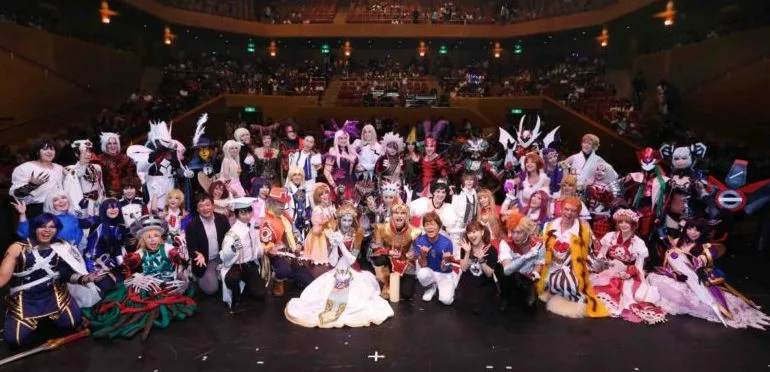
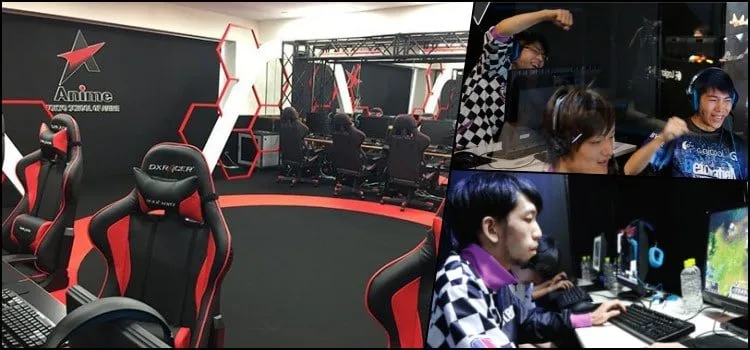
At the same time, otaku culture is not only isolation. Forums, Discord servers, conventions, cosplay meetups, and places like Akihabara show the other side: shared knowledge, a common language, people who love the same series. Anyone who only knows the shut-in caricature misses how strongly fandom can build bridges — online and offline. The nuance: community does not automatically heal loneliness, but it offers alternatives to pure withdrawal.
Bullying and prejudice can leave deep marks. Locking yourself in a room and only watching anime can feel safe — and still spend time and options. There are spaces where you will be accepted; the craft is using them without shutting off the rest of life. If you want the word otaku itself clarified, meaning and image depend heavily on time, place, and point of view — historically harsher in Japan, often worn with pride as a self-label in the West.

Hobby instead of addiction: what helps day to day
You do not need to abandon the passion for life to work again. What helps more is turning a compulsive loop into a manageable hobby — with limits you set yourself:
- Spend time with different people, or with people who know similar phases and talk about them honestly;
- Practice closeness offline, not only in chat;
- Keep a job, studies, or steady income as an anchor — structure protects against drift;
- Walks, sport, or a second interest that has nothing to do with the fandom;
- Use articles, forums, and real support when withdrawal starts to hurt — not only more episodes as comfort;
- Plan collecting, watching, and talking on purpose instead of “only that”;
- Keep the passion, but so that it shares space in your life instead of eating everything.
In the end this is not a verdict on otaku culture. It shapes language, consumption, humor, aesthetics, and sometimes how you think about love, success, and “normal.” Noticing that is the chance to steer: more community, less pure withdrawal; more measure, less empty world. The series can stay — and so can your ability to act.

Community
Comments
0 comments
There are no published comments in this language yet.
Send comment