
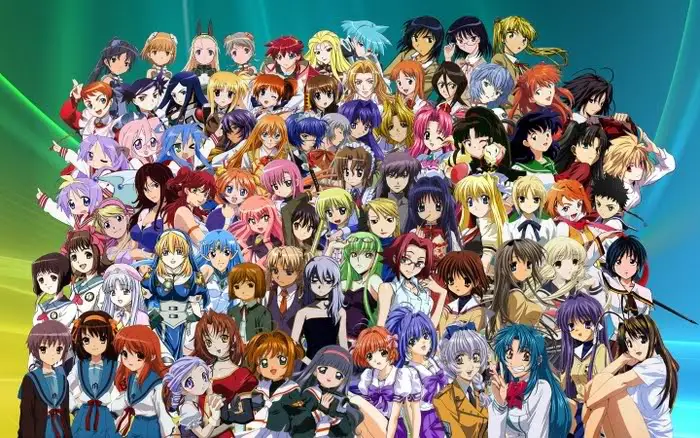
In Japan, anime and manga sit in everyday life: TV screens, bookstores, commutes, free time. Outside Japan, the same works often meet a colder welcome — skepticism, blanket judgments, and sometimes outright dismissal before anyone finishes a single episode.
If you like anime and have tried to explain that taste, you may know the feeling: the other person nods, stays polite, and keeps the old picture in their head. This article will not turn skeptics into fans. It can, however, separate a few stubborn prejudices more cleanly — and ask for respect even when tastes never meet.
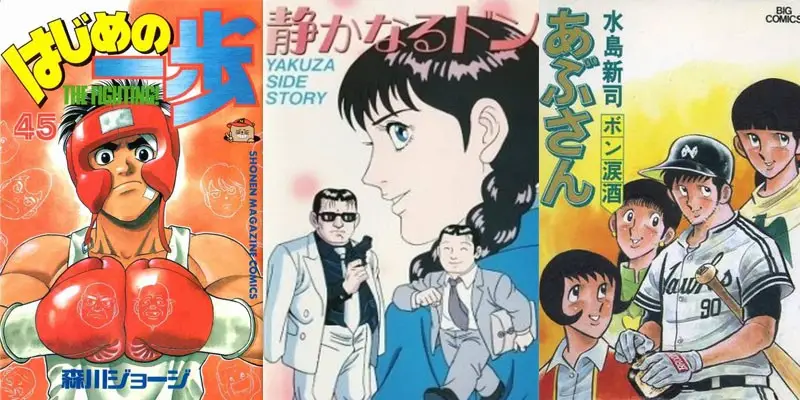
Contents 4
Anime and religion
In some Christian circles, fans hear that anime is “the work of the devil,” full of spiritualism, violence, and immorality. The problem with that blanket claim is simple: the same themes show up in series, films, and books that nobody bans as a whole medium. Content is content — and genre is genre.
If you live by religious principles, you do not stop watching television or going to the movies just because some titles are inappropriate. Hundreds of new anime titles appear every year: romantic comedies, slice-of-life stories, dramas, school series, and works that never touch faith, graphic violence, or adult themes. If a specific show clashes with your values, criticize that show. Condemning “anime” as a whole mixes individual titles with an entire medium.
Plenty of Japanese animation also portrays daily life, manners, and relationships — not only action and fantasy. Complain about the series that bothers you. Do not dismiss all Japanese animation without knowing it.
“Anime is for kids”
Some people call anime childish simply because it is drawn. That is about as sharp as saying every video game is a toy — without looking at genre, audience, or storytelling form. Animation is a medium, not an age stamp.
Anime has genres the way movies and series do: slice of life, thriller, sports, historical drama, horror, comedy, titles with a clear youth rating, and works aimed squarely at adults. Anyone who claims “anime is only for kids” has often seen only children’s series, confused art style with target audience, or turned one bad first experience into a rule.
Some people simply prefer live action over animation. That is taste, not proof. Arguing about it usually ends in the same unproductive war as old gamers versus new gamers, or iOS versus Android: a lot of noise, little understanding.

“I don’t like anime”
Many people do not enjoy Japanese animation. Some like Western cartoons but not anime. Others grew up on dubs and do not want subtitles. Others watch one title they dislike and decide every series is the same.
You have every right to choose what you enjoy. What does not follow is treating fans with contempt because their taste is not yours. How do you feel when someone mocks something you care about? Mutual respect still applies when the medium is drawn in Japan.
Otaku and the easy target
One of the loudest reasons people criticize Japanese animation is the stereotype of the otaku — the obsessed fan who becomes the face of the whole medium. That debate is messy: it mixes real social issues in Japan, media panic, and Western caricature. Not every fan is a recluse, and not every recluse is defined by anime. For the extreme of social withdrawal, the conversation often drifts toward hikikomori, which is a different problem with a different weight.
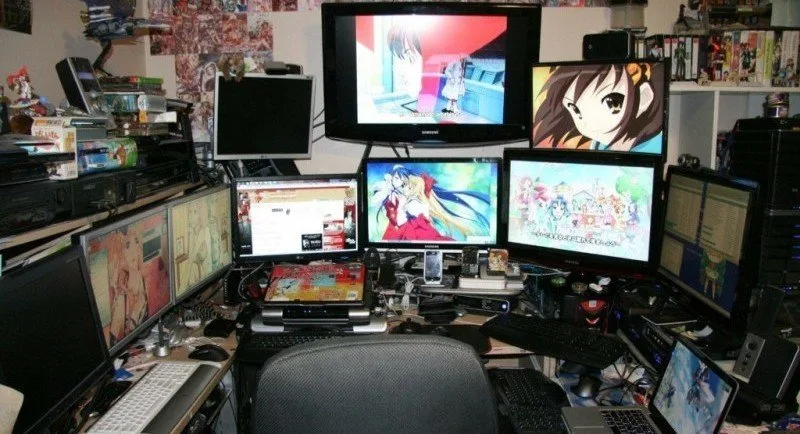
If anime takes over every conversation and every free hour, that is worth noticing — not because the medium is evil, but because any hobby can tip into compulsion. Sharing Japanese culture can be generous. Forcing it on people who already feel judged can also feed the prejudice you want to fight.
And you? Where does respect end and stubborn stereotype begin, on either side of the screen?



Community
Comments
0 comments
There are no published comments in this language yet.
Send comment