
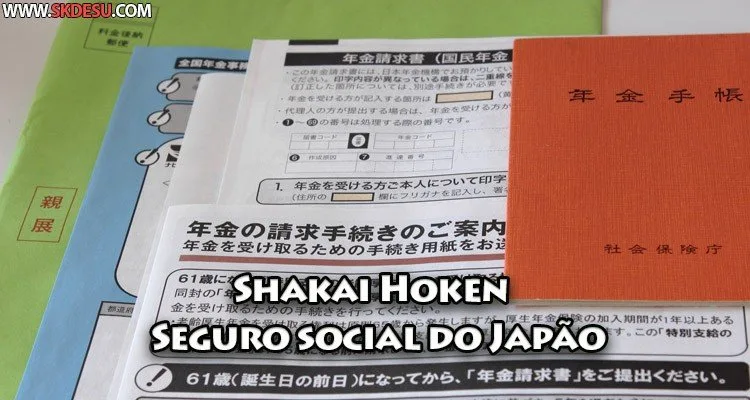
The Shakai Hoken (社会保険) is Japan's employee social insurance system, bundling health coverage, retirement pension, unemployment and workplace accident insurance, and a funeral benefit. If the insured passes away, the family receives a survivor pension; if they become unable to work, there is a disability pension; and in case of illness, the insurance covers roughly 70% of medical costs. For anyone working as a regular employee in Japan, the Shakai Hoken is the backbone of their social security.
The system is administered by the Japanese government, and enrollment is normally handled through the employer. If you want to understand which benefits are bundled into your employment contract, you need to understand the Shakai Hoken. Let's walk through its building blocks step by step.
Contents 9
Structure of Shakai Hoken
The Shakai Hoken combines several pillars that are all managed in a single system through the employer. In daily life you will mostly meet the health and pension components; alongside them sit smaller contributions for unemployment and workplace accidents.
Health insurance (Kenko Hoken)
The Kenko Hoken (健康保険) covers 70% of medical costs for doctor visits, hospitalisations and treatments. Insured individuals pay the remaining 30%, with a monthly ceiling of about 80,100 yen per patient, so that even expensive treatment stays predictable.
If you are unable to work because of an injury or illness, the insurance pays about 60% of your lost wages for up to a year and a half. Pregnant women receive 60% of their salary during maternity leave, and there is a lump-sum childbirth allowance of 420,000 yen. The plan also helps cover the cost of orthopaedic devices, physiotherapy and other medical treatments.
Pension insurance (Kosei Nenkin)
The Kosei Nenkin (厚生年金) is the employee pension pillar of the Shakai Hoken and pays out a pension from age 65, provided the worker has contributed for at least 10 years. The minimum contribution period used to be 25 years, but it was lowered to broaden eligibility. Payments continue for life, and if the insured dies, the surviving dependents are entitled to an annual survivor pension that can exceed 1,000,000 yen.
For workers who become disabled there is a disability pension. Foreigners who have contributed to the system can also apply for a refund of their contributions when they leave Japan, depending on the length of their coverage and certain conditions.
Registration and who is required to contribute
Enrollment in the Shakai Hoken is mandatory for all employees who work more than 20 hours per week, hold a contract of at least two months, and earn more than 88,000 yen per month. The employer must register its staff in the system and covers roughly half of the total contributions. Self-employed workers and freelancers are not covered by the Shakai Hoken, but they can join the Kokumin Kenko Hoken (National Health Insurance) and the Kokumin Nenkin (National Pension) instead.
How much do you pay?
The cost of the Shakai Hoken depends on the prefecture where the insured lives and on the salary they receive. As a general guide, the total contributions are split roughly into:
- about 10% of salary for health insurance;
- about 17% for pension insurance;
- about 1% for other benefits such as unemployment insurance.
Half of the total amount (around 28% combined) is paid by the company, and the other half is deducted from the worker's salary. For example, on a gross monthly salary of 330,000 yen roughly 40,000 yen will be withheld for the Shakai Hoken, with about 15,000 yen going to health insurance and 25,000 yen to the pension.
Additional benefits
Beyond day-to-day medical and pension coverage, the Shakai Hoken also includes extra protections for the worker and their family in specific life events.
Funeral assistance and survivor pension
If the insured holder passes away, the plan covers funeral expenses of around 50,000 yen. Surviving dependents can also receive an annual pension, providing financial support to the family in difficult times.
Contribution refund for foreigners
Foreign workers leaving Japan can request a refund of their Shakai Hoken contributions through the Lump-Sum Withdrawal Payment. The amount depends on the length of coverage, and this option is only available to those who contributed for less than 10 years. For longer contribution periods it is also possible to keep receiving the pension from abroad.

Alternatives to Shakai Hoken
If you do not qualify for the Shakai Hoken, alternatives such as the Kokumin Kenko Hoken (National Health Insurance) and the Kokumin Nenkin (National Pension) are available. These are run by local municipalities and are mandatory for all residents in Japan aged 20 and over. They offer similar coverage, but the contribution amounts vary with income and personal circumstances.
The Shakai Hoken is a complex system, but it is essential for anyone working in Japan. Have you been enrolled in the Shakai Hoken as a full-time employee, or are you joining the Kokumin Kenko Hoken as a freelancer? And if a refund is on the table, are you planning to leave Japan for good or to come back within a few years? Share your situation in the comments — it usually helps other readers in the same boat.



Community
Comments
0 comments
There are no published comments in this language yet.
Send comment