
Ask ten people where to begin with Japanese and you will get ten confident answers—and most of them will clash. That is not a bug in the language; it is what happens when a writing system, a grammar, and a mountain of vocabulary all arrive at the door at once.
There is no single correct sequence that works for every life and every goal. There is a clearer way to prioritize. This is how I break the mess down, as a set of working tips rather than a rigid curriculum.
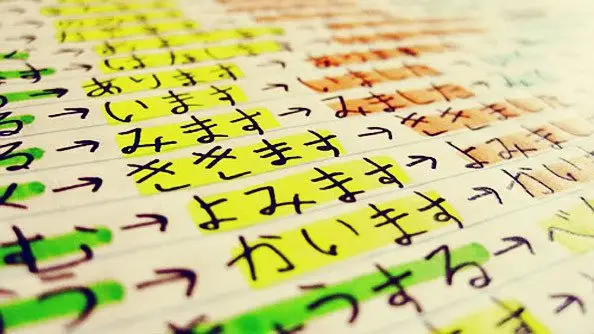
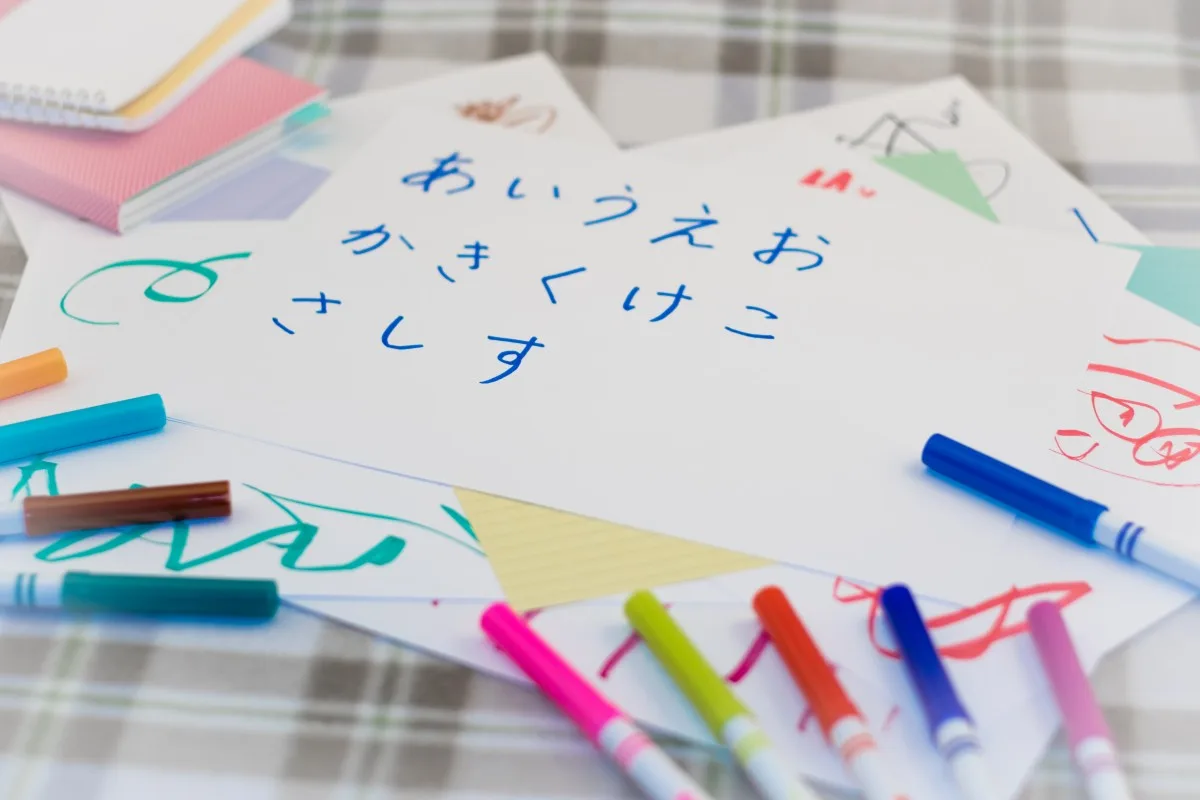
First move: drop romaji as your main writing system and learn hiragana and katakana early. If you refuse both, Japanese study turns into a slow translation game and you lose time you could have spent reading. With steady practice, many learners can get functional with hiragana in about a week—and that alone opens graded texts, apps, and anything with furigana.
After the scripts, the rest is not a strict ladder. It is a set of priorities that shift with what you need right now. Below is what is worth studying, and a practical way to stack those priorities.
Contents 4
Vocabulary
This is the main engine of learning Japanese: you should focus on words. Read, listen as much as you can, and learn how those words actually show up in sentences. Do not force a random daily list into your head as if sheer pressure equaled progress. Study real content and let the high-frequency words keep returning.
Growing vocabulary is a strong way to start if you already have kana, because words pull kanji readings and grammar patterns along with them. Aim for the ability to recall a word when you need it—not for a perfect flashcard streak that never appears in a real sentence.
How do you grow vocabulary without burning out? Music, Anki or another spaced-repetition deck, Japanese sites and graded readers, course materials, apps, and a decent dictionary. There are thousands of routes. The common mistake is rushing every route at once.
Start by giving verbs special attention. With solid verbs you can understand and build many sentences much earlier. Learn adjectives, nouns, and set phrases at the same time—verbs are a priority, not an exclusive diet.
Be careful: Japanese words change meaning with context, particles, and politeness. Only time and real contact with the language will settle those edges.
Grammar
Grammar is often the real enemy of momentum—sometimes worse than kanji. Japanese grammar is consistent once you see the patterns, but word order, particles, and verb endings do not map cleanly onto English or other European languages. Automatic translators keep missing those pieces, so lean on them only as a last resort.
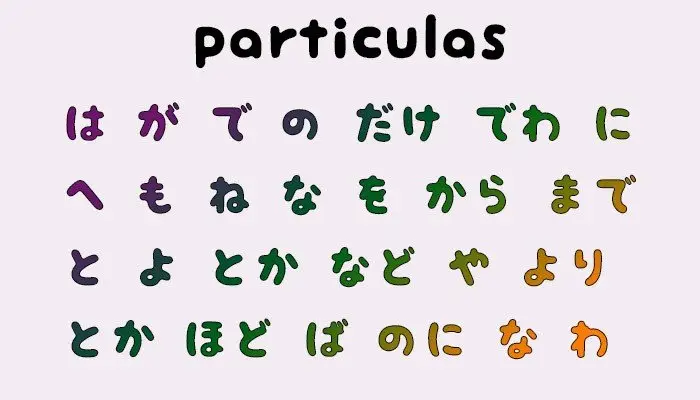
A practical first pass: learn the main particles in detail and the core conjugations of verbs. Then absorb content—read short texts, listen to simple sentences, and notice how the same pattern repeats. The more natural sentences you take in, the fewer mechanical mistakes you invent when you speak or write.
If one corner of grammar keeps breaking your sentences—particles, tense, or formality—put pressure on that weak point instead of floating past it. Weak points only get quieter until they block everything else. Dig into the differences the language keeps throwing at you; they are not decoration.
Kanji
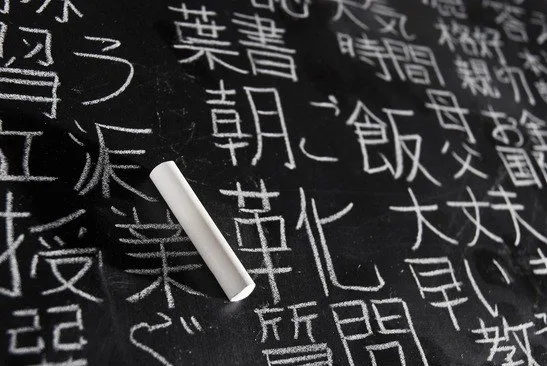
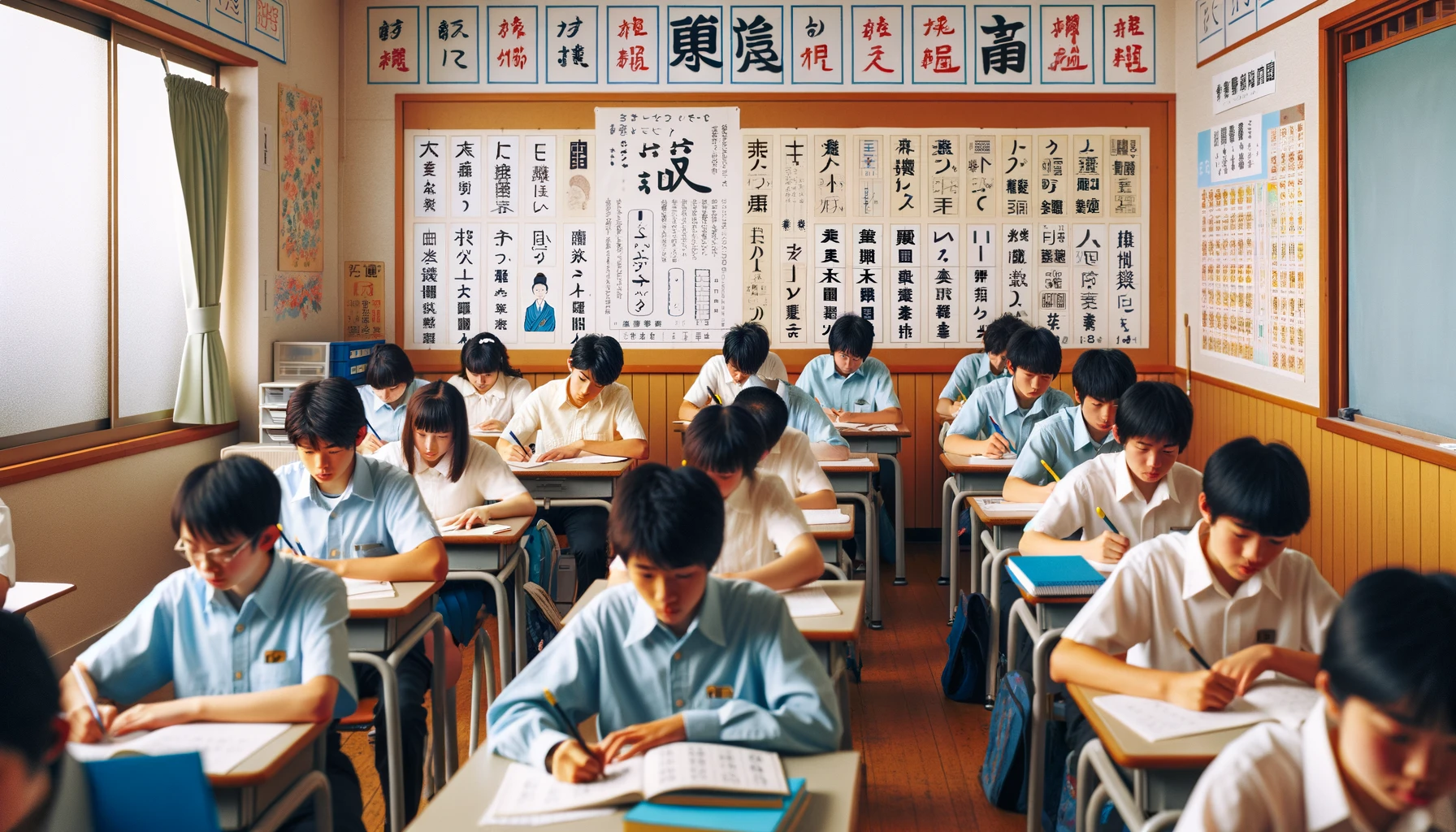
Japanese ideograms take a long time. Plenty of people freeze before they start. You do not need that fear. Kanji are necessary for reading and writing Japanese at any serious level.
If you want usable Japanese sooner and you are not training to become a shodō artist, put hand-writing every character on the back burner at first. Learning stroke order for hundreds of kanji one by one can stall progress for years without making recall much stronger. After I stopped treating writing drill as the main path, I had already absorbed a large amount of kanji just by reading and studying words in context.
Take a text with furigana and start reading. When you learn words, learn them with their kanji—especially verbs, which reuse a useful set of characters and are easier to remember as whole units.
Learning whole words usually beats memorizing isolated readings. What good is knowing a reading if you still misread the word on the page? The productive path is less “kanji as a separate subject” and more “kanji as the face of vocabulary you keep meeting.”
One piece that does deserve deliberate study: radicals. Once you recognize common components, new kanji stop looking like random ink, and writing them later becomes far less painful.
A practical priority order
When you study Japanese, expect mistakes, plateaus, frustration, and forgetting. That cycle is not a sign you chose the wrong method; it is part of the process.
There is no single correct order that fits everyone. There is a useful way to prioritize. Mine looks like this for skills:
- Read
- Listen
- Absorb
- Understand
- Write
And this for study focus:
- Vocabulary
- Verbs
- Sentences
- Grammar
- Kanji
- Writing
In practice, kana sits before all of that as a gate, not as a lifelong project. Once you can read hiragana and katakana, this stack keeps vocabulary and real sentences ahead of perfect handwriting. If you follow those priorities, the rest of the language starts filling in instead of staying abstract. How do you order your own study—and what would you put higher on the list?





Community
Comments
0 comments
There are no published comments in this language yet.
Send comment