
Korokke (コロッケ) is the Japanese take on the French croquette — and the first bite is all about contrast: a shatter of panko outside, soft potato and seasoned meat inside. The dish entered Japanese menus around 1887, during the rise of yōshoku (Western-inspired home cooking), when cooks swapped cream-heavy fillings for mashed potato that was easier to make at scale.
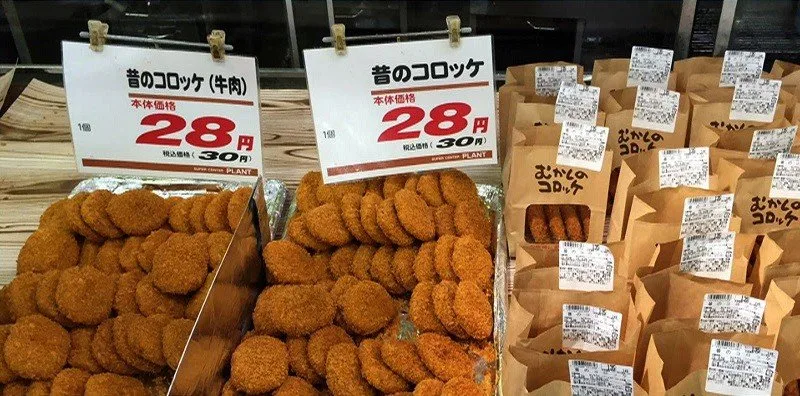
Today you still find korokke at butcher shops, supermarket delis, and convenience stores across Japan, often for well under 200 yen a piece. It shows up in obento, on weeknight tables with rice, and as a quick street snack. Below: what sets it apart, the main varieties, how it is usually served, and a home recipe that keeps the shell crisp.
Contents 7
Getting to know the Japanese croquette
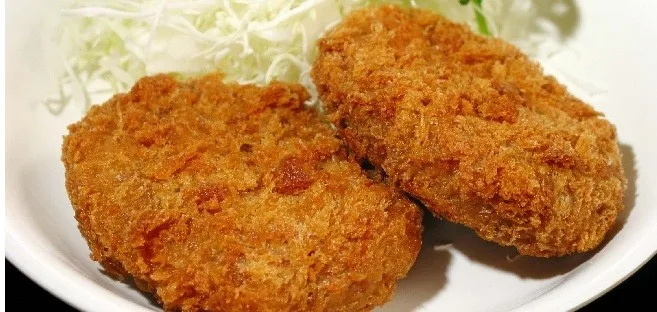
Classic potato korokke is a flat oval patty of mashed potato mixed with a little ground meat and onion, dredged in flour, egg, and coarse Japanese breadcrumbs, then deep-fried until golden. That panko crust is the biggest everyday difference from many European croquettes: the flakes are larger and stay crunchy longer.
French croquettes often rely on béchamel; early Japanese versions leaned on potato because dairy processing was less common when the dish arrived. The result is a filling that is fluffy rather than creamy-sauce heavy — closer to comfort food than restaurant garnish.
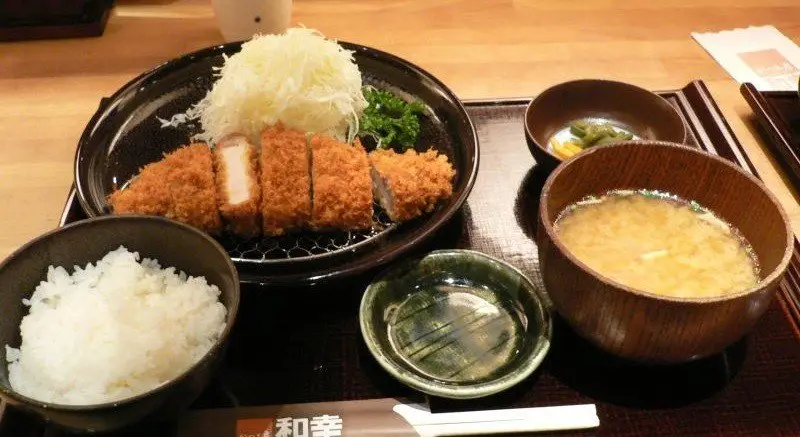
Texture-wise, korokke sits in the same family as other panko-fried favorites such as tonkatsu: everyday enough for a weekday meal, refined enough when you plate it carefully with shredded cabbage and a good sauce. Fresh from the fryer is still the best version — the shell softens as it cools.
Types and varieties of korokke
Names usually follow the main filling: (ingredient) korokke. Shops also sell them wrapped in paper for takeaway. Pressed between bread slices, the sandwich becomes korokke pan or korokke sando.
Common types you will see on menus and in markets:
- Potato korokke — mashed potato base (the everyday standard)
- Meat korokke — ground meat folded into the potato (all-meat patties are closer to menchi-katsu)
- Tuna korokke — canned or flaked tuna in the mix
- Yasai korokke — mixed vegetables
- Curry korokke — curry powder or sauce in the filling
- Kabocha korokke — Japanese pumpkin instead of (or with) potato
- Cream korokke — white sauce base (closer to French style)
- Guratan korokke — white sauce with pasta (macaroni-style)
How korokke is usually served
At home and in casual restaurants, a common plate is one or two croquettes with finely shredded cabbage salad, a mound of Japanese rice (gohan), and a drizzle of tonkatsu sauce (a thick, sweet-savory Worcestershire-style sauce). They also work as a drinking snack or party finger food if you shape smaller patties.
In Japan, freshly fried korokke from a neighborhood butcher is still a small ritual: buy one hot, eat it while it is still crackling. Leftovers reheat better in an oven or toaster oven than in the microwave if you want the crust back.
Korokke recipe (potato and ground meat)
This is a straightforward home version of potato-and-meat korokke. Starchy potatoes (such as russets) give a fluffier mash; cool the patties before breading so they hold together in the oil.
Ingredients
- 5 medium starchy potatoes
- 200 g ground meat (beef, pork, or a mix)
- 1 small onion, finely chopped
- Salt, black pepper, and a pinch of nutmeg
- 1 tbsp butter or neutral oil (for the onion)
- Wheat flour, for dredging
- 1 egg, beaten
- Panko (Japanese breadcrumbs), for coating
- Neutral oil, for deep-frying
- Tonkatsu sauce and shredded cabbage, to serve (optional)
Method
- Wash the potatoes and boil or steam until a skewer slides through the center. Drain well; if they look wet, shake them over low heat for a minute so excess steam escapes.
- Peel if needed and mash while hot, leaving a few small chunks for texture.
- Sauté the onion in butter or oil until soft and lightly golden, then add the ground meat. Season with salt, pepper, and nutmeg; cook until the meat is done and most of the pan moisture has cooked off.
- Fold the meat into the mashed potatoes. Taste and adjust salt. Let the mixture cool until you can handle it comfortably.
- Divide into equal portions and shape into flat ovals about 1.5–2 cm thick. Chill 15–30 minutes so the patties firm up (this reduces bursting in the oil).
- Dredge each patty in flour, then egg, then a generous coat of panko. Press gently so the crumbs stick.
- Heat oil to about 170–180°C (340–350°F). Fry a few pieces at a time until deep golden. Drain on a rack or paper towels.
- Serve hot with tonkatsu sauce and cabbage salad, or tuck one into a sandwich for korokke sando.
Quick tips for a crisp shell
- Dry filling: wet potato or juicy meat makes the crust soggy and can split the shell.
- Do not overcrowd the pot: oil temperature drops and the breading absorbs more fat.
- Panko matters: Japanese-style flakes stay airier than fine Western breadcrumbs.
- Make-ahead: shape and bread, then freeze uncooked; fry from frozen without thawing, a few at a time.
Korokke rewards simple technique more than exotic ingredients: dry mash, seasoned meat, cold firm patties, and hot oil. Once you have the rhythm, you can swap in curry powder, tuna, or kabocha and still keep that same panko crunch.

Community
Comments
0 comments
There are no published comments in this language yet.
Send comment