
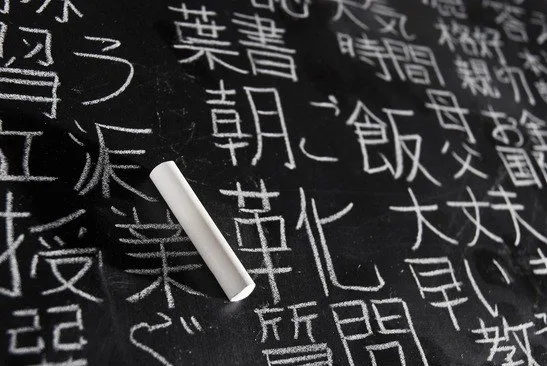
Furigana [振り仮名] are those tiny hiragana letters that sit above or beside a kanji and spell out how that character is read in that word. They are not decoration: they keep dense Japanese readable when a reading is rare, ambiguous, or still new to you.
The word furigana [振り仮名] comes from the verb furu [振る] + gana (from kana), the phonetic Japanese letters hiragana and katakana. Other names you will hear are rubi [ルビ] and yomigana [読み仮名], literally “reading kana.”
The verb furu covers a cluster of meanings — to shake, to allocate, to add, to change. That “add / attach” sense is a neat fit for attaching a kana reading onto a character in the text.
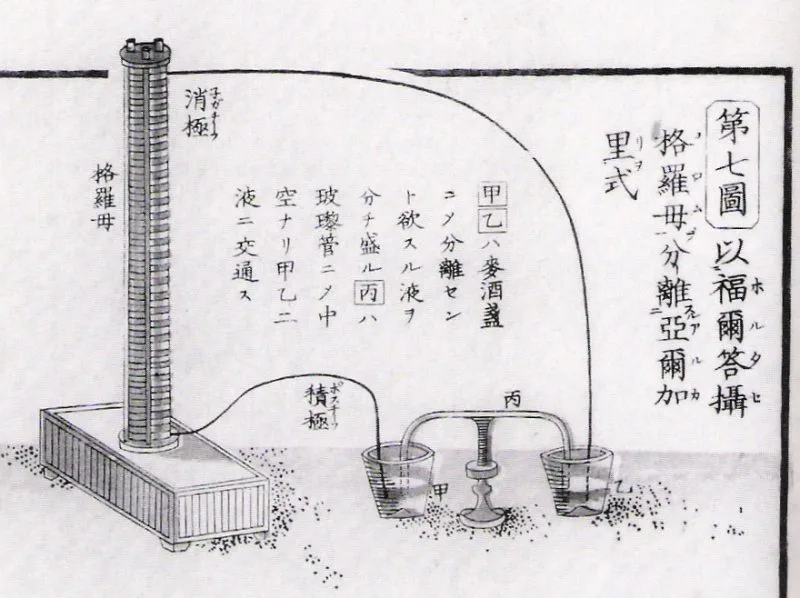
Furikanji — the reverse also happens. A word written in hiragana or as a foreign loan can get a small kanji gloss that points to meaning, the same way furigana points to sound. It is rare, but once you notice it in manga or stylized copy, you cannot unsee it.
Contents 5
When does furigana appear in Japanese?
Some people treat furigana as an extra learners invent. In real Japanese, it shows up on its own whenever the reading is not safe to assume — and that includes adult material.
Furigana is most common on rare words even a native adult might hesitate over. The more child-oriented the text, the more furigana you usually see; the more specialized or mature the text, the less — until a technical term, an unusual name, or a non-standard reading needs a hand.

Adult texts still use it for technical vocabulary from a field not everyone shares, and sometimes to hint at a synonym or a deliberate double reading rather than the “dictionary” pronunciation alone.
Another classic case is ambiguity: the same kanji string can take more than one reading, and context does not always settle it. Furigana is not mandatory every time — often the sentence makes the choice obvious — but when it matters, the small kana removes the guesswork.
You also meet furigana on kanji that carry a foreign-style reading. Country names written in older or decorative kanji sometimes get katakana furigana for the modern pronunciation. Example: Brazil [伯剌西爾 (ブラジル)].
What furigana does (and does not) do for learners
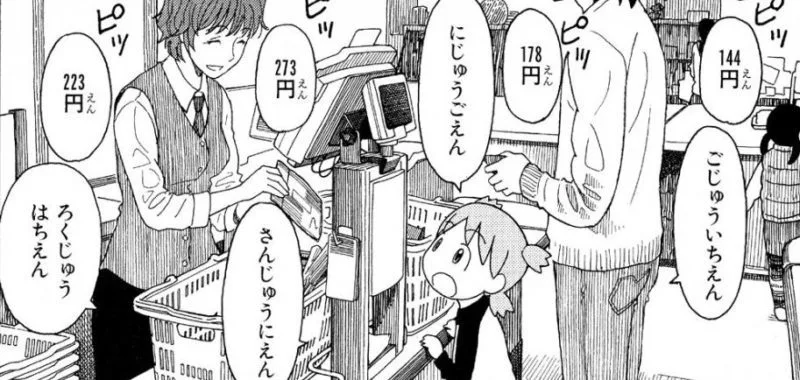
Like romaji, furigana is a double-edged tool. It lets you move through almost any text without stopping on every unknown kanji — and that speed can slow real recognition, because your eyes learn to skim the tiny kana instead of the character you meant to learn.
People sometimes assume furigana will “teach” readings by exposure alone. It helps when you already meet the same word often, but it is rarely enough by itself. Pasting a single kanji or compound into a dictionary or flashcard workflow often sticks better than drowning a whole page in auto-generated ruby.
Many learners lean on romaji to decode Japanese, but romanization becomes a dead end once hiragana is solid. Furigana stays inside Japanese script: use it when a text is above your level, then taper it off as readings become automatic — not as a permanent substitute for learning kana and kanji.
How to add furigana to texts with kanji
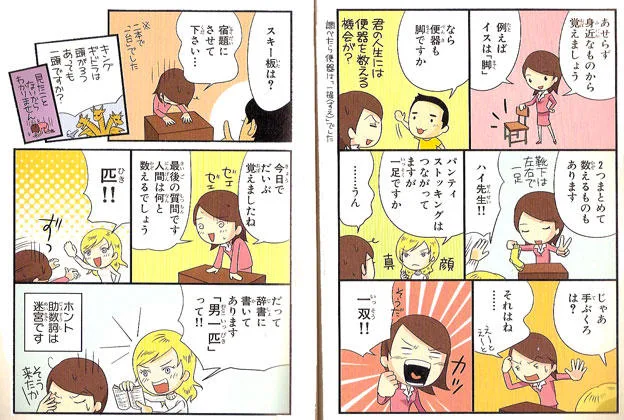
Furigana is common in karaoke lyrics, children’s books, learner editions, and plenty of manga. When a raw article, web novel, or scan has none, converters and browser tools can inject readings — with one important caveat.
Auto generators do not always pick the correct reading for a given kanji in context. A classic failure is 方: tools may paste hou when the word needs gata (or another reading). Treat machine furigana as a draft, especially on names and isolated characters; compounds that usually travel together tend to fare better.
Working online converters and related helpers (open the link in each line):
- JCinfo ruby / furigana tool — paste Japanese text and add furigana, or convert the whole string toward hiragana.
- EZLang kanji to kana converter — free browser tool that annotates kanji with ruby-style readings.
- Tatoeba furigana tool — converts sample text and can also surface romaji when you want a second check.
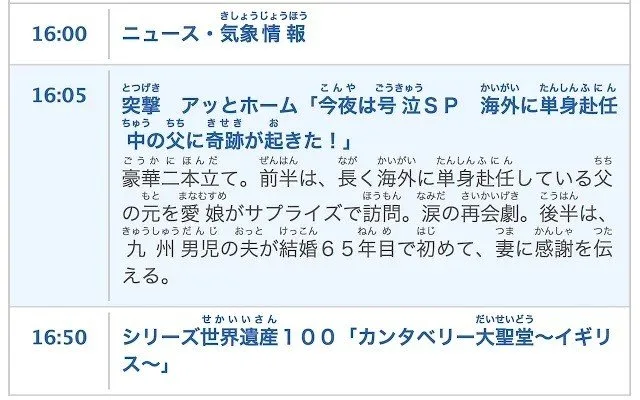
Browser extensions and mobile apps can also paint furigana onto live pages or photos of print. Whatever the tool, skim the output for names and ambiguous kanji before you trust it for study or karaoke.
Okurigana is not the same thing
Okurigana is different from furigana (and from furikanji). Okurigana is the normal-size hiragana that belongs to the word itself — the inflectional tail on verbs and adjectives, or other kana that complete a kanji stem (for example the る in 食べる). It is part of standard orthography, not an optional ruby layer. Confusing the two makes grammar explanations harder than they need to be.
Putting furigana to work
Used with a light hand, furigana is one of the most practical bridges into real Japanese text: manga, signs, song sheets, and learner editions all rely on it. Prefer it over romaji once kana is comfortable, double-check auto readings, and keep a path to look up the kanji you actually want to own.
Furigana is especially handy when you hunt Japanese lyrics to sing along. For that workflow, see our tips for finding Japanese song lyrics.




Community
Comments
0 comments
There are no published comments in this language yet.
Send comment