Do you know the largest province of Japan called Hokkaido? In this article, we will walk through the north of Japan on the second largest island of the archipelago and its numerous highlight cities such as Sapporo, Hakodate, Otaru, and Asahikawa.
You will enjoy the experience I had in Sapporo; in this section, I will share all the details of my trip and the places I visited. The article is quite extensive, so to make navigation easier, we will provide a summary below:
Table of Contents
Hokkaido – The Path of Sea and Snow
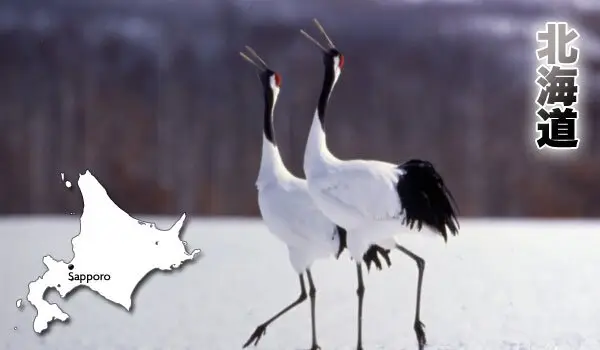
Hokkaido (北海道) means “path of the sea to the north”. Its population is about 5 million inhabitants and it has an area of 83,452.47 km².
The largest city in Hokkaido is its capital, Sapporo, considered the fifth largest city in Japan. The second largest city in Hokkaido is Asahikawa, followed by Hakodate. Other interesting cities include Otaru, Obihiro, Nemuro, Kushiro, and Abashiri.
The province of Hokkaido has a total of 180 municipalities, with 35 considered cities, 130 towns, and 15 villages. Many of these cities have become famous for the quality of their local production or geographical features.
Hokkaido is an island that is somewhat separated from the main island of Japan. The only tunnel that connects Hokkaido with the main island of Japan is called the Seikan Tunnel.

Sapporo, the capital of Hokkaido, is the fourth largest city in Japan with 2 million people.
There are dozens of flights from Tokyo to Sapporo daily. It is an extremely competitive route that usually offers good prices. For almost 20 years, Tokyo to Sapporo was the busiest flight route in the world.

Hokkaido is famous for its Snow Festival and numerous winter attractions. Despite the heavy snow that hits Hokkaido, the province is known for its farms and rural areas, as well as having beautiful flower fields during the summer. Furano is one of the cities filled with flowers in the summer and also the coldest place in winter.
Hokkaido is the 21st largest island in the world.

Tourist Attractions in Hokkaido
Sapporo is a city full of tourist attractions; within it, we find numerous places such as museums, parks, historic villages, festivals, and snow-covered mountains. It is possible to create an article with 100 things for tourists to visit in Sapporo. Each city has numerous attractions, and there are countless parks and mountains to explore.
There are many protected forests and 6 beautiful national parks which are:
- Shiretoko National Park (知床);
- Akan National Park (阿寒);
- Kushiro Wetlands National Park (釧路湿原);
- Taisetsuzan National Park (大雪山);
- Shikotsu-Toya National Park (支笏洞爺);
- Rishiri-Rebun-Sarobetsu National Park (利尻礼文サロベツ);

Besides these parks, there are 5 other parks that are close to national parks, beautiful gardens, and 12 nature reserve circuits. Hokkaido is an island of forests, rivers, steep rocks, and pastures, with its highest point being Mount Asahi, a volcano whose last eruption was in the 18th century.

We also have the Utoro Village, where you find a beautiful fishing port, great onsen, and Shiretoko Park. In the beautiful Shiretoko Park, you can climb mountains, enter caves, take a boat ride, go on long hikes, and enjoy the wildlife and the beautiful waterfalls found there.
There are thousands of tourist attractions; each city has numerous attractions, festivals, temples, shrines, castles, parks, gardens, ski slopes, caves, lakes, onsen, and various beauties. Throughout the life of our site, we will choose some of these tourist spots to examine more closely; below is an image showing some of the tourist attractions in Hokkaido.

Sapporo – Capital of Hokkaido
Sapporo [札幌] is the fifth largest city in Japan, the capital of Hokkaido province. The city has about two million inhabitants and is famous for its Snow Festival and for creating miso ramen. It is the largest tourist destination for those visiting Hokkaido.
Sapporo is also known as the birthplace of Sapporo Beer; there is even a very fun free museum that allows you to drink beers for free. The city also has an incredible hybrid stadium for soccer and baseball and the famous Maruyama Zoo.
Susukino
The entertainment district of Susukino is among the largest and most well-known in Japan. Susukino is one of the most famous neighborhoods in Sapporo for its restaurants and night bars. It is much less censored than the rest of Japan.
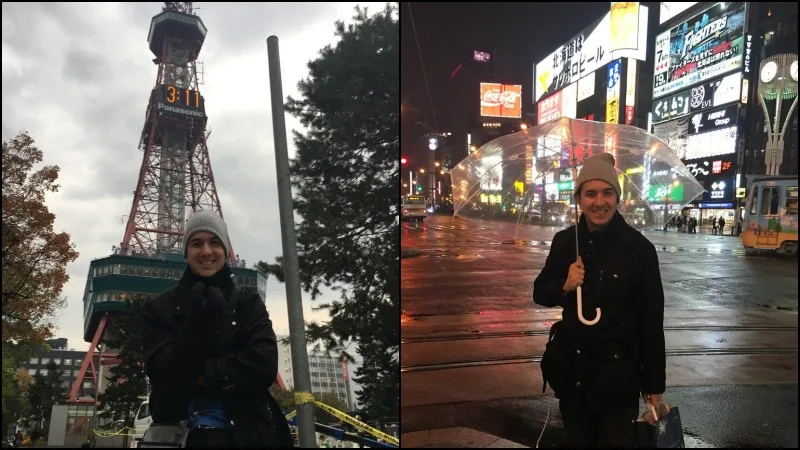
Posters and flyers, strip bars, and waitresses in flashy outfits are scattered and visible to all. We had the chance to visit an onsen in the area and also visit the famous Panasonic tower, close to the city center.
Unlike Kabukichou or other nightlife and adult entertainment districts, Susukino does not hide. The information centers are large and filled with posters revealing nightclubs, escort bars, and other suspicious things.
My Experience in Sapporo
On my trip in 2018, I spent 5 days in Sapporo; it was a short time, but many things happened. Now I want to share my experience in Sapporo and take the opportunity to present tourist attractions and give some tips for those who intend to visit Hokkaido.
The Clock Tower in Sapporo
In the center of Sapporo, you find the famous Panasonic Tower… This tower offers a complete view of downtown Sapporo and the beautiful street separated by a square/garden that extends along the four avenues surrounding the tower.
Then we went down the main avenue to meet a Japanese friend and continued walking along this colorful avenue lined with autumn leaves called… After that, we headed to Susukino, one of the largest nightlife districts in Japan and the world.
We passed by a Bar Restaurant where we could see waitresses in revealing lingerie entertaining the perverts on duty. The atmosphere was much tenser than the famous Kabukichou.
From my experience, I found that the women of Sapporo are much more forward than those in Tokyo and other regions of Japan. We went to a karaoke and then to a cool bar called Ies.
In this bar, the bartenders put on an incredible show that I even posted on YouTube; you can see the video below. After having some drinks and eating some fries, we went to the most important part of the night.

Black Sapporo Ramen
During these 5 days, I stayed at a friend’s house who is a coach at the Borussia (BVB) school team in Sapporo. He is Brazilian and has played in the Japan League and works in motion capture for PES.
He recommended one of the best ramens in Japan called Burakko Sapporo Ramen. A black and very hot ramen that one of my friends wanted to put ice in (lol).
It was a very small place that only opened at 10 PM; people would line up for hours to eat this ramen, and it only accommodates 6 people in this very traditional ramen house. That’s how our first day in Sapporo ended.

Yakiniku, Shiroi Koibito, and Onsen
On the second day, we went out with a friend; later we went to Yakiniku to try the famous lamb meat, then we went to the factory of one of Hokkaido’s largest chocolates, the famous Shiroi Koibito.
Unfortunately, access to the factory was closed at the time, but we could buy the famous chocolate and take beautiful photos at the site. After that, we went to a large onsen where there were different types of saunas (including a cold sauna) and a well with pink sakura water.
Hakodate – The Beautiful Port City
The city of Hakodate (函館市) is located in the south of Hokkaido, a large island in the north of Japan. Hakodate maintains a temperature of around 10˚C throughout the year and between -2˚C and 3˚C in winter. The first snow falls around November and continues until the end of March.
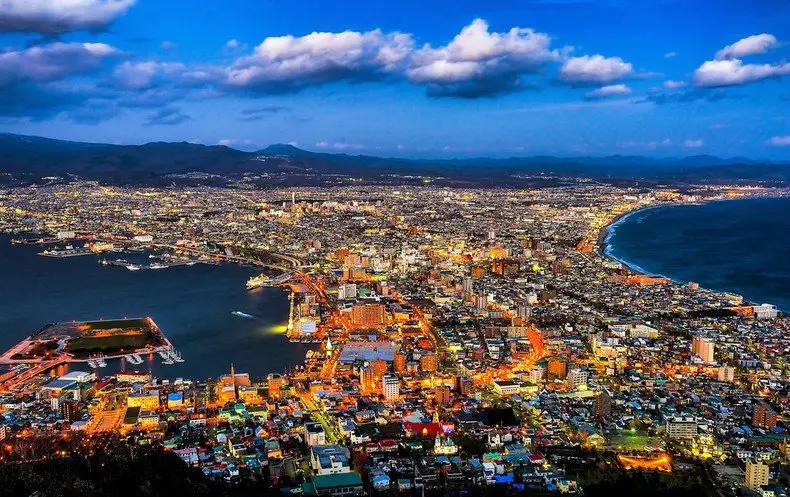
Hakodate has about 270,000 inhabitants and is the third largest city in Hokkaido, behind Sapporo and Asahikawa. A city rich in tourism, a beautiful place where you can see cherry blossoms bloom in May and fall in love with the sunset views from Mount Hakodate. And enjoy fresh seafood.
Tourist Attractions in Hakodate
There are thousands of things to see and do in this beautiful city, among them are:
Hakodate Train Station and Asaichi (Morning Market)
There is a tourist information center inside Hakodate train station, where tourist brochures are available. Next to the station, you can find the Asaichi morning market, where you can enjoy seasonal dishes and also shop and dine out.
In the locality of Minamikayabe, located in the north of the city, traces of the Jomon Period were unearthed. The clay figure “dogu” unearthed in this locality is considered a national treasure and can be seen in the Minamikayabe museum.
Port Area and Historical Buildings
You can take a walk along the port-facing area, enjoying the vast landscape. There are shopping centers, such as Kanemori Akarenga-soko, or red brick warehouses, and Hakodate Meiji-kan, which are old brick buildings that have been restored.
In 1859, Hakodate became one of Japan’s first international trade ports. From those times, the city retains religious institutions from various countries, as well as public buildings, shops, and private houses in a mix of Japanese and Western styles.

Natural Beauties of Hakodate
Mount Hakodate, Mount Esan, and Motomachi
At the top of Mount Hakodate, you can see the unique topography of the city. You will be completely fascinated, particularly by the magnificent night view, which resembles a carpet of jewels.
There are churches and Western-style buildings in Motomachi, at the foot of Mount Hakodate. It is a popular area for walks. Many of the steep streets extend down to the port and the cityscape, with its mix of Japanese and Western styles.
Mount Esan is located to the east of the city; it is an active volcano. After a hike of about an hour, you can see a dynamic landscape created by lava. The mountain is also famous for its azalea flowers and autumn leaves.
Onuma and Yunokawa
Onuma is a recreational area accessed in 20 minutes from Hakodate station by express train. A place surrounded by mountains, lakes, and forests, where you can enjoy sports and outdoor walks. In winter, you can contemplate the snowy and icy landscape.
Yunokawa is an area famous for its hot springs and is located near Hakodate Airport. There are several inns and hotels where you can enjoy hot baths and delicious food. You can see the sea dotted with bright fishing lights during the squid fishing season.
Goryokaku
In the 1860s, which corresponds to the end of the samurai period, a pentagonal fort in Western style was built, with the magistrate’s office of Hakodate inside.
You can see the shape of the fort in its entirety from the Goryokaku Tower. Goryokaku Park is also famous for its cherry blossoms. As shown in the photo below, it is one of the most beautiful places in the city of Hakodate!

Otaru – The Historical City of Hokkaido
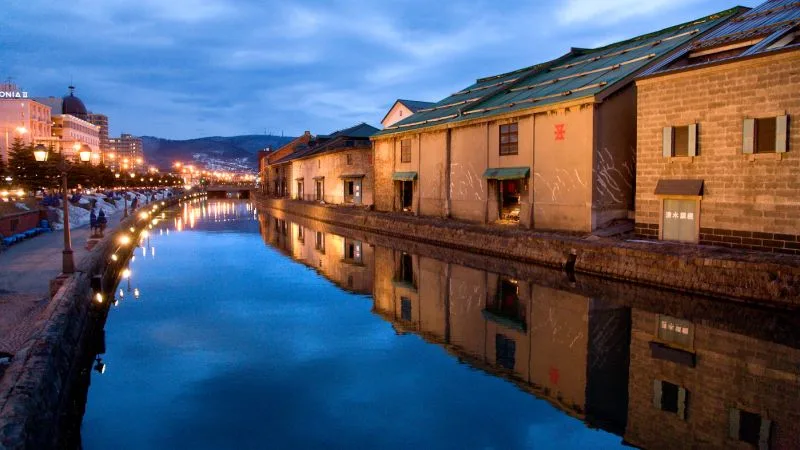
Otaru [小樽] is a city and port in the Shiribeshi subprefecture in Hokkaido, northwest of Sapporo. The city faces Ishikari Bay and has long been the main port of the bay. With its many historical buildings, Otaru is a popular tourist destination.
Being 25 minutes by car from Sapporo, it has recently grown as a dormitory community. The city has about 115,000 inhabitants and has a long history, being recognized as the former home of the Ainu tribe.
The name “Otaru” is recognized as being of Ainu origin, possibly meaning “River running by the beach.” The small remaining part of the Temiya cave contains sculptures from the Zoku-Jōmon period of Ainu history, around 400 AD.
A canal decorated with Victorian-style street lamps runs through Otaru. The city attracts a large number of Japanese and Russian tourists. Otaru is known for its beer, fresh sushi, and famous rainbow ice cream.

Herring Mansion and Other Places
A popular attraction on the west side of the city is Nishin Goten (herring mansion). This large wooden building was built in 1897 and was once the home of Fukumatsu Tanaka, a magnate of the herring fishing industry.
It was originally built in the neighboring village of Tomari and moved from there in 1958. Visitors can clearly see the difference between the squalid conditions of the dormitories for 120 workers on the first floor and the luxury of the magnate’s ground floor rooms.
Another notable building is the Sakaushi residence, built by Yoshiya Tanoue, a student of Frank Lloyd Wright. The Tomioka Catholic Church is also a popular site. Many of the buildings have been designated as architectural landmarks.
The city also has substantial shopping galleries and bazaars, but fewer than those near Sapporo. The prominent industries of Otaru are arts and crafts, such as glass and music boxes. There is the Otaru Music Box Museum.
Asahikawa
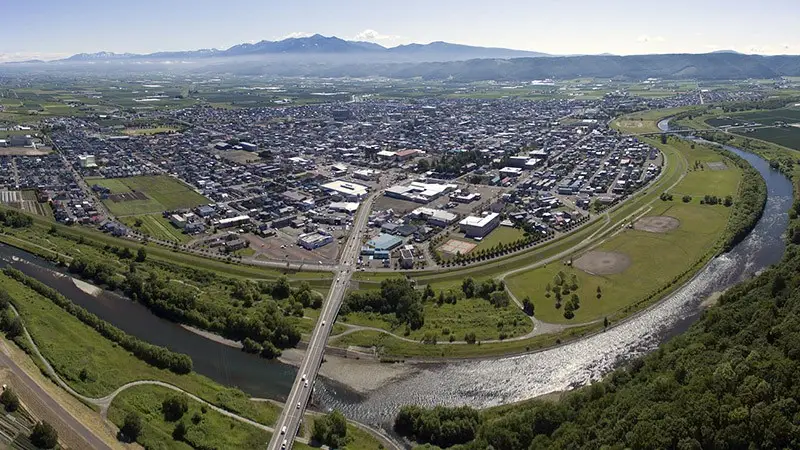
Asahikawa [旭川] is a city in the Kamikawa Subprefecture in Hokkaido. It is the capital of the subprefecture and the second largest city in Hokkaido, after Sapporo. Currently, the city is known for the Asahiyama Zoo and Asahikawa ramen.
The Ainu referred to the Asahi River as Chiu Pet, which means “River of Waves,” but it was misinterpreted as Chup Pet, meaning “river of the Sun,” and thus it came to be called Asahi River in Japanese, meaning “morning sun.”
With approximately 350,000 inhabitants, Asahikawa has influenced industry and commerce. There are about 130 rivers and streams, including the Ishikari River and the Chūbetsu River, and more than 740 bridges in the city.
Asahibashi, a bridge over the Ishikari River, is one of the symbols of Asahikawa since its completion in 1932, and it was also registered as a heritage site of Hokkaido on October 22, 2001. Every winter, a festival is held on the riverbank.

Furano – Lavender Fields
Furano (富良野) is a beautiful city located in Kamikawa in central Hokkaido with approximately 25,000 inhabitants. The city is famous for its mountainous and rural landscape, its lavender fields, and its ski resorts.
The city of Furano has a unique nickname – “the belly button city.” Every summer, a belly button festival (Heso Matsuri) is held where about 3,000 participants draw funny faces on their bellies and dance and parade in the streets.

The main tourist spot in the city is the Furano-Ashibetsu Nature Park, where we find one of the largest and most beautiful lavender fields. The best time to see the lavender flowers is from mid-July to the end of July. We have the Kitanomine area where the ski resorts and lodges are located. The most popular is the Furano Ski Resort, which attracts people from all over the world.

Attractions in Furano
Furano is known for its agricultural products; the main products in this area are onions, carrots, and melons. It also has a famous cheese factory that allows visitors to observe the cheese production process. The city also has a winery located on a hill that is open to the public and includes wine tasting.

The city has many other attractions and places to explore. For the Japanese, the city of Furano is famous for being the location of the popular TV drama “Kita no Kuni kara” aired from 1983-2002; in addition to the museum, some houses and locations became highlights thanks to the dorama. The city has a museum about the dorama, located near Furano Station.
Videos of Hokkaido, Sapporo, Hakodate, and Others
This is not even 10% of what the cities of Hokkaido have to offer. To better get to know this beautiful and giant island of the Japanese archipelago, we have left some videos below. I hope you enjoyed the Guide; if you did, share it!


Leave a Reply