
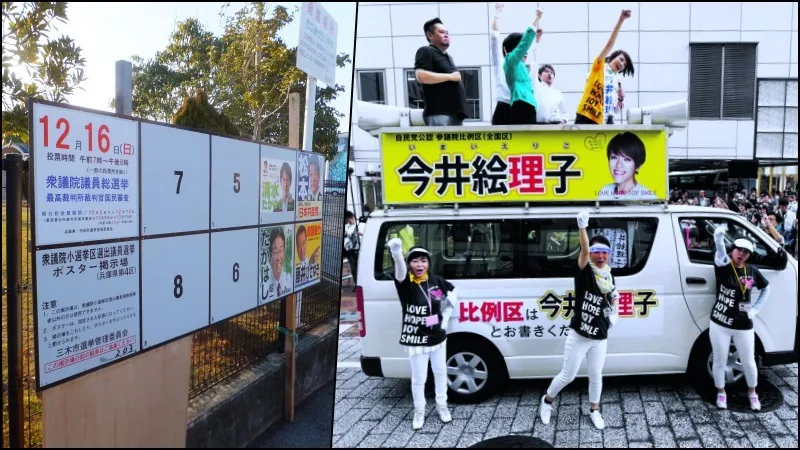
In the field of politics, Japanese has a vocabulary of its own for institutions, offices, elections, and public debate. Words such as 国会 (Kokkai, the Diet), 内閣 (Naikaku, cabinet), and 選挙 (senkyo, election) turn up in news, speeches, and language class.
The selection below brings 100 terms, from the official name of the Diet to words of ideology and government, with kanji, romaji, and a short definition. Part of the list describes Japan; the rest helps you read foreign politics in Japanese.
Curious to know how politics works in Japan? We recommend reading our article: Politics of Japan - How does the government work?
Contents 8
Learning Japanese Political Terms
To follow how the Japanese political system works, the vocabulary of institutions and elections has to sit next to the news. Papers, Diet debates, and speeches use the same kanji as the list; without them, the text turns opaque.
You can also study the terms by following political news in Japanese. Watching news programs, debates, and speeches helps you hear the words in use, and discussion groups give them a context a table cannot.
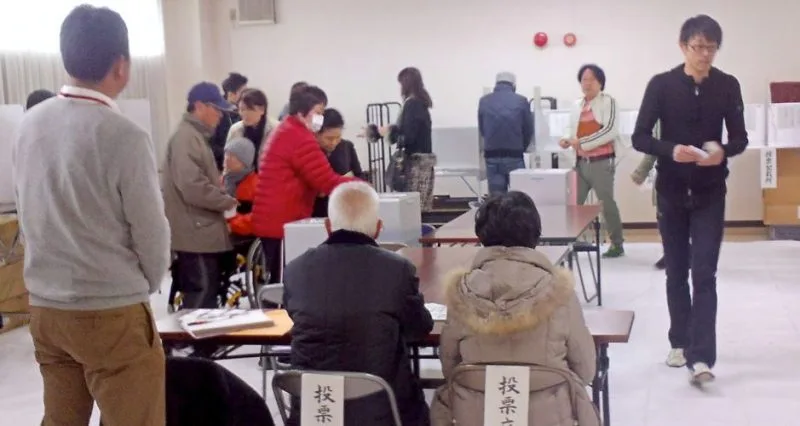
Political Vocabulary in Japanese
To study the list of political vocabulary, we categorized the terms into thematic groups: government institutions, electoral processes, political ideologies, and legislative terms. The order helps you find the word; the short gloss is meant for news and class.
Government Institutions and Positions
- [上院議会] Jouingikai - Upper house (generic term; in Japan, the 参議院).
- [上院議員] Jouingiin - Member of the upper house.
- [内閣] Naikaku - Cabinet (Executive of the Japanese government).
- [参議院] Sangiin - House of Councillors.
- [国会] Kokkai - Diet (Japanese Parliament).
- [衆議院] Shuugiin - House of Representatives (lower house; it has precedence over the 参議院).
- [大統領] Daitouryou - President of a republic (an office in other countries).
- [副大統領] Fuku Daitouryou - Vice President.
- [総理大臣] Souridaijin - Prime Minister of Japan.
- [首相] Shushou - Prime Minister (short form of 総理大臣).
- [大臣] Daijin - Minister.
- [内閣官房長官] Naikaku Kanbou Choukan - Chief Cabinet Secretary.
- [知事] Chiji - Governor.
- [天皇] Tennou - Emperor.
Political Parties and Ideologies
- [与党] Yotou - Ruling Party, Government Party.
- [保守党] Hoshutou - Conservative Party.
- [公明党] Koumeitou - Komeito Party.
- [共和党] Kyouwatou - Republican Party (used for other countries, especially the United States).
- [共産党] Kyousantou - Communist Party (in Japan, 日本共産党).
- [民主党] Minshutou - Democratic Party (in Japan, the party with this name existed until the reorganization of the 2010s).
- [自民党] Jimintou - Liberal Democratic Party (abbreviation of 自由民主党).
- [自由民主党] Jiyuuminshutou - Liberal Democratic Party.
- [社会党] Shakaitou - Socialist Party.
- [野党] Yatou - Opposition Party.
Electoral Processes and Political Participation
The terms below cover candidate, vote, voter rolls, and campaign. The article Political Campaigns, Parties, and Elections in Japan describes the scene; here you get the vocabulary.
- [選挙] Senkyo - Election.
- [候補] Kouho - Candidate.
- [立候補する] Rikkouho Suru - To run for office.
- [立候補者] Rikkouhosha - Candidate.
- [投票] Touhyou - Voting.
- [投票する] Touhyou Suru - To vote.
- [選挙人名簿] Senkyoninmeibo - Voter Registration.
- [選挙対策] Senkyo taisaku - Campaign Strategy.
- [選挙戦] Senkyosen - Election Campaign.
- [選挙権] Senkyoken - The right to vote.
- [選挙民] Senkyomin - Electorate.
- [選挙法] Senkyohou - Electoral Law.
- [選挙資金] Senkyoshikin - Election Fund.
- [解散] Kaisan - Dissolution of the House of Representatives.
Terms Related to Politics and Governance
- [デモ] Demo - Protest.
- [リーダー] Riidaa - Leader.
- [リードする] Riido suru - To lead.
- [不平等] Fubyoudou - Inequality.
- [不景気] Fukeiki - Recession.
- [世論調査] Yoronchousa - Public Opinion Poll.
- [主義] Shugi - Ideology, Doctrine.
- [人権] Jinken - Human Rights.
- [共和制、共和政] Kyouwasei - Republic.
- [共産主義] Kyousanshugi - Communism.
- [危機] Kiki - Crisis.
- [平等] Byoudou - Equality, Equity.
- [政府] Seifu - Government.
- [政治] Seiji - Politics.
- [憲法] Kenpou - Constitution.
- [法律] Houritsu - Law.
- [法案] Houan - Bill (a proposed law).
- [政治家] Seijika - Politician.
- [政治犯] Seijihan - Political crime; political prisoner.
- [政略] Seiryaku - Political Maneuver.
- [権力] Kenryoku - Power (political).
- [権威者] Kenisha - Authority, person of authority.
- [民主主義] Minshushugi - Democracy.
- [民主化] Minshuka - Democratization.
- [民主化運動] Minshukaundou - Democratic Movement.
- [演説] Enzetsu - Speech.
- [演説家] Enzetsuka - Speaker.
- [独裁] Dokusai - Dictatorship.
- [独裁政治] Dokusaiseiji - Dictatorial Government.
- [独裁者] Dokusaisha - Dictator.
- [紛争] Funsou - Conflict.
- [紛争解決] Funsoukaiketsu - Conflict Resolution.
- [革命] Kakumei - Revolution.
Economy and Social Welfare
- [助成金] Joseikin - Fund, Grant.
- [厚生] Kousei - Social Welfare.
- [失業] Shitsugyou - Unemployment.
- [失業率] Shitsugyouritsu - Unemployment Rate.
- [経済発展] Keizai Hatten - Economic Development.
- [補助金] Hojokin - Subsidy, Aid.
- [透明性] Toumeisei - Transparency.
Other Relevant Terms
- [儀式] Gishiki - Ceremony, Rite.
- [元大統領] Moto Daitouryou - Former President of the Republic.
- [創価学会] Soukagakkai - Soka Gakkai, a religious organization and the support base of Komeito.
- [北大西洋条約機構] Kitataiseiyoujouyakukikou - NATO.
- [即位の礼] Sokui no rei - Enthronement Ceremony.
- [即位式] Sokuishiki - Enthronement Ceremony.
- [君主制、君主政] Kunshusei - Monarchy.
- [国家元首] Kokkagenshu - Head of State.
- [圧迫] Appaku - Oppression.
- [堕落] Daraku - Moral decay.
- [汚職] Oshoku - Corruption, graft.
- [多数派] Tasuuha - The Majority.
- [少数派] Shousuuha - The Minority.
- [右翼] Uyoku - Right.
- [左翼] Sayoku - Left.
- [有力政治家] Yuuryokuseijika - Influential Politician.
- [歴史的] Rekishiteki - Historical.
- [社会主義] Shakaishugi - Socialism.
- [積極主義] Sekkyokushugi - Activism; a stance of taking initiative.
- [言論の自由] Genron no Jiyuu - Freedom of Speech.
- [議会] Gikai - Parliament.
- [資本主義] Shihonshugi - Capitalism.
When you read a newspaper or hear a speech, it helps to separate what describes Japan from what describes another country. 総理大臣, 衆議院, and 国会 are Japanese institutions; 大統領 and 共和党 appear when the text talks about another system. The next step is to meet those kanji again in the news.



Community
Comments
0 comments
There are no published comments in this language yet.
Send comment