
Japanese car manufacturers entered the American market during the oil crisis in the 1970s. At first, Japanese cars were ridiculed as junk. Then it became clear that Japanese cars were on the same level as, and in some cases better than, American and European cars. Small Japanese cars started to gain ground worldwide. Japan went on to compete in every segment, from small cars and sports cars to luxury cars, minivans, motorcycles, and trucks.
Japan continues to revolutionize the automotive world to this day, with thousands of projects and new technologies created every year, such as the announcement of the Mirai hydrogen-powered car. In this article, we will look at 10 classic cars up to the year 2012 that had some influence or importance in the automotive industry. It is worth noting that we are not mentioning the best or the most famous, just 10 cars out of the thousands that exist.
Contents 10
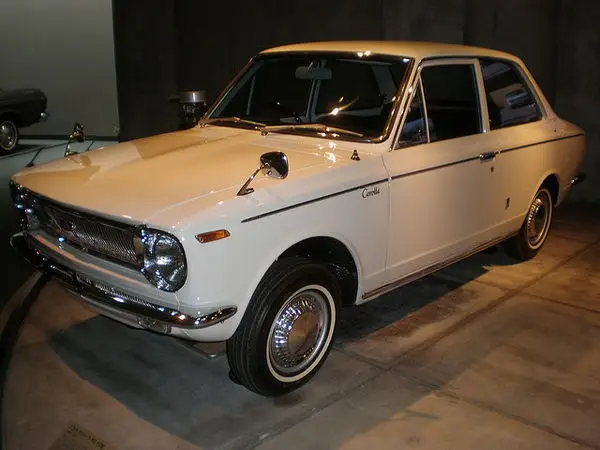
1. Toyota Corolla
The Toyota Corolla is the best-selling car in history. Since its introduction in 1966, a Corolla has been sold every 40 seconds on average. The Corolla has undergone 10 major redesigns over the years.
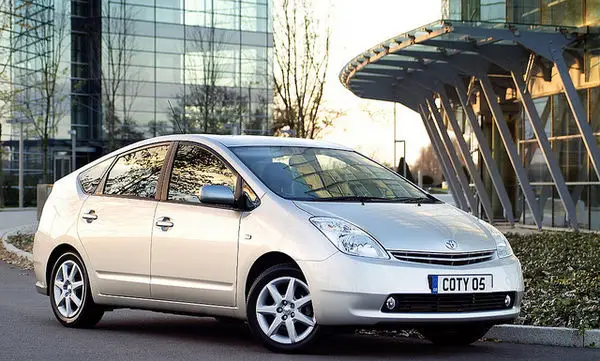
2. Toyota Prius
The Prius was the world's first mass-produced gasoline-electric hybrid car. It was launched in 1997 with a user-friendly design that revolutionized the automotive industry. By 2008, the Prius was offered in 70 countries and had sold more than 1 million units. The humble Prius became a status symbol representing environmental awareness.
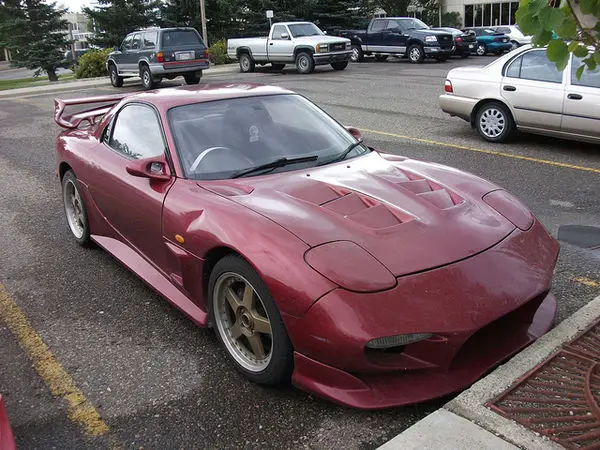
3. Mazda RX-7
The Mazda RX-7 was a sports model produced by Mazda from 1978 to 2002. It featured rear-wheel drive and a 260 horsepower engine with a maximum RPM of 9000. It was introduced in 1978 with a 1146 cc twin-rotor rotary engine. It offered sporty performance at a reasonable price. A total of 811,634 cars were produced.
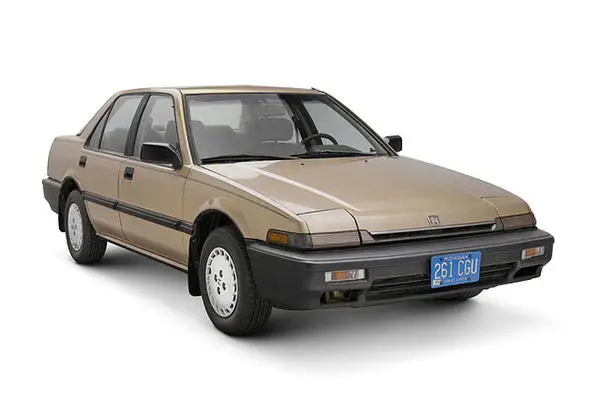
4. Honda Accord
The Honda Accord was one of the first Japanese cars manufactured in the United States, starting in 1982. It was the best-selling Japanese car in the U.S. for 15 consecutive years, from 1982 to 1997. The Accord has a long-standing reputation as one of the most reliable cars ever made. Several drivers have reached the mileage limit by driving more than 1,600,000 km.
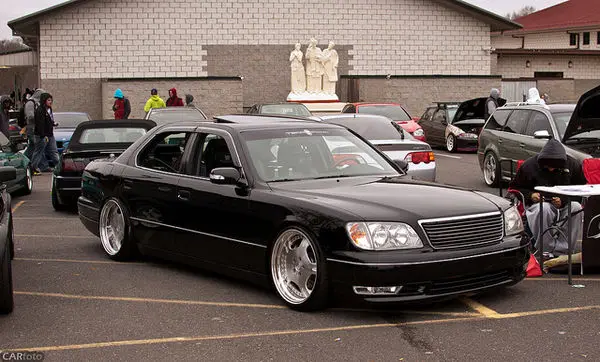
5. Lexus LS400
The Lexus LS400 was the first Lexus from Toyota to enter the American luxury car market. It was launched in 1989 and was an instant success. Its design won awards and appealed to buyers looking for something new. Other brands felt threatened, which encouraged competition and sparked innovations around the world.
6. Nissan Leaf
Nissan brought the fully electric Leaf to market in 2010. The LEAF won numerous awards, including European Car of the Year in 2011. The model quickly became a symbol of electric mobility.

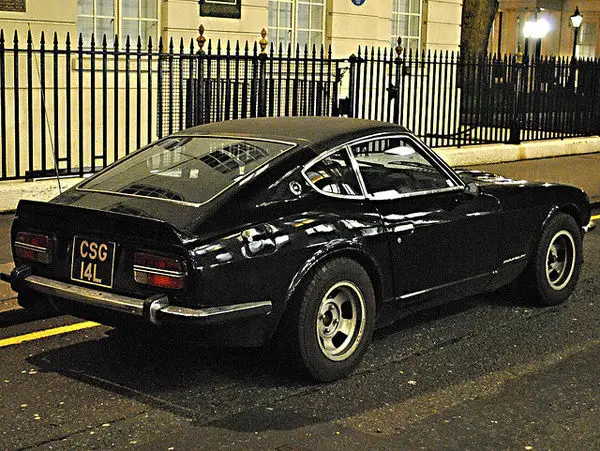
7. Datsun 240Z
A sports model marketed by Nissan in the U.S. as the Datsun 240Z from 1970 to 1978. The Datsun 240Z won over many drivers with its comfort and low cost. Despite its popularity, it began to disappear from the roads in the 1980s.
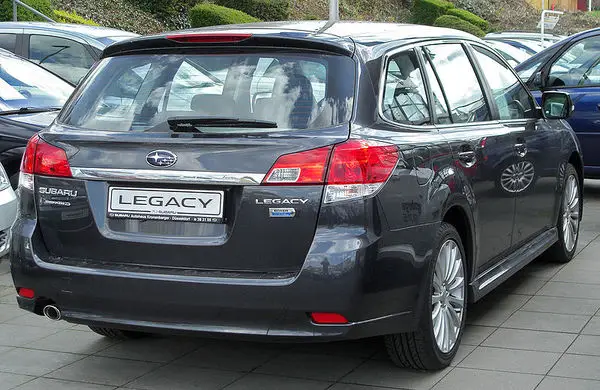
8. Subaru Legacy
The Subaru Legacy was created to compete against the Honda Accord and the Toyota Camry. Its sleek design won fans among snowboarders, camping enthusiasts, and anyone looking for an affordable AWD model.
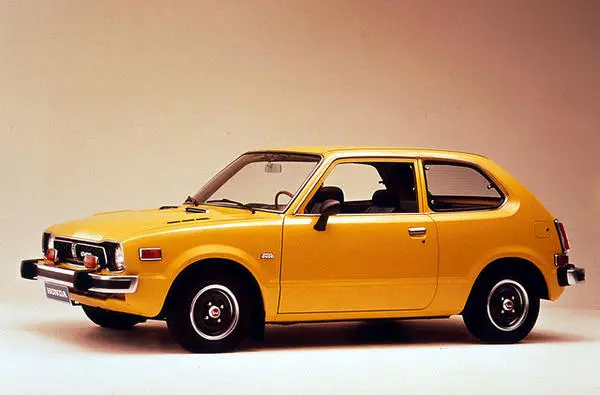
9. Honda Civic
A compact and reliable model introduced in 1972, a year before the oil crisis of the 1970s. Civics are also used for racing. It is a popular family car as well. After several generations, the model continues to be successful to this day.
10. Acura Integra or Honda Integra
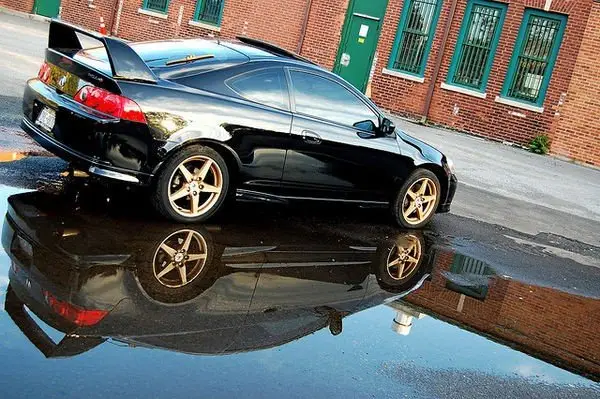
A compact coupe from Honda, produced worldwide from 1985 to 2006, and still being produced in Japan today. It also won numerous awards as one of the best cars in its class.
These were some cars that were successful. That does not mean they are the best or the most successful. Most of those mentioned were recognized in the West. There are thousands of car models, and many others would also be worth mentioning from a Japanese perspective.
This article is based on research conducted by Japan Talk in 2012. Some information may have changed over the years, and some of the photos come from older sources.






Community
Comments
0 comments
There are no published comments in this language yet.
Send comment