
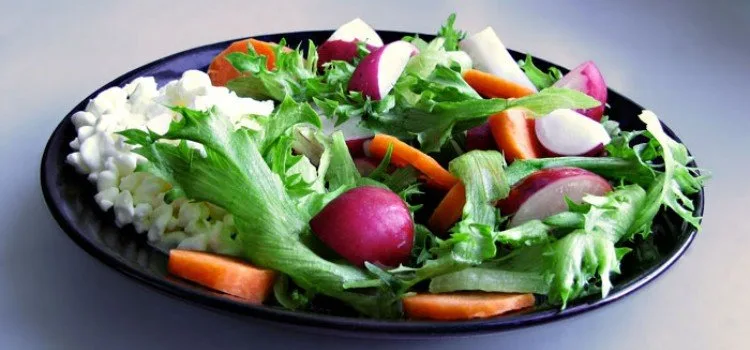
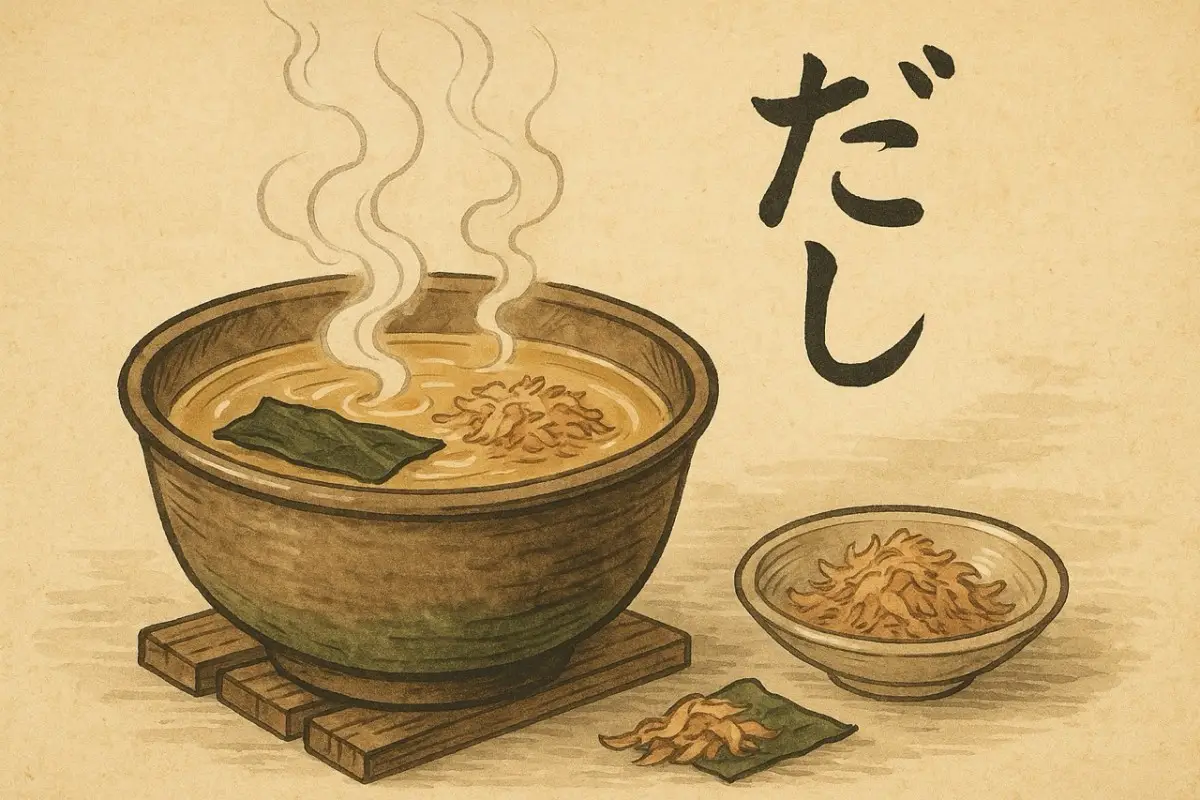
Doing some research I found out that it is not easy to be a vegetarian in Japan. The country is known for a long life expectancy, and everyday cooking still uses plenty of fish and meat. The bigger trap is dashi, a clear stock usually made with katsuobushi, the dried bonito flakes, sitting inside dishes that look vegetarian.
Although you can find several dishes that apparently do not contain meat, most of them have sauce and broth with dashi or meat extract. Sometimes even the salad comes with fish flakes on top. Being a vegetarian in Japan is complicated, mainly because kitchens are not used to altering or removing an ingredient from a particular dish. Asking the cook not to add a certain item can come across as rude, and some places simply refuse.
What is a vegetarian called in Japan?
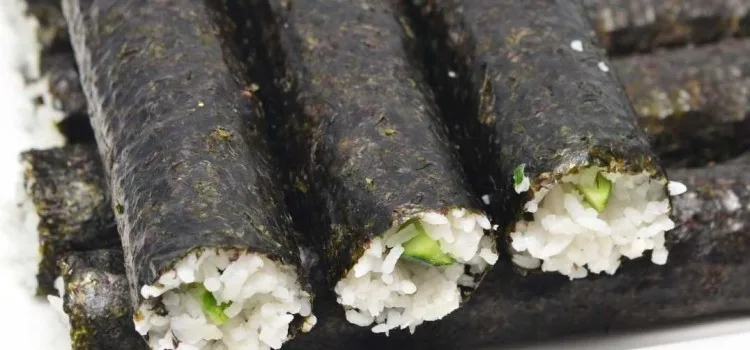
Vegetarian in Japanese is called bejitarian (ベジタリアン), a word borrowed from English. The native term is saishokushugisha (菜食主義者), a vegetable-diet person, and in everyday Japanese that can still include fish. If you only say niku wa dame desu, no meat, staff may still serve seafood or fish stock, because niku usually means beef, pork, or chicken.
The closest thing to strict vegetarianism as many people know it in the West is shoujin ryouri (精進料理), or devotional cuisine. It comes from Buddhist monastic cooking and the idea of not taking life. These kitchens skip meat, fish, and eggs, and also the pungent alliums known as gokun: garlic, onion, leek, chives, and rakkyo. Potatoes, carrots, and other root vegetables are common in the meals. Stock is kombu or shiitake, not katsuobushi. Some modern temple kitchens occasionally use dairy, so it is worth asking if that matters to you.
Japan still puts meat and fish into dishes that look plant-based from the plate. Vegetarianism remains a minority practice, and there is no official national figure that everyone agrees on. Recent surveys usually put self-identified vegetarians and vegans in a small single-digit share of the population, and the imported word bejitarian is often understood more loosely than in English.
Suggestions for vegetarians in Japan
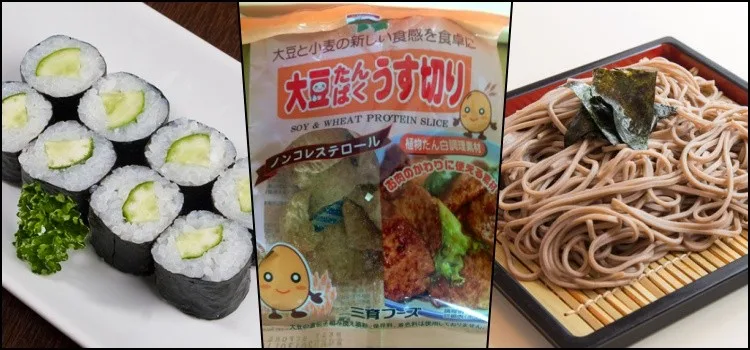
It can be difficult, but it is not impossible to find vegetarian restaurants, especially in cities like Tokyo, Kyoto, and Osaka. A quick search on Google Maps, HappyCow, or Vegewel usually turns up a dedicated kitchen. If a vegetarian restaurant is hard to find, the list below is a starting point for dishes that often work, with the usual traps. Buying vegetables and fruit at the market can be a bit expensive, but nothing exorbitant. Feel free to open the articles about the foods mentioned below by clicking on them:
- Gohan - ご飯 - White rice;
- Tempura - 天ぷら - Vegetable pieces exist, though the batter often has egg and the dipping sauce is usually dashi;
- Kappa maki - cucumber sushi;
- Tsukemono - 漬物 - Pickled vegetables;
- Tofu - 豆腐 - Soy curd that looks a bit like cheese; the block is plant-based, while simmered tofu often sits in dashi;
- Zaru soba - Cold noodles, just don't dip them in the broths;
- Onigiri - Rice ball, be careful that some are stuffed; umeboshi and kombu fillings are the safer bet;
- Bakeries - Great place to hunt meatless treats; many breads still use milk, butter, or egg;
- Fast food - McDonald's fries in Japan are cooked in oil that includes beef tallow, so they are a poor vegetarian fallback;
In addition, you can find processed products for vegetarians like soy meat, burgers, fillets, and soy sausages, especially in bigger supermarkets. Being a vegetarian in Japan may seem complicated in a regular restaurant, and it gets easier once you know the words and watch for dashi. Do you know or have any tips? Leave them in the comments. To finish, here is a short video on vegan dashi, the stock that decides whether a Japanese dish is actually vegetarian.



Community
Comments
0 comments
There are no published comments in this language yet.
Send comment