
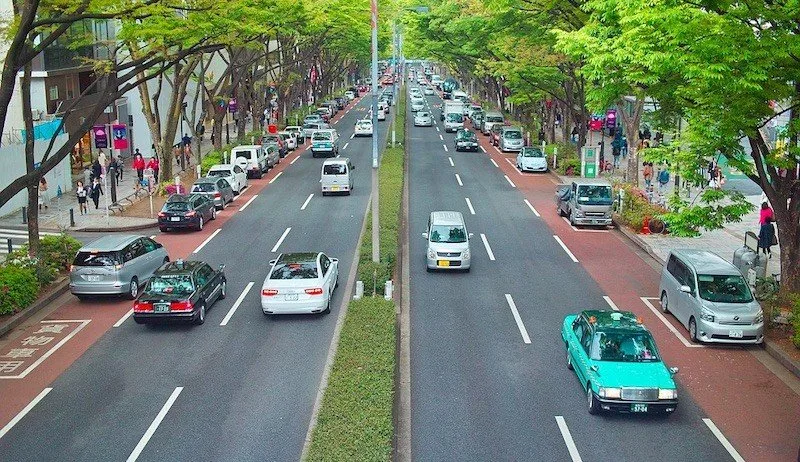
Japan's first mass-produced car, the Mitsubishi Model A, appeared in 1917, but the industry that made the country a global force took shape after 1945. Small vehicles, close supplier networks and a habit of refining every process turned Toyota, Honda and Nissan into names found in almost every market. The same system also produced truck builders, luxury divisions, tiny coachbuilders and a long list of marques that no longer exist.
The 25 brands below are grouped by their place in that system. The first table covers the twelve makers that sell passenger cars, from kei-class specialists to premium divisions. Later sections cover commercial vehicle manufacturers, small-series builders and retired names. Model lists are selective: they point to the cars that defined each brand and to the ones still on sale.
Contents 9
The active passenger car brands
The twelve makers below account for almost every Japanese passenger car sold outside Japan. Several are divisions of the same group, which explains why a Lexus can share engineering with a Toyota and an Acura with a Honda.
| Brand | Founded | Parent group | Known for |
|---|---|---|---|
| Toyota | 1937 | Toyota Group | Corolla, Prius and the largest global output |
| Lexus | 1989 | Toyota | Luxury sedans and SUVs |
| Honda | 1948 | Independent | Engines, motorcycles and compact cars |
| Acura | 1986 | Honda | Honda's luxury division |
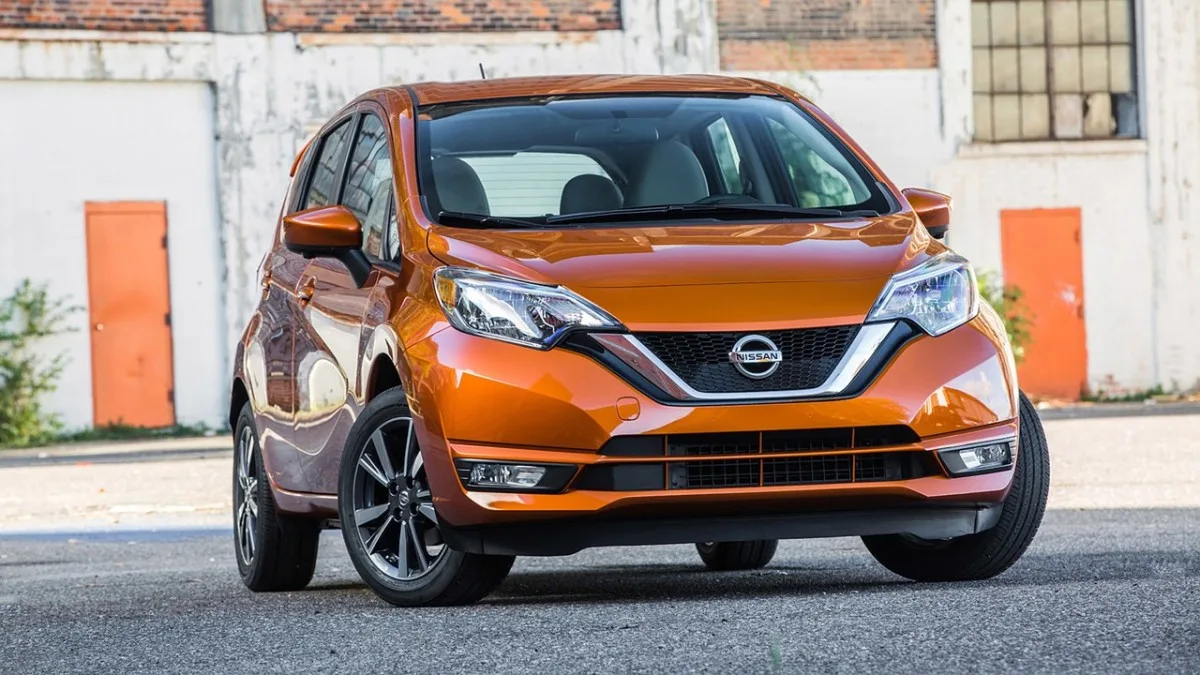
| Nissan | 1933 | Renault-Nissan-Mitsubishi Alliance | Electric cars and sports models |
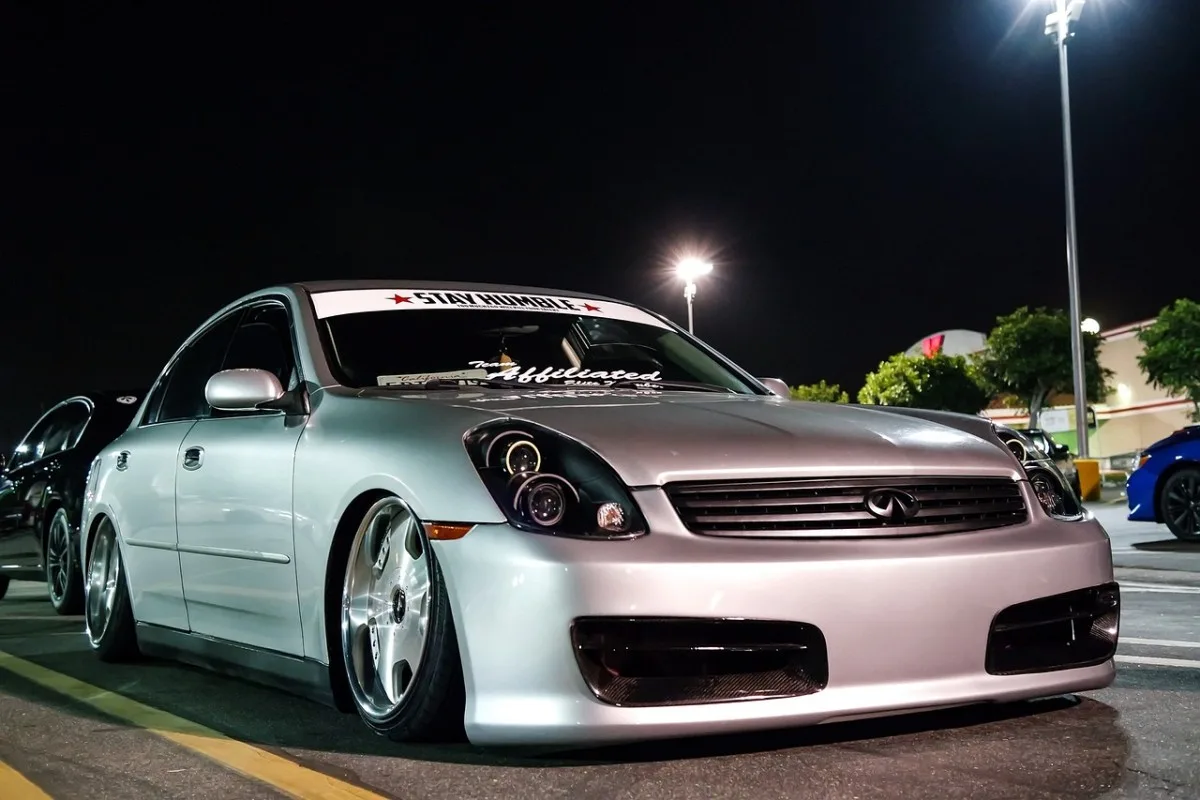
| Infiniti | 1989 | Nissan | Luxury cars for North America |
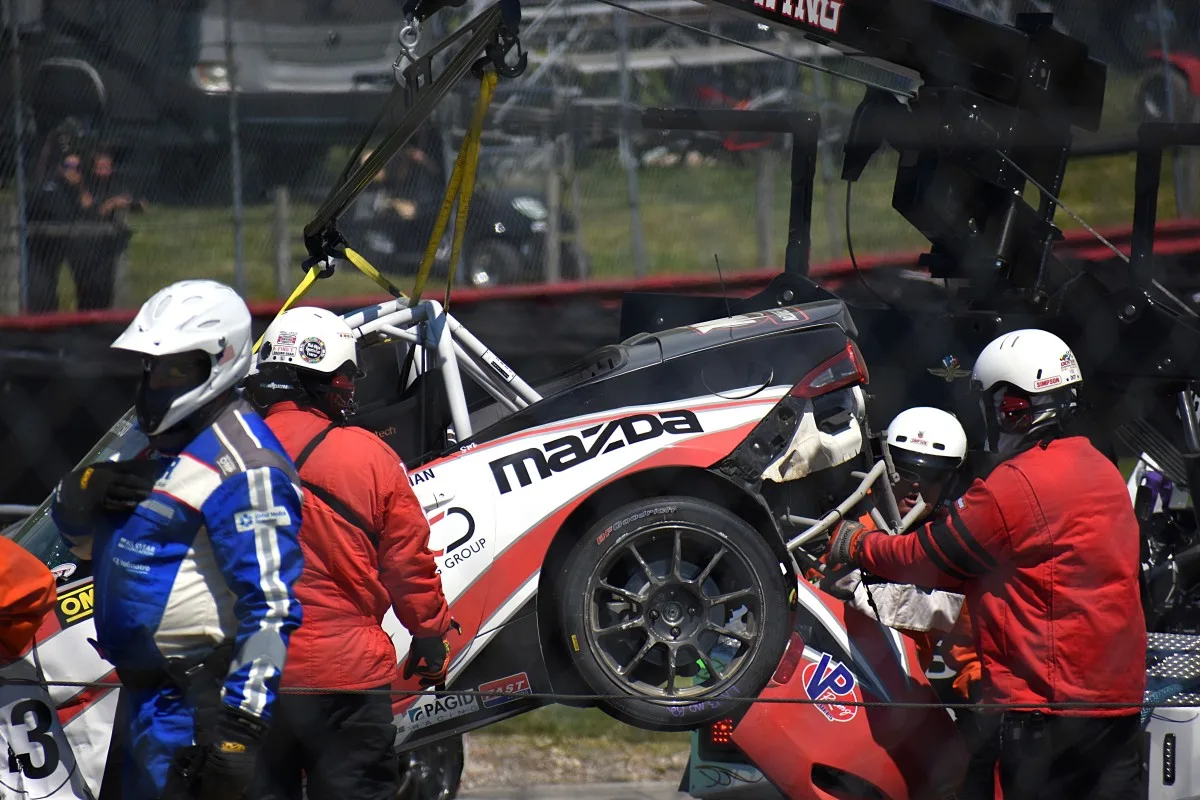
| Mazda | 1920 | Independent | MX-5, rotary engines and Skyactiv |
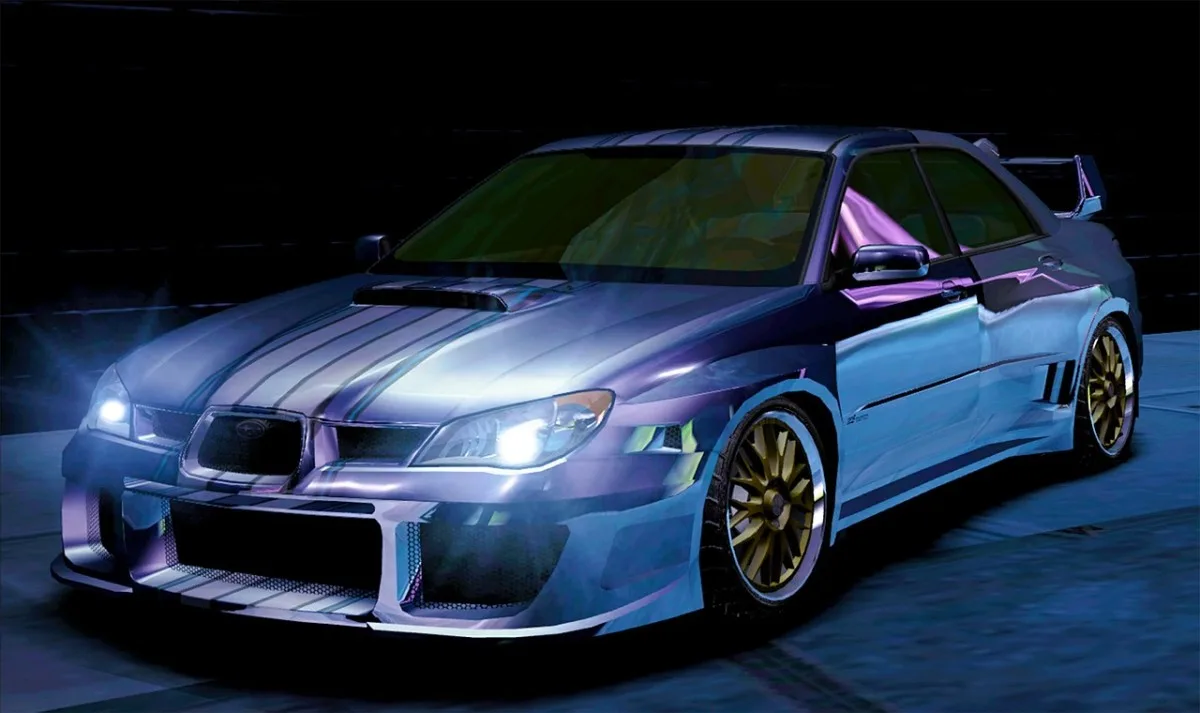
| Subaru | 1953 | Subaru Corporation | Boxer engines and all-wheel drive |
| Mitsubishi Motors | 1970 | Mitsubishi group; Nissan holds 24% | SUVs and plug-in hybrids |
| Suzuki | 1909 | Independent | Kei cars, motorcycles and compact SUVs |
| Daihatsu | 1907 | Toyota | Kei cars and small commercial vehicles |
| Isuzu | 1916 | Independent | Diesel engines, pickups and trucks |
Toyota and Lexus
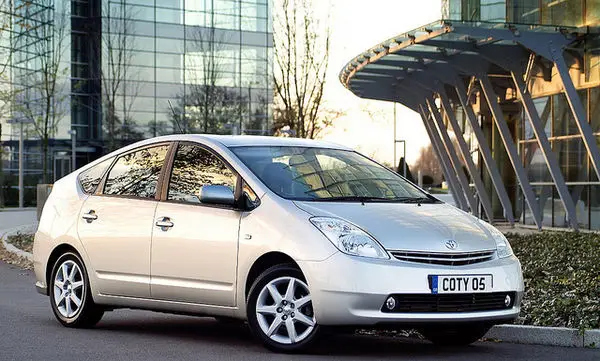
Toyota began in 1937 as a spin-off from a loom manufacturer, and the company's first passenger car, the AA, had already appeared in 1936. The Corolla, launched in 1966, passed 54 million sales by early 2026 and remains the best-selling nameplate in history. The Prius, introduced in 1997, was the first mass-produced hybrid and established the template that most rivals later followed.
Toyota's production system turned Kaizen into a management method, and the company still uses it to cut waste across suppliers. Lexus arrived in 1989 with the LS sedan, a car built to challenge European luxury brands in the United States. The F performance line followed in 2007, and the LFA supercar in 2009.
Main models: Toyota Corolla, Camry, RAV4, Highlander and Tacoma; Lexus LS, RX, NX, GX and LX. The RAV4 became the best-selling SUV of all time, with more than 15 million units sold by 2025.
Honda and Acura
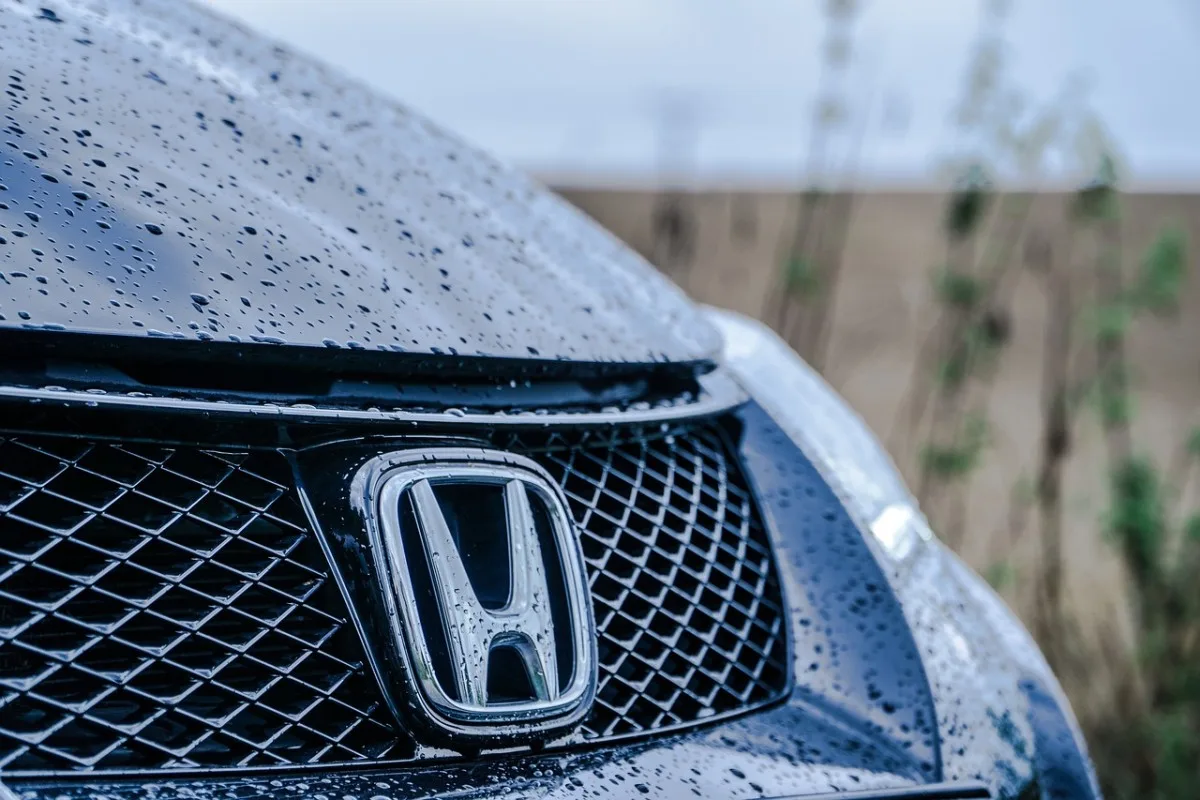
Honda Motor Company was founded in 1948 by Soichiro Honda, starting with motorcycles before moving into cars. The first production car, the S500, arrived in 1963. The Civic followed in 1972 and has sold more than 27 million units, while the Accord, launched in 1976, gave the company a foothold in the American family sedan market. The CR-V, introduced in 1995, became one of the first compact crossovers from Japan.
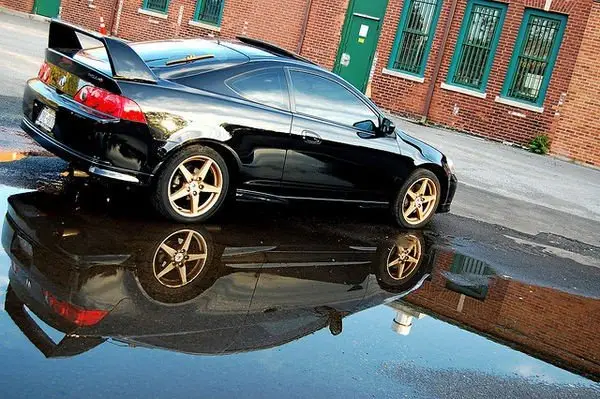
Honda experimented widely with alternative fuels. The Clarity, sold as a fuel cell, battery electric and plug-in hybrid, went out of production in August 2021. Acura, launched in 1986, was the first Japanese luxury division. Its NSX arrived in 1990 and returned in 2016 as a hybrid supercar, built until 2022. The compact ILX ended production in 2022 and was replaced by the Integra.
Main models: Honda Civic, Accord, CR-V, HR-V and Pilot; Acura Integra, TLX, RDX and MDX. The Honda Cub, a motorcycle rather than a car, remains the most produced motor vehicle in history.
Nissan and Infiniti
Nissan's corporate line goes back to 1933, and the Datsun name, used on exports from 1958, became the company's face in the United States until it was phased out in 1986. The Leaf, launched in 2010, was the world's first mass-market electric car, and it has since passed 500,000 sales. The GT-R, sold from 2007 to 2025, ended production after a long run, while the Z continues the sports car line.
Infiniti arrived in 1989 to sell Nissan's premium models in North America. The Q50 sedan (2013-2024), Q60 coupe (2013-2022) and QX50 crossover (2007-2025) have all left the range; the QX60 and QX80 remain.
Main models: Nissan Sentra, Altima, Rogue, Murano, Frontier and Z; Infiniti QX60 and QX80.
Mazda, Subaru and Mitsubishi
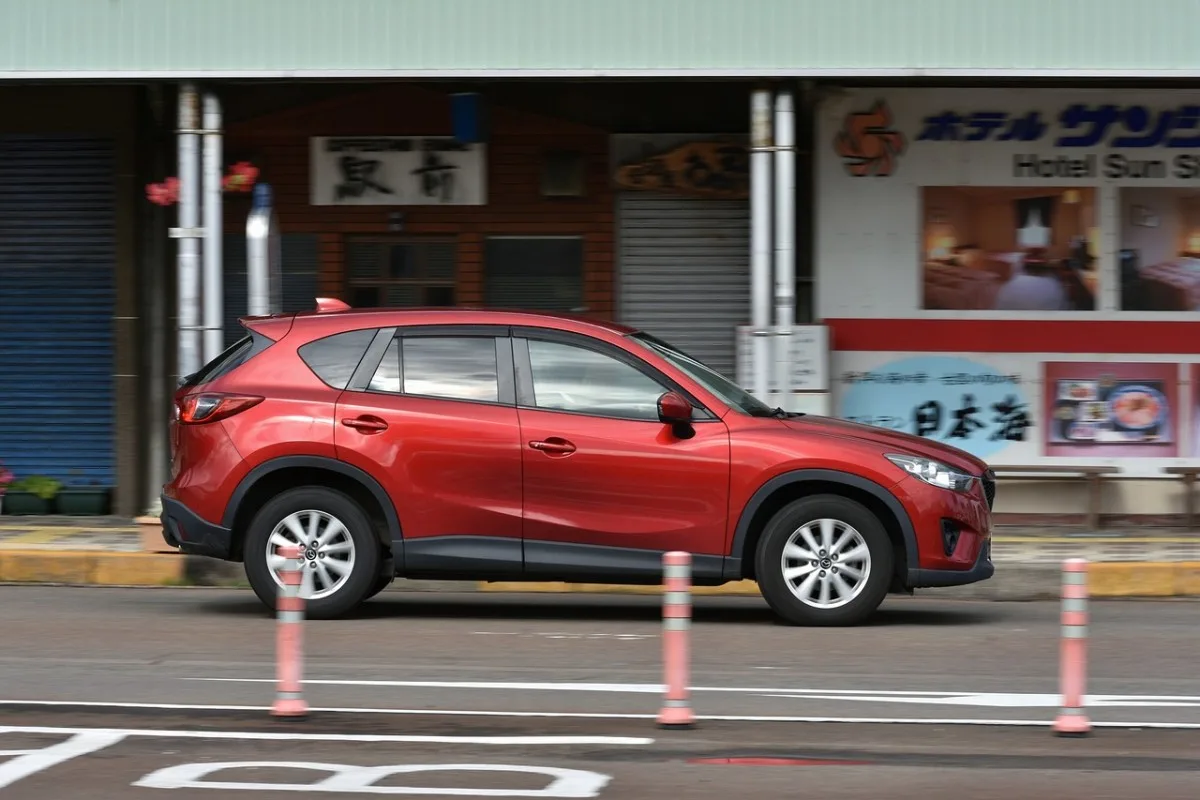
Mazda started in 1920 as a cork factory in Hiroshima and built its first vehicle, a three-wheeled truck, in 1931. The company's rotary engines powered the Cosmo in 1967 and later the RX-7 and RX-8, and the MX-5, introduced in 1989, became the most successful roadster in history. Skyactiv engines and Kodo styling arrived in the 2010s. The MX-30, launched in 2020, was Mazda's first mass-produced electric car. The Mazda6 ended production in 2024, and the CX-9 was replaced by the CX-90 in 2023. Main models: Mazda3, CX-30, CX-5, CX-90 and MX-5.
Subaru grew out of Fuji Heavy Industries, formed in 1953, and built its first car, the Subaru 1500, in 1954. Boxer engines and the Symmetrical All-Wheel Drive system, introduced in 1972, set the brand apart. EyeSight, its camera-based driver assistance system, later became standard across much of the range. Main models: Impreza, Legacy, Outback, Forester, WRX and BRZ.
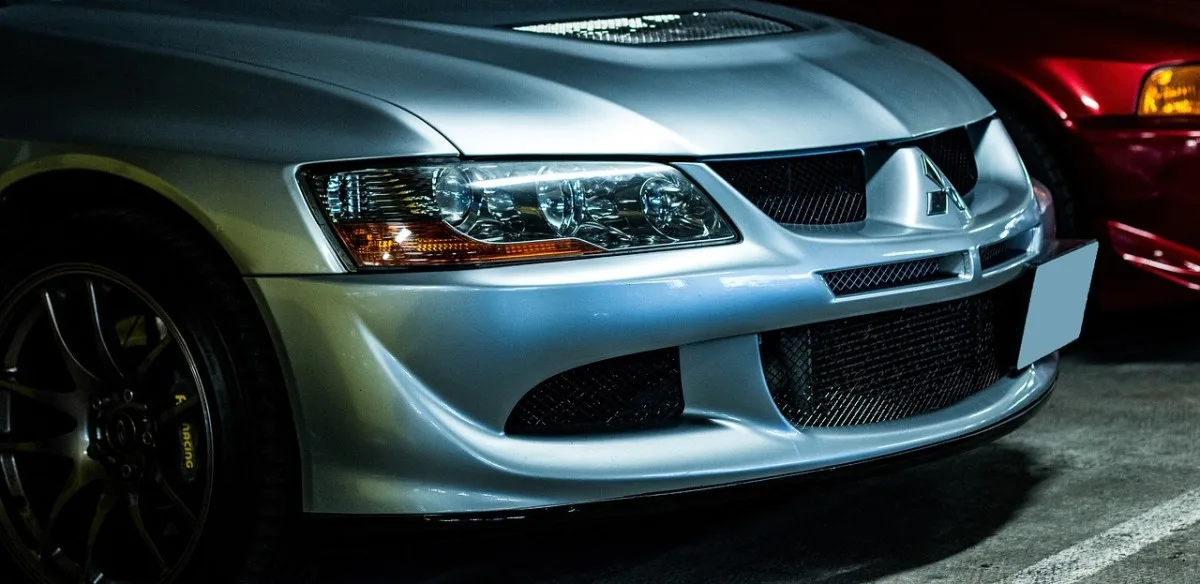
Mitsubishi Motors was spun off from Mitsubishi Heavy Industries in 1970. The Pajero, sold from 1981 to 2021, won the Dakar Rally 12 times, a record for the event. The Lancer Evolution, built from 1992 to 2016, became a rally icon. The Outlander PHEV was one of the first plug-in hybrid SUVs, and the Eclipse Cross and Triton keep the brand in the global market. The Lancer nameplate ended production in Taiwan in 2024. Main models: Mirage, Eclipse Cross, Outlander, Lancer and Pajero.
Suzuki, Daihatsu and Isuzu
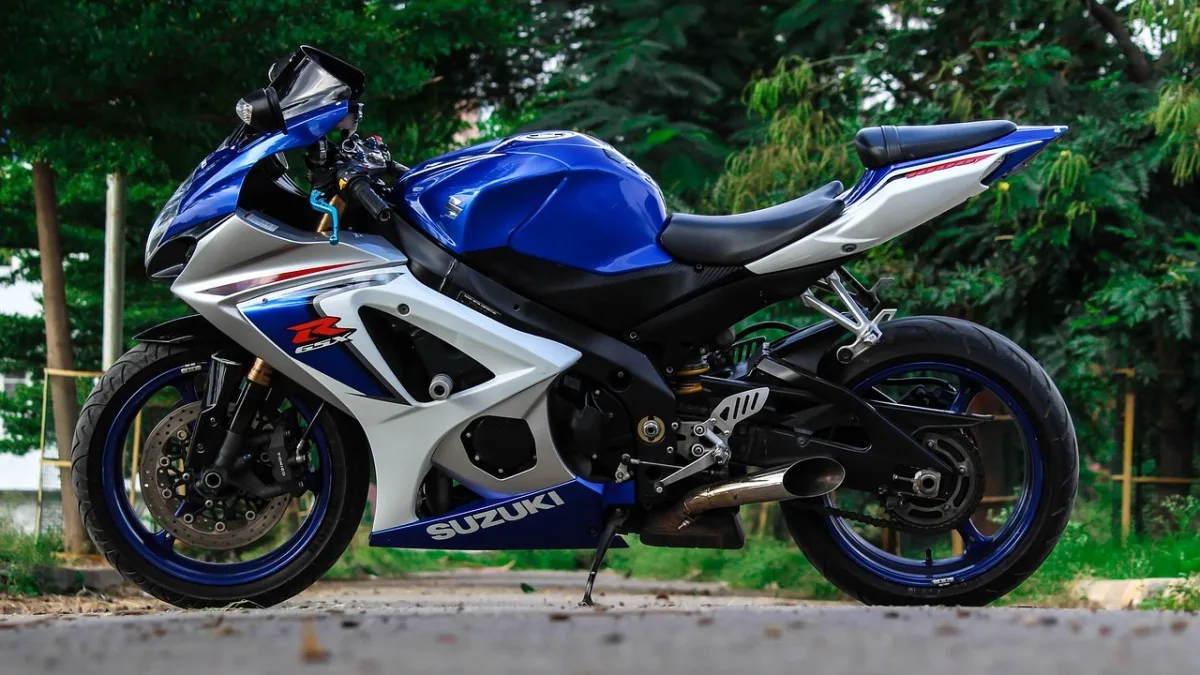
Suzuki began in 1909 as a loom maker in Hamamatsu. The company entered motorcycles in 1952 and cars in 1955 with the Suzulight, a front-wheel-drive kei car. The Swift and Jimny are its best-known global models, and the Vitara and S-Cross cover the crossover segment. Main models: Swift, Celerio, Vitara, S-Cross and Jimny. Suzuki remains one of the largest kei car makers in Japan.
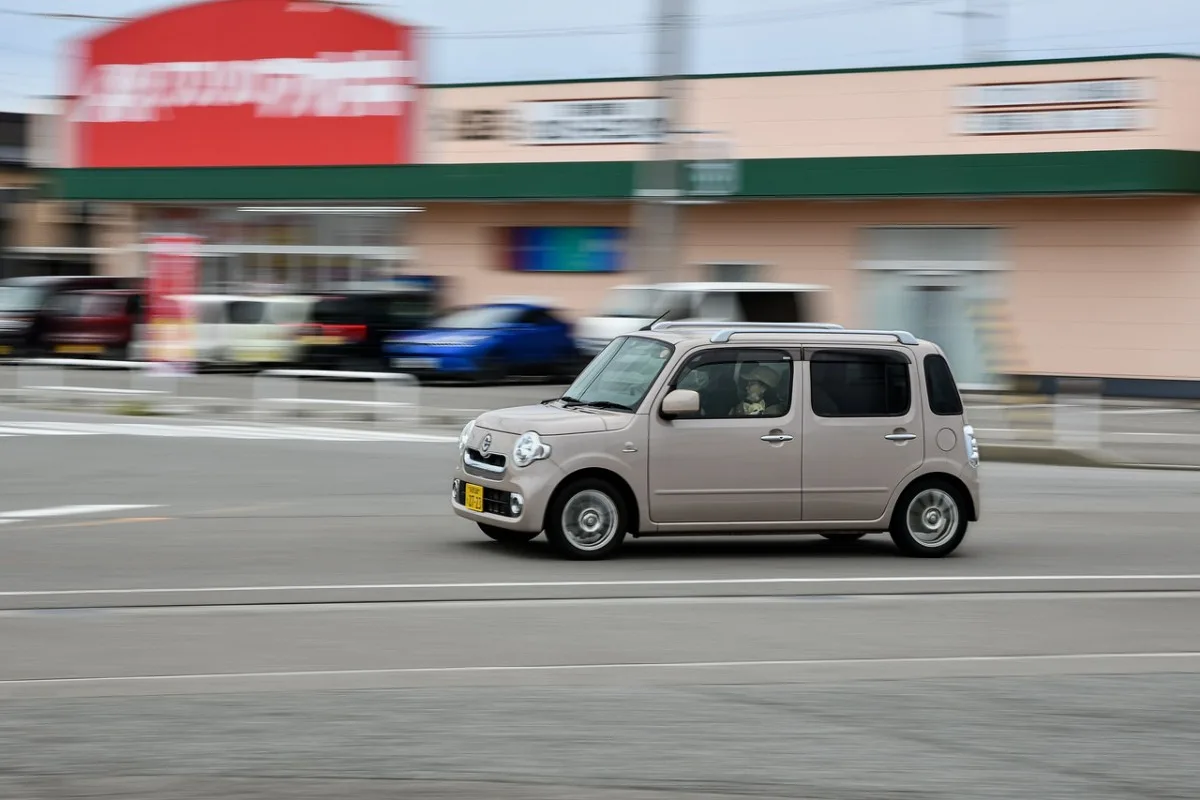
Daihatsu, founded in 1907, built three-wheeled vehicles before specializing in kei cars, minivans and light trucks. Toyota took a controlling stake in the late 1990s and made Daihatsu a wholly owned subsidiary in 2016. Main models: Mira, Move, Copen, Terios and Hijet. The company also supplies small cars to Toyota and builds Perodua models in Malaysia.
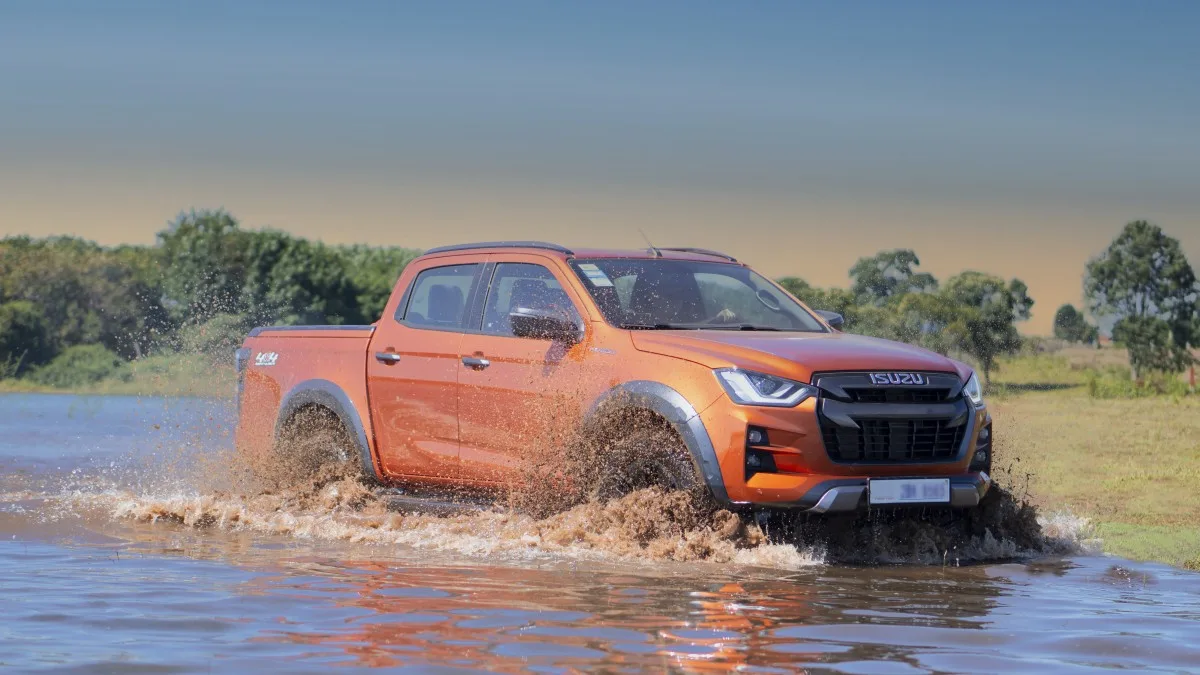
Isuzu, founded in 1916, focuses on diesel engines, pickups and commercial trucks. The D-Max and MU-X share a platform, while the N-Series, F-Series and Elf cover light and medium-duty haulage. Isuzu has owned UD Trucks since 2021.
Commercial vehicle makers
Hino, Fuso and UD Trucks build the buses and lorries that rarely appear in passenger car showrooms. Hino traces its corporate roots to 1910 and became a Toyota subsidiary in 2001. It released the world's first commercially available hybrid transit bus in 1991.
Fuso's brand dates to a 1932 bus built by Mitsubishi Shipbuilding, and the current company was spun off from Mitsubishi Motors in 2003. Daimler Truck owned most of Fuso until April 2026, when Fuso and Hino were placed under Archion, a holding company owned 25% each by Toyota and Daimler Truck. The Fuso and Hino brands remain separate.
UD Trucks began as Nissan Diesel and took the UD name from its Uniflow Diesel engine, developed in 1955. It became a wholly owned Isuzu subsidiary in 2021.
Small-series builders and retired marques
Mitsuoka is the best-known Japanese coachbuilder. Founded in 1968, it turns modern cars into retro-styled models such as the Viewt and Buddy, and it also built the Orochi sports car. Tommykaira, founded in 1986 in Kyoto, tuned Nissans and Subarus before building the ZZ and ZZII sports cars. ASL, the Autobacs Sportscar Laboratories, produced the Garaiya in the early 2000s.
Mazda's experiment with sub-brands left two names in this list. Autozam sold kei cars and small models between 1989 and 1998, including the gullwing AZ-1. Eunos sold premium models between 1989 and 1996.
Older marques fill out the count. Prince began as an aircraft company, built the Tama electric car in 1946 and merged into Nissan in 1966. The Tama itself was an early electric vehicle with a lead-acid battery. Ohta Jidosha was established in 1922 and built cars from 1934 to 1957 before its factory passed to Nissan. Suminoe built the Flying Feather, a 350 cc kei car, in 1954. Datsun, born in 1931, was Nissan's export brand, retired in 1986 and briefly revived from 2013 to 2022.
How to recognize a Japanese car
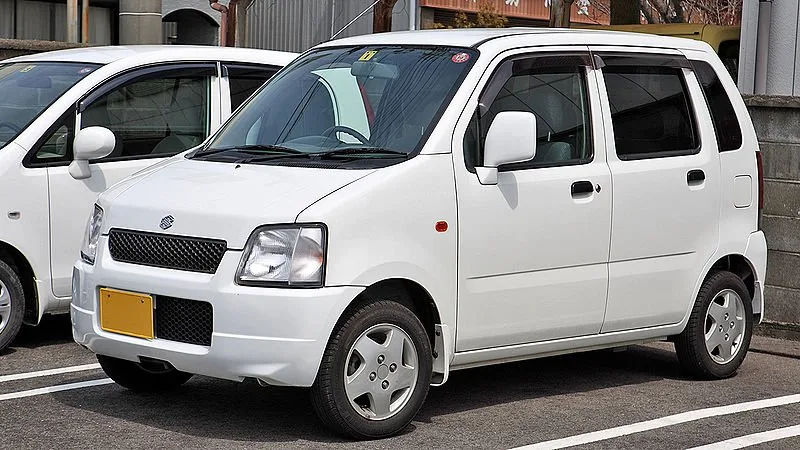
Kei cars are the clearest signature. The class limits engines to 660 cc and body size to 3.4 m long, 1.48 m wide and 2.0 m high, which is why models such as the Daihatsu Move and Suzuki Jimny look boxy. They carry yellow plates in Japan and receive lower taxes. The kei car guide explains the rules in more detail.
Engineering choices are another clue. Subaru builds flat-four engines and fits all-wheel drive across most of its range. Mazda persisted with rotary engines longer than any other maker. Toyota turned hybrids into a mass-market product.
Badge engineering matters more than most buyers expect. The Toyota group includes Lexus and Daihatsu; Honda owns Acura; Nissan owns Infiniti; and Mazda's Autozam and Eunos models were often rebadged Suzukis or Mazdas. A used car shopper who compares platforms, generations and service records will learn more than a shopper who compares badges.
For a practical comparison, the list of Japanese cars that made their mark covers the models that shaped the industry, and the guide to renting a car in Japan explains what to expect on the road.
The 25 names in this article form a map of the Japanese industry. Twelve makers sell passenger cars today, three build commercial vehicles and ten belong to the small-series and retired group. The next time a model looks familiar under a different badge, the table at the top is the quickest way to see who built it.


Community
Comments
0 comments
There are no published comments in this language yet.
Send comment