

Japan is an archipelago with thousands of islands, and like any island country it has beaches. Some are famous, others barely known. This guide covers the ones worth planning a summer trip around, from Okinawa's coral islands to the dunes of Tottori.
For anime fans, the beach is a familiar setting: beach episodes and fanservice are part of summer. The Japanese do enjoy the coast, and a day at the beach is part of many people's holidays. They just don't spend the whole year there.
Cold water explains only part of it. The bigger reason is the official swimming season, which in most regions lasts just a few weeks. I'll come back to that at the end, when I explain why the beaches empty out after summer.
Contents 27
Basic information about beaches in Japan
Japan is surrounded by the ocean, and its coastline stretches from Hokkaido to Okinawa. Sandy beaches appear in very different landscapes. Because the country runs from north to south across several climate zones, winter in Hokkaido is much colder than in Okinawa, and the reliable beach weather is in the south.
Many beaches have toilets, showers and changing rooms, though not all of them. The usual coastal hazards apply: strong currents, waves and jellyfish. Cleanliness rules are taken seriously. Garbage cans are rare, so bathers carry their trash home or use the bins where they exist.
Nudity is generally not allowed on public beaches, and nudist beaches are practically nonexistent. That may seem odd in the country of onsen, but public bathing and public beaches follow different rules.
Follow the signs and the instructions of lifeguards. Travel insurance is also worth arranging before a trip, especially if you plan to visit islands and remote coasts.

The Best Beaches in Japan
If you are planning a trip to Japan, put these beaches on your itinerary. The best window is Japan's summer, from June to September. Visitors from Brazil and other Southern Hemisphere countries should remember that the seasons are reversed.
The best beaches and the mildest beach weather are in the south. Ask anyone there which beach to choose and the answer is usually the same: Okinawa.
Okinawa is to Japan what Copacabana is to Brazil: the beach everyone thinks of when summer comes. Plenty of other coasts deserve the trip too. I won't try to cover every beach in the archipelago, so let's start with the best-known ones.
The Beaches of Okinawa
Okinawa is known for white sand, turquoise water and a warm climate, though winter temperatures can fall below 15 degrees. The beaches are open all year, and the best time to swim runs from late May to October.

Main Island
The main island has many white sand beaches, some owned by the large resort hotels on the coast. Resort beaches are usually open to everyone, though some charge for access. For a beach lover, the scenery makes the fee easy to accept.
Kerama Islands
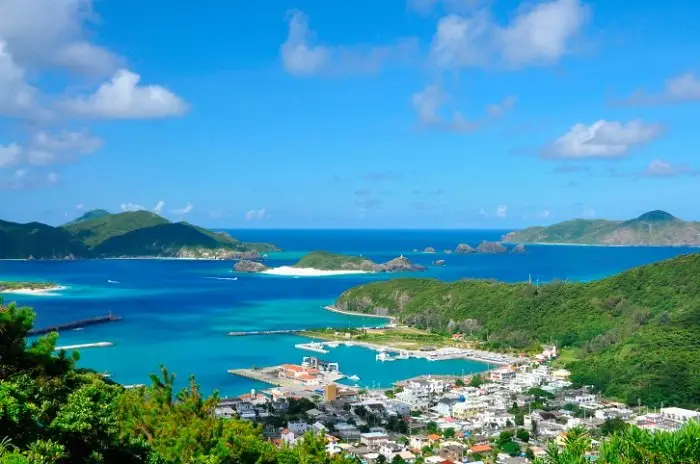
The Kerama Islands lie about 40 kilometers west of Okinawa's main island. They offer white sand beaches and clear blue water, ideal for sunbathing, swimming, snorkeling and diving.
Coral and reef fish are visible close to shore, and sea turtles appear near some beaches. Boat tours and snorkeling gear are available locally, so a short excursion is easy to arrange.

Kume Island
Kume Island has three main beaches for swimming and diving. Offshore lies Hatenohama, a seven-kilometer white sandbar that can only be reached by boat tour.
I like beaches like this because they feel like a refuge and give a sense of security. That's my opinion; you may prefer somewhere easier to reach.
Miyako Island
Miyako is the fourth largest island in Okinawa Prefecture and is known for some of the best beaches in Japan. Its white sand shores suit swimming and sunbathing, and the coral reefs reward divers and snorkelers.
It deserves a place on any southern itinerary. The coral reefs alone justify the trip, and the beaches are among the most beautiful in the country.

Ishigaki Island
Ishigaki has several pleasant beaches and coral reefs around nearly every shore. Kabira Bay, the island's most famous view, does not allow swimming or snorkeling, but glass-bottom boat tours let visitors see the bay.
That covers the main islands of Okinawa Prefecture. Next are other prefectures with coasts that are easier to reach from the main tourist route.
The Beaches of Kagoshima
Kagoshima Prefecture sits at the southern tip of Kyushu, north of Okinawa, and has more than 2,000 kilometers of coastline, including 28 islands. It also contains a chain of active and dormant volcanoes, among them Sakurajima.

Amami Oshima
Amami Oshima has many large white sand beaches along its coast, some with good diving and snorkeling. They tend to be less crowded than the beaches of Okinawa. The scenery is similar, which makes Amami a good choice for travelers who want to avoid the crowds.
The Beaches of Tokyo
Tokyo has beaches too. The city has the image of a crowded metropolis, yet the coast is close. In summer, the beaches along the Shonan Coast and the Miura Peninsula in Kanagawa Prefecture are popular day trips.
The Izu Peninsula is often considered the best area for beaches and snorkeling near Tokyo, while the Boso Peninsula is popular with surfers. The Izu Islands, south of Tokyo, including Izu Oshima, add more options.
The official swimming season around Tokyo usually runs from mid-July to the end of August. Air and water temperatures are often warm enough before July and into September, though lifeguards and beach huts are not in place outside the season.
Odaiba
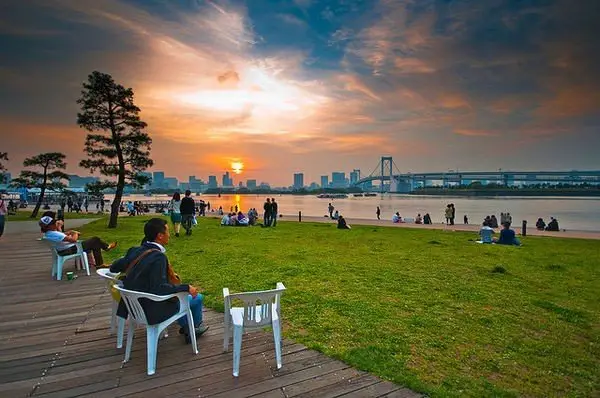
Odaiba has an 800-meter artificial beach near the DECKS Tokyo Beach shopping center, with showers and restrooms. Swimming is not allowed, so most people come for the sun, the sand and activities such as beach volleyball.
I would say it is mainly for people who want to get a tan and enjoy the view, or play a little beach volleyball. The Rainbow Bridge and the Tokyo skyline are visible from the sand, and the sunset is worth the stop.
Kamakura
Kamakura's beaches are about a 20-minute walk from Kamakura Station. The sand is darker than in Okinawa, yet the beaches are packed in summer with locals and visitors from Tokyo and Yokohama. That says a lot about how much the Japanese value a day at the sea.
Rental shops and temporary beach huts open during the swimming season, and public facilities include showers and restrooms. The beach works well for a weekend, or for finding the kind of summer job that shows up so often in anime.

Enoshima
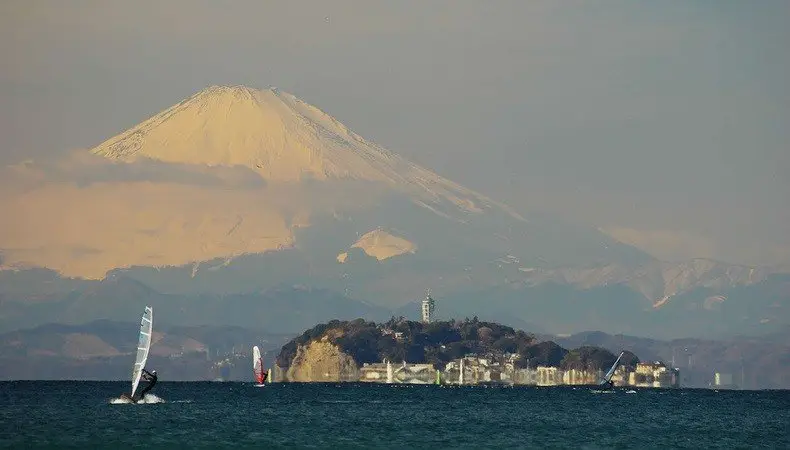
Beaches line the coast east and west of Enoshima. Two popular swimming beaches next to the island are patrolled by lifeguards and lined with restaurants and temporary beach huts that play music and rent loungers and umbrellas during the summer holidays.
There are more than one or two beaches here. Choose one that fits your accommodation, travel time and budget.
Boso Peninsula
Beaches line the coast of the Boso Peninsula, a popular and relatively easy day trip from Tokyo. The eastern coast faces the Pacific and attracts surfers and bodyboarders, while the western coast has calmer water and views of Mount Fuji on clear days.

Ogasawara Islands
The Ogasawara Islands are a chain of volcanic islands in the Pacific, about 1,000 kilometers south of Tokyo. They are accessible only by a 24-hour ferry from the city.
The isolation rewards anyone looking to escape. The islands have many secluded beaches for snorkeling and swimming. As in Okinawa, the best time to swim runs from around June to October, when temperatures stay above 25 degrees.
Shirahama Beach on the Izu Peninsula
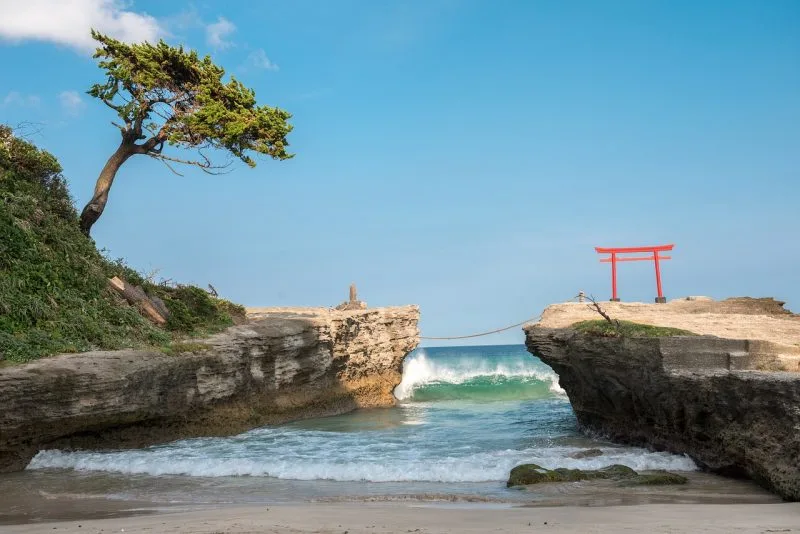
Shirahama is the most famous of the many beaches on the Izu Peninsula, several of which lie near the southern tip. The white sand beach is about 800 meters long, with showers, changing rooms, restrooms and shops nearby. Surfers also find relatively good conditions there.
Other Popular Beaches in Japan
Seto Inland Sea
The Seto Inland Sea lies between Honshu, Shikoku and Kyushu. Its islands have a mild climate, and some offer resorts with beaches and other attractions. The swimming season usually runs from July to September.
Shirarahama Beach in Wakayama
Shirarahama is a 500-meter sand beach in Shirahama, a well-developed onsen resort in Wakayama Prefecture. Summer brings crowds, and shops renting beach equipment open during the season. Showers, changing rooms and restrooms are available.

Kikugahama Beach
Kikugahama lies near the ruins of Hagi Castle in Yamaguchi Prefecture, with views of Mount Shizuki. Swimming and sunbathing are the main draws, and public facilities include showers, changing rooms and restrooms.
Jodogahama Beach
Jodogahama is one of the most famous spots on the Sanriku Coast in Iwate Prefecture, known for its rock formations. It draws crowds in summer and ranks among Japan's top one hundred beaches. Its clear inlet is sheltered from the open ocean, and public facilities are available.

Miho Beach
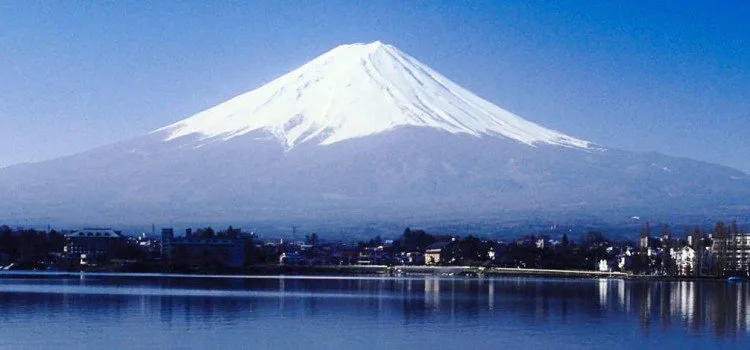
Miho Beach is best known for its views of Mount Fuji and its pine trees. Pebbles replace sand here, and the swimming area lies on the other side of the peninsula. Paid facilities include showers, restrooms and changing rooms.
Tottori Sand Dunes
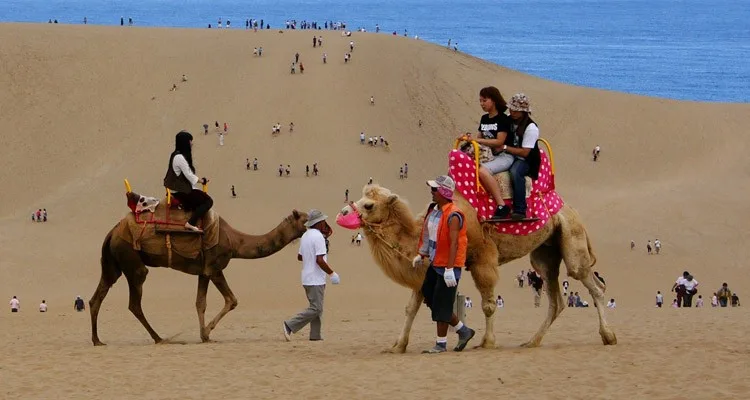
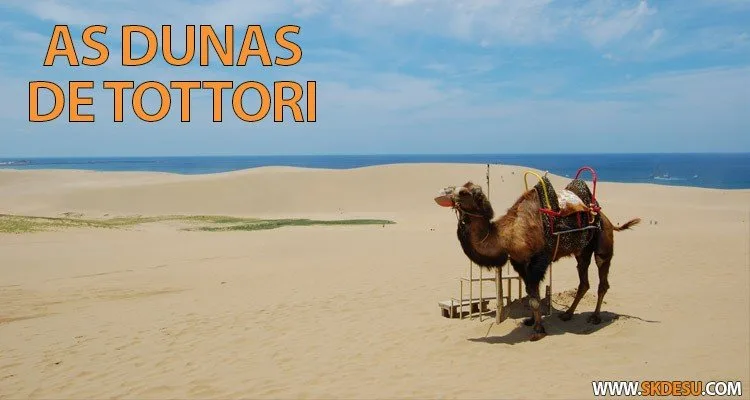
The Tottori Sand Dunes sit along the Sea of Japan and form Japan's largest sand dune system. The area attracts families and groups who come for the sun, the sea and the open sand.
Beach huts open in summer, and public facilities include showers, changing rooms and toilets. Other attractions on the dunes include camel rides, paragliding and sandboarding (Read our article about Tottori).
Momochihama Beach
Momochihama is an artificial beach along Hakata Bay, at the foot of Fukuoka Tower. In the middle of the beach is Marizon, an artificial island with restaurants, shops and a ferry port with connections across the bay. Visitors come for volleyball, soccer, swimming and sunbathing.
The Use of Beaches in Japan
One thing surprises visitors: after summer, many Japanese beaches turn quiet. The sand and the scenery remain, but almost nobody comes, even when the temperature is still high.
In many countries, a day above 25 degrees would fill the coast. In Japan, the beaches stay empty outside summer even when the weather is good.

The Japanese do like the beach. Visit in July or August and you will see thousands of people heading to the coast in the heat of the season.
The explanation lies in the official swimming season. Each beach sets an opening date, the umi-biraki, and from then until the end of the season lifeguards, jellyfish nets and beach huts are in place.
Outside that window, those services disappear. Swimming is discouraged at many beaches and prohibited at some, because currents, waves and jellyfish are harder to monitor when no one is on duty.
The rule exists for safety, and most people follow it. For travelers, the practical advice is simple: plan around the season if you want facilities, and check local signs if you want an empty beach outside it.

What did you think of the beaches in Japan?
The choice runs from Okinawa to Tottori. What matters most is timing: respect the official season, read the signs, and take your trash with you. Those three habits prevent most of the friction visitors encounter on Japanese beaches.
If you have questions, criticism or a beach to recommend, leave a comment below.
If the guide helped, share it with someone planning a trip to Japan. Thanks for reading.


Community
Comments
0 comments
There are no published comments in this language yet.
Send comment