
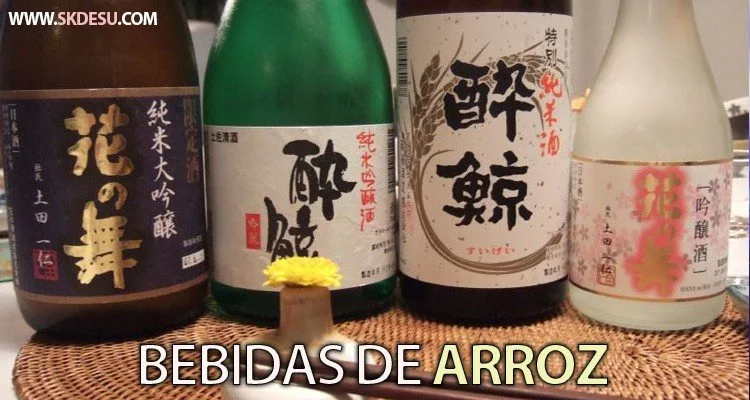
Rice in Japan is not only in the bowl — it also ferments, roasts, and distills into cups and glasses. If you already know sake, you may not realize how wide the rice-drink family really is.
Beyond clear nihonshu there is mild sweetness, a cloudy brew, roasted tea, and distilled spirits. Here are five everyday and festival favorites: sake, amazake, genmaicha, nigorizake, plus shōchū and awamori.
Contents 5
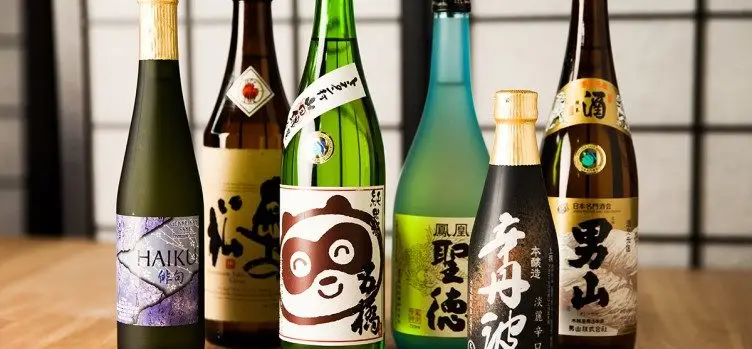
Sake
Most people know sake [酒] — more precisely often called nihonshu — as an alcoholic drink made from fermented rice. At large celebrations such as New Year and in Shinto ceremonies it is often served warm; alcohol typically sits around 15–16%.
At its core, sake is rice, water, kōji, and yeast. You can drink it chilled, at room temperature, or gently warmed, depending on style and season. There are thousands of brands and styles. For more detail, see our piece on sake, Japan’s rice drink.
Amazake
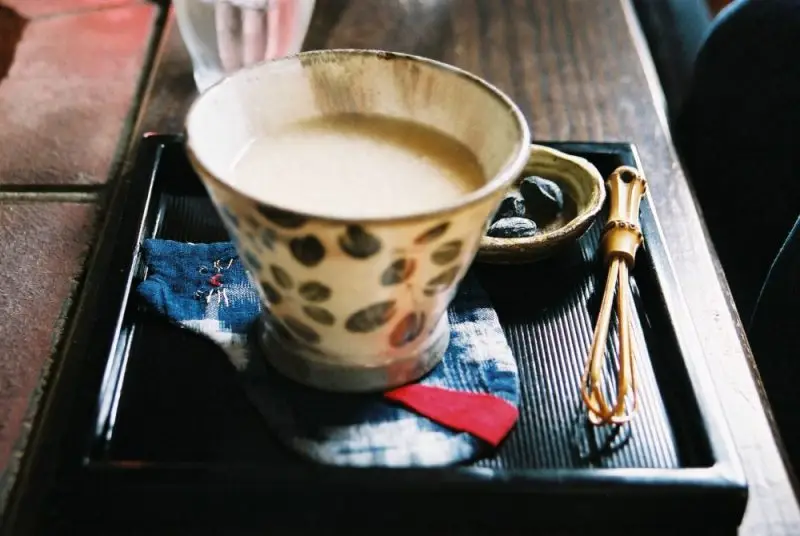
Amazake (甘酒) literally means “sweet sake,” yet it is usually non-alcoholic or only lightly alcoholic. Production needs kōji (Aspergillus oryzae), warmth, moisture, and a grain — usually rice. There are versions from kōji rice and from sake kasu, the lees left after pressing sake.
The process creates a natural sweetness that can also go into desserts and other dishes. Amazake shows up at ceremonies and festivals — at shrines around New Year, or on Children’s Day (Kodomo no Hi).
Genmaicha
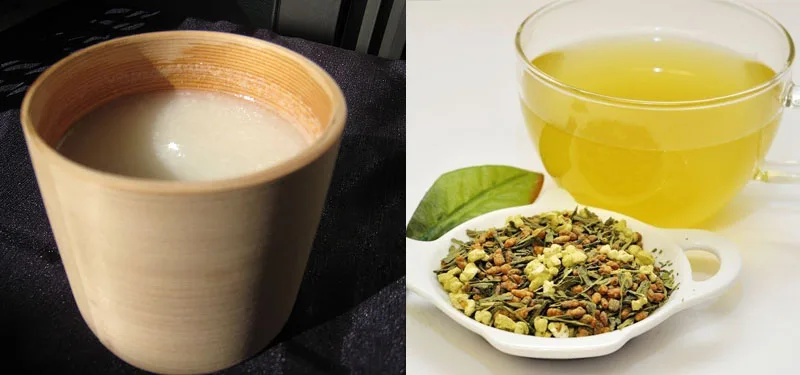
Genmaicha (玄米茶) is green tea blended with roasted brown rice. It is sometimes called “popcorn tea” because a few grains of rice pop while roasting.
The brew is light yellow. The flavor is mild: green tea meets a nutty roasted-rice aroma. Historically the rice stretched the leaves and made the cup cheaper; today people drink genmaicha mainly for that toasty taste.
Nigorizake
Nigorizake (濁り酒), often shortened to nigori, is a cloudy sake: while clear sake is finely filtered, nigori keeps some rice solids. The drink feels creamy, often a bit sweeter and fruitier.
Do not confuse it with doburoku (濁酒). Doburoku is basically unpressed mash and is often treated differently under Japanese liquor rules. Nigori is coarsely pressed and still counts as sake — both look cloudy, but they are made differently.
Shōchū and Awamori
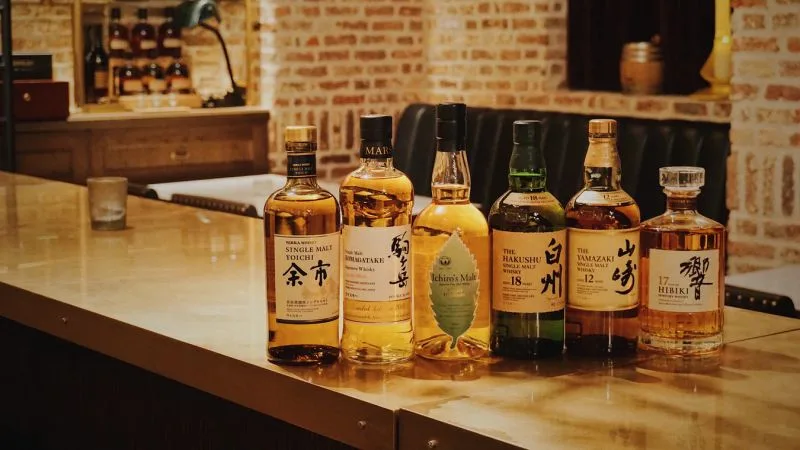
Shōchū (焼酎) is a distilled spirit — depending on the bottle, from barley, sweet potato, rice, or other bases, often around 25% alcohol. Rice shōchū (kome shōchū) belongs in this rice-drink family, even though not every shōchū is made from rice.
Awamori (泡盛) is Okinawa’s distilled specialty: often made with Thai long-grain rice and a different kōji mold, with alcohol from about 25% up past 40%. For how Japanese shōchū differs from Korean soju, see soju and shōchū compared.
Rice also appears in milks, teas, and other local styles — the five drinks above are simply the ones you keep meeting on shelves, at festivals, and at the table.

Community
Comments
0 comments
There are no published comments in this language yet.
Send comment