In this article, we will explore how to construct sentences in Japanese using the so-called final particles, known in Japanese as 終助詞 (Shūjoshi). These particles play a crucial role, affecting the tone and intention of speech. Understanding their use is essential for anyone who wants to communicate more naturally in Japanese.
The Japanese language uses various final particles to express doubt, emphasis, confirmation, and other nuances of feeling. We will analyze each of them, presenting examples in kanji followed by their transcription in romaji to facilitate understanding.
か – Interrogative Particle
The particle か (ka) is widely known as the question marker in Japanese. Its use replaces the question mark, turning an affirmative sentence into a question. It is one of the most basic and important particles.
あの人は誰ですか
Ano hito wa dare desu ka?
Who is that person?
田中さんは先生ですか
Tanaka-san wa sensei desu ka?
Is Mr. Tanaka a teacher?
The particle か is also used in combinations to form words that express uncertainty, such as 誰か (dareka), which means “someone,” and どこか (dokoka), which means “somewhere.”
の – Explanatory and Emphatic Particle
の (no) is a multifunctional particle that can be used to give explanations or add emotional emphasis, especially in questions. It is often associated with a more feminine way of expressing oneself.
いいの?
Ii no?
Is everything okay?
どこに行くの?
Doko ni iku no?
Where are we going?
In affirmative contexts, の can indicate that the speaker is emphasizing something that has already been said, giving a sense of confident conclusion.
ね – Emphatic and Confirmatory Particle
ね (ne) is comparable to “right?” in Portuguese. It indicates agreement, softens the sentence, or suggests the need for confirmation, as in “isn’t it?” or “do you agree with me?”. It is widely used in friendly conversations.
それは難しいね
Sore wa muzukashii ne
It’s difficult, isn’t it?
田中さんはすごい人だね
Tanaka-san wa sugoi hito da ne
Mr. Tanaka is an amazing person, isn’t he?
The particle ね can be elongated (neee) to add more emphasis or make the tone even friendlier and softer.
よ – Strong Emphasis Particle
よ (yo) adds certainty or emphasis to the sentence. It is used to convey new information or show conviction. It often appears in situations where the speaker wants to ensure that the listener pays attention to what is being said.
分かるよ
Wakaru yo
I understand!
あの映画はすごく良かったよ
Ano eiga wa sugoku yokatta yo
That movie was really good!
彼は煙草を吸わないよ
Kare wa tabako o suwanai yo
He doesn’t smoke, you know?
よ is assertive and can, in some cases, seem aggressive if not used carefully.
ぞ and ぜ – Masculine Emphasis Particles
ぞ (zo) and ぜ (ze) are more masculine final particles, used to give orders or show confidence in a situation. They have a casual and energetic tone.
行くぞ
Iku zo
Let’s go!
ぜ is similar to ぞ, but can seem a bit lighter and is often used among friends.
な – Opinion or Prohibition Particle
な (na) has a dual use. In the context of opinion, it is used to give an emotional touch or to emphasize an observation, being more common among men.
田中はバカだな
Tanaka wa baka da na
Tanaka is a fool…
寒いなあ
Samui naa
It’s so cold…
When used for prohibition, な expresses a negative order, sounding harsher.
行くな!
Iku na!
Don’t go!
見るな!
Miru na!
Don’t look!
かな and かしら – Expressing Uncertainty
かな (kana) is used to express doubt or uncertainty, often sounding like a reflection aloud. かしら (kashira) is the more feminine version of this particle.<pre> 今日は雨が降るかな Kyō wa ame ga furu kana </pre>
I wonder if it will rain today?
いい大学に行けるかな
Ii daigaku ni ikeru kana
I wonder if I will be able to get into a good university?
These particles make speech more introspective and help express uncertainties naturally.
わ – Soft Emotion Particle (Feminine)
わ (wa) is mainly used by women to express emotion or admiration in a soft manner, somewhat reminiscent of the use of よ, but with a more delicate tone.
明日行くわ
Ashita iku wa
I will go tomorrow.
This particle is an important element for giving a feminine touch to speech, especially in regions like Kansai, where even men may use it.
I hope this guide has made it easier to understand final particles in Japanese! Now, you can apply them to make your conversations more natural and expressive.
Japanese bakeries (beekarii – ベーカリー) are a true paradise for bread lovers, with options ranging from unusual flavors to classic Japanese varieties. Unlike Western bakeries, in Japan, the breads are displayed on trays, allowing customers to choose and serve themselves before heading to the cashier. Interestingly, even with the open display, hygiene issues, such as flies, are virtually nonexistent.
Since their origin in the 19th century to the popularization of modern franchises, Japanese bakeries stand out for their innovation. The first bakery in Japan was opened in 1869 by Yasubei Kimura, a former samurai who became a pioneer by introducing anpan, a bread filled with red bean paste, an icon of local confectionery. Today, both small artisanal establishments and large international chains continue to transform the bakery scene.
The Fascinating History of Japanese Bakeries
The history of bakeries in Japan begins with the opening of Buneidou, now known as Kimura-ya, by Yasubei Kimura. In 1875, anpan gained national prominence when Kimura created a special version for Emperor Meiji, incorporating sakura petals into the filling, marking the birth of Anpan Day on April 4. This simple gesture gave rise to a cultural and culinary phenomenon that continues to this day.
Since then, bread has become an essential part of the Japanese diet, but with a creative and culturally adapted approach. The introduction of local ingredients such as sakedane yeast (made from rice) highlights the union of Western baking with traditional Japanese techniques. The consumers’ desire for innovation has driven the creation of an almost infinite variety of breads, making each visit to a bakery a new experience.
The Revolution of Bakery Franchises
In addition to artisanal bakeries, Japan also has a number of international and local franchises that are popular. One example is Via de la France, a chain known for its European approach, but adapted to Japanese tastes. With branches spread throughout the country, this franchise offers a selection of fresh breads, such as buttery croissants and crispy baguettes, often combined with Japanese ingredients like green tea or mochi.
Other chains, such as Saint Marc Café and Andersen Bakery, also stand out by blending French and Danish recipes with local flavors. These modern bakeries have become popular meeting spots, not only for the food but for the cozy atmosphere that invites relaxation and socialization. The combination of international flavors and Japanese techniques creates a unique experience that attracts both locals and tourists.
Unusual Types of Japanese Breads
Japan is known for its inventiveness, and this is reflected in breads that often seem strange to foreign eyes but are true delights. Here are some examples of breads you will frequently find in bakeries:
Yakisoba-Pan: A bread filled with seasoned yakisoba noodles. Although it may seem unusual, it is a practical and quite popular option, especially among students. The texture of the bread blends perfectly with the sautéed and slightly sweet noodles.
Kare-Pan: A fried bread filled with Japanese curry. The crunchiness of the fried dough contrasts with the creamy and slightly spicy filling. Kare-pan is a tasty choice for a quick snack or even an energizing breakfast.
Meron-Pan (メロンパン): Despite its name, meron-pan rarely tastes like melon. It is covered with a thin, crispy layer similar to a cookie, giving it its characteristic appearance. Some variations add chocolate chips or flavors like matcha, making each bite a surprise.
Other popular breads include the Korokke-Pan, filled with potato croquette, and the Korone, a cone-shaped brioche filled with chocolate cream. The variety is endless, and each season brings new creations and limited editions.
Bakeries in Japan and Japanese breads
Cultural Influences and Modern Traditions
Japan not only imported Western techniques but also transformed them with unique cultural touches. Many breads reflect the Japanese concept of “wabi-sabi,” where simplicity and imperfection become part of the aesthetic. Breads like the Nikuman, filled with pork and steamed, show the adaptation of baking to Asian techniques, while other creations, such as Anpan, remain true to historical roots.
The bakery culture in Japan is a blend of global flavors and local techniques, with bakeries ranging from small family-run establishments to large international chains. If you have the opportunity to visit, prepare for an unforgettable culinary journey.
Bakeries in Japan and Japanese breads
Videos of Japanese Bakeries
Let’s leave some videos for you to get to know and appreciate the bakeries of Japan and see the huge variety of products.
The form -tari (~たり) is used to list actions performed without the need to follow a specific order. In other words, it is useful for expressing consecutive activities of daily life or exemplifying actions without highlighting the sequence. The -tari can also convey the idea of repetition of actions or facts.
In a simplified manner, this structure is applied to mention actions that the subject has performed, with a soft or indirect emphasis. Before using the -tari, it is important to understand the form -ta, which indicates that an action was completed in the past. The -tari can be conjugated in forms such as たりします, たりして, and たりする, and is always preceded by a verb in the -ta form.
How to Use the -tari Form
To apply the -tari correctly, the verb needs to be in the -ta form, followed by -ri. Below are some practical examples to understand its functionality:
休日は、食べたり寝たりして過ごしています。
Kyuujitsu wa tabetari netari shite sugoshite imasu.
Translation: “I spend my days off eating, sleeping, etc.” Here, the use of -tari indicates that other activities may also have occurred, but were not specified.
Another simple example shows the difference in relation to the -te form, which connects actions directly:
昨夜は歌って踊った。
Sakuya wa utatte odotta.
Translation: “I sang and danced last night.” The sequence of actions is direct.
Now, observe how the same idea transforms with the -tari:
昨夜は歌ったり踊ったりした。
Sakuya wa utattari odottari shita.
Translation: “I sang and danced last night (among other things).” Here, the order of actions is not relevant, and there is an implicit idea of other possible activities.
When to Use -tari
The -tari is useful for describing actions that occur regularly or for asking someone about their routine. For example, when asking a question about reading habits:
漫画を読んだりしますか?
Manga o yondari shimasu ka?
Translation: “Do you do things like read manga?” This example indicates that reading manga is one of the activities the person may engage in, but other actions are not ruled out.
You can also use the -tari in negative contexts, to indicate that something will not be done:
笑ったりしないよ。
Warattari shinai yo.
Translation: “I won’t do things like laugh at you.” This expression sounds softer than a direct denial.
Transforming Verbs to Use with -tari
Here is a table to help in transforming verbs to the -tari form:
する – suru
した – shita
したり – shitari
歌う – utau
歌った – utatta
歌ったり – utattari
食べる – taberu
食べた – tabeta
食べたり – tabetari
書く – kaku
書いた – kaita
書いたり – kaitari
読む – yomu
読んだ – yonda
読んだり – yondari
踊る – odoru
踊った – odotta
踊ったり – odottari
Other Special Uses of -tari
The -tari can be used to soften a sentence and make it more polite or indirect. See this example:
私の日本語が間違っていても笑ったりしないで下さい。
Watashi no nihongo ga machigatte ite mo warattari shinai de kudasai.
Translation: “Even if my Japanese is wrong, please don’t laugh at me or something like that.” This is softer than simply saying: “Don’t laugh at me.”
Another example in a hypothetical situation:
初めてのデートだったらケチったりしない方がいいよ。
Hajimete no deeto dattara kechittari shianai hou ga iiyo.
Translation: “If it’s your first date, it’s better not to be stingy or something like that.” It sounds more polite than a direct instruction.
Using the -tari particle, it is possible to add a layer of subtlety or make a statement more open. To practice, watch the anime Tari Tari or listen to the theme song to understand the application of this form in a light and fun way!
Laughter is a universal element of human communication, and in the digital age, each culture has developed unique ways to express humor online. We all know the classic “kkkkkkk” from Brazil, the “rsrsrsrs,” or even the “huehuehue” that became famous around. But how do the Japanese laugh on the internet or in their media? Let’s explore some of the most common laughs used in Japan, many of them filled with cultural nuances and specific meanings.
The Kanji 笑 and Online Laughter
The kanji 笑 (wara) literally means “laughter” or “to laugh” and is widely used on the internet, similar to how “lol” is used in English. It often appears in parentheses: (笑). Additionally, the Japanese also write “www” as an abbreviated form of warai or warau, and you will see this repeated in chats to indicate continuous laughter, like “wwwwwwwwww”.
The Most Used Laughs in Japan
In Japan, online laughter and in animes or mangas are often represented by onomatopoeias. They appear in various forms and can be as varied as the characters or situations that inspire them. These expressions of laughter are not restricted to the digital environment: you will see these forms of laughter being used in manga dialogues, anime scenes, and even in everyday communication.
ははははは (Ha! ha! ha!)
The most common and simple laugh, “ははははは” is similar to our “hahaha”. It is often used especially by men and expresses a direct and genuine laugh, without pretensions. It is a strong laugh typical of someone who is really having fun.
ひひひひひ (hihihihihi)
“ひひひひひ” is a sinister laugh, often used by characters who are plotting something or about to pull a prank. Imagine someone thinking of a clever plan or something darkly humorous; this laugh brings that feeling of “something is about to happen”.
ふふふふふ (fufufufufu)
“ふふふふふ” can be a scary, mysterious, or even malicious laugh. It is often a laugh of villains or characters with an enigmatic side. It is also associated with women who smile elegantly but with ulterior motives.
へへへへへ (hehehehehehe)
This is a laugh of shyness or embarrassment. “へへへへへ” is used by people who are trying to hide an embarrassment or who feel ashamed for not being able to do something. It is that typical “hehe” of someone trying to disguise discomfort.
ほほほほほ (hohohohoho)
“ほほほほほ” is a feminine laugh, usually used by high-society women, such as ladies or noble characters. It is an elegant laugh, but also a bit old-fashioned, as if a lady were laughing with her mouth open in a haughty manner.
ニコニコ (Niko Niko)
Niko-Niko / Nikkori / Niko!: As mentioned earlier in an article on the site, “Niko-niko” represents a cheerful and silent smile, like someone who is visibly happy without making a sound.
Vowels and Variations of Laughter
You can also find variations where vowels are used to modify the sound of laughter, making it more expressive or casual. For example:
あはははは – Ahahahaha: An open and contagious laugh, similar to our “hahahaha”.
いひひひひ – Ihihihihi: A mischievous laugh, used by someone who made a joke.
うふふふふ – Ufufufufu: A feminine, graceful, and mysterious laugh.
えへへへへ – Ehehehehe: An embarrassed or shy laugh.
おほほほほ – Ohohohoho: A sophisticated and pompous laugh, used by ladies.
Other Popular Laughs and Their Nuances
In addition to the five main ones, there are a number of specific laughs that convey different emotions:
Kya! ha! ha! / Wa! ha! ha! / Gwa! ha! ha!
Kya! ha! ha!: A childish laugh, used by children or characters with a youthful nature.
Wa! ha! ha! and Gwa! ha! ha!: Loud and mischievous guffaws, typical of villains in animes, trying to sound more threatening.
Kara-kara / Gera-gera / Geta-geta
Kara-kara: A dry laugh, sounding like “kara-kara”. Imagine someone laughing without enthusiasm or at something not very funny.
Gera-gera: An unmodest laugh, which can be disdainful. People who laugh “gera-gera” often do so without worrying about being polite.
Geta-geta: A loud, boisterous, and brazen laugh, usually associated with a lack of modesty.
Ku-ku-ku / Kutsu-kutsu
Ku-ku-ku: A muffled laugh, like someone holding back laughter or laughing discreetly while reading something funny.
Kutsu-kutsu: A silent laugh, ideal for when a person laughs alone while remembering something funny.
I! hi hi hi! / Kya! Kya!
I! hi hi hi!: A vulgar or provocative laugh, like someone making a double entendre joke.
Kya! Kya!: A childish laugh, used by babies or small children.
Keta-keta / Koro-koro / Ke! ke! ke!
Keta-keta: An indecent laugh, indicating that someone is not taking the situation seriously.
Koro-koro: A pleasant and feminine laugh, like a rolling ball, suggesting that only women would laugh this way.
Ke! ke! ke!: A scornful laugh, common among villains in mangas.
People dream of studying at Harvard, Oxford, Stanford, and MIT; others dream of studying, interning, or pursuing graduate studies at some Japanese university. Japan appears 5 times in the ranking of the 100 best universities in the world, in addition to offering a wonderful culture and life to its citizens. In this article, we will get to know the 20 best universities in Japan.
University in Japanese is known as 大学 (Daigaku). Did you know that by 2024, 30 Japanese people have been awarded the Nobel Prize? Of these, 12 received the Nobel Prize in Physics, 8 in Chemistry, 5 in Physiology or Medicine, 3 in Literature, and 2 in Peace. This shows how effective Japan’s universities are!
1. University of Tokyo (Todai)
The University of Tokyo, also called Todai, is considered the best in Japan and one of the most prestigious in Asia. Its origins date back to 1684, during the Edo period, and the university was officially founded in 1877. With a community of about 30,000 students, including 2,000 foreigners, Todai is a leader in various fields of knowledge.
Highlights:
Offers various programs in English to attract international students.
Best university in Japan and among the top 10 in Asia.
Excellence in areas such as engineering, law, and medicine.
2. Kyoto University (Kyoto Daigaku)
Kyoto University, or Kyodai, is the second oldest in Japan, founded in 1897. Known for its “spirit of freedom,” it values innovation in teaching and research. Its alumni include six Nobel laureates.
Highlights:
Recognized for its excellence in natural sciences and engineering.
Located in Kyoto, a city rich in culture and history.
Strong research programs in areas such as chemistry and molecular biology.
3. Osaka University (Osaka Daigaku)
Osaka University, also called Handai, originated from Kaitokudo, a study center founded in the 18th century, and was officially established in 1931. It is known for its strength in law, medicine, sciences, and technology.
Highlights:
Robust international partnerships for exchange and research.
A reference in the teaching of medical sciences and technology.
Located in Osaka, a dynamic and modern city.
4. Keio Gijuku University (Keio Gijuku Daigaku)
Founded in 1858, Keio is the oldest university in Japan and has a strong connection with the political and economic elite of the country. Located in Tokyo, it offers renowned programs in business and economics.
Highlights:
Central location in Tokyo, providing easy access to business opportunities.
Alma mater of many CEOs of Fortune Global 500 companies.
Strong MBA and social sciences programs.
5. Tokyo Institute of Technology (Tokyo Tech)
Tokyo Tech is Japan’s leading university for engineering and technology, ranking 37th in the global field. Founded in 1881, it is known for its focus on innovation and applied research.
Highlights:
World leader in areas such as robotics and artificial intelligence.
Strong ties with Japan’s technology industry.
Offers highly specialized graduate programs.
6. Hokkaido University
A small public university of prestige located in the center of Sapporo, founded in 1876 by American professor William S. Clark. Hokkaido is one of the most selective universities in Japan. Its entrance difficulty is considered one of the highest in Japan.
Highlights:
Strong in areas such as agriculture, engineering, and environmental sciences.
Campus integrated with nature, providing an inspiring environment.
Active participation in climate and sustainability research.
7. Tohoku University (Tohoku Daigaku)
Tohoku University is located in Sendai, Miyagi, founded in 1907 and is often ranked among the 50 best universities in the world. Its three basic principles are: research first, an open-door policy, and a focus on practical research and education.
Highlights:
Recognized for its practical and innovation-oriented research.
Tradition of “open doors,” welcoming students from various countries.
A reference in materials engineering and regenerative medicine.
8. Nagoya University
Nagoya University, founded in 1939, is recognized for its innovative approach to education. Four of its alumni have received the Nobel Prize, reflecting its academic excellence.
Highlights:
Strong in areas such as physics, chemistry, and biomedicine.
About 13% of its students are foreigners, creating a multicultural environment.
Located in Nagoya, one of Japan’s main industrial cities.
9. Tsukuba University (Tsukuba Daigaku)
Tsukuba University is one of the oldest in Japan, with roots dating back to 1872. Its modern campus is the largest in the country, covering 258 hectares.
Highlights:
Excellence in areas such as sports sciences, psychology, and physics.
Three alumni awarded the Nobel Prize.
Strong focus on international collaboration and scientific innovation.
10. Kobe University (Kobe Daigaku)
Founded in 1949, Kobe University, or Shindai, is located in Hyogo. Although relatively new, it is one of the most prestigious universities in Japan, especially in economics and international studies.
Highlights:
Excellence in economics and international relations.
Campus overlooking the Seto Inland Sea, creating an inspiring environment.
Strong partnership with international organizations for global research.
11. Kyushu University (Kyushu Daigaku)
Located in Fukuoka, Kyushu University is one of Japan’s leading educational institutions. Founded in 1911, it is known for its research in engineering, medicine, and environmental sciences. Its main campus, Itoshima, offers modern infrastructure integrated with nature.
Highlights:
Partnerships with technology companies and international programs.
Strong emphasis on renewable energy and sustainability.
12. Waseda University (Waseda Daigaku)
Waseda University, in Tokyo, is a prestigious private institution founded in 1882. Recognized for its contributions to the humanities, business, and technology, it is a popular destination for international students.
Differentials:
One of the best MBA programs in Asia.
Extensive network of influential alumni in politics and business.
13. Sophia University (Jōchi Daigaku)
Sophia University is a Catholic institution located in Tokyo, famous for its excellence in humanities, linguistics, and international studies. Its multicultural environment makes it one of the most welcoming universities for foreigners.
Points of interest:
Courses taught entirely in English.
Connections with educational institutions around the world.
14. Akita International University (Akita Kokusai Daigaku)
With a focus on global education, Akita International University, founded in 2004, is a modern institution that promotes English fluency and robust exchange programs.
Features:
All courses are taught in English.
Has one of the highest student exchange rates in Japan.
15. Chiba University (Chiba Daigaku)
Chiba University is known for its innovative research in applied sciences, medicine, and engineering. Located in Chiba city, near Tokyo, it is an excellent choice for students interested in technology and health.
Areas of excellence:
Regenerative medicine.
Intelligent systems engineering.
16. Hiroshima University (Hiroshima Daigaku)
Located in Hiroshima, this university combines tradition and innovation. Founded in 1949, the institution is recognized for its role in promoting world peace and research in social sciences, biotechnology, and the environment.
Reasons to study here:
Spacious campus with modern infrastructure.
Strong emphasis on peace studies and international cooperation.
17. Okayama University (Okayama Daigaku)
Okayama University, located in Okayama, is famous for its research program in agriculture and medical sciences. Founded in 1949, it is nicknamed “the university of creation and innovation.”
Highlight factors:
Leader in biodiversity studies.
Excellence in agricultural sciences and medicine.
18. Ritsumeikan University (Ritsumeikan Daigaku)
With campuses in Kyoto, Osaka, and Shiga, Ritsumeikan University is one of Japan’s leading private universities. It offers high-quality programs in technology, business, and cultural studies.
Benefits for students:
Diverse courses in English for international students.
Connection with Kyoto’s cultural history.
19. Kanazawa University (Kanazawa Daigaku)
Located in Ishikawa, Kanazawa University is recognized for its research in medical sciences, natural sciences, and regional studies. It is known for its efforts in preserving Japanese culture and promoting technological innovation.
Strengths:
Excellent biotechnology laboratories.
Regional partnerships for sustainable development.
20. Gakushuin University (Gakushuin Daigaku)
Originally founded to educate the Japanese nobility, Gakushuin University, in Tokyo, is a private institution with a strong reputation in liberal arts, economics, and international studies.
Unique features:
Historical heritage and academic prestige.
Academic environment focused on critical thinking and research.
Other Universities in Japan
Of course, there are many more universities in Japan, as it is a country where most students graduate; you can see other universities in our list of Universities in Japan by clicking here.
Once, during a cold night in Tokyo, I found refuge in a small stall illuminated by the yellow lights of paper lanterns. The comforting aroma emanating from a large pot caught my attention. It was oden, a traditional dish that has since gained a special place in my heart.
Oden is more than just a simple meal; it is a cultural experience that warms the body and soul. With a variety of ingredients slowly cooked in a flavorful broth, this dish is a true symbol of the Japanese winter.
Diverse different ingredients go into the Oden recipe, everything depends on the region or province. The ingredients are usually dipped in the sauce and cooked until very tender, and they can also be found in convenience stores where they are constantly submerged and warm.
Origin and History of Oden
The origins of oden date back to the Muromachi period (1336-1573), where it was initially known as misodengaku. At that time, it consisted of grilled tofu pieces served with miso paste. Over the centuries, the dish evolved, incorporating a variety of ingredients and gaining popularity throughout Japan.
In the Edo period (1603-1868), oden became a popular street food in Edo (now Tokyo). Stalls known as odenya began to emerge, offering an affordable and comforting option for urban workers. Today, oden is enjoyed throughout the country, especially during the colder months.
Classic Ingredients of Oden
The richness of oden lies in the diversity of ingredients that can be added to the broth. Each component brings its own texture and flavor, creating a unique culinary harmony.
Yude Tamago – ゆで卵 – Boiled Eggs
Boiled eggs are a simple yet essential element in oden. Dipped in the broth, they absorb the deep flavors, transforming into true umami gems.
I remember trying a yude tamago that, despite its modest appearance, turned out to be incredibly tasty. The fusion of the creamy yolk with the aromatic broth is an unforgettable experience.
Konbu – Dried Seaweed
Konbu is a seaweed rich in umami, used both to make the base broth and as an ingredient in oden. Besides being tasty, it is nutritious, providing essential minerals like iodine and calcium.
Daikon – 大根 – Radish
Daikon is cut into thick slices and cooked until tender. Its juicy texture and slightly sweet flavor balance the intensity of the broth.
This ingredient is known for absorbing the flavors around it, making each bite an explosion of taste. Additionally, daikon is valued for its digestive properties.
Ikamaki – Made from Squid
Ikamaki consists of pieces of squid that add a maritime flavor and a soft texture to oden. For seafood lovers, this ingredient is a delicious addition.
Konnyaku – Food Made from Konjac Potato
Konnyaku is a firm, flavorless gelatin made from konjac potato. Its unique texture adds variety to the dish.
Despite its subtle flavor, konnyaku is excellent at absorbing the broth, becoming a tasty and healthy delight, rich in fiber and low in calories.
Gyuu Suji – 牛すじ – Beef Tendon
Gyuu suji is beef tendon slowly cooked until tender, similar to our mocotó. This ingredient enriches the broth with collagen, providing a gelatinous texture and deep flavor.
Shirataki – 白滝 – Noodles Made from Konjac Potato
Shirataki are thin, translucent strands made from konjac. They add a slightly chewy texture to oden. This noodle is ideal for those looking for a light option, as it is low in calories and carbohydrates but high in satisfaction.
Rooru Kyabetsu – Cabbage Dumpling Stuffed with Ground Chicken or Pork
Cabbage dumplings are filled with seasoned ground meat and cooked in the broth, making the cabbage tender and flavorful. This ingredient adds substance to oden, turning it into a heartier meal.
Atsuage – 厚揚げ – Large Pieces of Fried Tofu
Atsuage is firm tofu that has been fried until a golden crust forms on the outside, while remaining soft on the inside.
By absorbing the broth, atsuage offers a delicious combination of textures, with the exterior slightly crispy and the interior juicy.
Satsuma-age – さつま揚げ – Fried Cakes Made with Cod or Other Fish, Vegetables, and Shredded Carrot
Originating from the Satsuma region, this cake is made from fish paste mixed with vegetables and then fried. Satsuma-age brings a maritime flavor to oden, enriching the broth with notes of fish and vegetables.
Mochiiri Kinchaku – 餅入り巾着 – Fried Tofu Stuffed with Mochi
This is a pouch made of fried tofu stuffed with mochi, a glutinous rice cake. When cooked, the mochi melts slightly, creating a sticky and delicious texture.
Mochiiri kinchaku is one of my personal favorites, as each bite is a surprise, combining subtle flavors and contrasting textures.
Ganmodoki – Disk-Shaped Cake Made from Fried Tofu and Vegetables
Ganmodoki is a tasty cake made from tofu mixed with chopped vegetables and fried until golden. This ingredient adds a homemade touch to oden, reminiscent of traditional Japanese grandmother recipes.
Chikuwabu – Noodle Made from Fish, Flour, Water, and Salt
Chikuwabu is a type of noodle made from flour and water, different from chikuwa, which is made from fish. This ingredient has a chewy texture and is excellent for absorbing the flavor of the broth.
There is also yaki chikuwa, which is a roll of fish paste lightly grilled or fried before being added to oden. The frying adds a smoky flavor and a slightly firm texture, enriching the stew.
Tsukune – Chicken Meatballs on a Skewer
Tsukune are chicken meatballs shaped on skewers. Cooked in the broth, they become juicy and full of flavor. This ingredient is perfect for meat lovers and adds protein to the dish.
Carrots, Mushrooms, Cabbage, Octopus, etc.
Other ingredients such as carrots, mushrooms, cabbage, and even octopus are often added, enriching the dish with additional flavors and nutrients. The beauty of oden lies in its flexibility; you can customize it with your favorite ingredients.
Accompanying Sauces
In places like convenience stores, you can grab a sauce to accompany the Oden, we have karashi similar to mustard but spicier. Misotare a strong flavored soy paste sauce and yuzugosho which is slightly sour and spicy.
Oden in Japanese Culture
Oden is more than just a simple dish; it is an intrinsic part of Japanese culture. During winter, it is common to see friends and family gathered around a pot of oden, sharing stories and laughter.
Convenience stores in Japan also sell oden during the cold months, making it accessible to everyone. It is a food that brings people together, warming both body and spirit.
Oden in One Piece
Oden has also gained prominence in the world of anime, especially in One Piece, one of the most popular series in Japan. The character Kozuki Oden not only shares the name with the dish but also embodies deep symbolism related to it.
In a memorable moment, Oden declares: “Oden wouldn’t be oden if it weren’t boiled.” This phrase carries a double meaning. On one hand, it literally refers to the dish that needs to be cooked to achieve its ideal flavor. On the other, it is a metaphor about resilience and transformation. Just as the ingredients of oden strengthen and absorb flavors when boiled, Oden faces challenges that shape and strengthen him throughout his journey.
This quote resonates with many fans, as it highlights the importance of facing adversities to grow and become stronger. The analogy with oden makes the message even more powerful, connecting Japanese culinary culture with universal themes of perseverance.
Mentioning One Piece when talking about oden enriches the understanding of how gastronomy and pop culture intertwine in Japan. The dish is not just a meal but also a source of inspiration and symbolism in various forms of art and entertainment.
Preparing Your Own Oden
If you want to try oden at home, it is simpler than it seems. You can find ready-made kits in specialty stores or prepare your own broth with dashi, shoyu, and mirin.
Add your preferred ingredients and cook slowly, allowing the flavors to blend. It is a great way to bring a piece of Japanese culture to your table.
Nishime – Cooked Vegetables
Something similar to Oden is Nishime, which consists of cut vegetables cooked in sauces. The differences are that nishime has little broth and is saltier. Additionally, the ingredients of nishime are all cut while those of Oden are usually large and whole.
Oden ends up being called by other names in some regions. In Nagoya, it may be known as Kantou-ni, while in the Kansai area it is known as Kanto-daki. In some regions, the broth may be lighter or darker. Oden has already been exported to some countries like China, Korea, and Taiwan and has its differences and variations.
In today’s article, we will explore the Japanese verb dekiru (出来る). Although many may already have some familiarity with it, here we will provide practical examples and information that will help you fully master its use in everyday life.
The verb dekiru means “to be able,” “to manage,” or expresses the idea of the possibility of doing something. Think of it as a way to say “can” or “cannot” in Japanese. Like other verbs in the language, dekiru has its own conjugations and nuances, which we will explain throughout the article.
Structure and Conjugation of Dekiru
The verb dekiru is often used in a construction called “koto ga dekiru” (ことができる), which makes sentences more specific by emphasizing the action that someone can or cannot perform. However, it can also be used independently, depending on the speaker’s intention.
Conjugation of Dekiru
dekiru behaves like an ichidan verb (group of verbs that end in -eru) and is conjugated quite directly. Here are some of the most common conjugations:
Informal form: 出来る (dekiru)
Negative form: 出来ない (dekinai), which means “not able” or “cannot.”
Formal form: 出来ます (dekimasu), which is used in more polite contexts.
Negative formal form: 出来ません (dekimasen), equivalent to “I cannot” or “I am not able.”
Additionally, dekiru can also appear in the potential form of other verbs, where the ending -eru or -rareru is used to indicate ability. This provides an alternative to using koto ga dekiru.
See below a complete table of the verb forms of Dekiru:
Form
Japanese
Romaji
Dictionary
出来る
dekiru
Polite
出来ます
dekimasu
Negative
出来ない
dekinai
Polite negative
出来ません
dekimasen
Past
出来なかった
dekinakatta
Polite past
出来ませんでした
dekimasendeshita
Passive
出来られる
dekirareru
Polite passive
出来られます
dekiraremasu
Causative
出来させる
dekisaseru
Examples of Dekiru Usage
Now let’s see several examples of how you can use [できる] in everyday life:
1. Expressing Ability
If you want to talk about your ability or someone else’s to perform a task, dekiru is the perfect verb.
私たちは泳ぐことができる
Watashitachi wa oyogu koto ga dekiru
Translation: We can swim.
彼女はピアノができる
Kanojo wa piano ga dekiru
Translation: She can play the piano.
Note: In the second example, the object piano is directly followed by ga dekiru, which emphasizes the ability.
2. Talking About Possibility
Dekiru is useful when you want to talk about the possibility of something happening.
この料理は30分で出来る
Kono ryōri wa sanjūpun de dekiru
Translation: This dish can be made in 30 minutes.
ここで写真を撮ることができる
Koko de shashin o toru koto ga dekiru
Translation: It is possible to take photos here.
Note: The verb dekiru helps convey that the action is possible, whether due to favorable conditions or because there is permission for it.
3. Comparing Dekiru with Other Verbs
It is important not to confuse dekiru with other verbs like kanau (叶う), which means “to fulfill” or “to be fulfilled,” especially in contexts of wishes. However, dekiru focuses more on practical ability or possibility.
Dekiru is neutral in terms of formality, but if the context requires more politeness, use dekimasu.
4. Asking for Permission with Dekiru
You can use the verb to ask questions and request permission:
これ, 試着できますか?
Kore shichaku dekimasuka?
Translation: Can I try this on?
5. More Formal Sentences
Add ことができる to make the sentence more polite:
この漢字を読むことができます
Kono kanji o yomu koto ga dekimasu
Translation: I am able to read this kanji.
6. Other Example Sentences
Let’s finish with a few more examples of usage:
彼は運転することができる
Kare wa unten suru koto ga dekiru
Translation: He is able to drive.
週末は公園に行くことができる
Shūmatsu wa kōen ni iku koto ga dekiru
Translation: On the weekend, it is possible to go to the park.
この本は簡単に読むことができる
Kono hon wa kantan ni yomu koto ga dekiru
Translation: This book is easy to read.
勉強ができる
Benkyō ga dekiru
Translation: I am able to study.
こんなうるさいところでは勉強ができません
Kon'na urusai tokorode wa benkyō ga dekimasen
Translation: I cannot study in such a noisy place.
Tips for Memorizing the Use of Dekiru
Here are some tips that can help you remember when and how to use dekiru:
Visual Associations: Try to visualize situations where you need or can do something. For example, imagine someone trying to ride a bicycle and say the sentence:
私は自転車に乗ることができる
Watashi wa jitensha ni noru koto ga dekiru
Translation: I am able to ride a bicycle.
Substitution Exercises: Take sentences you already know and replace the main verb to practice dekiru. This helps reinforce the concept of ability and possibility.
Daily Practice: Use dekiru in your everyday sentences, such as: “Today I can study,” or “Tomorrow I can go out with friends.”
Conclusion
Of course, there are many other principles within the verb 出来る, such as saying that one did well or poorly at something, for example: 出来が悪い. (dekigawarui) I did poorly (at something). You just need to know the verbal and grammatical functions of Japanese, and you will automatically discover new things with できる.
Mastering the use of dekiru is essential for communicating clearly and accurately in Japanese. It is a verb that not only expresses ability but also possibility, making it indispensable in various situations. With practice and attention to detail, you will soon be using dekiru like a native speaker!
The voice assistant technology has transformed the way we interact with our devices. With the evolution of artificial intelligence, Siri, Google Assistant, and Alexa offer impressive features to make daily life easier. However, these assistants can also be powerful allies in language learning, such as Japanese. For enthusiasts and students of this language, using voice commands is a fun and practical way to practice pronunciation and vocabulary.
If you have an iPhone, iPad, MacOS, or any other compatible device, it’s easy to change Siri’s language and train your language skills. But if you use Android or Windows, you can use Google Assistant, Alexa, or even OpenAI’s GPT assistant. Any voice assistant can be used to practice Japanese or other languages. Let’s explore how to do this in a practical and fun way.
Adjusting Your Voice Assistant’s Language
Changing the Language on iOS
Changing Siri’s language is quite simple. Just go to settings, access “Siri and Search,” and choose the desired language. The change does not require downloading additional packages, making the process quick and straightforward. This feature is particularly useful for language students, allowing them to practice speaking and listening without needing to adjust the entire phone’s language.
To open programs or ask questions in Japanese, you can use commands like:
Open a program: Say the name of the app followed by “aite” (開いて) or “hajimete” (初めて). Example: Safari wo hajimete (サファリを初めて).
Check the time: Ask “Nanji desuka?” (何時ですか), and Siri or another assistant will tell the time and display information on the screen.
Show the map: Say “Local + chizu wo mitekudasai” (–地図を見てください) to open the map and receive detailed directions.
Setting Up Google Assistant and Alexa
On Android, Google Assistant allows you to adjust the language similarly. Go to “Settings,” then “Voice Assistant,” and select Japanese or any other language you want to practice. Amazon’s Alexa also offers a multilingual experience. The setup process is quick, and basic commands like “What’s the weather today?” in Japanese are perfectly understood.
Additionally, you don’t need to worry about the accuracy of the words. These assistants can understand small variations, which is great for those who are in the learning process.
Basic Tasks and Useful Commands in Japanese
Performing Simple Actions
Practicing everyday commands is an effective way to become familiar with the language:
Open an app: App name + wo hajimete.
Ask where you are: Watashi wa doko desuka? (私はどこですか).
Check the weather forecast: Kyō no tenki wa? (今日の天気は?).
These commands are understood by Siri, Google Assistant, and Alexa, making the experience quite intuitive.
Common Queries
Voice assistants are also excellent for quick information searches, such as:
Wikipedia queries: “Subject + ni tsuite oshiete” (について教えて) brings precise results.
Search for images: Say “Subject + shashin o misete” (写真を見せて) to see photos.
Imagine asking about something like the history of Japan: this not only improves your vocabulary but also your cultural understanding.
Exploring Fun Interactions
Curious Questions and Jokes
Voice assistants are not only useful but also fun! Asking unexpected things to Siri or Google Assistant in Japanese can result in hilarious responses. Here are some suggestions:
How old are you?: Nansai desuka? (何歳ですか?).
Do you love me?: Watashi wa suki desuka? (私は好きですか?).
Tell me something interesting: Omoshiroi hanashite kudasai (面白い話して下さい).
These questions can generate unique responses and keep your Japanese practice interesting. Alexa is also known for having unexpected responses and even jokes when prompted!
Humorous Challenges
Try saying: “I love Google!” or “Marry me!” to see the funny reactions. OpenAI’s GPT assistant, for example, also has skills in different languages and can offer creative responses, in addition to training your writing.
Other Suggestions for Practice
Remember to vary your questions and not rely solely on ready-made phrases. The most important thing is constant practice. Here are some additional ideas:
Ask about the weather forecast in different locations.
Try starting conversations with “Siri-san” or “Alexa-sama” to play with the idea of respecting your assistant.
Explore new commands and see how each assistant reacts.
If you already have experience talking to assistants in Japanese, share in the comments! Each experience can be unique and enriching.
Whether on iPhone, Android, or Amazon devices, using voice assistants to learn Japanese can be a fun and educational experience. Don’t forget to adjust the language settings and explore the features offered to the fullest. Have fun and learn at the same time!
Japanese cuisine is famous for its delicacy, balance, and creative use of ingredients that exalt the flavor umami. This article explores some of the main ingredients used in Japanese cooking, which, in addition to being unique, reflect Japan’s rich cultural and gastronomic heritage.
Japanese rice: the base of the diet
Rice is the heart of Japanese cuisine, consumed daily and in various forms. The main variety, uruchimai, is a short-grain rice that, when cooked, acquires a slightly sticky texture, ideal for sushi, onigiri, and everyday dishes. Mochigome is stickier and often used in sweets like mochi.
In Japan, rice transcends the role of a side dish, being the star of dishes like donburi (rice bowls with various toppings) and okayu (rice porridge). Its simple yet meticulous preparation reflects the Japanese appreciation for the quality and natural flavor of food.
Curiosities about rice:
It is common to find regional varieties, such as the famous Koshihikari rice, known for its sweetness and aroma.
Rice is often served at the Japanese breakfast with misoshiru and pickles.
Ingredients that define Japanese flavor
Below are some essential traditional ingredients from Japan:
Shoyu: the soy sauce
The shoyu, or soy sauce, is indispensable in Japanese cuisine. Its versatility allows it to be used in savory dishes, marinades, and even sweets. There are different types of shoyu, such as koikuchi (darker and stronger) and usukuchi (lighter and saltier), adapted to the needs of each dish.
In addition to seasoning, shoyu enriches the flavor of soups, sauces, and even boiled eggs. It is one of the main sources of umami, the flavor that makes Japanese food so unique.
Dashi: the base broth
The dashi is the foundation of Japanese cuisine, serving as the base for soups, stews, and even grilled dishes. It is prepared with umami-rich ingredients such as:
Kombu: dried seaweed;
Katsuobushi: flakes of dried and fermented bonito;
Mushrooms like dried shiitake.
The quick and simple preparation of dashi is an example of the Japanese philosophy of extracting maximum flavor from few ingredients.
The miso, a fermented soybean paste, is used to make the famous miso soup and season dishes. Varieties of miso, such as shiro miso (milder) and aka miso (stronger), offer different flavors that adapt to specific recipes. Besides being tasty, miso is nutritious, rich in probiotics, and a symbol of longevity in the Japanese diet.
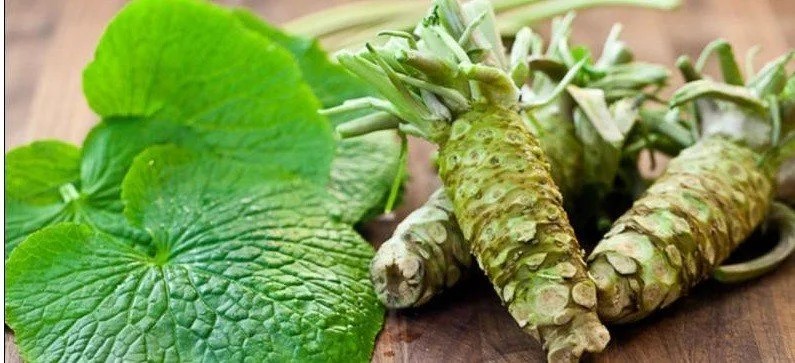
The wasabi is known for its spicy and fresh flavor. Originally used to accompany sashimi and sushi, wasabi also has antimicrobial properties, ideal for dishes with raw fish. Grown under specific conditions, true fresh wasabi is a luxury and very different from industrial versions.
Umeboshi: the acidic contrast
The umeboshi, a fermented and salted plum, is often served as a side dish or filling for onigiri. Its sour and salty flavor awakens the palate and is appreciated for its digestive properties.
The yuzu, a Japanese citrus fruit, is used to give aroma and flavor to dishes and beverages. The juice and zest of yuzu are essential ingredients in sauces, desserts, and even in hot drinks like yuzu-cha.
Additional ingredients of Japanese cuisine
In addition to those already mentioned, Japanese cuisine incorporates other unique ingredients that deserve attention. These items contribute to the complexity and balance that characterize Japan’s gastronomy.
Kinako: roasted soybean flour
The kinako is a fine powder made from roasted soybeans, widely used in Japanese desserts. It imparts a slightly sweet flavor and a nutty aroma. It is often sprinkled over mochis and used in sweets like warabi-mochi.
Benefits of kinako:
Rich in plant proteins.
Source of isoflavones, which help with hormonal health.
Healthy alternative to add sweetness to desserts.
Mochi – All about Japanese rice cake
Panko: the crunchy breading flour
The panko is the Japanese version of breadcrumbs, but with a flaky and light texture. It is widely used in fried dishes such as tonkatsu (breaded pork loin) and ebi fry (breaded shrimp). Its main characteristic is the ability to create a crunchy crust that does not absorb much oil.
Usage tips:
Can be used as a substitute for traditional breadcrumbs.
Perfect for baked dishes that need crunch without frying.
Daikon: the giant radish
The daikon is a large Japanese radish, mild in flavor and crunchy in texture. It is widely used both raw, in salads and side dishes, and cooked in soups and stews like oden. Its versatility allows it to be grated as a garnish for grilled dishes or served pickled.
Nutritional properties:
Low in calories, ideal for diets.
Rich in vitamin C and fiber, aiding digestion.
Anko: the sweet azuki bean paste
The anko, a paste made from cooked and sweetened azuki beans, is a classic ingredient in Japanese sweets like dorayaki, taiyaki, and manju. There are two main versions: tsubuan, which is coarser, and koshian, with a smooth and refined texture.
Why is it special?
The anko replaces refined sugar in many traditional sweets.
Its unique flavor is balanced, offering a less cloying sweetness.
Kombu: the seaweed rich in umami
The kombu is a dried seaweed valued for its deep flavor and ability to enhance the umami of soups and stews. It is often used in the preparation of dashi but also appears in pickles and as an ingredient in onigiri.
Preparation tips:
The kombu should be hydrated before use to release all its flavor.
Can be consumed as a snack after cooking.
Negi: the Japanese leek
The negi is a type of leek widely used in Japan. Its mild flavor pairs perfectly with soups like ramen and udon, as well as serving as a garnish in grilled dishes and salads. It is also one of the most used vegetables in winter dishes, such as nabe (Japanese stew).
The umeboshi is not only a delicacy for its unique acidity and saltiness but is also used as a natural remedy in Japan, thanks to its digestive properties. It is consumed plain, with rice, or as part of meals to balance flavors.
Less known ingredients worth exploring
Yuba: the tofu skin
The yuba is the layer that forms on the surface of heated soy milk. It is used in vegetarian dishes or as an ingredient in salads and soups. Its delicate flavor and soft texture are highly appreciated.
Aburaage: fried tofu
The aburaage is a thin layer of fried tofu, used to make inarizushi (sushi filled with rice) or added to soups like miso. Its texture absorbs flavors, making it ideal for stewed dishes.
Kurogoma: black sesame
The kurogoma (black sesame) is often used in sweets and savory dishes, imparting a toasted flavor and an attractive appearance. It is turned into paste or used as a topping.
Shiso: the aromatic leaf
The shiso is an herb with a refreshing and spicy flavor, used to wrap sushi, accompany sashimi, or added to salads and sauces. It is a very versatile plant rich in antioxidants.
In the Japanese language, one of the most fascinating mysteries is the use of hiragana ん (n), the only kana that does not have its own vowel. A common question among Japanese learners is whether there are words or phrases that start with ん. The surprising answer is: yes, there are, although they are quite rare. In this article, we will explore these special occurrences, including slang, dialects, and even borrowed words from other languages.
Despite its scarcity, ん at the beginning of words plays an interesting role in the Japanese language, especially in colloquial expressions and regional terms. Let’s examine the details below.
The ん: The Only Kana Without a Vowel
Unique Characteristics
The ん is truly peculiar in the Japanese phonetic system. Unlike all other kana, which have an associated vowel sound (like か “ka” or た “ta”), the ん represents only a nasal sound. Its main function is to end syllables, which makes it even more curious when it appears at the beginning of words or phrases.
Few Japanese words start with ん, and most of them consist of slang or terms specific to regional dialects. Additionally, foreign words that have been adapted into Japanese occasionally use ん as an initial sound.
Slang and Dialects that Use ん
The use of ん at the beginning of words is more common in slang and dialects, especially when one wants to emphasize or express emotions intensely. Here are some examples:
Slang Expressions with ん
んなばかな!
Origin: Contraction of そんなばかな.
Meaning: “No way! It can’t be!”
This expression is used to show total disbelief in something that was said or happened.
んなわけねぇだろう!
Origin: Derived from そんなわけねぇだろう.
Meaning: “No chance! It can’t be like that!”
Another emphatic way to express denial or disbelief.
んやろう
Origin: Slang from このやろう (konoyarou).
Meaning: “You bastard!” or an emphatic insult.
Used in contexts of anger or provocation, common in informal conversations and sometimes in animes or mangas.
んと···
Meaning: “Umm…” or a sound of hesitation.
This is a very common expression in colloquial Japanese, used to fill pauses while thinking about what to say.
んだと?!
Origin: Slang from なんだと (nan da to).
Meaning: “What the hell did you just say?!”
An emphatic way to express surprise or indignation.
Dialect Words
In some regions of Japan, especially in Okinawa, ん is used at the beginning of words as part of local dialects. One example is the term for miso in Okinawa, which is written as ンース (nnsu).
Foreign Words with ん
The ん is also used at the beginning of some foreign words that have been incorporated into Japanese. A notable example is “Ngorongoro,” a region in Tanzania, which is transliterated as ンゴロンゴロ (Ngorongoro) in katakana. This usage mainly occurs in proper names or technical words, where the initial nasal sound is necessary to maintain the original pronunciation.
Another interesting case involves foreign words that start with the syllables “Nwa”, “Nwi”, “Nwe”, and “Nwo”. Examples include:
ンウォヤ (Nwoya District): Transliterated as ンウォヤ・ディストリクト (Nwoya Disutorikuto).
ンウェナイング (Nwenaing): Written as ンウェナイング.
ンウィスド (Nwisd): Adapted to ンウィスド.
The Challenge of the Shiritori Game
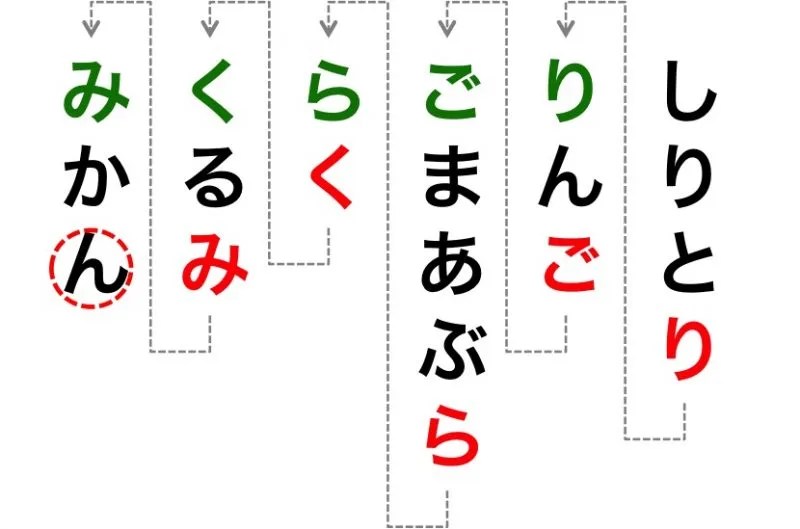
The game Shiritori is a popular pastime in Japan, where players must say words starting with the last syllable of the previous word. The golden rule is to avoid words that end with ん, as there are practically no words that start with this hiragana. If a player says a word that ends in ん, they immediately lose, making ん a strategic trap in the game.
Why is ん Prohibited?
The reason why words with ん are prohibited in the game is simple: there are almost no Japanese words that start with this sound, especially native words that are not slang or foreign terms. This creates an element of challenge and tension in the game, where players need to think quickly to avoid falling into this trap.
Conclusion
Although the use of ん at the beginning of words is rare, it plays an important role in colloquial Japanese and in specific contexts, such as slang and regional dialects. Furthermore, its presence in foreign words shows the flexibility of the language in incorporating new sounds. And you, have you ever heard of words that start with ん? Or perhaps you have played Shiritori and lost because of it? Share your experiences and thoughts in the comments!
This small but powerful hiragana continues to intrigue Japanese learners and highlight the fascinating nuances of the Japanese language.
In the heart of Gifu and Toyama prefectures in Japan, there are two historic villages that seem straight out of a fairy tale: Shirakawago and Gokayama. Nestled in the Japanese Alps, these villages are famous for their traditional houses, known as Gassho-zukuri, which are a living testament to centuries of history and culture. Listed as a UNESCO World Heritage Site, they offer a unique opportunity to explore the past and immerse yourself in a charming setting.
Visiting Shirakawago and Gokayama is not just a sightseeing trip, but an immersion in how architecture, nature, and culture interact harmoniously. If you are fascinated by the beauty and simplicity of rural life in Japan, get ready to fall in love with these villages.
What is Gassho-zukuri?
The term Gassho-zukuri (合掌造) literally means “hands in prayer” and describes the shape of the roofs of these traditional houses. Made of rice straw, the sloped roofs resemble the hands of Buddhist monks during prayer, symbolizing the spirituality and resilience of the region’s inhabitants. Built entirely of wood, these houses were designed to withstand the harsh winters and the large amounts of snow that cover the region every year.
Structure and Design of the Houses
The roofs are sloped at an angle of 60 degrees, helping the snow slide off easily and creating a large space in the attic, which was used for silkworm farming. Additionally, the houses are oriented from north to south, minimizing wind resistance. This architectural design is the result of generations of accumulated knowledge, proving that these villages developed sustainable solutions to cope with the severe climate.
Everyday Life in the Houses
Inside the houses, the functional design continues: the attics were not only storage spaces but also used for economic activities, such as silk production. The wooden construction, without nails, is incredibly durable, and the use of straw on the roofs is renewed every 20 to 30 years in a community effort, showcasing the strong spirit of cooperation among the residents.
These unique structures, with over 300 years of history, continue to impress visitors, especially during winter when the snow-covered roofs transform the landscape into a magical scene.
The Village of Gokayama
Gokayama (五箇山), located in the city of Nanto, is one of the most authentic areas in the region, situated along the Shogawa River. The beauty of Gokayama lies in its simplicity and isolation, which have helped preserve centuries-old traditions. The villages of Taira, Kamitaira, and Toga are perfect examples of how the locals have managed to keep their cultural practices intact over time.
Historic Villages of Gokayama
Ainokura: One of the best-preserved villages, with about 20 Gassho-zukuri houses. Here, you can learn about local culture by visiting the Ainokura Minzoku-kan, a museum that displays ancient utensils and artifacts from rural life.
Suganuma: Another charming village that offers the opportunity to explore houses that have been converted into small museums. The village’s nighttime lighting during winter is a spectacle in itself.
Visitors can explore local museums, such as the Ainokura Minzoku-kan, which provides a detailed insight into the rural lifestyle of Gokayama’s inhabitants, or experience Japanese hospitality in traditional accommodations.
Shirakawago: The Jewel of the Japanese Alps
Shirakawago (白川郷) is the most famous village in this region and attracts tourists from all over the world for its picturesque landscape. The largest village, Ogimachi, is the main tourist spot, with over 50 well-preserved Gassho-zukuri houses. Walking through Ogimachi, you realize that each building tells a story — from the families that lived there to the traditions of silk cultivation.
Main Attractions of Shirakawago
Wada House (Wada-ke): One of the largest houses in the village, open to the public as a museum. It is a perfect example of how the wealthier local families lived.
Myozenji Temple: This temple has a unique thatched roof and a fascinating history. Visitors can see up close how the roof was constructed and learn about the temple’s spiritual role in the village.
Shiroyama Observatory: For the best panoramic view of the village, Shiroyama Observatory is a must-visit. The view is spectacular in any season, but winter brings a special charm with the snow-covered landscape.
Winter transforms Shirakawago into a true wonderland, when the snow covers the sloped roofs and illuminates the village during special nighttime lighting events. In summer, the lush green rice fields and the sound of flowing rivers make the environment equally magical.
Curiosities and Must-Do Experiences
Check out some curiosities and things to do in the region:
Anime Inspiration: The village of Hinamizawa, from the famous anime Higurashi no Naku Koro Ni, is based on Shirakawago, attracting fans to see the real setting.
Historic Houses: The Gassho-zukuri houses are between 200 and 300 years old and are meticulously maintained by their owners, who still live in them.
Traditional Accommodation: Many visitors choose to spend the night in a Gassho-zukuri house, experiencing local cuisine and learning about Japanese customs.
Museums and Culture: Visit museums like Minkaen, where you can gain a better understanding of the region’s agricultural life, and enjoy typical dishes at restaurants like Kanda-ke.
Local Festivals: In October, the Doburoku Matsuri celebrates the harvest with Shinto rituals, music, and traditional dances. Try doburoku, a type of homemade sake, during the festival.
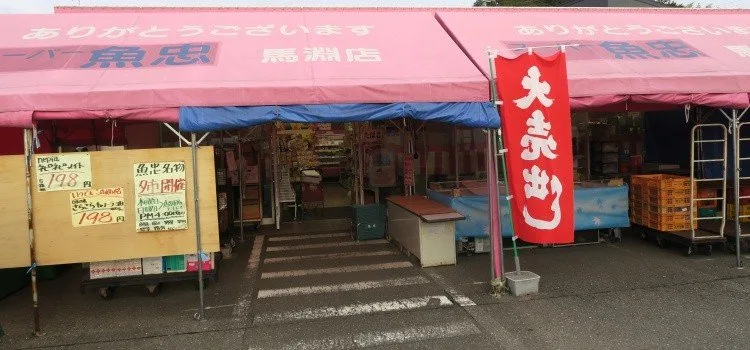
Exploring small city markets in Japan can be a surprisingly economical experience, especially when compared to the prices of large supermarkets and Konbini (convenience stores) in cities like Tokyo or Osaka. The fruits, vegetables, and produce sold in these local markets usually cost less, and the quality of fresh products is a great advantage. We visited a small market in Shiga Prefecture at the end of summer and the beginning of autumn, and found prices that can be much more affordable, thanks to seasonal supply.
Below, we organized the prices by categories, converting the values from yen to US dollars using the rate from October 2024, where 1 yen ≈ $0.0067 USD.
This article is quite useful to show those who believe that vegetables and fruits in Japan are expensive. The data in this article is frequently updated, with the last update in 2024/2025.
Fruit Prices
Fruit prices can vary significantly, especially out of season. However, we found some notable deals:
Apples, Oranges, and Other Fruits
Large apples (4 units): 350 yen ≈ $2.35
Oranges (bag): approximately 200 yen ≈ $1.34
Peaches (bag with 3): 400 yen ≈ $2.68
Nashi pear (unit): 150 yen ≈ $1.01
Kaki (persimmon, unit): 100 yen ≈ $0.67
Smaller Fruits
Small tomatoes (tray with 7 units): 238 yen ≈ $1.60
Grapes (small bunch): 300 yen ≈ $2.01
Strawberries (small tray): 250 yen ≈ $1.68
Vegetable Prices
Vegetables, especially those in season, are a healthy and affordable option. Here are the prices of some vegetables we found:
Leaves and Salads
Lettuce: 238 yen ≈ $1.60
Spinach (bunch): 150 yen ≈ $1.01
Cabbage (whole head): 180 yen ≈ $1.21
Various Vegetables
Radish sprouts (カイワレ): 38 yen ≈ $0.25
Eggplant: 198 yen / 250 yen ≈ $1.33 / $1.68
Carrots (3 units): 40 yen ≈ $0.27
Legume Prices
Fresh and affordable legumes are common in smaller markets. See below for some examples:
Roots and Tubers
Onion (100g): 20 yen ≈ $0.13
Bag of onions: 198 yen ≈ $1.33
Sweet potato (unit): 120 yen ≈ $0.80
Common Vegetables
Bell pepper: 98 yen ≈ $0.66
Shiitake mushroom: 198 yen ≈ $1.33
Eringi mushroom: 98 yen ≈ $0.66
Okra: 58 yen / 78 yen ≈ $0.39 / $0.52
Other Products and Notes
In addition to fruits and vegetables, we found other interesting items, including:
Garlic and Ginger
Garlic (bag): 580 yen ≈ $3.89
Garlic (3 units): 158 yen ≈ $1.06
Ginger (みょうが): 118 yen ≈ $0.79
Meats and Fish
The prices of meats ranged from 250 to 600 yen per tray, equivalent to $1.68 to $4.02, which is affordable, especially compared to options in large supermarket chains.
Money-Saving Tips in Local Markets
To make the most of your shopping experience in Japan, follow some simple tips:
Buy seasonal products: They are fresh and cheaper. Fruits like persimmons and Nashi pears are more affordable in autumn.
Visit local markets: Prices can be much lower than those of large chains.
Take advantage of discounts: Markets often apply discounts at the end of the day, especially on perishable foods.
Shopping at local markets is not only a way to save money, but also an opportunity to better understand Japanese food culture and support small merchants. If you have the chance, it is worth exploring and trying the variety of products that these markets offer.
Shānnarō (しゃーんなろー) is one of the most emblematic expressions of Sakura Haruno, the central character of the anime Naruto. Frequently used during moments of great emotion, this phrase has become a trademark of the character. The use of “Shānnarō” reveals much about Sakura’s personality, especially the more impulsive and challenging version of herself. This phrase is widely associated with “Inner Sakura,” a manifestation of the character’s deepest emotions and desires, which are usually bolder and more direct than her calm and reserved facade.
The origin of this expression dates back to the early seasons of the anime, when Sakura, often irritated by Naruto’s stubbornness, used “Shānnarō” to express her frustration or exasperation. Over time, the phrase was adapted and began to be used in a variety of contexts, whenever Sakura wanted to reinforce her point of view with a more energetic tone. Although the word itself does not have a direct meaning in the Japanese language, it can be translated in various ways, depending on the context: as “damn it,” “hell yeah,” or even “no way”.
The word “Shānnarō” does not have a clear literal meaning in common Japanese. However, its expressive use allows for various interpretations, usually associated with a tone of frustration, challenge, or resolute affirmation. In the anime, the phrase is used by Sakura (and later by her daughter Sarada) as a way to communicate strong emotion, whether anger, excitement, or even an effort to assert herself in front of others. The expression is popularly understood in translations as “Damn it!” or “Hell yeah!” and is used when the character needs to deal with frustrating situations or when she is particularly excited.
In many moments, the phrase is used by Sakura’s inner version, Inner Sakura, which reflects the bolder side of the character. This contrasting side, which does not always align with the calm and controlled personality she shows to others, is one of the characteristics that makes Sakura such a complex and captivating character. When Inner Sakura exclaimed “Shānnarō,” she gave voice to that emotional impulse that Sakura hid from her public image.
The expression “Shānnarō” used by Sakura in Naruto may have been inspired by a combination of various Japanese words and linguistic constructions that convey frustration, exasperation, or determination. The base of “Shānnarō” likely comes from the verb “shinanai” (死なない), which means “not to die” or “not to give up.” This verb, in the context of the speech, carries a connotation of resistance, symbolizing the refusal to yield or succumb.
Additionally, the ending “-naro” (なろう) is a colloquial and emphatic form of expression in Japanese, used to demonstrate intention or decision. The choice of this construction may have been an attempt to create a phrase that, while not having a fixed literal meaning, conveyed strength and determination, characteristics that are deeply linked to Sakura’s personality. Thus, “Shānnarō” becomes a unique expression, but also reflects the richness of the Japanese language, where small phonetic and grammatical variations can generate powerful feelings of emotion.
The Impact of the Expression on Sakura’s Development
The use of “Shānnarō” is also closely linked to Sakura’s emotional and psychological development throughout the series. Initially, the character was portrayed as insecure and often dependent on Naruto and Sasuke. However, as she matures and becomes a stronger ninja, “Shānnarō” becomes a symbol of her growing confidence. This transformation is particularly evident in battles where she fights with more determination and uses the phrase as an affirmation of her own strength and character.
Furthermore, “Shānnarō” also reflects Sakura’s internal struggle between her delicate nature and the need to assert herself in front of others, especially in a society of ninjas where strength is valued above all. The phrase, therefore, carries not only the weight of momentary emotions but also a significant symbolic burden regarding Sakura’s internal struggle to establish herself as an independent and powerful figure.
The Japanese pop culture is globally recognized for its uniqueness and complexity, and one of the most emblematic elements of this culture is the Japanese Idols. Much more than singers or actresses, idols represent a cultural phenomenon that blends music, acting, marketing, and a unique connection with their fans. They are not just artists, but symbols of youth, dedication, and dreams.
The term “idol” (アイドル, aidoru), derived from English, refers to young artists, usually women, who have a carefully constructed image to attract admiration and support from a passionate audience. This article dives deep into the history, functioning, and cultural impact of idols in Japan and the world.
What Makes an Idol Special?
Image and Behavior
A Japanese idol is not just defined by her appearance or talent. Her image is carefully planned to convey purity, innocence, and accessibility. This explains why many idols are teenagers or young adults, representing the “eternal youth” that captivates the audience. Furthermore, there are strict rules regarding behavior, including restrictions on romantic relationships and the obligation to avoid scandals.
These rules exist to maintain the fans’ fascination, who often idealize idols as perfect or “unattainable” figures. This emotional connection leads fans to invest time and money buying CDs, tickets to events, and even personalized products.
Groups and Internal Divisions
Although there are idols who act as solo artists, idol groups dominate the scene. Examples like AKB48, Morning Musume, and Momoiro Clover Z present a unique structure: large groups divided into subgroups or teams. These divisions help cater to different audiences and maintain a continuous production of content. A famous example is AKB48, with its “teams” based in different cities and specific events.
Fans become deeply involved with these groups, participating in votes to choose standout members or buying limited editions of albums.
Training and Dedication
The path to becoming an idol is not easy. Young aspirants undergo long training periods that include singing, dancing, acting, and even fan interaction. Often, these young artists start their careers as children and face intense journeys to achieve success.
The Influence of Idols on Pop Culture
Relationship with Anime and Manga
The presence of idols is widely felt in anime, manga, and games, which often romanticize the lives of these artists. Titles like 1, 1, and Wake Up, Girls! showcase the challenges, dreams, and routines of idols, inspiring thousands of young people to follow the same path.
These productions not only celebrate idols but also reinforce their cultural impact, bringing new fans into the idol universe and promoting the lifestyle associated with these artists.
International Expansion
Although idols are a phenomenon rooted in Japanese culture, their influence has already crossed borders. Groups like Babymetal and Perfume have gained worldwide popularity, while idol festivals and events attract audiences from different parts of the globe.
Moreover, the impact of J-Pop on streaming platforms and social media has further helped popularize the concept of idols, introducing them to new audiences.
The Other Side of Idol Life
Despite the glamour, the life of an idol can be incredibly challenging. The pressure to maintain a perfect image and meet fans’ expectations is immense. Additionally, many idols face severe criticism and even harassment. Cases of idols who have faced scandals or suffered due to the industry’s rigor highlight the difficulties these artists encounter behind the scenes.
On the other hand, some idols manage to overcome these adversities and create lasting careers, whether as solo singers, actresses, or presenters. Examples like Kyary Pamyu Pamyu, who combines her idol career with a unique and eccentric style, show how it is possible to evolve within the industry.
Conclusion
The Japanese idols represent much more than entertainment. They are a reflection of Japanese society, with its values of dedication, discipline, and emotional connection with the audience. Although they face unique challenges, their influence continues to grow, inspiring fans and artists around the world.
Whether you are a casual fan or passionate about J-Pop, exploring the universe of idols is to discover a vibrant and fascinating facet of Japanese culture.
Anyone who is a fan of animes and mangas knows that collecting products related to this universe can quickly become an expensive hobby, especially with so many options for collectible items, action figures, and special editions of mangas. Fortunately, discount coupons are here to help ease the wallets of the otakus on duty! In this guide, we will share some valuable tips on how to make the most of discount coupons to save on purchases of anime and manga products.
Identify reliable sources of coupons
Identifying reliable sources of anime and manga coupons is essential for enthusiasts looking to maximize their savings. Online platforms are a treasure trove of discount opportunities, with dedicated websites and forums often sharing the latest deals. One example is accessing the Cashbe platform to obtain a Aliexpress coupon and thus obtaining the desired products directly from the Aliexpress site.
Signing up for newsletters from popular anime and manga retailers is a proactive approach, as these communications often include exclusive coupons and sale announcements. Additionally, social media groups and communities dedicated to anime and manga fandoms can be invaluable resources. Members often share tips, upcoming promotions, and links to coupon codes, creating a support network for cost-saving strategies.
Using a coupon aggregator can streamline the process by automatically applying the best available discounts during checkout. These steps can significantly increase the chances of discovering valuable discounts.
Timing your purchases
Timing your purchases is another important strategy for maximizing savings with discount coupons on anime and manga products.
Understanding the best times to buy can result in significant price reductions. Sales events like Black Friday, Cyber Monday, and specific holiday promotions are ideal opportunities to use coupons for additional savings. During these periods, retailers often offer substantial discounts, which can be further enhanced by stacking applicable coupons.
New releases present a unique chance to save, as companies often introduce promotional codes to encourage initial purchases. By planning purchases around these events, shoppers can make the most of their discount coupons and get the best value for their money. This strategic approach requires awareness of retail cycles and the ability to act quickly when deals arise.
Understanding the terms and conditions of coupons
Understanding the terms and conditions associated with discount coupons is crucial to ensure their effective use.
Each coupon comes with specific rules regarding its application, such as product eligibility, expiration dates, and minimum purchase requirements. Carefully reading the fine print allows consumers to avoid common pitfalls, such as attempting to apply a coupon to an ineligible product or missing the redemption deadline.
Some coupons may be limited to first-time purchases or specific categories, requiring a thorough review before proceeding to checkout. By understanding these stipulations, shoppers can make informed decisions and avoid the frustration of unsuccessful transactions. This attention to detail ensures that the intended savings are realized, making the shopping experience rewarding and economical.
The passion for animes and mangas does not have to mean spending beyond your means. With a little planning and knowing where and how to look for discount coupons, you can enrich your collection without compromising your budget. Remember to always research the best coupons and to follow websites and newsletters of stores that offer anime products. With these tips, you will be better prepared to take advantage of great deals and secure the items you desire!
Japan is known for its rich cultural tradition, and its folklore is filled with creatures that transcend imagination. These entities, known as yōkai, kami, or supernatural monsters, have fascinating stories that mix mystery, fear, and reverence. Below, we will explore ten of the most emblematic creatures of Japanese folklore.
Tengu: The Guardians of the Mountains
Tengu are spirits with a half-human, half-bird appearance, often depicted with long noses and wings. They inhabit mountains and forests and are known for both their wisdom and their propensity to cause confusion. Initially seen as demons, Tengu evolved into protectors of temples and masters of martial arts.
Kappa: The Inhabitants of the Waters
Kappa are aquatic creatures with humanoid bodies and shells resembling those of turtles. The top of their heads has a cavity filled with water, representing their source of power. Although they are mischievous and dangerous, it is said they can be bribed with cucumbers and are masters of medicine and sumo.
Kitsune: The Magical Foxes
Kitsune are foxes endowed with supernatural powers, including the ability to transform into humans. They often serve as messengers of the Shinto god Inari. Depending on the tale, they can be both benevolent and treacherous, symbolizing intelligence and mystery.
Onryō: The Vengeful Ghosts
Onryō are spirits of people who died violently and returned to haunt the living. They are protagonists of many Japanese horror stories, such as the famous legend of Oiwa, a betrayed woman who returns to seek revenge.
Rokurokubi: Long and Scary Necks
The Rokurokubi is a creature that appears to be a normal person during the day, but at night, its neck extends in a frightening manner. These figures often symbolize secrets and hidden transgressions, being both objects of horror and compassion.
Yuki-onna: The Snow Woman
Yuki-onna is an ethereal figure that appears on snowy winter nights. She is described as a beautiful but lethal woman. In some legends, she spares those who show kindness, while in others, she is a relentless figure who drains the life energy from her victims.
Jorōgumo: The Spider Woman
Jorōgumo is a creature that can transform from a giant spider into an attractive woman. She lures men into her web, where she devours them. This figure symbolizes hidden dangers and deception, serving as a warning to those who are swayed by appearances.
Nurarihyon: The Lord of Yōkai
Nurarihyon is often described as an eccentric old man who invades homes to drink tea and cause chaos. Despite his harmless appearance, he is revered as the leader of yōkai, representing the authority of the spiritual world.
Gashadokuro: The Giant Skeleton
Gashadokuro is a colossal skeleton formed from the bones of people who died of hunger or in war. It roams the night, attacking the unsuspecting. Its presence is announced by a crackling sound that chills even the bravest.
Noppera-bō: The Faceless Ghost
These spirits are known for their common human appearance until their faces disappear, leaving a smooth and frightening surface. They are not usually violent, but their power to cause panic is unmatched.
FAQ
What are yōkai?
Yōkai are supernatural creatures from Japanese folklore, ranging from monsters and ghosts to guardian spirits. They can be both beneficial and malevolent.
Do these creatures still play a part in Japanese culture?
Yes, many of these creatures remain alive in literature, films, anime, and religious traditions in Japan, reinforcing their cultural relevance.
Are there festivals dedicated to yōkai?
Yes, in some regions of Japan, festivals like the Hyakki Yagyō (Parade of the Hundred Demons) celebrate yōkai with parades and dances.
What is the most famous yōkai?
Although this varies, creatures like Kitsune and Tengu are widely known due to their strong presence in mythology and contemporary media.
What is the origin of Japanese folklore?
Japanese folklore has deep roots in Shinto and Buddhist traditions, as well as influences from ancient myths passed down orally through generations. These tales mix spiritual beliefs, natural elements, and explanations for phenomena that were once inexplicable.
Are these creatures still feared in modern Japan?
Although they are not feared as they once were, many of these creatures are respected as part of the country’s cultural heritage. Some, like Tengu and Kitsune, still have religious or ceremonial associations.
Is there a connection between yōkai and nature?
Yes, many of these creatures are associated with natural elements, such as mountains, rivers, forests, and seasons. This reflects the historical relationship of the Japanese people with the environment and their spirituality based on reverence for nature.
Are there historical records about these creatures?
Yes, many yōkai and mythological creatures have been documented in texts such as the Konjaku Monogatari (a collection of stories from the Heian period) and the Hyakkai Zukan, an illustrated compilation of yōkai created during the Edo period.
Why are some creatures both good and evil?
In Japanese folklore, supernatural creatures often reflect the duality of human nature and the world. They can be protective or dangerous, depending on human behavior or circumstances, highlighting the importance of balance and respect.
Do these creatures appear in films and anime?
Yes, many of these figures inspire characters in anime, films, and games. For example, the film Spirited Away by Hayao Miyazaki features several references to yōkai and Japanese mythology.
Do yōkai have equivalents in other cultures?
Yes, many cultures have similar mythological figures. For example, Kitsune can be compared to magical foxes in Chinese mythology, and vengeful ghosts like Onryō have parallels in Western ghost stories.
[trp_language language=”pt_BR”]
Is it possible to visit places associated with these creatures?
Yes, many shrines, temples, and mountainous regions are associated with yōkai and other mythological beings. Places like Mount Kurama, known for its legends about Tengu, are popular destinations for those wishing to explore Japanese mythology.
[/trp_language]
Do these creatures have any educational role?
Many stories about yōkai serve as moral lessons or warnings. For example, tales about Kappa teach children not to play near rivers without supervision, while Onryō remind of the consequences of disrespect and betrayal.
The fascination with these creatures continues to grow globally, highlighting the timeless value of Japanese folklore in connecting the past to the present. If you have the opportunity to learn more about these legends, you will realize that they are much more than stories; they are a reflection of Japan’s imagination, spirituality, and culture.
The Japanese cinema is known for its cultural richness, exciting stories, and impressive visuals. Some films have achieved such success that they have become symbols of the country’s film industry, not only in Japan but also internationally. In this updated list, we explore the highest-grossing Japanese films in Japan, highlighting the impact of each and what makes them so special.
1. Kimetsu no Yaiba: Mugen Ressha-hen (Demon Slayer: Mugen Train)
2020 – 40.4 billion yen
The phenomenon Demon Slayer shattered records around the world, becoming the highest-grossing film in history in Japan. The story follows Tanjiro and his friends on a mission to face a powerful enemy aboard a mysterious train. The combination of intense action, high-quality animation, and an emotional plot has won over millions of fans.
meaning of the names of demon slayer – kimetsu no yaiba
2. Spirited Away (A Viagem de Chihiro)
2001 – 31.6 billion yen
Directed by Hayao Miyazaki, this Studio Ghibli classic was the highest-grossing Japanese film for nearly 20 years. The story of Chihiro, a girl trapped in a spirit world full of gods and monsters, is a landmark in global animation, winning the Oscar for Best Animated Feature in 2003.
3. Your Name (Kimi no Na wa)
2016 – 25.0 billion yen
Makoto Shinkai brought to the audience one of the most remarkable animations of the decade. Your Name tells the story of Mitsuha and Taki, two young people who mysteriously swap bodies. With stunning visuals and an emotional plot, the film became a global phenomenon, opening doors for the international success of Japanese animations.
4. Howl’s Moving Castle (O Castelo Animado)
2004 – 23.2 billion yen
Another masterpiece by Hayao Miyazaki, Howl’s Moving Castle enchants with its magical story and captivating characters. The journey of Sophie, transformed into an old woman by a curse, and her relationship with the mysterious Howl, is a brilliant example of fantastic storytelling.
5. Princess Mononoke (Princesa Mononoke)
1997 – 20.1 billion yen
Set in a world of nature gods and conflicting humans, Princess Mononoke addresses themes such as environmental destruction and coexistence. This epic by Hayao Miyazaki marked a new era for Studio Ghibli, being one of the first films to achieve significant success outside Japan.
6. One Piece Film: Red
2022 – 19.7 billion yen
This recent success of the One Piece franchise focused on the mysterious figure of Uta, a singer with extraordinary powers and connections to the protagonist, Luffy. The film combined action, impactful songs, and emotion, attracting both fans of the series and new viewers.
7. Ponyo
2008 – 15.5 billion yen
This adorable story from Studio Ghibli follows Ponyo, a magical goldfish who wishes to become human to stay by her friend Sosuke’s side. The animation rich in details and the innocent narrative make this film an unforgettable experience.
8. Weathering With You (Tenki no Ko)
2019 – 14.2 billion yen
Directed by Makoto Shinkai, Weathering With You follows Hodaka and Hina, two young people connected by a supernatural bond. The film combines romance, fantasy, and environmental issues, solidifying Shinkai as one of the great names in contemporary Japanese cinema.
9. Detective Conan: The Bride of Halloween
2022 – 13.9 billion yen
The Detective Conan franchise continues to grow, with The Bride of Halloween being one of its biggest successes. The film mixes mystery and action as Conan solves a case during a wedding filled with intrigue.
10. Stand By Me Doraemon
2014 – 12.4 billion yen
This 3D film of the beloved character Doraemon brought an emotional touch to the classic story of friendship between the robot cat and Nobita. Successful in several countries, Stand By Me Doraemon proved that nostalgia and technological advances can go hand in hand.
11. Jujutsu Kaisen 0
2021 – 13.8 billion yen
Adapted from the successful manga, Jujutsu Kaisen 0 is a prequel to the series Jujutsu Kaisen. The film follows Yuta Okkotsu, a young man haunted by a powerful curse, as he enters the world of sorcerers and curses. Filled with impressive action scenes and an engaging narrative, it became one of the biggest recent successes in the genre.
12. Pokémon: The Movie
1998 – 11.6 billion yen
This classic marked the childhood of millions of people around the world. The epic story of the confrontation between Ash and the powerful Mewtwo, a genetically modified clone, is remembered for its lessons about friendship, empathy, and sacrifice.
13. Antarctica (Nankyoku Monogatari)
1983 – 11.0 billion yen
Based on a true story, this emotional drama narrates the journey of Japanese researchers in Antarctica, forced to abandon 15 sled dogs due to extreme weather conditions. Antarctica is a deeply emotional film and one of the highest-grossing films in Japan in the 1980s.
14. Evangelion: 3.0+1.0 Thrice Upon a Time
2021 – 10.3 billion yen
The long-awaited conclusion of the Rebuild of Evangelion series, this film finalized the iconic story of Shinji, Rei, and Asuka. Directed by Hideaki Anno, Thrice Upon a Time combines action, introspection, and stunning visuals, enchanting both long-time fans and new viewers.
15. Bayside Shakedown 2
2003 – 10.1 billion yen
The sequel to Bayside Shakedown: The Movie continues to follow the detectives of the Tokyo investigation division. With a mix of humor, police drama, and a captivating cast, the film solidified its place as one of the biggest box office successes in Japan.
Naruto Shippuden is one of the most well-known and beloved animes in the world, but have you ever wondered what “Shippuden” means in the title? Much more than just a word, it carries a deep meaning that reflects the essence of this phase of the story. For fans who have followed Naruto Uzumaki’s journey, understanding the title is like deciphering the soul of the anime.
The literal translation of “Shippuden” helps to contextualize the central theme. In Japanese, the term can be translated as “Chronicles of the Hurricane” or “Legends of the Hurricane.” This expression symbolizes both Naruto’s turbulent spirit and the intense changes he and the shinobi world face in this phase of the narrative.
The term “Shippuden” is formed by two main kanjis:
“Shippu” (疾風): Means “fast wind” or “hurricane.”
“Den” (伝): Refers to “story,” “chronicle,” or “legend.”
Thus, “Shippuden” can be translated as “Chronicles of the Hurricane.” This choice reflects both Naruto’s determined and unpredictable spirit and the focus on the striking stories of this phase. Naruto, whose name already means “whirlpool,” is associated with intense movements and profound changes, characteristics of the hurricane symbolized in the title.
The choice of title also marks a significant transition in the anime. While the first phase of Naruto addressed childhood and early challenges, Shippuden highlights his evolution as a teenager and future hero, facing more serious threats and deeper moral dilemmas.
The Context of Naruto Shippuden
As the story progresses to Shippuden, the tone becomes darker and more mature. This change is directly linked to the growth of the characters and the more complex threats they face.
The transition to a more mature narrative
Naruto Shippuden begins two and a half years after the end of the initial phase of the anime. During this interval, Naruto trains hard with Jiraiya, the legendary sannin, to prepare for new battles. The title reflects this journey of maturation, where the innocence of childhood is left behind, and the challenges become more serious.
The symbolism of the “hurricane”
The “hurricane” in Shippuden represents not only Naruto but also the events that shake the shinobi world. From the fight against the Akatsuki to the Fourth Ninja War, the story is filled with twists and intense conflicts. Each episode reinforces the idea that Naruto’s actions have a devastating impact, like the hurricane itself.
The Cultural and Thematic Importance of Shippuden
The title “Shippuden” also reflects the anime’s connection to Japanese culture. In Japan, strong winds, such as hurricanes and typhoons, are common and often associated with the destructive force of nature. This symbolism connects Naruto to the untamed nature and the idea of overcoming.
Internal and external struggles
In addition to the epic battles, Shippuden highlights the internal struggles of the characters. Naruto faces doubts about his destiny, his connection with Kurama (the Nine-Tails Fox), and the relentless pursuit to save Sasuke. These emotional battles are as important as the physical ones and contribute to the emotional impact of the series.
A journey of legacy
“Shippuden” also refers to the legacy that Naruto builds. Just as a hurricane leaves marks wherever it goes, Naruto leaves his positive influence on friends, allies, and even enemies. He represents change and hope, central characteristics of the Shippuden phase.
The title “Naruto Shippuden” is not just a stylish name for the second part of the anime. It encapsulates the essence of the series, reflecting both Naruto’s personal growth and the epic challenges that shape his world. “Shippuden” symbolizes the storm of changes that the story brings, both for the characters and for the fans.
By understanding the meaning of “Shippuden,” it becomes clear how powerful this word is. It is a reminder that, like Naruto, we all face turbulent winds in life, but it is possible to emerge stronger and more determined. This is the true message of the title and of the work as a whole.
Yamato Takeru, whose name can be translated as “The Brave of Yamato,” is one of the most fascinating figures in ancient Japanese mythology and history. The blend of historical facts with legends transformed his life into a symbol of bravery and tragedy, immortalized in texts such as the Kojiki and the Nihon Shoki. His trajectory offers us a glimpse into the cultural complexities of primitive Japan and the role of heroic narratives in shaping national identity.
Origin and Historical Context
Yamato Takeru is associated with the beginning of the Kofun Period (250-538 AD), an era marked by the consolidation of imperial power and the development of a hierarchical society. He is said to have been the son of Emperor Keikō, although his historical existence is questioned by many historians. His life, recorded in Japan’s historical texts, is punctuated by epic battles, trials, and supernatural events that reflect the transition between mythology and history.
Early Feats and the Emergence of the Hero
From a young age, Yamato Takeru demonstrated exceptional combat skills. One of the most well-known narratives involves the death of his own brother, a rebellion that threatened the stability of the imperial court. Takeru’s boldness and violence in this episode, although controversial, marked him as a feared and respected figure.
After the incident, he was sent by his father on various military expeditions to subjugate rebellious tribes and protect imperial territory. His victories against enemies such as the Kumaso, a tribe from southern Kyushu, made him a legend. It was during this campaign that he received the name by which he is best known.
The Legend of the Kusanagi Sword
One of the most emblematic episodes of Yamato Takeru’s saga involves the sword Kusanagi-no-Tsurugi, one of Japan’s three sacred relics. The story tells that Takeru was gifted the sword by Princess Ototachibana after saving her life in battle. Kusanagi, supposedly found in the body of a giant serpent, became a symbol of divine power.
With the sword, Takeru faced formidable enemies and survived deadly traps, including an intentional fire in which he used the blade to cut through vegetation and create a backfire, escaping certain death.
Tragedy and Legacy
Despite his heroic deeds, Yamato Takeru’s life was marked by tragedy. In his last campaign, he was sent to the east of Japan to pacify rebellious tribes but fell seriously ill on the way back. Before dying, according to the Kojiki, he lamented his loneliness and asked for protection from the gods.
After his death, legend has it that his spirit transformed into a great white bird, symbolizing freedom and transcendence. His tomb, in Mie, is still revered today as a sacred site, reinforcing his importance in Japanese culture.
Yamato Takeru is not just a historical figure; he is an archetype of the Japanese warrior. His story has been adapted into various forms of art, including Noh theater, kabuki, literature, and cinema. Additionally, many temples and shrines in Japan are associated with his name, reflecting his enduring connection to spirituality and national identity.
The duality between his bravery and human vulnerability resonates with the Japanese ethos, where honor and sacrifice play a central role. As a cultural hero, Yamato Takeru continues to inspire narratives of courage, loyalty, and tragedy.
FAQ
Did Yamato Takeru really exist?
His historical existence is debated. He appears in the ancient texts of the Kojiki and Nihon Shoki, but many elements of his story have a mythological character.
What happened to the Kusanagi sword?
The Kusanagi sword is considered one of the Three Sacred Jewels of Japan. It is currently believed to be kept at the Atsuta Shrine in Nagoya, although it is rarely displayed.
What is the importance of Yamato Takeru in Japan’s history?
He is a symbol of Japan’s transition from a tribal society to a centralized state. His legends reflect fundamental values of Japanese culture, such as courage and loyalty.
Where is Yamato Takeru’s tomb located?
His tomb, known as the Mausoleum of Yamato Takeru, is located in Mie Prefecture, near Mount Ibuki, another site associated with his legend.
Is Yamato Takeru venerated as a deity?
Yes, in many shrines, he is revered as a deity, especially in eastern Japan, where his expeditions were carried out.
Did Yamato Takeru only face human enemies?
No. According to legends, he faced supernatural enemies, such as demons, evil spirits, and even a giant serpent. These elements reinforce the connection of his story with Japanese mythology.
What does Yamato Takeru’s transformation into a bird symbolize?
His transformation into a white bird after death symbolizes freedom, spiritual transcendence, and the continuation of his protection over Japan. This aspect of the story reflects the Shinto belief in the perpetuation of the human spirit.
What is the relationship between Yamato Takeru and Emperor Keikō?
Yamato Takeru was the son of Emperor Keikō, but the relationship between them is portrayed ambiguously. Despite being sent on various important missions, Takeru often expressed resentment for his father’s lack of recognition.
Are there historical records of Yamato Takeru’s campaigns?
The campaigns of Yamato Takeru are mythical narratives, and there is no direct historical evidence confirming his existence or his military feats. However, it is believed that the legends may have been based on real tribal leaders or warriors of the time.
What is the connection between Yamato Takeru and the Chichibu region?
The Chichibu region, in present-day Saitama Prefecture, is associated with Yamato Takeru due to the expeditions he undertook in eastern Japan. Local shrines, such as Mitsumine-jinja, are dedicated to him and celebrate his bravery.
What role does Princess Ototachibana play in the story of Yamato Takeru?
Princess Ototachibana is remembered for her sacrifice on behalf of Yamato Takeru. It is said that she threw herself into the sea to calm a storm sent by enraged deities, allowing Takeru to complete his journey. Her act of selflessness is one of the most moving stories in the legend.
How does the story of Yamato Takeru influence Japanese literature?
The story of Yamato Takeru has profoundly influenced Japanese literature, especially during the Heian period, when the Kojiki and Nihon Shoki served as sources of inspiration for poets and playwrights. His trajectory is often reinterpreted as an example of the struggle against fate and the quest for glory.
Is there a festival in honor of Yamato Takeru?
Yes, several festivals in Japan celebrate Yamato Takeru, especially in regions linked to his campaigns. The Atsuta Shrine in Nagoya holds annual events that highlight his importance as a mythological hero.
Yes, his story shares common elements with hero myths in various cultures, such as Hercules in Greek mythology and Beowulf in Anglo-Saxon literature. These parallels include bravery, struggle against the supernatural, and tragic death, consolidating him as a universal archetype.
The Tsujunkyo Bridge is a historical and architectural landmark located in the city of Yamato, in Kumamoto Prefecture, Japan. Built in 1854, during the Edo period, it is famous not only for its beauty and robustness but also for its practical function as an aqueduct. Designed by Yase Kiyoshi, the bridge had a significant impact on the agricultural development of the region, solving irrigation problems in an area marked by water scarcity.
Made of stone and measuring 84 meters in length and 20 meters in height, the Tsujunkyo is the largest stone arch bridge in Japan. Its intelligent design allowed for the transportation of water over rugged terrain, an impressive achievement for the engineering of the time. To this day, it attracts tourists and engineers interested in its history and functionality.
The History and Function of the Tsujunkyo Bridge
The need for irrigation was the main motivator for the construction of the Tsujunkyo Bridge. Before its construction, local farmers faced difficulties in growing rice due to the lack of a constant water supply. The solution found by Yase Kiyoshi was to channel water from a nearby mountain, using the bridge as an aqueduct.
The structure was built without the use of cement, using only carefully fitted stones. The hydraulic system of the bridge, based on siphons, allowed water to flow in a controlled manner, irrigating large planting areas. This innovation transformed local agriculture, ensuring more stable and abundant harvests.
Over the years, the Tsujunkyo Bridge has withstood natural disasters, such as earthquakes and torrential rains, proving the durability of its design and the skill of its builders. Today, it is celebrated as a symbol of ingenuity and perseverance.
A Unique Hydraulic Spectacle
In addition to its functionality, the Tsujunkyo Bridge provides an impressive visual spectacle when the aqueduct is opened to release water. The powerful flow creates jets that fall towards the valley below, attracting thousands of tourists who come to witness this event. This occasional opening is mainly done for maintenance and demonstration, highlighting the original system in action.
Interestingly, the sound and sight of water gushing so intensely provoke a common and unusual reaction among visitors: the urge to urinate. This phenomenon is explained by the sensory stimulation caused by the continuous noise of the water and the visual impact of the flow. Despite this, the experience is considered fascinating and unforgettable.
How is the Aqueduct Closed?
The control of water flow in the Tsujunkyo Bridge is carried out through gates and manual valves. When the bridge is in use as an aqueduct, these structures regulate the passage of water, directing it to agricultural fields. During demonstrations, water is released in large volumes, but is subsequently carefully stopped by closing the gates.
This closing process requires skill and precision, as any mistake could compromise the operation of the aqueduct or waste water. The simplicity and efficiency of the mechanism reflect the care put into the design of the bridge and the hydraulic system.
The Sculptures on Display at the Tsujunkyo Bridge
In addition to its historical and functional importance, the Tsujunkyo Bridge also stands out for artistic exhibitions, which include thematic sculptures that enrich the visitor experience. A famous example is the sculpture of Tony Tony Chopper, a character from the popular anime One Piece. This artwork is part of a regional initiative to attract fans of Japanese pop culture and promote local tourism.
The sculptures, scattered around the area near the bridge, perfectly combine historical tradition with elements of contemporary culture. They have become a special point of interest for anime fans, who often visit the region to take photos with the friendly character and explore the historical surroundings of the bridge.
In addition to Chopper, other artistic works can be found, including traditional and contemporary sculptures that represent elements of rural life, highlighting the importance of irrigation and cultivation for the region. This integration of history, art, and pop culture makes the Tsujunkyo Bridge an even more attractive and versatile destination.
A Legacy of Engineering and Beauty
The Tsujunkyo Bridge remains one of the great landmarks of Japanese engineering. In addition to its practical function, it symbolizes human capacity to overcome challenges and create innovative solutions. Whether through its history, the spectacle of the aqueduct, or the uniqueness of its construction, the Tsujunkyo continues to enchant visitors from all over the world.
Taiko drums (太鼓) are icons of Japanese culture, known not only for their vibrant sound but also for their striking stage presence. The word taiko combines the ideograms 太 (tai), which means big, and 鼓 (ko), drum, and refers to various types of drums in Japan. Internationally, however, the term is associated with traditional Japanese drums known as wadaiko (和太鼓).
With roots that trace back to ancient periods and a rich history influenced by religious, military, and artistic practices, taiko is today both a cultural symbol and an element of artistic expression. This article explores the origin, types, and curiosities surrounding Japanese drums, as well as highlighting the tradition of kumi-daiko, the collective performance style.
Origin and History of Taiko
It is believed that taiko drums emerged between 300 and 900 A.D., under the influence of Korean and Chinese cultures. Archaeological evidence points to their existence during the Kofun period (250–538), marking their early integration into Japanese history. Mythologically, their origin is attributed to the Shinto goddess Ame no Uzume, who used a drum to attract Amaterasu, the sun goddess, from her cave, returning light to the world.
During feudal Japan, drums played a strategic role in battles, helping to motivate troops, set marching rhythms, and communicate orders. Additionally, taiko was incorporated into traditional Japanese theater, such as Kabuki and Noh, adding rhythmic and visual atmosphere to performances. Over time, its function expanded to religious ceremonies and festival celebrations.
Kumi-Daiko: The Collective Art of Taiko
The kumi-daiko (組太鼓), or “collection of drums,” is a group performance style that emerged in 1951, with the innovation of Daihachi Oguchi. This format became globally popular, especially at festivals and cultural events, combining technical rhythms, impressive choreography, and a variety of percussion instruments.
Kumi-daiko groups use different types of drums, each with a specific function. The nagado-daiko is the most common, but other instruments like the shime-daiko and odaiko also play important roles. In addition to drums, some performances include vocals and string or wind instruments, enriching the musical experience.
Today, Japan has more than 5,000 kumi-daiko groups, ranging from amateurs to professionals. In Brazil, it is estimated that there are over 100 groups, such as the Tangue Setsuko Taiko Dojo and the Setsuo Kinoshita Taiko Group, that keep the tradition alive outside of Japan.
The Four Fundamental Principles of Taiko
Taiko practitioners do not just play drums; they follow four fundamental principles that connect body, mind, and music, making the practice a complete art:
Attitude: Involves humility, respect, and mindfulness while playing.
Ki (気): The energy that flows through the body and through the drum, creating a spiritual and emotional connection.
Kata (型): The form and body posture, which reflect strength, precision, and expressiveness.
Technique: Refers to the control and mastery of the drum, including the learning of complex rhythms.
These principles highlight the almost martial aspect of taiko, where discipline and intention are as important as the sound performance.
Parts of the Taiko: Structure and Details of the Instrument
Taiko drums have a unique construction, carefully crafted to produce the characteristic sound that resonates deeply in Japanese culture. Understanding the parts of the taiko is essential to appreciate the complexity and art behind its manufacture.
Dou (Drum Body): Traditionally carved from a single piece of solid wood, such as keyaki (Japanese zelkova). In modern drums, the body may be constructed from laminated wood or even fiberglass for greater durability.
Kawa (Drum Skin): Made from cow or bull leather, it is stretched over the drum body and secured with tacks or ropes. The tension of the skin determines the tone and resonance.
Byou (Tacks): In traditional drums, metal tacks are used to secure the skin to the body, creating the iconic look of wadaiko.
Oke (Frame): Found in cylindrical drums like the okedo-daiko, it is made of wooden strips joined by ropes, allowing adjustments to the skin tension.
Bachi (Drumsticks): The sticks used to play the taiko come in different sizes and thicknesses, depending on the type of drum and performance style.
Understanding these parts helps maintain and adjust the drum to ensure its longevity and sound quality. Artisan manufacturers dedicate years to perfecting each component, creating instruments that combine functionality and art.
Types of Taiko Drums
The diversity of taiko drums is impressive, with models varying in size, shape, and sound. Some of the most well-known include:
Shime-daiko: Small, with a high and clear sound, used to define main rhythms.
Odaiko: The largest drum, producing deep and powerful sounds.
Okedo-daiko: Medium-sized, with a cylindrical body, used in various configurations.
Nagado-daiko: Traditional, with animal skin and wooden structure.
Hira-daiko: Wider than tall, emitting resonant and deep sounds.
Other models include the naname, played in a tilted position, and the byou-daiko, carved from a single piece of wood.
Curiosities About Taiko
The culture of taiko is full of interesting facts and unique practices. Here are some curiosities:
The group Kodo is known for its performances that include the use of fundoshi (traditional Japanese attire).
The rhythmic game Taiko no Tatsujin has become a popular phenomenon in Japan and internationally.
The sticks used to play the drums are called bachi.
Jiuchi (地うち) is the basic rhythm that supports the main rhythm during performances.
Renowned groups like Ondekoza and Kodo have contributed to making taiko a global reference, inspiring new musicians and preserving its rich heritage.
Taiko no Tatsujin: The Game that Popularized Taiko Globally
Taiko no Tatsujin is a rhythm game released by Bandai Namco that has become a worldwide phenomenon, bringing the charm of taiko to digital entertainment. Since its debut in 2001, the game has gained popularity for its simple yet addictive gameplay and a wide selection of songs.
In the game, players use virtual drumsticks (or controls on the console) to hit different parts of the drum following the rhythm of the songs. The challenges include two main areas of the drum: Don (the central hit) and Katsu (the edge hit), combined with varied rhythms.
How to Get More Songs for Taiko no Tatsujin
Official DLC Packs: On consoles, additional songs can be purchased as extra content, ranging from pop songs to traditional Japanese themes.
Mods and Communities: In customized versions for PC, such as those available on emulators, it is possible to access dedicated communities that create custom music maps.
Arcade Modes: Taiko no Tatsujin arcade machines frequently update their song catalog, allowing players to play new tracks.
With its combination of tradition and modernity, Taiko no Tatsujin continues to attract both fans of Japanese culture and rhythm game enthusiasts.
Osu!: A Dynamic Alternative for Rhythm Fans
Osu! is a free rhythm game available for PC that brings together music and dynamic challenges in different gameplay styles, including modes that simulate the experience of playing taiko drums. The mode called Taiko Mode is dedicated to taiko fans, allowing players to experience the energy of traditional drums in a virtual environment.
How to Add More Songs to Osu!
Download Official Beatmaps: The official Osu! website has a vast library of beatmaps created by the community, covering a wide range of musical genres.
Create Your Own Beatmaps: Osu!’s integrated tool allows players to create custom maps tailored to their favorite songs.
Join Communities: Osu! forums and online groups often share exclusive songs and collaborative events.
The Osu! Taiko Mode is perfect for those who want to explore taiko in an accessible and fun way while experiencing the diversity of international and Japanese music.
The manga industry in Japan is a true cultural and economic giant. Its publishers and magazines not only shape the market but also profoundly influence global entertainment. In Japan, manga magazines play a crucial role, serving as a starting point for works that often become worldwide phenomena. Whether you are a fan of shōnen, shōjo, seinen, or even josei, there is a vast range of publishers and magazines that produce stories for all tastes.
Moreover, the publication of manga is not limited to serialized stories. There are one-shots, anthologies, and even yonkoma (four-panel comics), in addition to dōjinshis, which are works created by fans. Let’s explore the main publishers and their iconic magazines, as well as the mangas that have marked their trajectories.
Shueisha: The House of Jump Comics
Shueisha is one of the most powerful and prolific publishers in Japan, recognized for its influence in the global manga market. Founded in 1925, it is famous for its publications in the Jump Comics line, which covers different genres and audiences.
Highlight Magazines
Weekly Shōnen Jump: Since its debut in 1968, Shonen Jump has set the standard for shōnen magazines. Works like One Piece, Naruto, Bleach, and Hunter x Hunter were born here. With a circulation that has surpassed 2.8 million copies per week, it is one of the most iconic magazines in the world.
V Jump: Aimed at fans of video games and card games, it published mangas like Yu-Gi-Oh! and adaptations of games like Digimon World.
Young Jump: A weekly seinen magazine with popular series like Tokyo Ghoul and Gantz.
Akamaru Jump/Jump Next!: Seasonal edition of Weekly Shonen Jump, published on Japanese holidays.
Business Jump: A magazine focused on business men in their 20s to 30s. (240,000)
Monthly Shonen Jump: A monthly shonen magazine, some of the works published in the magazine are Rosario + Vampire, Claymore…
Super Jump: A biweekly seinen magazine (for young adults) that was published from 1986 to 2011. Some of its works were Golden Boy and Kurozuka.
Ultra Jump: A monthly magazine launched in 1999 full of fan service, fantasy, and fiction with works like Selector Infected WIXOSS and Gingitsune.
Contribution to the Shōjo Genre
In addition to its publications aimed at the male audience, Shueisha also invests in the shōjo genre. Magazines like Bessatsu Margaret are responsible for acclaimed works like Kimi ni Todoke and Ore Monogatari. The magazine Margaret, published since 1963, brought classics like Hana Yori Dango.
Kodansha: The Historical Rival
Founded in 1909, Kodansha is one of the oldest publishers in Japan. Its manga magazines cover a wide variety of genres, including shōnen, shōjo, and seinen.
Famous Publications
Weekly Shōnen Magazine: A direct rival of Shonen Jump, this magazine, launched in 1959, gave life to series like Nanatsu no Taizai, Fairy Tail, and Great Teacher Onizuka.
Nakayoshi: Specializing in magical shōjo (maho shōjo), it was home to classics like Sailor Moon and Cardcaptor Sakura.
Young Magazine: Published since 1980, it is a seinen magazine that has hosted works like Chobits and Akira.
Other Notable Magazines
In addition to these, Kodansha publishes titles like Afternoon (Seinen) and Monthly Shonen Magazine. With over a century of history, the publisher continues to innovate and promote new trends in the market.
Shogakukan: Tradition and Innovation
Shogakukan, founded in 1922, stands out not only for its magazines but also for its role in the Hitotsubashi group, alongside Shueisha and Hakusensha.
Popular Magazines
Shōnen Sunday: Launched in 1959, it is home to mangas like Detective Conan and InuYasha. This magazine stands out for its focus on stories with investigative and adventure elements.
CoroCoro Comic: Aimed at children, this monthly magazine published iconic works like Doraemon and mangas based on game franchises, such as Pokémon and Yo-kai Watch.
Big Comic: A seinen magazine that covers mature series like Golgo 13.
Female Focus
Shogakukan also heavily invests in the female audience. The magazine Ciao is one of the leaders in shōjo for teenagers, while Petit Comic and Flowers are aimed at the adult audience.
Other Relevant Publishers
Although Shueisha, Kodansha, and Shogakukan dominate the market, other publishers also have significant prominence:
Hakusensha: Publishes magazines like LaLa and Hana to Yume, known for series like Fruits Basket and Skip Beat!.
Kadokawa Shoten: Specializing in mangas adapted from animes and games, with titles like Neon Genesis Evangelion and Haruhi Suzumiya.
Core Magazine: Aimed at adult audiences, publishing bolder mangas.
The Importance of Magazines in the Manga Market
Manga magazines are more than just simple compilations of chapters. They serve as testing platforms where authors can receive direct feedback from the audience. Popular series are often adapted into animes, light novels, and games, generating a media chain that sustains the industry. Furthermore, these magazines provide space for one-shots and new talents, ensuring the constant renewal of the market.
If you are a manga fan, exploring the magazines and publishers that publish them is a fascinating way to understand how these incredible stories reach us.
Japan is a destination that attracts millions of tourists annually, offering a rich tapestry of cultural, historical, and natural attractions. Below, we present a ranking of the most visited places in the country, based on recent statistics and traveler reviews.
1. Fushimi Inari Taisha Shrine, Kyoto
Known for its thousands of red torii gates that form winding tunnels through the mountain, Fushimi Inari Taisha is the main shrine dedicated to the god Inari. The experience of walking through these corridors is unique and offers a deep immersion into Japanese spirituality. This shrine is consistently ranked as the number one attraction in Japan by TripAdvisor travelers.
Meaning of Torii – 5 Largest Gates in Japan
2. Kinkaku-ji (Golden Pavilion), Kyoto
The Kinkaku-ji, or Golden Pavilion, is a Zen temple covered in gold leaf that reflects serenely in the mirror-like water surrounding it. Its architectural beauty and the landscaped garden that surrounds it make it a must-visit in Kyoto. This temple is one of the most recommended attractions in Japan, according to tourist reviews.
Considered the most impressive Japanese castle due to its grandeur and preservation, Himeji Castle is a UNESCO World Heritage Site. Its elegant white structure, often called the “White Heron,” attracts millions of visitors annually.
Located in the historic Asakusa district, Senso-ji is the oldest temple in Tokyo. The shopping street Nakamise-dori, leading to the temple, offers a variety of traditional souvenirs and street food, providing a complete cultural experience.
5. Shibuya District, Tokyo
Famous for the Shibuya crossing, known as the busiest in the world, this district is a hub of fashion, entertainment, and nightlife. The statue of Hachiko, the loyal dog, is another popular point of interest in the area.
6. Hiroshima Peace Memorial Park, Hiroshima
This moving park honors the victims of the atomic bombing in 1945. The Atomic Bomb Dome and the adjacent museum offer a profound reflection on world peace.
Iconic symbol of Japan, Mount Fuji is the highest mountain in the country and a sacred site. During the climbing season, thousands of climbers and pilgrims ascend its peak to witness the sunrise.
This grove offers a serene experience, with trails surrounded by tall bamboo swaying gently in the wind, creating an almost ethereal atmosphere.
9. Miyajima Island, Hiroshima
Known for the Itsukushima Shrine and its famous floating torii gate, Miyajima is considered one of the three most scenic views in Japan. The island is also inhabited by friendly deer that roam freely.
10. Tsukiji Fish Market, Tokyo
Although the tuna auction section has been moved to Toyosu, the outer area of Tsukiji remains vibrant, offering a variety of fresh seafood and high-quality sushi restaurants.
This ranking was compiled based on visitor data and tourist reviews, as gathered by sources such as TripAdvisor and other tourism surveys in Japan. The exact visitor numbers may vary annually, but these locations remain among the most sought after by travelers wishing to explore Japan’s rich culture and history.
When living or traveling in Japan, the ability to understand Japanese labels is essential for making informed choices, especially regarding food and products. From identifying ingredients to checking nutritional information, understanding terms in Japanese can enhance your experience. This article provides a practical guide, highlighting essential vocabulary and concepts to decipher labels.
If you are just starting, know that Japanese labels follow a strict and detailed pattern. Mastering keywords like “ingredients” or “expiration date” will be enough to get started. Throughout this article, we will explore the most common terms and how they appear on products, as well as tips to avoid frequent confusions.
1. Product Name and Classification
Right at the beginning, the label presents the product name and its classification. These elements are important to know exactly what you are buying.
These terms appear prominently and facilitate the identification of the item in the context of different brands and versions.
2. Ingredients and Preparation Method
The ingredients section appears under the term 原材料名 (Genzairyoumei) and lists all the components of the product. Often, it includes information about preparation methods and whether the item should be consumed raw or cooked.
原材料名 (Genzairyoumei) – Ingredients
加熱用 (Kanetsuyou) – For cooking before consumption
刺身用 (Sashimiyou) – For sashimi
生食用 (Namashokuyou) – For raw consumption
Be cautious with products that mention 解凍 (Kaitou), indicating that they have been thawed.
3. Expiration Date and Storage
Another important section on labels is the one that informs the product’s expiration and storage instructions.
賞味期限 (Shoumikigen) – Best before (expiration)
消費期限 (Shouhikigen) – Consumption deadline
保存方法 (Hozon Houhou) – Storage method
Typically, this information appears in bold or near the top of the packaging.
4. Product Origin
For fresh products, such as fruits, meats, and seafood, the origin is crucial information. Labels also indicate whether the item is imported or locally produced.
産地 (Sanchi) – Place of origin
原産国名 (Gensankokumei) – Country of origin
国産 (Kokusan) – Domestic product
5. Nutritional Information
The nutritional information table usually appears on the back or side of the product. Here is the essential vocabulary:
エネルギー (Enerugii) – Calories
たんぱく質 (Tanpakushitsu) – Proteins
炭水化物 (Tansuikabutsu) – Carbohydrates
脂質 (Shishitsu) – Fat
食物繊維 (Shokumotsu Sen’i) – Fiber
糖類 (Tourui) – Sugars
In processed foods, you may find detailed information about vitamins and minerals.
Additional Vocabulary for Labels
Here are more useful terms for understanding Japanese labels:
Product Categories
冷凍 (Reitou) – Frozen
無添加 (Mutenka) – No additives
有機 (Yuuki) – Organic
低脂肪 (Teishibou) – Low fat
Weight and Volume Indicators
内容量 (Naiyouryou) – Quantity
パック (Pakku) – Package
本 (Hon) – Unit (for long objects)
Allergen Labels
卵 (Tamago) – Egg
乳 (Nyuu) – Dairy
そば (Soba) – Buckwheat
落花生 (Rakkasei) – Peanut
Conclusion
With this guide, you have the tools necessary to confidently decipher Japanese labels. Daily practice, combined with the use of resources such as dictionaries or translation apps, can make this task increasingly simple. Now, you will be better prepared to navigate the world of Japanese products, from fresh foods to processed items.
If you need more vocabulary or have questions about specific terms, feel free to ask!

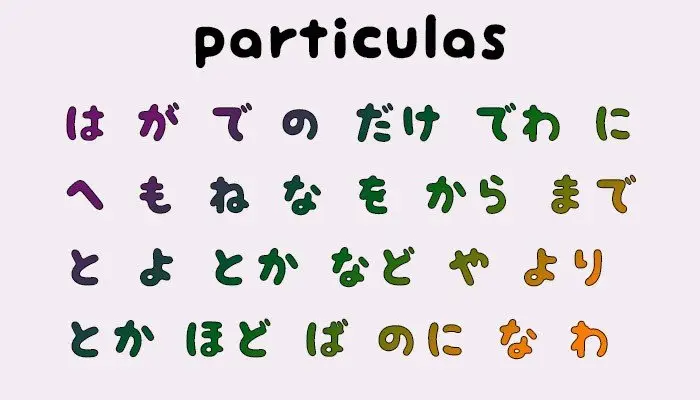

![Everything about the particle no [の] in Japanese](https://i0.wp.com/skdesu.com/wp-content/uploads/2019/04/particula-no.webp?ssl=1)


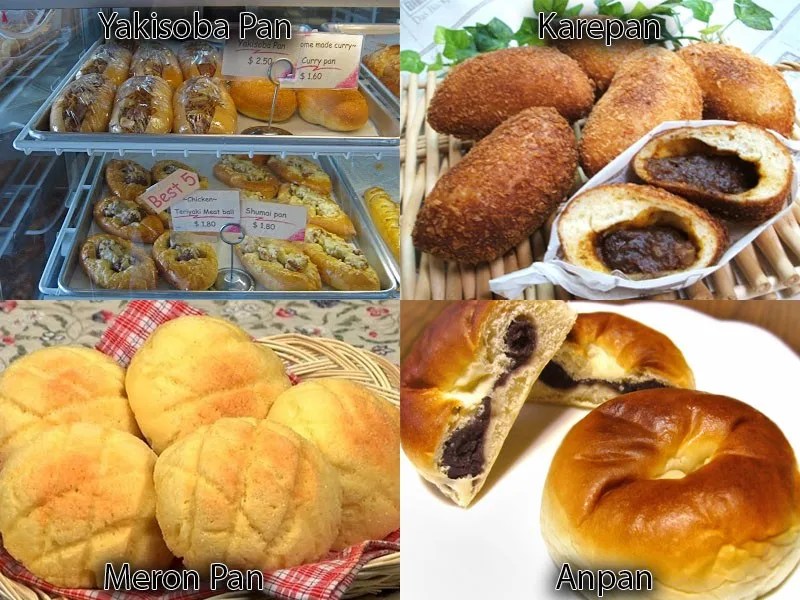

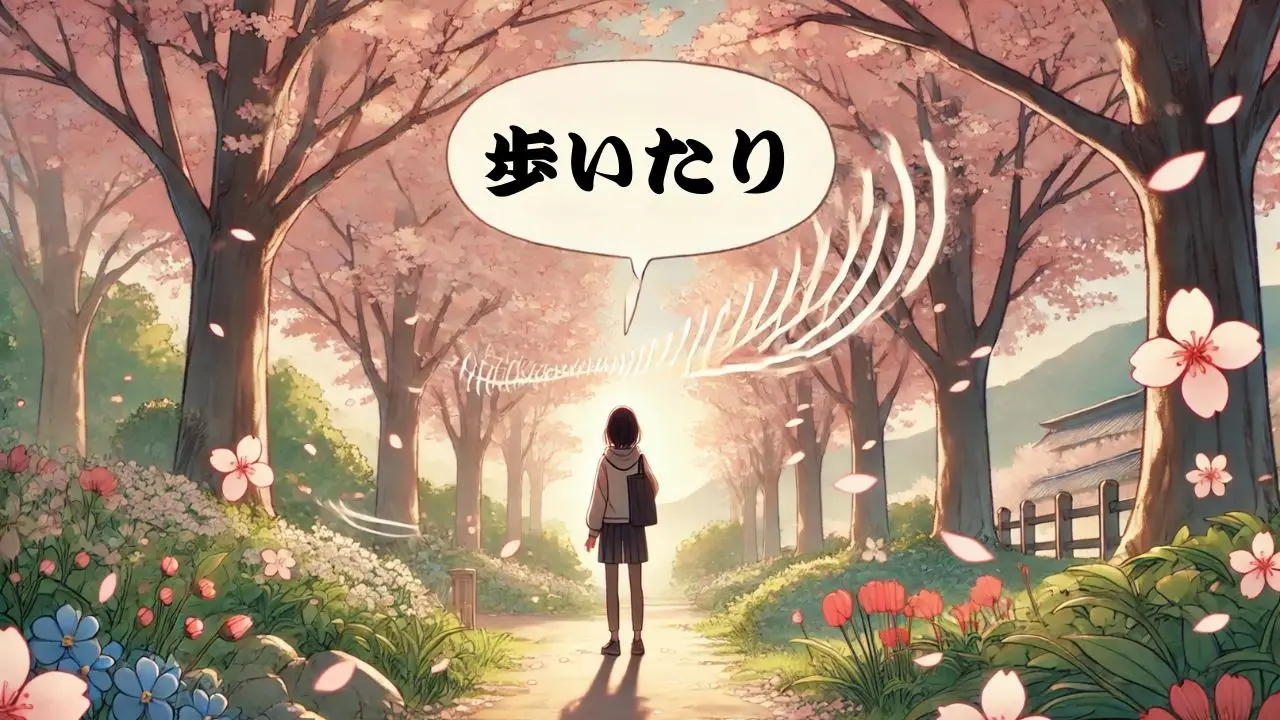


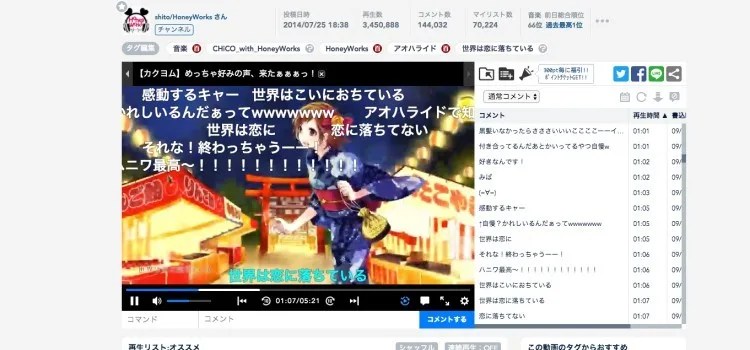













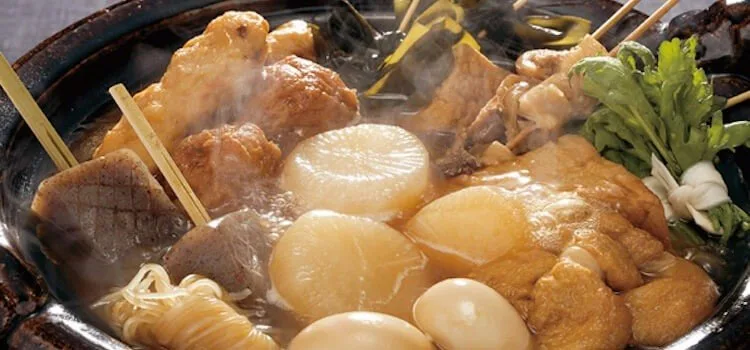
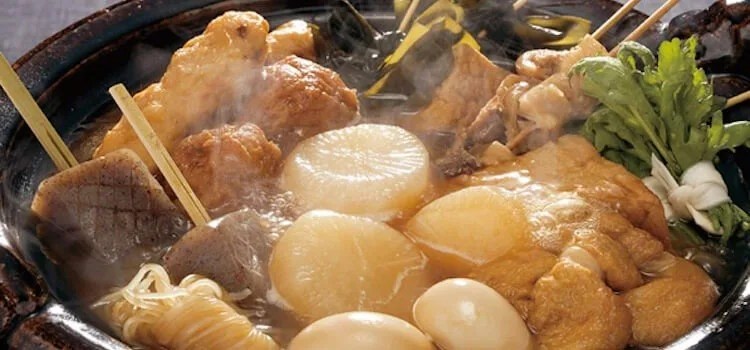
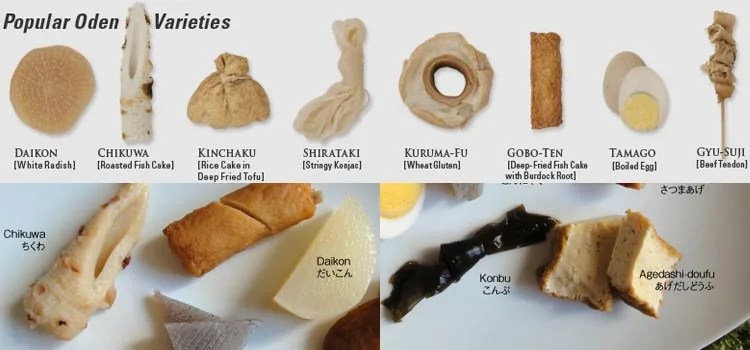

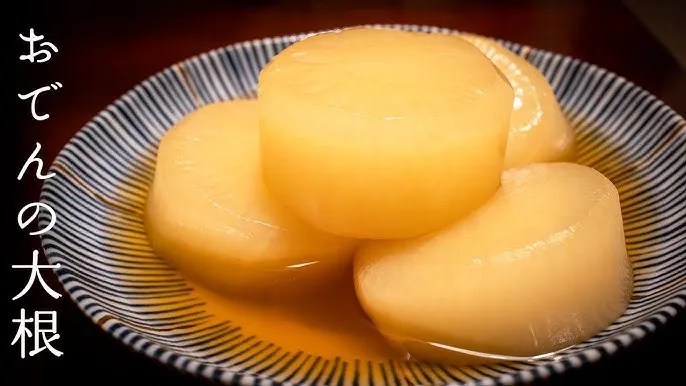
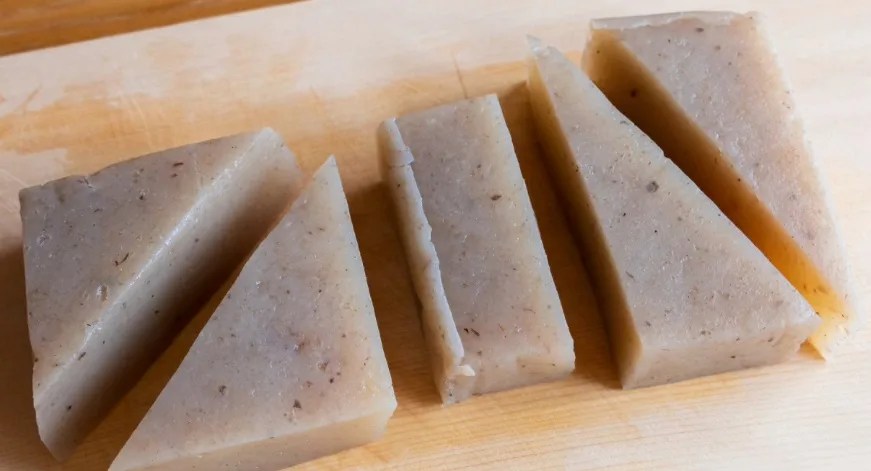


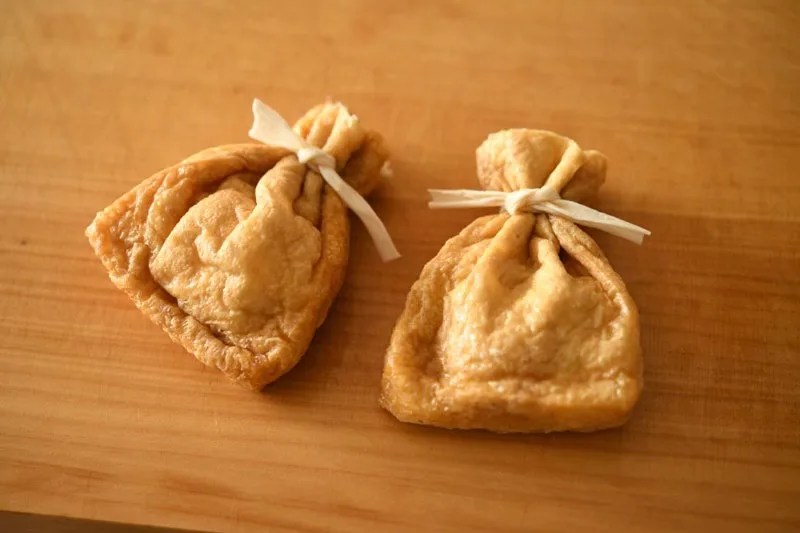
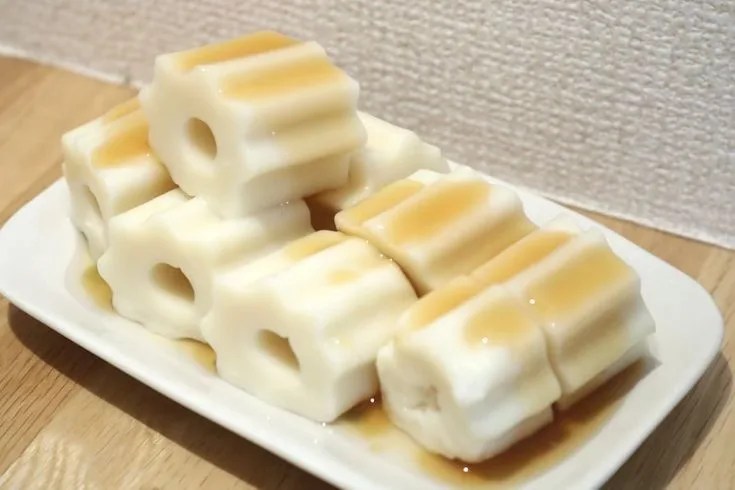
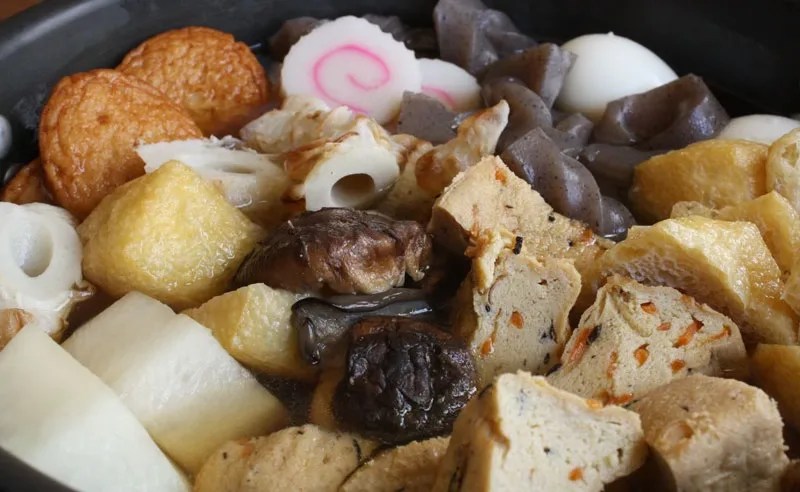

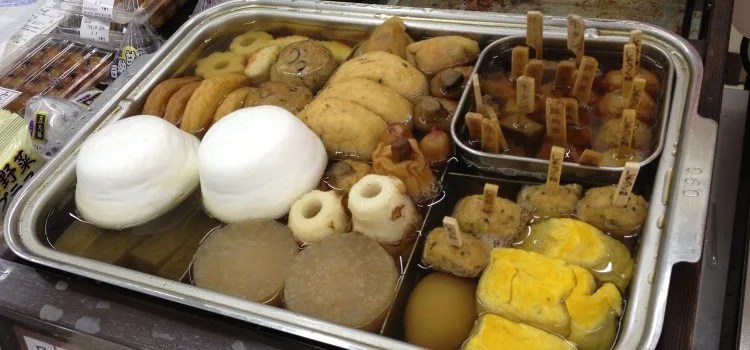
![Dekiru [出来る] – How to Say “You Are Capable” in Japanese](https://skdesu.com/wp-content/uploads/2015/10/undokai.webp)