
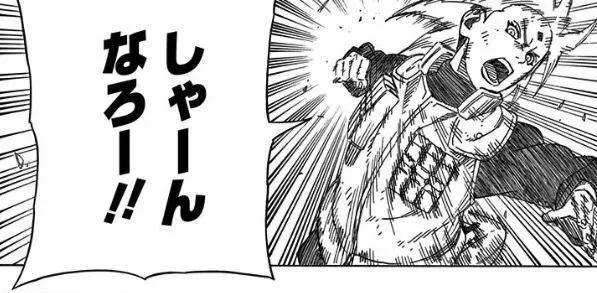
Shānnarō (しゃーんなろー) is one of the most emblematic expressions of Sakura Haruno, the central character of the anime Naruto. Frequently used during moments of great emotion, this phrase has become a trademark of the character. The use of "Shānnarō" reveals much about Sakura's personality, especially the more impulsive and challenging version of herself. This phrase is widely associated with "Inner Sakura," a manifestation of the character's deepest emotions and desires, which are usually bolder and more direct than her calm and reserved facade.
The origin of this expression dates back to the early seasons of the anime, when Sakura, often irritated by Naruto's stubbornness, used "Shānnarō" to express her frustration or exasperation. Over time, the phrase was adapted and began to be used in a variety of contexts, whenever Sakura wanted to reinforce her point of view with a more energetic tone. Although the word itself does not have a direct meaning in the Japanese language, it can be translated in various ways, depending on the context: as "damn it," "hell yeah," or even "no way".
We recommend reading: Dattebayo - The true meaning of Naruto's speech
The Meaning of "Shānnarō"
The word "Shānnarō" does not have a clear literal meaning in common Japanese. However, its expressive use allows for various interpretations, usually associated with a tone of frustration, challenge, or resolute affirmation. In the anime, the phrase is used by Sakura (and later by her daughter Sarada) as a way to communicate strong emotion, whether anger, excitement, or even an effort to assert herself in front of others. The expression is popularly understood in translations as "Damn it!" or "Hell yeah!" and is used when the character needs to deal with frustrating situations or when she is particularly excited.
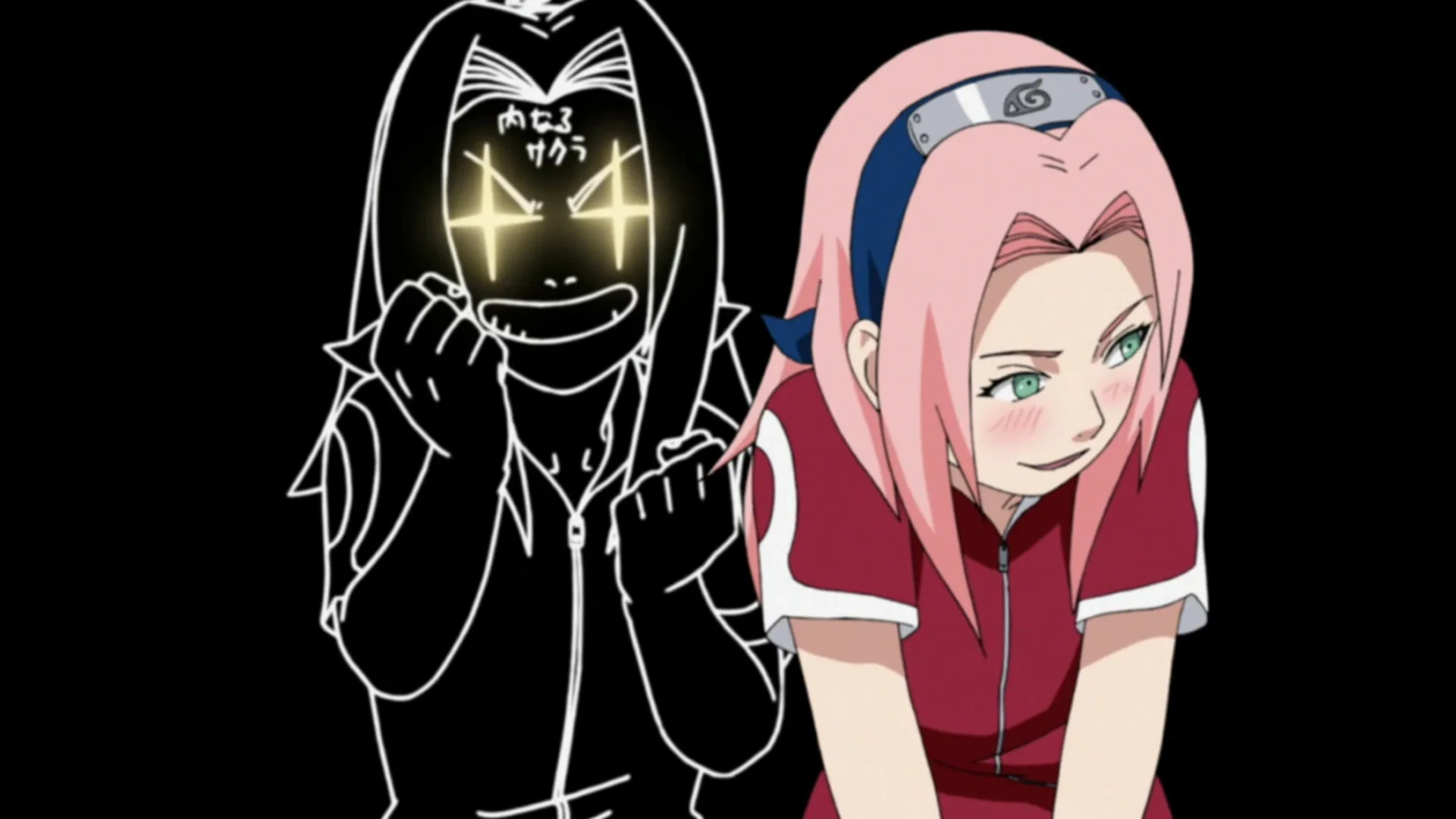
In many moments, the phrase is used by Sakura's inner version, Inner Sakura, which reflects the bolder side of the character. This contrasting side, which does not always align with the calm and controlled personality she shows to others, is one of the characteristics that makes Sakura such a complex and captivating character. When Inner Sakura exclaimed "Shānnarō," she gave voice to that emotional impulse that Sakura hid from her public image.
The expression "Shānnarō" used by Sakura in Naruto may have been inspired by a combination of various Japanese words and linguistic constructions that convey frustration, exasperation, or determination. The base of "Shānnarō" likely comes from the verb "shinanai" (死なない), which means "not to die" or "not to give up." This verb, in the context of the speech, carries a connotation of resistance, symbolizing the refusal to yield or succumb.
Additionally, the ending "-naro" (なろう) is a colloquial and emphatic form of expression in Japanese, used to demonstrate intention or decision. The choice of this construction may have been an attempt to create a phrase that, while not having a fixed literal meaning, conveyed strength and determination, characteristics that are deeply linked to Sakura's personality. Thus, "Shānnarō" becomes a unique expression, but also reflects the richness of the Japanese language, where small phonetic and grammatical variations can generate powerful feelings of emotion.
The Impact of the Expression on Sakura's Development
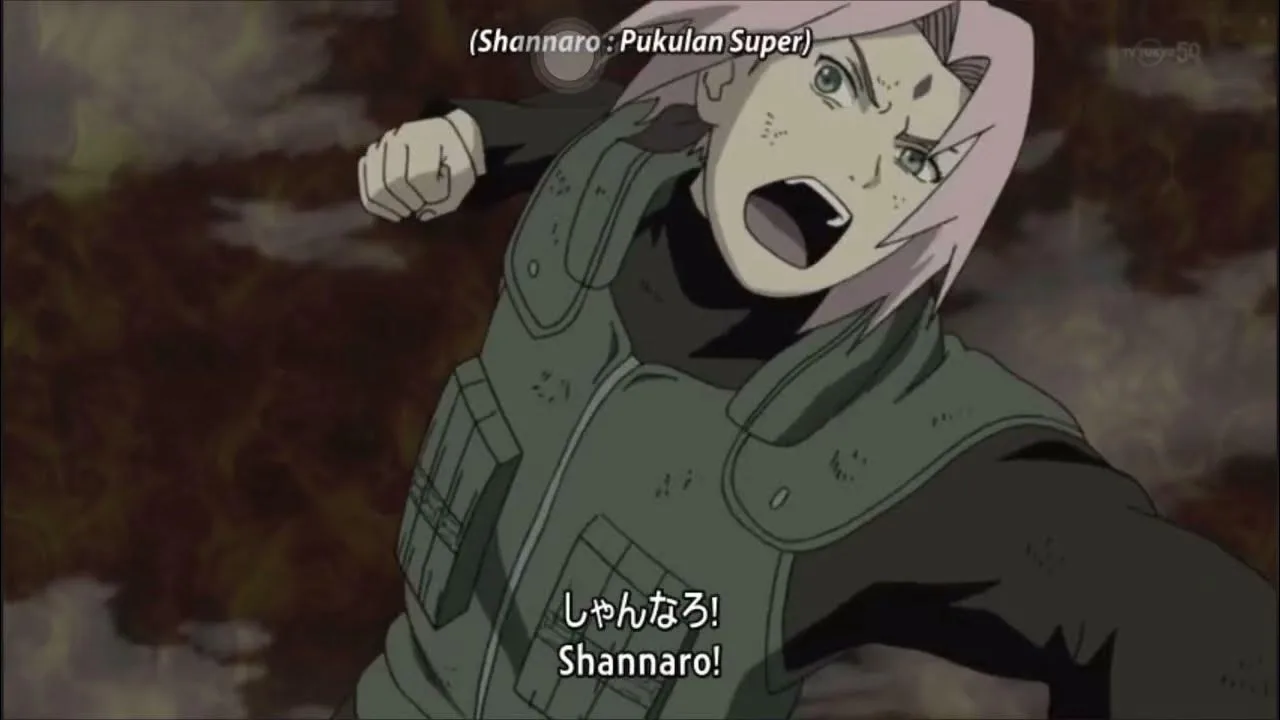
The use of "Shānnarō" is also closely linked to Sakura's emotional and psychological development throughout the series. Initially, the character was portrayed as insecure and often dependent on Naruto and Sasuke. However, as she matures and becomes a stronger ninja, "Shānnarō" becomes a symbol of her growing confidence. This transformation is particularly evident in battles where she fights with more determination and uses the phrase as an affirmation of her own strength and character.
Furthermore, "Shānnarō" also reflects Sakura's internal struggle between her delicate nature and the need to assert herself in front of others, especially in a society of ninjas where strength is valued above all. The phrase, therefore, carries not only the weight of momentary emotions but also a significant symbolic burden regarding Sakura's internal struggle to establish herself as an independent and powerful figure.





Community
Comments
0 comments
There are no published comments in this language yet.
Send comment