

Japanese cuisine is built on a small group of ingredients that create balance, depth and a clean sense of umami. Some are everyday staples such as rice, shoyu and miso, while others, like kombu, yuzu and umeboshi, add the details that make many dishes taste unmistakably Japanese.
If you want to understand how Japanese food works, it helps to look beyond restaurant favorites and focus on the ingredients used at home. Once these basics are in your pantry, dishes such as miso soup, donburi, simmered vegetables, grilled fish and noodle broths start to make much more sense.
Contents 10
Rice: the foundation of the table
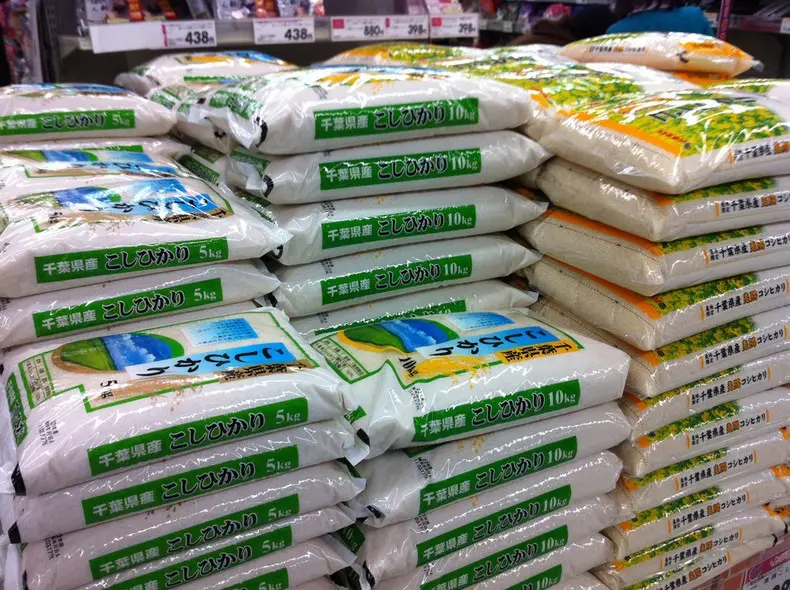
Rice is still the center of everyday Japanese meals. The standard variety is uruchimai, a short-grain rice with enough stickiness to hold together in bowls, sushi and onigiri without becoming mushy. For sweets and celebratory dishes, mochigome is preferred because it becomes much softer and more elastic when cooked.
Good rice is treated as more than a side dish. It is the base of breakfast, the heart of many lunch bowls and the quiet element that supports stronger flavors such as grilled fish, pickles and miso soup. Regional varieties like Koshihikari are especially valued for aroma, gloss and sweetness.
Core seasonings that shape Japanese flavor
The fastest way to recognize Japanese cooking is to notice how it layers salty, sweet, acidic and fermented notes without making any single ingredient too aggressive. A small group of seasonings does most of that work.
Shoyu: soy sauce
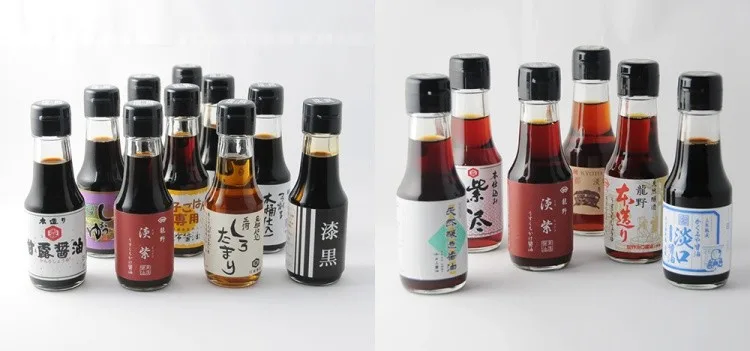
Shoyu is the everyday seasoning that ties many savory dishes together. The most common style is koikuchi, the dark soy sauce used in home cooking across much of Japan. Usukuchi is lighter in color but usually saltier, so it is often chosen when cooks want seasoning without darkening the dish too much.
Shoyu appears in simmered dishes, dipping sauces, noodle broths, marinades and glazes. It is also one of the easiest ways to bring umami into simple preparations such as tamago kake gohan, grilled vegetables or a bowl of rice with butter.
Miso, sake, mirin and rice vinegar
Miso is a fermented soybean paste that can taste mild, nutty, deep or quite bold depending on the blend. White miso tends to be sweeter and softer, while red miso usually brings more strength and salinity. It is used far beyond soup, including dressings, marinades and glazes.
Sake adds aroma and helps soften the smell of fish or meat in cooked dishes. Mirin brings sweetness, shine and a rounded finish to sauces. Rice vinegar, milder than many Western vinegars, is essential for sushi rice, quick pickles and light dressings. Together, these ingredients explain why Japanese sauces often taste balanced instead of sharp.
Dashi and the building blocks of umami
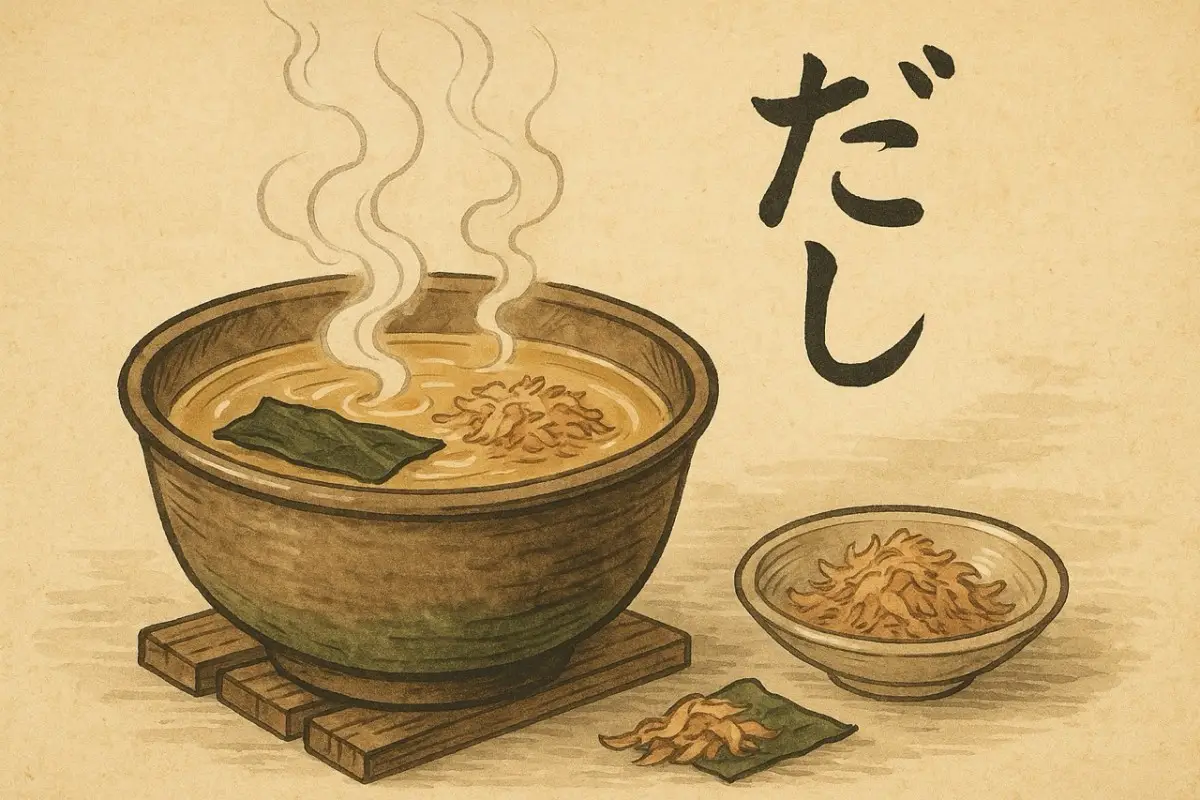
If one ingredient group defines the flavor of Japanese cuisine, it is the set used to make dashi. This stock is lighter than many Western broths, but it carries a concentrated savory depth that supports soups, noodle dishes, stews and sauces.
The most common base ingredients are kombu, a kelp rich in glutamates, and katsuobushi, thin flakes of smoked and dried bonito. Dried shiitake is another classic option, especially when a more earthy profile is wanted. Many households rely on packets or granules for speed, but the flavor logic remains the same: extract umami gently and keep the broth clear.
Kombu is valuable on its own too. It can be used in pickles, simmered dishes and rice preparations, while the softened seaweed left after making dashi is often reused instead of discarded.
Vegetables, fruits and aromatics that change the finish
Japanese cooking is not built only on sauces. Fresh vegetables and aromatic ingredients often determine whether a dish feels hearty, bright, peppery or refreshing.
Daikon, negi and shiso
Daikon is a large white radish used raw, grated, pickled or simmered. It can taste crisp and refreshing when fresh, but it becomes mellow and juicy in dishes such as oden. Negi, the Japanese long onion, gives soups, nabe and grilled foods a gentle onion flavor without overwhelming the other ingredients.
Shiso stands out because of its unmistakable herbal aroma. It can be minty, peppery and slightly spicy at the same time, which is why it works so well with sashimi, tempura, umeboshi and simple rice dishes.
Yuzu, wasabi and umeboshi
Yuzu is prized for its fragrance more than for its juice volume. The zest appears in sauces, sweets, hot drinks and ponzu, bringing a floral citrus note that is hard to replace. Wasabi adds heat, but its flavor is fresher and shorter than the burn of chili peppers. Real wasabi is also rarer and more delicate than the green paste many people know outside Japan.
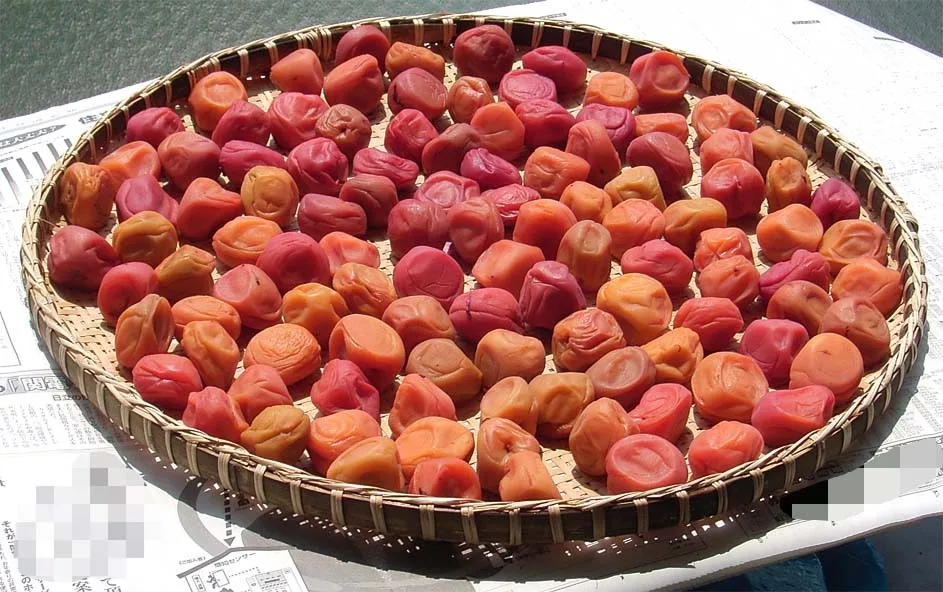
Umeboshi gives rice dishes and lunch boxes a sharp salty-acidic contrast. Even a small amount can wake up a plain bowl of rice or cut through richer foods. Although often called a plum, ume is closer in character to an apricot.
Soy products and pantry staples worth knowing
Soybeans appear in Japanese cuisine in far more forms than just shoyu and miso. Tofu, aburaage and yuba all show how the same ingredient can move from soups to stews to sweets. Aburaage, the fried tofu pouch, is especially common in noodle dishes and inari sushi.
Other staples fill specific roles. Panko gives fried foods a lighter and crispier crust than standard breadcrumbs. Kinako, roasted soybean flour, is a classic topping for wagashi and mochi. Anko, the sweet azuki bean paste used in dorayaki and taiyaki, is one of the foundations of Japanese confectionery. Kurogoma, or black sesame, adds depth to desserts, sauces and rice toppings.
Starter pantry for everyday Japanese cooking
For someone building a small but useful Japanese pantry, these are the ingredients worth buying first:
- Short-grain Japanese rice;
- Shoyu;
- Miso;
- Mirin;
- Sake for cooking;
- Rice vinegar;
- Kombu or dashi packets;
- One or two supporting ingredients such as panko, yuzu products, umeboshi or furikake.
With that base, it becomes much easier to cook food that tastes recognizably Japanese without relying on heavy sauces or complicated techniques. The ingredients do most of the work, which is exactly why understanding them matters so much.






Community
Comments
0 comments
There are no published comments in this language yet.
Send comment