
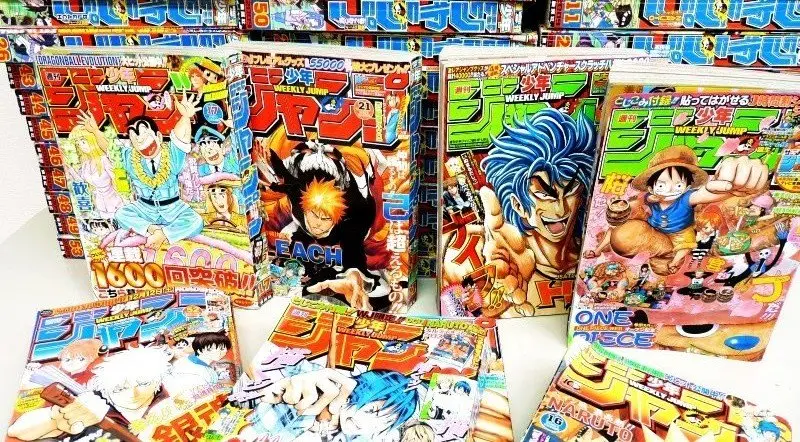
Japanese manga usually reaches readers in two steps: first through a serialized magazine, then through collected tankōbon volumes. That magazine layer still matters because it is where editors test new series, readers discover new authors, and publishers build strong identities around demographics such as shōnen, shōjo, seinen, and josei. If you understand the publishers behind those magazines, it becomes much easier to see why one title feels like a Weekly Shōnen Jump hit while another belongs to a slower, more adult magazine such as Morning, Afternoon, or Big Comic.
The modern conversation usually starts with three giants: Shueisha, Kodansha, and Shogakukan. Together they cover blockbuster battle series, romance classics, children's manga, literary drama, and long-running franchise magazines. Around them, publishers such as Hakusensha, Akita Shoten, Kadokawa, and Square Enix keep the market diverse. If you also want to understand the independent side of Japanese comics, our guide to dōjinshi helps explain how fan-made works fit into the wider ecosystem.
| Publisher | Flagship magazines | Best known for |
|---|---|---|
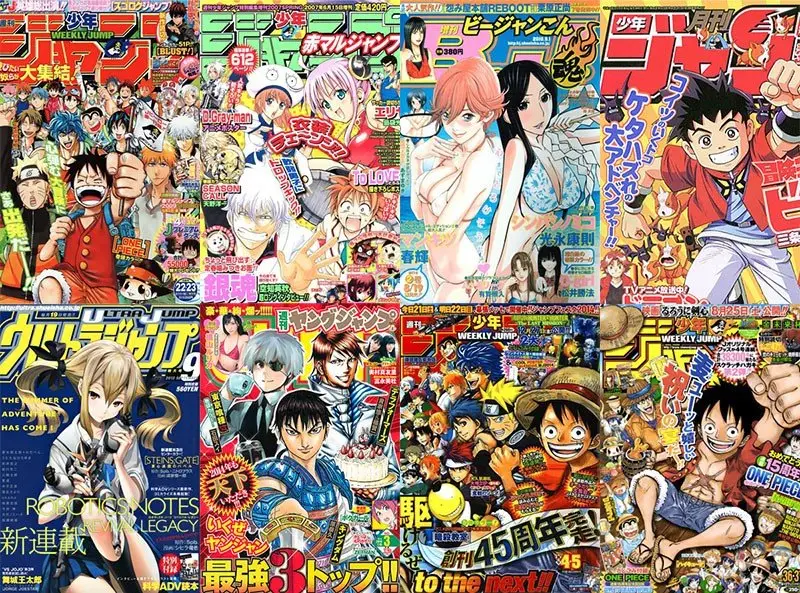
| Shueisha | Weekly Shōnen Jump, Young Jump, Jump SQ., Ribon | Global blockbuster franchises and strong youth brands |
| Kodansha | Weekly Shōnen Magazine, Morning, Afternoon, Nakayoshi, Kiss | Range across action, literary seinen, romance, and long-running magazine lines |
| Shogakukan | Weekly Shōnen Sunday, Big Comic, CoroCoro Comic, Ciao, Betsucomi | A broad mix of children's manga, mainstream shōnen, and mature magazine culture |
Contents 5
Shueisha and the power of the Jump brand
Shueisha is one of the first names international readers learn because of the reach of the Jump label. Its best-known magazine, Weekly Shōnen Jump, helped turn series such as Dragon Ball, One Piece, Naruto, Bleach, and Jujutsu Kaisen into global reference points. For many readers outside Japan, Shueisha is practically synonymous with high-energy mainstream manga.
That said, the company is much broader than battle manga. Young Jump covers older readers and has carried darker or more mature titles, while Jump SQ. handles monthly shōnen series with a different pace from the weekly flagship. On the shōjo side, magazines such as Ribon and Bessatsu Margaret show that Shueisha is not only about action; it also has deep roots in romance, school drama, and coming-of-age storytelling.
What makes Shueisha especially influential is its ability to turn a successful serialization into a full media chain. A hit can move from magazine chapters to collected volumes, anime, games, merchandise, and worldwide digital distribution. That is why learning the publisher behind a manga often tells you a lot about the scale of the project around it.

Kodansha's range from mainstream hits to mature storytelling
Kodansha has one of the broadest magazine portfolios in the industry. Readers who know Weekly Shōnen Magazine may associate the company with competitive shōnen titles, but Kodansha also has a strong identity in romance, slice-of-life, and adult-oriented magazines. That range is one reason so many famous manga with very different tones come from the same publisher.
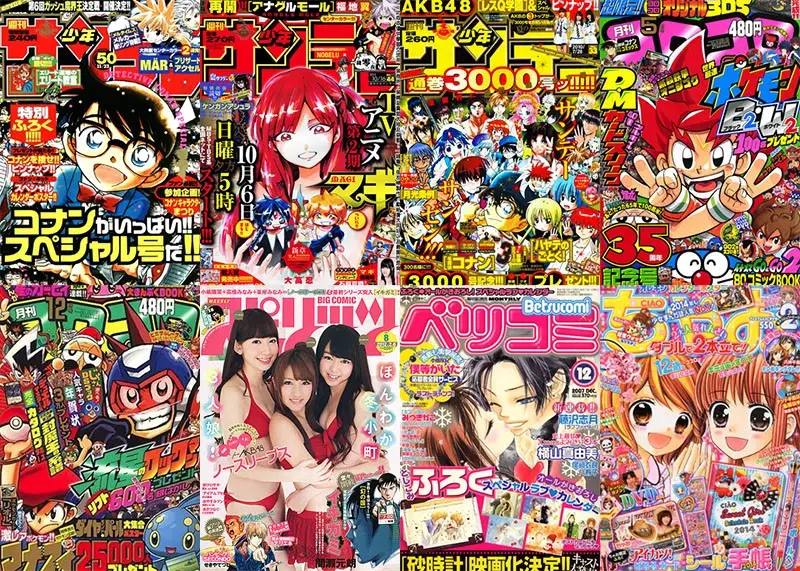
For younger and mainstream audiences, Kodansha has magazines such as Weekly Shōnen Magazine and Nakayoshi. The first helped popularize series like Fairy Tail and The Seven Deadly Sins, while Nakayoshi became a landmark for magical-girl and girls' manga thanks to titles such as Sailor Moon and Cardcaptor Sakura. For adult readers, Morning, Afternoon, and Weekly Young Magazine offer a very different rhythm, often leaning into business drama, science fiction, historical work, or more grounded psychological stories.
If you want a quick way to read Kodansha's catalog, think of it as a publisher that rarely stays in one lane. It can release a polished romance, a sports hit, a prestige seinen series, and a mass-market action manga without losing its editorial identity.

Shogakukan from children's magazines to cornerstone manga brands
Shogakukan began with educational magazines, but today it is also one of the pillars of Japanese manga publishing. That background helps explain part of its personality: the company has always been strong at building magazine lines for specific age groups, from younger readers to adults who follow long-running weekly or monthly series.
Its best-known shōnen title is Weekly Shōnen Sunday, home to classics such as Detective Conan and Inuyasha. For children, CoroCoro Comic became a gateway magazine tied to toy, game, and franchise culture, while Ciao and Betsucomi serve different corners of the girls' manga market. Adult readers often know Shogakukan through the Big Comic family, which has long offered space for more mature storytelling, workplace drama, and realistic themes.
Shogakukan also matters historically because Shueisha originally emerged from its entertainment division. Even though they are separate companies today, that connection helps explain why both publishers occupy such a central place in discussions about the structure of the manga business.
Other manga publishers worth knowing
The market does not end with the big three. Hakusensha is essential for readers who love shōjo and romance magazines such as LaLa and Hana to Yume, while Akita Shoten remains important through Weekly Shōnen Champion. Kadokawa is deeply tied to the media-mix side of Japanese pop culture, often connecting manga with novels, anime, and game-related projects. Square Enix also plays a visible role with magazines that frequently overlap with fantasy, gaming, and multimedia audiences.
For readers, this matters because a magazine is not just a container for random chapters. It usually signals tone, target audience, pacing, and even the type of franchise expansion a series is likely to receive. Once you start paying attention to publishers, many editorial patterns become easier to spot.

Why manga magazines still matter
Even in the digital era, magazines remain one of the clearest windows into how Japanese manga works. They organize serialization, create editorial feedback loops, test new authors, and group stories by age range and taste. A reader who enjoys stylish adult drama may naturally drift toward seinen magazines, while someone looking for fast-paced adventure will often start with a shōnen weekly.
That is why learning the difference between publishers and magazines is so useful. Publishers shape the long-term brand, while magazines define the immediate reading environment where a series grows. Once you know that relationship, names like Weekly Shōnen Jump, Nakayoshi, Big Comic, or Ciao stop sounding like simple labels and start revealing how the manga industry is organized.







Community
Comments
0 comments
There are no published comments in this language yet.
Send comment