
Finding the best universities in Japan is not as simple as copying one ranking table. Global rankings, Japan-specific rankings, and student-focused guides often reward different strengths, so the order changes depending on whether you care more about research output, teaching environment, international programs, employability, or campus life. That is why this guide does not treat one list as absolute truth. Instead, it focuses on 20 universities that appear again and again in serious comparisons and that cover different goals, from elite research to strong private-sector networks and better support for international students.
Recent rankings still place names such as the University of Tokyo, Kyoto University, Tohoku University, Osaka University, and the newly formed Institute of Science Tokyo near the top of the national conversation. At the same time, schools like Waseda, Keio, Sophia, Ritsumeikan, and Akita International University stand out for international access, English-taught options, or a learning environment that may suit some students better than a large national university.
If you are still deciding how to study in the country, it also helps to compare this shortlist with our broader guide to universities and colleges in Japan and with the practical admission overview in our article about the EJU exam for foreign students.
Contents 25
How to read this list
This is not a league table where one school is automatically the right answer for everyone. A future researcher in physics, a student looking for an English-medium business degree, and someone who wants a lower-cost city with a strong engineering faculty may all end up choosing different universities. Use the list below as a comparison map. For each university, pay attention to three points: academic strengths, location, and the type of student life or career path it tends to favor.
- Research-heavy public universities usually lead in laboratories, graduate programs, and academic prestige.
- Private universities often stand out in business, alumni networks, urban access, and international partnerships.
- Regional universities can offer a better quality of life, lower living costs, and specialized strengths that are easier to miss in a generic ranking.
20 best universities in Japan
1. University of Tokyo
The University of Tokyo remains the name most people think of first when they hear about elite higher education in Japan. It combines strong international visibility, deep research funding, and influence across law, economics, engineering, medicine, and the sciences. For students who want maximum prestige and access to one of the country's strongest academic ecosystems, Todai still sets the benchmark.

2. Kyoto University
Kyoto University is one of Japan's most respected research institutions and is especially admired for science, engineering, medicine, and the humanities. Its reputation is built not only on rankings, but also on a culture of independent thinking that many students and researchers value. Living in Kyoto also gives students access to a city with a very different rhythm from Tokyo, with strong cultural life and a large student population.
3. Tohoku University
Tohoku University appears especially strong in Japan-focused rankings because of its balance between research quality and student environment. Based in Sendai, it is known for engineering, materials science, medicine, and an open academic culture. For students who want a major national university outside the pressure and cost of Tokyo, Tohoku is one of the most convincing alternatives.
4. Osaka University
Osaka University combines strong research output with the practical advantages of living in the Kansai region. It is a serious option for students interested in medicine, engineering, natural sciences, social sciences, and international collaboration. Osaka itself is more direct, commercial, and fast-moving than Kyoto, which makes the student experience feel different even within the same region.

5. Institute of Science Tokyo
Institute of Science Tokyo deserves special attention because it reflects a major recent change in Japanese higher education. The institution was established on October 1, 2024, after the merger of Tokyo Institute of Technology and Tokyo Medical and Dental University. For students focused on engineering, advanced science, health, and interdisciplinary research, it is now one of the most important names to watch.
6. Nagoya University
Nagoya University has a strong academic reputation, especially in physics, chemistry, engineering, and medicine. The school benefits from its location in one of Japan's main industrial centers, which matters for students interested in applied research and ties to manufacturing, mobility, and technology. It is often a smart choice for students who want a major national university with less international hype than Tokyo or Kyoto, but very high academic value.
7. Kyushu University
Kyushu University is one of the strongest institutions in southwestern Japan and is especially relevant for engineering, science, agriculture, design, and environmental studies. Fukuoka also gives the university a major advantage: the city is livable, increasingly international, and often easier for students to enjoy than the largest metropolitan areas. For many international students, that balance matters as much as raw ranking position.
8. Hokkaido University
Hokkaido University stands out in agriculture, environmental studies, veterinary science, natural sciences, and Arctic or northern-region research. Sapporo gives it a different atmosphere from universities based in central Japan, and the campus is often praised for space, greenery, and quality of life. Students looking for a colder climate and a less crowded urban experience often put Hokkaido high on their shortlist.

9. University of Tsukuba
The University of Tsukuba is respected for science, sports science, education, information fields, and interdisciplinary research. Its location near Tokyo but outside the capital gives it a practical edge for some students: access to the Kanto area without paying central Tokyo living costs every day. Tsukuba is also associated with a more modern and experimental academic identity than many older institutions.
10. Keio University
Keio University is one of Japan's most prestigious private universities and has exceptional weight in business, economics, media, law, and corporate networking. If your goal is a strong alumni network, especially in Tokyo and in the private sector, Keio is often one of the first names to compare. It may not fit every student's budget or academic style, but its influence is undeniable.
11. Waseda University
Waseda is one of the best-known private universities in Japan for international students because it offers broad visibility, strong humanities and social science programs, and a campus culture that feels globally connected. It also performs well in business, political science, international relations, and communication-related fields. Students who want a private university with strong English-medium options often compare Waseda directly with Keio and Sophia.
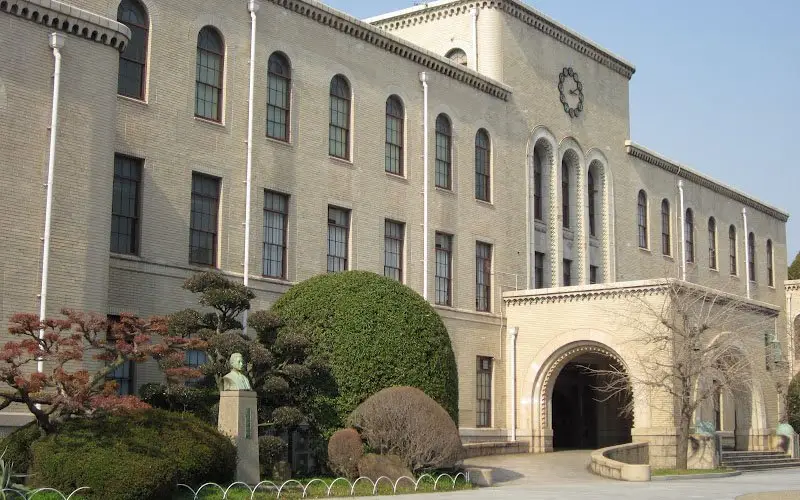
12. Kobe University
Kobe University is especially attractive for economics, business, law, medicine, and maritime or international trade-related perspectives. Kobe itself has a more compact and comfortable feel than Osaka or Tokyo, while still offering strong urban infrastructure. For students who want a respected university in Kansai without choosing the most obvious big names, Kobe is a solid candidate.
13. Hiroshima University
Hiroshima University offers strong work in education, engineering, medicine, and international cooperation. The city has global recognition because of its history, but it also functions today as an important regional center with a calmer daily rhythm than Japan's largest metros. That combination can be appealing for students who want a serious university and a more balanced lifestyle.
14. Sophia University
Sophia University is often one of the easiest Japanese universities for international students to understand quickly because its profile is clear: strong liberal arts, international studies, languages, and a campus culture shaped by global exchange. It is smaller than giants like Waseda, but that is exactly why some students prefer it. If you value close contact, urban access, and a more international classroom atmosphere, Sophia deserves attention.
15. Chiba University
Chiba University is well regarded in medicine, engineering, design, and applied sciences. Its location near Tokyo helps students who want access to the capital without studying in the center of it. It is not always the most advertised name abroad, but that often says more about marketing than about academic usefulness.
16. Ritsumeikan University
Ritsumeikan is a major private university with campuses in Kyoto, Shiga, and Osaka, and it is especially visible to international applicants because of its English-taught programs and active recruitment abroad. It is a practical option for students interested in international relations, policy, social sciences, and technology-related fields within a private-university setting. In terms of accessibility, it is often easier to navigate than many public institutions.
17. Akita International University
Akita International University is smaller and less famous to the general public, but it often earns praise for student engagement, study-abroad culture, and English-medium education. It is a strong example of why a university should not be judged only by global brand power. For the right student, especially one who values international exchange and a focused campus community, it can be more suitable than a massive research university.
18. Kanazawa University
Kanazawa University is respected in medicine, science, humanities, and regional studies, and the city of Kanazawa gives students a different cultural experience from Tokyo or Osaka. The area is known for preserving historical character while still offering a livable urban environment. That setting can matter a lot for students who want to study in Japan without feeling swallowed by a megacity.
19. Okayama University
Okayama University has a strong regional role and notable work in agriculture, medicine, science, and sustainability-related research. It is not always highlighted in international marketing material, but it remains a serious university with strengths that match practical student goals. For some applicants, especially those looking for lower daily costs and less competition for housing, universities like Okayama can make more sense than a famous name in Tokyo.
20. International Christian University
International Christian University, usually called ICU, is a small private liberal arts university in Tokyo with a distinctive profile. It is especially relevant for students who want interdisciplinary study, smaller classes, and a bilingual or international learning environment. While it does not resemble a giant national university, it appears regularly in discussions about educational quality and student experience in Japan.
What matters besides rankings?
Many applicants make the same mistake: they compare only prestige and forget the conditions that will shape daily life for three or four years. A university in Tokyo may offer more internships and name recognition, but rent and commute pressure will also be higher. A regional university may look less famous from abroad, yet give you a safer budget, more direct contact with professors, and a stronger fit for your field.
- Language: check whether your program is fully in English, partly in English, or mostly in Japanese.
- Field strength: do not assume the top overall university is the top option for your subject.
- City costs: Tokyo and Kyoto can feel very different from Fukuoka, Sendai, or Okayama.
- Career plans: if you want to work in Japan after graduation, internship access and alumni networks matter a lot.
How international students can compare options
A practical next step is to use the official Study in Japan school search to confirm which universities actually offer the type of program, language support, and degree level you need. That helps separate universities that look attractive in rankings from universities where you can realistically apply and thrive.
You should also compare scholarship options, entrance requirements, program language, and whether the university expects EJU, JLPT, SAT, IB, or its own internal exam process. Two universities can look very close in reputation but be completely different in admissions difficulty and in the kind of student they are trying to attract.
Final thoughts
The best university in Japan depends on what you want from your degree. If you want top research prestige, names like the University of Tokyo, Kyoto University, Tohoku University, and Osaka University will stay at the center of the conversation. If you want a strong private network, Waseda and Keio remain hard to ignore. If you care about English-medium support, international atmosphere, or a more livable city, universities such as Sophia, Ritsumeikan, Akita International University, or Kyushu University may fit better than the most obvious brand names.
The smartest approach is to treat rankings as a starting point, not a final answer. Once you know which campuses repeatedly appear in serious comparisons, the real question becomes simpler: which university matches your field, your budget, your language level, and the kind of life you want to build in Japan?


Community
Comments
0 comments
There are no published comments in this language yet.
Send comment