
Japan has no shortage of famous landmarks, but a few places appear again and again in official tourism guides, traveler rankings and first-time itineraries. If you want a practical starting point, these are some of the most visited places in Japan and the reasons they continue to draw huge crowds every year.
Instead of treating this as a rigid statistical ranking, it is more useful to see it as a list of destinations and attractions that consistently define a classic trip across the country. You will find temples, historic districts, city icons, mountain scenery and places that reveal very different sides of Japan.
Contents 11
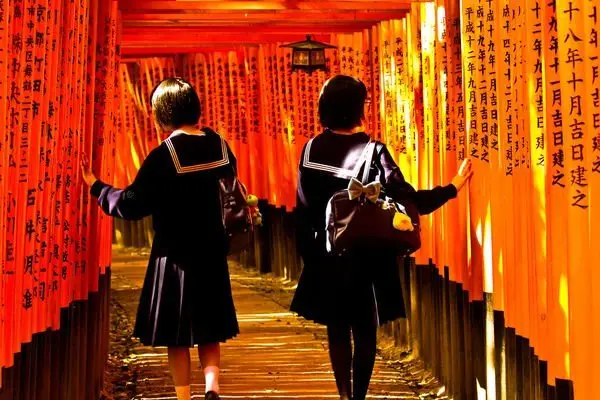
1. Fushimi Inari Taisha Shrine, Kyoto
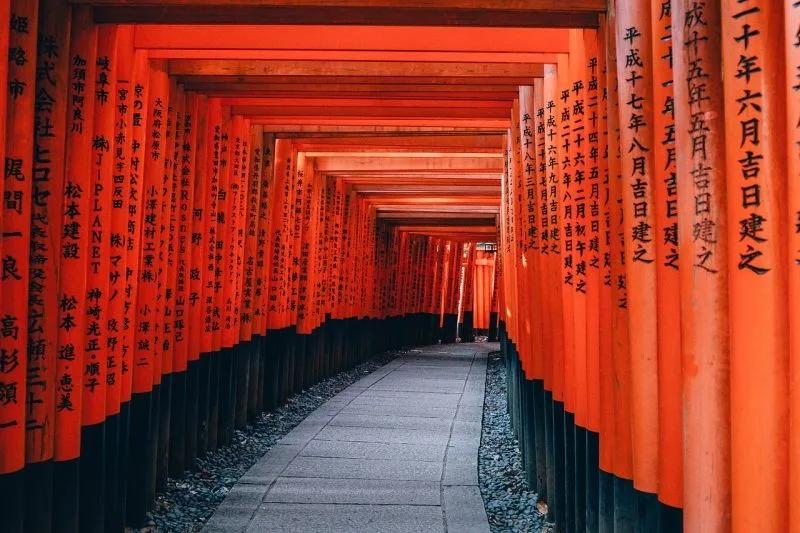
Fushimi Inari Taisha is one of Kyoto's most famous sights thanks to the thousands of vermilion torii gates that form winding paths up the mountain. Even travelers who know little about Japan usually recognize this shrine from photos, and the walk through the tunnels of gates feels just as striking in person.
Arriving early makes a big difference here. The lower paths are crowded by mid-morning, while the upper sections become quieter and more atmospheric. It is one of the best places to experience the visual power of Shinto architecture without needing a long detour from central Kyoto.
2. Kinkaku-ji, Kyoto
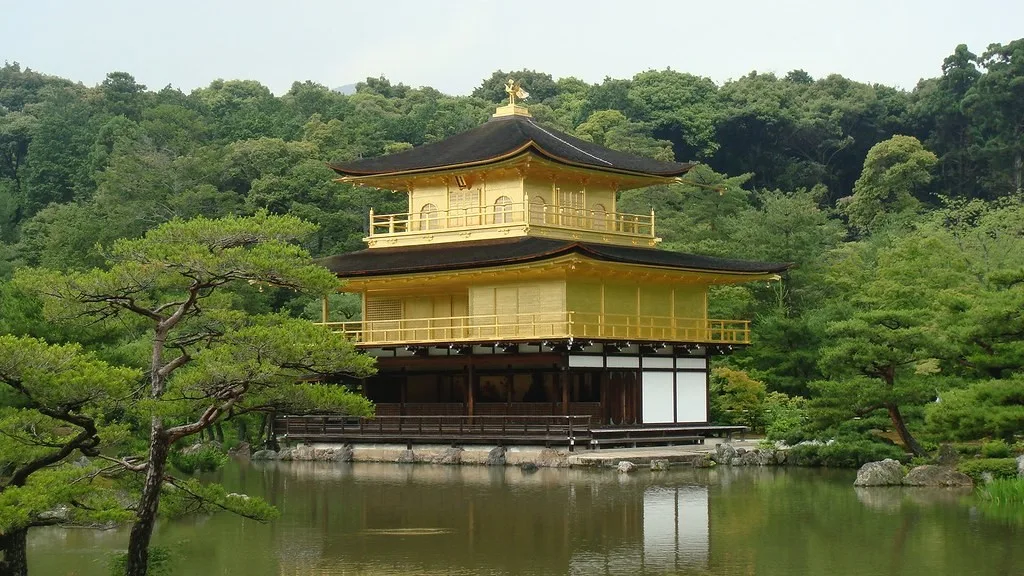
Kinkaku-ji, the Golden Pavilion, remains one of the most photographed temples in Japan. Its gold-leaf exterior reflected in the pond creates the kind of image that many travelers associate with Kyoto before they even arrive in the city.
The temple complex is not huge, but that is part of its appeal: it delivers a memorable scene quickly and clearly. For travelers with limited time, Kinkaku-ji is an easy choice because it offers history, architecture and garden design in one stop.
3. Himeji Castle, Himeji
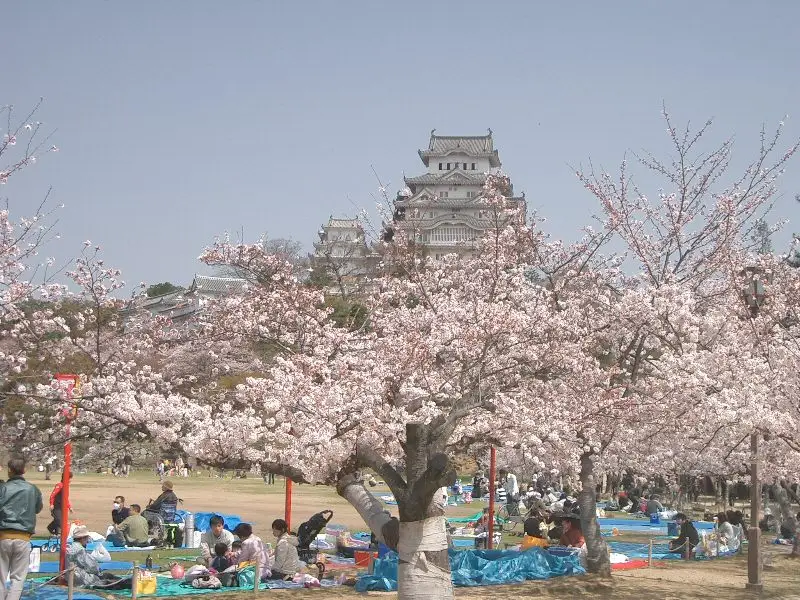
Himeji Castle is often considered the finest surviving castle in Japan. Its white exterior and layered rooflines earned it the nickname White Heron Castle, and its scale feels far more impressive in person than in photos.
Unlike many reconstructed castles, Himeji is valued for its preservation and for the way it helps visitors understand defensive design from the feudal period. If you want one castle on your trip, this is the one many travelers prioritize.
4. Senso-ji Temple, Tokyo
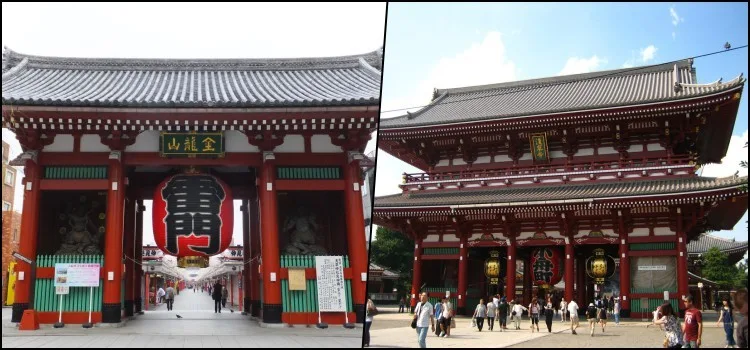
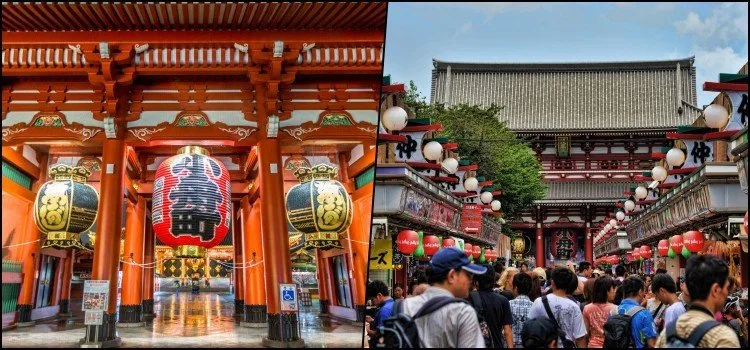
Senso-ji is Tokyo's oldest temple and one of the easiest places to feel the city's historic side. The approach through Nakamise Street adds to the appeal, since the walk is lined with snacks, souvenirs and the kind of busy atmosphere many travelers want from Asakusa.
It works well for first-time visitors because it combines tradition and urban energy in the same stop. You can visit the temple, browse old-style shopping streets and then continue toward the Sumida River or Tokyo Skytree without changing the rhythm of the day.
5. Shibuya, Tokyo
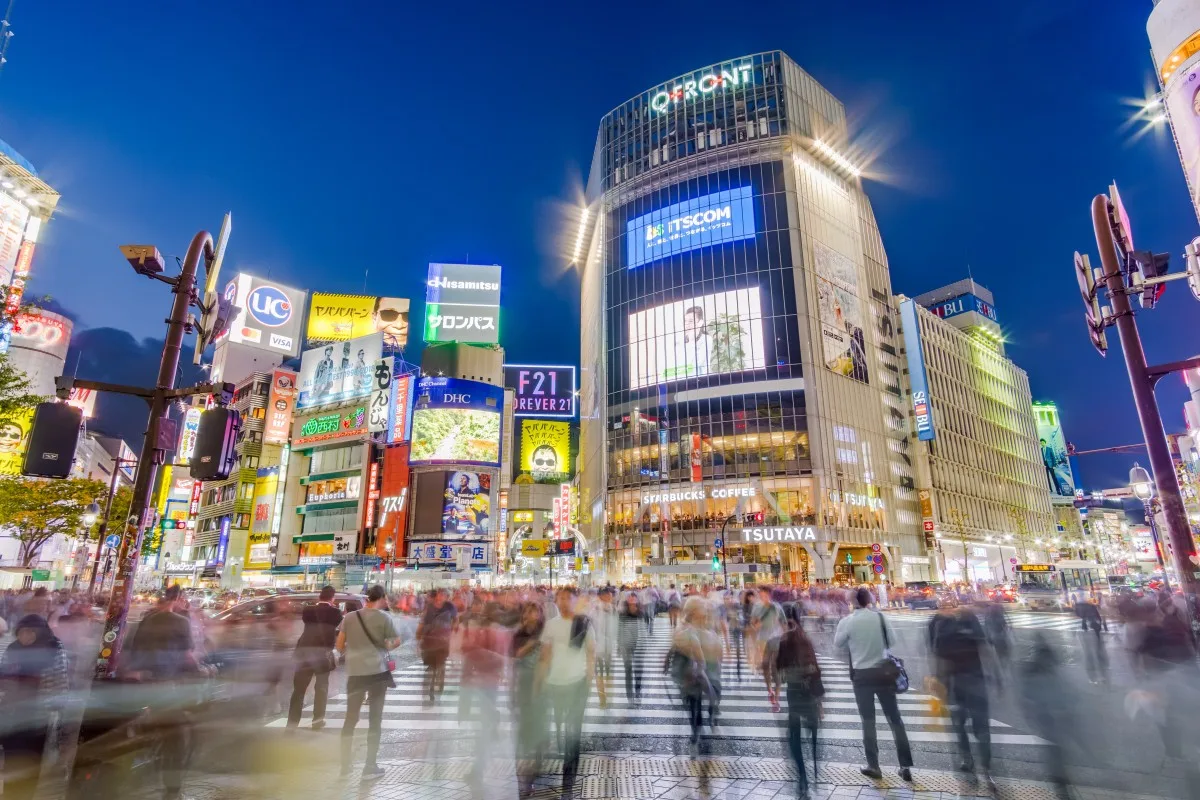
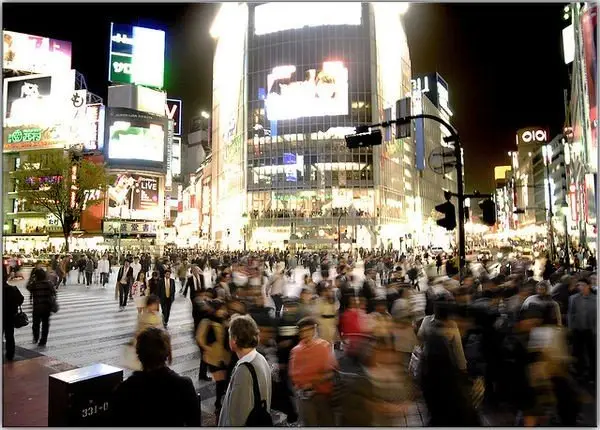
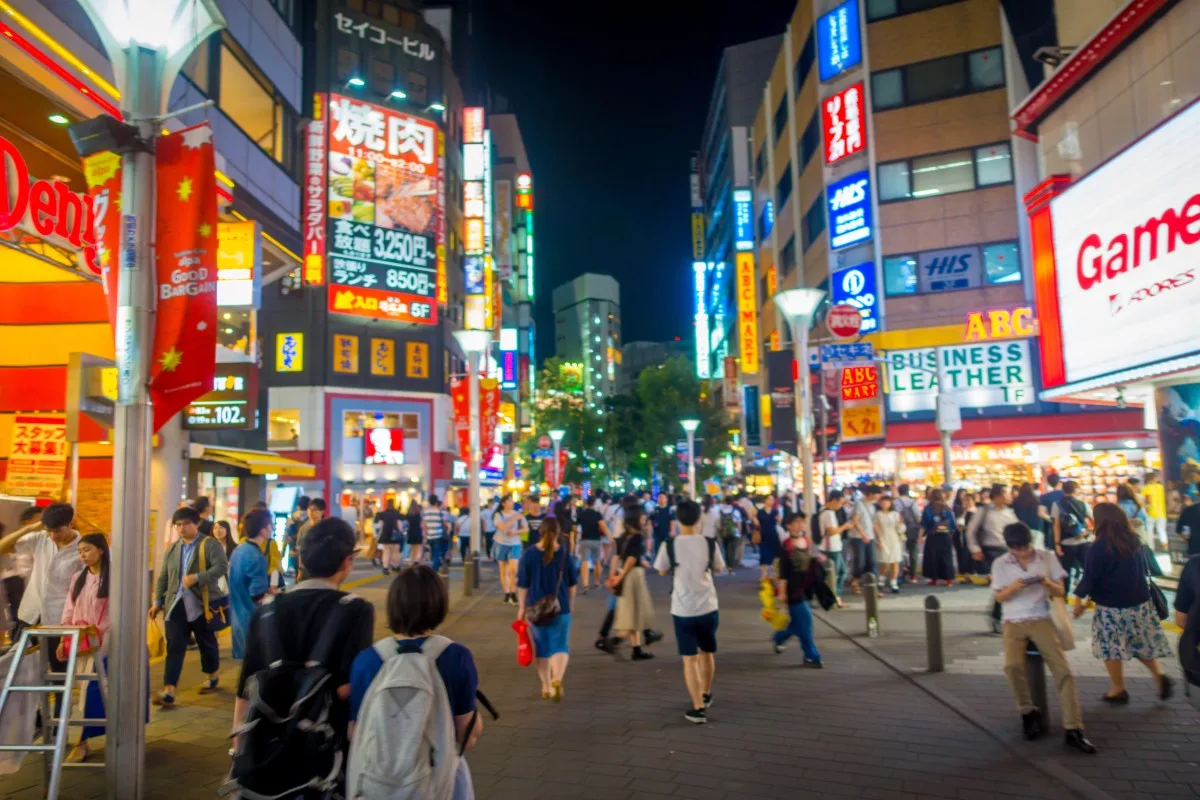
Shibuya represents the modern image of Tokyo better than almost anywhere else. The famous crossing, giant video screens, fashion stores, late-night restaurants and constant pedestrian flow turn the district itself into an attraction.
Travelers do not come to Shibuya for a single monument. They come for the sensation of being inside one of the world's most recognizable cityscapes. If your idea of Japan includes neon, crowds and fast-moving urban culture, Shibuya belongs on the list.
6. Hiroshima Peace Memorial Park, Hiroshima
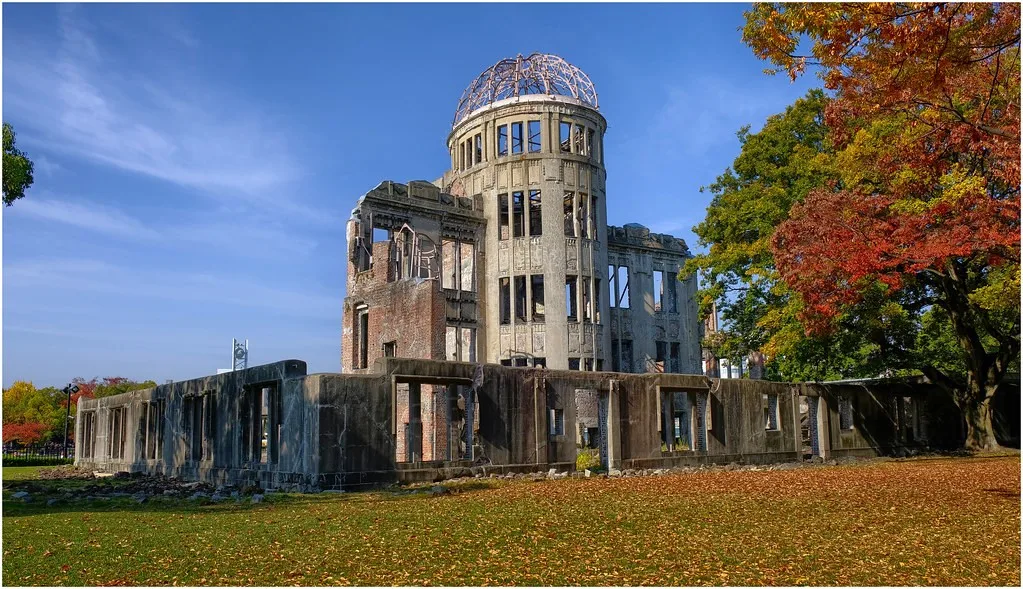
Hiroshima Peace Memorial Park leaves a very different impression from the other places on this list. It is visited not only for its central location, but because it gives historical context to one of the most important events of the twentieth century.
The park, the Atomic Bomb Dome and the Peace Memorial Museum turn the visit into a reflective stop rather than a purely scenic one. Many travelers pair Hiroshima with Miyajima, which makes the area one of the most meaningful side trips on a classic route through western Japan.
7. Mount Fuji
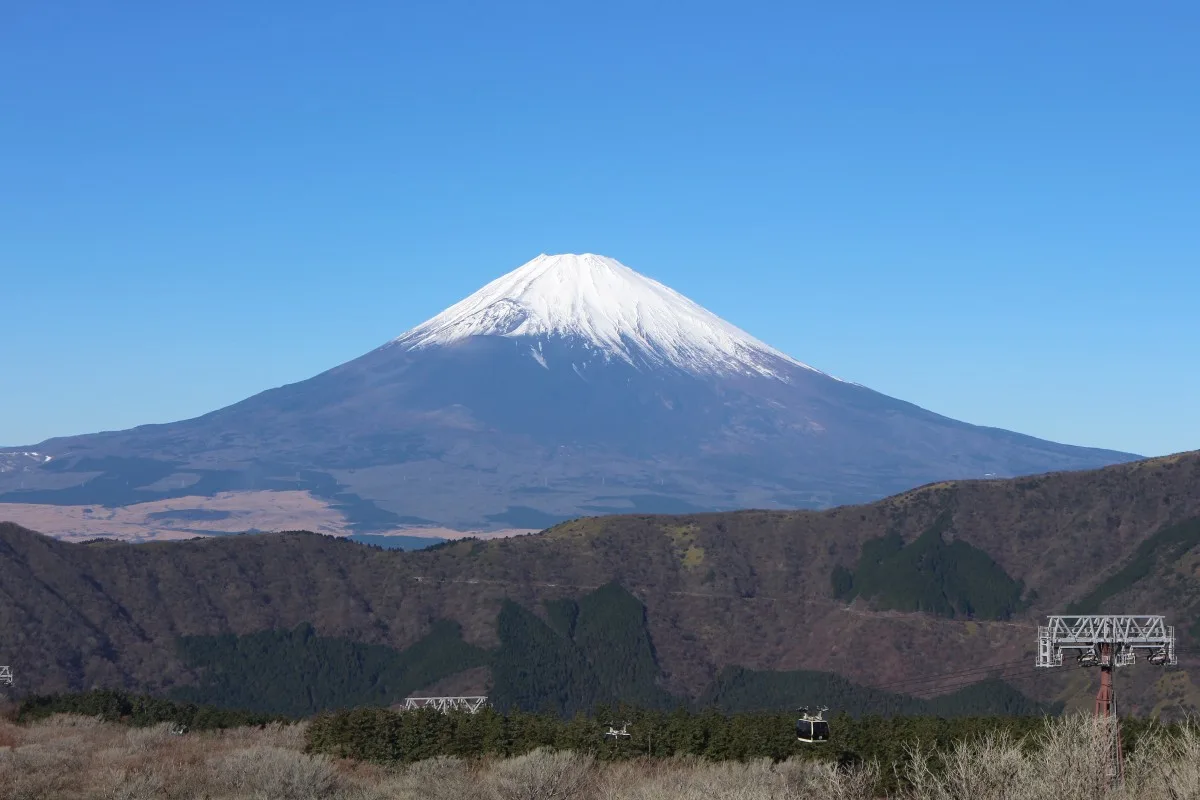
Mount Fuji is Japan's most famous natural landmark and still one of the first places many travelers search when planning their trip. Some visitors climb it during the official season, while others prefer the classic views from lakes, observation points or nearby towns such as Fujikawaguchiko.
The key appeal is not only the mountain itself, but the fact that it symbolizes Japan so completely. On clear days, seeing Fuji in person feels like checking off one of the country's defining images.
8. Arashiyama Bamboo Grove, Kyoto
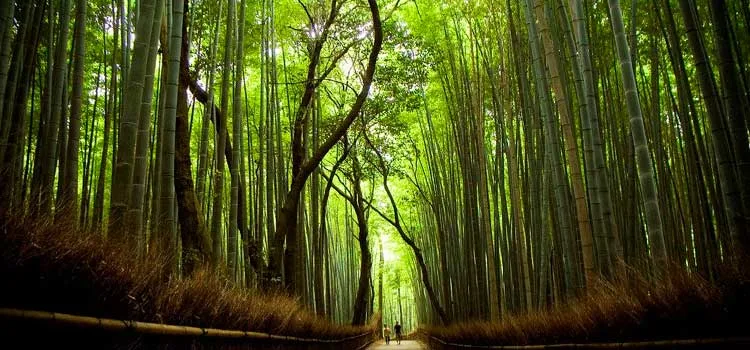
Arashiyama Bamboo Grove is one of those places that travelers choose as much for the atmosphere as for the landmark itself. The tall bamboo, soft light and narrow paths create a distinct mood, especially in the quieter hours of the morning.
Arashiyama is also more than a single photo stop. The area includes the river, temple grounds, scenic walks and nearby viewpoints, so it works well as a half-day visit for anyone who wants a slower pace after Kyoto's busiest temples.
9. Miyajima Island, Hiroshima
Miyajima is best known for Itsukushima Shrine and the floating torii gate that appears to rise out of the sea at high tide. The island is one of Japan's most iconic postcard views, but it also rewards visitors who stay beyond the main shrine area.
Walking through the quieter streets, meeting the island's deer and taking in the coastline gives Miyajima a gentler rhythm than the average city stop. Combined with Hiroshima, it creates one of the strongest one-two punches on a first trip to Japan.
10. Nara Park, Nara
Nara Park earns a place on countless itineraries because it offers something very difficult to replicate elsewhere: temple architecture, open green space and the city's famous free-roaming deer all in one area. It is also home to Todai-ji, one of the most important temple complexes in Japan.
Nara works especially well as a day trip from Kyoto or Osaka, which is why it appears so often in first-time travel plans. If you want a stop that feels historic without becoming exhausting to navigate, Nara is one of the easiest additions to make.

How to combine these places on one trip
If this is your first time in Japan, the easiest route is usually Tokyo, Kyoto and Osaka, with day trips or overnights for Nara, Himeji, Hiroshima and Miyajima. Mount Fuji often fits best as a stop between Tokyo and Kyoto or as a separate day trip, depending on weather and train timing.
That mix works because it balances famous city districts, temples, historic landmarks and natural scenery without sending you too far off the main rail corridor. For most travelers, that is the most realistic way to see several of Japan's most visited places in a single trip.

Community
Comments
0 comments
There are no published comments in this language yet.
Send comment