
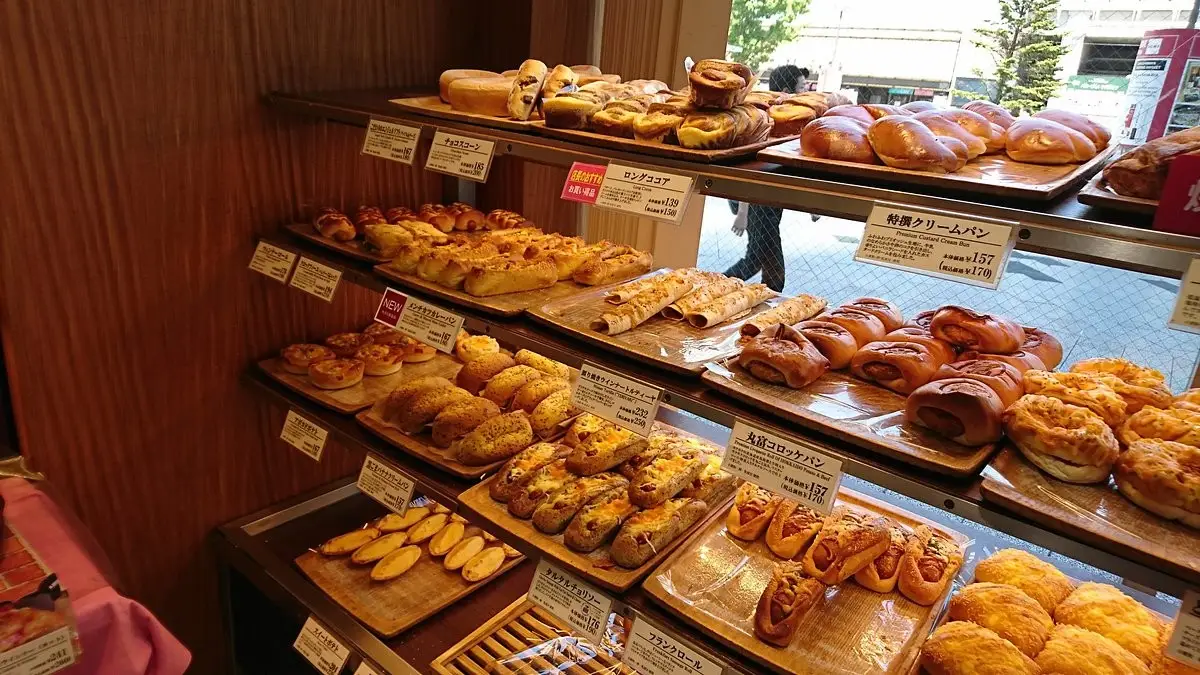
Japanese bakeries are easy to love. You walk in, grab a tray and tongs, and choose between soft milk bread, crispy curry buns, sweet bean buns, and seasonal pastries that change throughout the year. Even a small neighborhood shop often has far more variety than visitors expect.
What makes bakeries in Japan stand out is not only technique, but adaptation. Bread arrived from abroad, yet Japanese bakers reshaped it for local tastes with softer crumbs, smaller portions, balanced sweetness, and fillings that range from red bean paste to yakisoba and croquettes.
Contents 6
The history of bakeries in Japan
Bread first reached Japan through Portuguese contact, and the Japanese word pan comes from the Portuguese pão. Even so, bread was not an immediate everyday staple. It became more familiar during the Meiji period, when Western food spread more widely in the cities.
A decisive turning point came with Kimuraya in Ginza. Founder Yasubei Kimura developed anpan, a soft bun filled with sweet azuki bean paste, using sakadane, a rice-based starter that gave the dough a texture closer to Japanese tastes. That success proved that bread could flourish in Japan without copying Europe exactly.
Later, school lunches, department store food halls, train station counters, and urban breakfast habits helped bread become part of daily life. Today, bakeries sell everything from classic loaves to playful local specialties, and many shops still treat texture and freshness as the main selling point.
What Japanese bakeries are like

Many bakeries in Japan use a self-service layout. Customers pick up a tray and tongs, choose individual items from open shelves, and pay at the counter. The breads are usually arranged in small portions, which makes it easy to try both sweet and savory options in the same visit.
The range also changes with the setting. Neighborhood shops may focus on soft buns, sandwiches, and breakfast bread, while department stores and station bakeries often mix everyday staples with limited seasonal items. Across all of them, presentation matters: the breads look neat, colorful, and carefully finished.
Popular breads to try in Japan
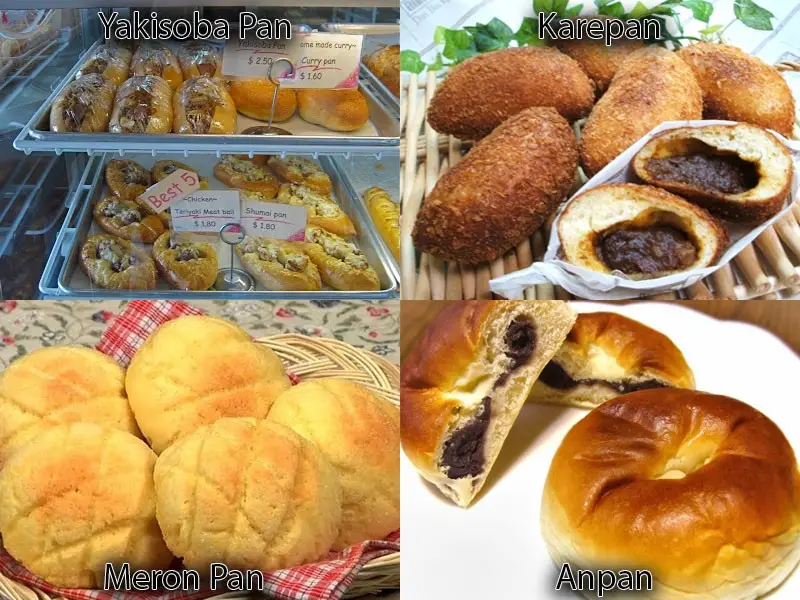
- Anpan: the classic sweet bun filled with red bean paste that helped popularize bread in Japan.
- Melon pan: a soft bun covered with a cookie-like crust. Despite the name, it usually does not taste like melon.
- Kare-pan: fried bread with Japanese curry inside, crisp outside and creamy in the center.
- Yakisoba-pan: a hot-dog-style bun filled with stir-fried noodles, a classic example of Japanese bakery creativity.
- Korokke-pan: bread filled with croquette, usually with a hearty, savory profile.
- Korone: a cone-shaped sweet bread often filled with chocolate or custard.
- Shokupan: the fluffy white sandwich loaf that became a breakfast favorite and remains one of the most recognizable breads in Japan.
Regional bakeries also create their own specialties, and limited-time fillings are common. That is part of the fun: even when two shops sell the same style of bread, the dough, sweetness, and texture can feel surprisingly different.
Why bakery culture feels different in Japan

Bread never fully replaced rice in Japan, and that gave bakers room to experiment. Instead of following one rigid tradition, Japanese bakeries blend French, Danish, and local influences with fillings, shapes, and textures designed for everyday snacking as much as for full meals.
That is why the same bakery can sell careful baguettes, airy milk bread, sweet buns, and fried curry bread side by side. For travelers, the appeal is not only taste, but variety, convenience, and the way each shop reflects local habits without losing the precision that Japanese food culture is known for.
Videos of Japanese bakeries
The videos below help show the atmosphere inside Japanese bakeries, from busy counters to shelves packed with sweet and savory breads.




Community
Comments
0 comments
There are no published comments in this language yet.
Send comment