If you are in Tokyo and looking for a relaxing and educational activity, the Shinagawa Aquarium (しながわ水族館 – Shinagawa Suizokukan) is a perfect choice. Located in the Shinagawa district, near the Omorikaigan station, the aquarium is situated within a large park with a lake, ideal for peaceful walks and moments of connection with nature.
Although modest in size, the Shinagawa Aquarium is a treasure trove filled with fascinating marine life and activities that please people of all ages. Let’s discover together what makes this place so special!
What to Expect from the Shinagawa Aquarium
The Shinagawa Aquarium offers a unique experience, with an impressive diversity of aquatic animals. In addition to the main exhibits, the location also features an auditorium where you can watch exciting shows with dolphins and sea lions. For those who want a break during their visit, there is the charming Dolphin Café, a cozy restaurant located next to the aquarium.
Among the species found in the aquarium are:
Snappers, rays, and turtles: Some of the most majestic creatures of the aquatic environment.
Sharks and jellyfish: A charming and slightly scary display.
Dolphins and sea lions: The stars of the interactive shows.
Penguins: An absolute hit among children and adults.
The variety of fish and other animals is incredible, with many rare species that surprise even the most experienced visitors. It is impossible not to be enchanted by the rich biodiversity of the place.
How to Get to the Shinagawa Aquarium
Getting to the Shinagawa Aquarium is easy, thanks to the efficiency of Japanese public transport. Here are some options:
1 – Take the Yamanote Line to Shinagawa station and then the Keikyu Line to Tachiaigawa station. This route is perfect if you want to enjoy a walk through the park before visiting the aquarium.
2 – Another option is to get off directly at Omorikaigan station, which is just a few minutes’ walk from the aquarium and has clear signage to guide you to the entrance.
Hours and Prices
Opening hours: From 10 AM to 5 PM (last entry at 4:30 PM).
Closing days: The aquarium is closed on some Tuesdays and on January 1st.
Ticket price: 1,300 yen for adults (price as of October 2016; it is recommended to check for updates before visiting).
Main Attractions of the Shinagawa Aquarium
1. Underwater Tunnel
One of the highlights of the aquarium is its underwater tunnel, where you can walk while surrounded by rays, sharks, and other fish swimming above your head. This tunnel offers a fascinating view of marine life in an environment recreated to resemble the ocean floor. It is a perfect place to take amazing photos and feel immersed in the underwater world.
2. Dolphin and Sea Lion Shows
The aquarium’s auditorium hosts charming shows with dolphins and sea lions. These shows are very popular, especially among children, and showcase the skills, intelligence, and agility of these incredible animals.
Show times: They usually occur several times throughout the day, but it is advisable to check the schedule upon arrival.
Tip: Arrive early to secure a good spot, as the auditorium can fill up during peak times.
3. Penguin Area
The penguins are another must-see attraction. In a space designed to recreate their natural habitat, you can watch them swimming, playing, or simply resting. During specific times, there are feeding sessions, where caregivers provide interesting information about these adorable birds.
4. Themed Tanks
The aquarium is divided into several themed areas representing different marine ecosystems. Some of the tanks include:
Japanese River Ecosystem: Displays native freshwater species, such as trout and carp.
Tropical Corals: Colorful and vibrant, with exotic fish and other inhabitants of coral reefs.
Deep-Sea Fish: A rare opportunity to see creatures that live in the deep, dark zones of the oceans.
Maxwell Aqua Park in Shinagawa
The Maxwell Aqua Park Shinagawa is a modern and technological alternative to the traditional Shinagawa Aquarium. Located within the Shinagawa Prince Hotel, just a few minutes from Shinagawa station, this aquarium offers an immersive experience with shows that combine LED lights, 360° projections, and synchronized music, with the dolphin show being the main highlight. The venue also features a lit underwater tunnel and a jellyfish display in futuristic tanks, creating a unique and visually stunning atmosphere.
In addition to the main attractions, the Maxwell Aqua Park includes interactive and themed areas, such as tropical tanks and fun zones for children. Ideal for visitors seeking innovation and entertainment, the aquarium is perfect for those who want to explore marine life in a contemporary environment, with easy access and programming that varies according to the seasons.
Why Visit the Shinagawa Aquarium?
The Shinagawa Aquarium is more than just a simple outing – it is an opportunity to learn about the marine ecosystem while relaxing in a tranquil environment. The surrounding park adds a special touch to the experience, allowing for moments of rest and leisure amid the hustle and bustle of the city.
Whether watching the incredible shows, exploring the exhibits, or simply walking through the park, a visit to the Shinagawa Aquarium guarantees unforgettable memories. Be sure to plan your day well and enjoy every moment!
People often compare the cost of living in Japan with that of their home countries and frequently criticize the prices and daily expenses in Japan. Expensive fruits, high taxes, and other recurring costs are mentioned as negative points. In this article, we will reflect on why it is not worth complaining or making simplistic comparisons between the Japanese economy and those of other places.
Natural Products: Expensive Fruits, But There’s Context
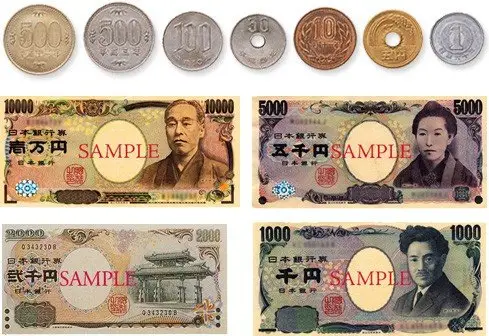
One of the main focuses of comparisons is the price of fruits and vegetables in Japan. It is true that a fruit that would cost R$ 1 in Brazil can cost up to ¥300 (about R$ 10) in Japan. This shocks many Brazilians, leading to the false perception that Japanese people do not consume fresh food due to the prices. However, it is essential to remember that the cost of living is relative to the currency and local purchasing power.
In October 2024, the exchange rate for the yen is around ¥1 = R$0.033. Thus, even if a strawberry or an apple seems expensive when directly converted to reais, the average salary in Japan compensates for this difference. A Japanese worker can earn between ¥180,000 to ¥300,000 per month (about R$6,000 to R$10,000), while the Brazilian minimum wage is still around R$1,320.
So, what is worth more: buying expensive fruits earning in yen or saving on food but having a tight budget earning in reais? Japanese cuisine also values fresh food. Virtually all bentōs (lunch boxes) and desserts include fruits and vegetables, showing that, even with the higher cost, these products are an important part of the diet.
Taxes and Monthly Expenses: Not Everything is So Different
Another common criticism is about taxes and fixed costs in Japan. Rent, transportation, and monthly bills may seem high, but they need to be analyzed in the right context. Let’s make a comparison:
In Brazil, if a worker earns R$1,500 per month and pays R$1,000 in rent, taxes, and other expenses, only R$500 is left for food and leisure.
In Japan, someone earning ¥300,000 (approximately R$10,000) may have ¥200,000 committed to rent, transportation, and bills. Still, they will have ¥100,000 free (about R$3,300) for other expenses.
Although the cost of living in Japan may be high, it is proportional to local purchasing power. And, despite the expenses, many Japanese manage to save money, something that is not always possible in Brazil, where salaries often do not cover all basic needs.
One Thing Compensates for Another: Salaries, Electronics, and Consumption
If we are going to compare, then let’s do it fairly. Processed products and electronics in Japan are often cheaper than in Brazil. The difference is noticeable in items like cell phones, computers, and video games. While a Brazilian may take months or even years to save money to buy a top-of-the-line smartphone, a Japanese person can acquire one in a few installments or monthly savings with effort and planning.
Imagine a Brazilian worker, after paying their expenses, has R$100 left for leisure. They might fill their home with more affordable fruits and vegetables, but if they need a new sofa or want to travel abroad, they will have to save for a long time or resort to loans. On the other hand, in Japan, even with sacrifices, many manage to save money and make larger purchases, like an iPad or an international trip, without much difficulty.
Adaptation is Key: Stop Comparing and Live in Yen
There is no perfect place or ideal cost of living. Each country has its strengths and weaknesses. Many Brazilians go to Japan in search of financial stability, knowing that it is possible to save and build a reserve there, something difficult in Brazil. Additionally, safety in Japan is another attractive reason, as the risks of being robbed or suffering violence are much lower than in large Brazilian cities.
Of course, not all Japanese live comfortably. Some live in tiny apartments or face financial difficulties, just like in Brazil. The difference is that in Japan there is a sense of stability: with planning, it is possible to maintain a good quality of life and still save.
Therefore, instead of complaining that Japan is expensive, it is important to understand the differences and adapt. Living in Japan means learning to deal with the local currency and enjoying what the country has to offer, without constantly comparing it to Brazil or other places.
Conclusion: The Economy is Relative
In the end, there is no place that is intrinsically “more expensive” or “cheaper.” It all depends on how you adapt to the local context and adjust your lifestyle. Many Brazilians living in Japan choose this country not only for the salary but also for safety and the possibility of achieving financial goals.
Complaining about the cost of living is a fruitless attitude. The whole world is going through economic changes and challenges, and each country has its own difficulties. Instead of focusing on the negative, it is better to find ways to adapt, plan, and live well, regardless of where you are. After all, every currency has its value — you just need to learn to use it to your advantage.
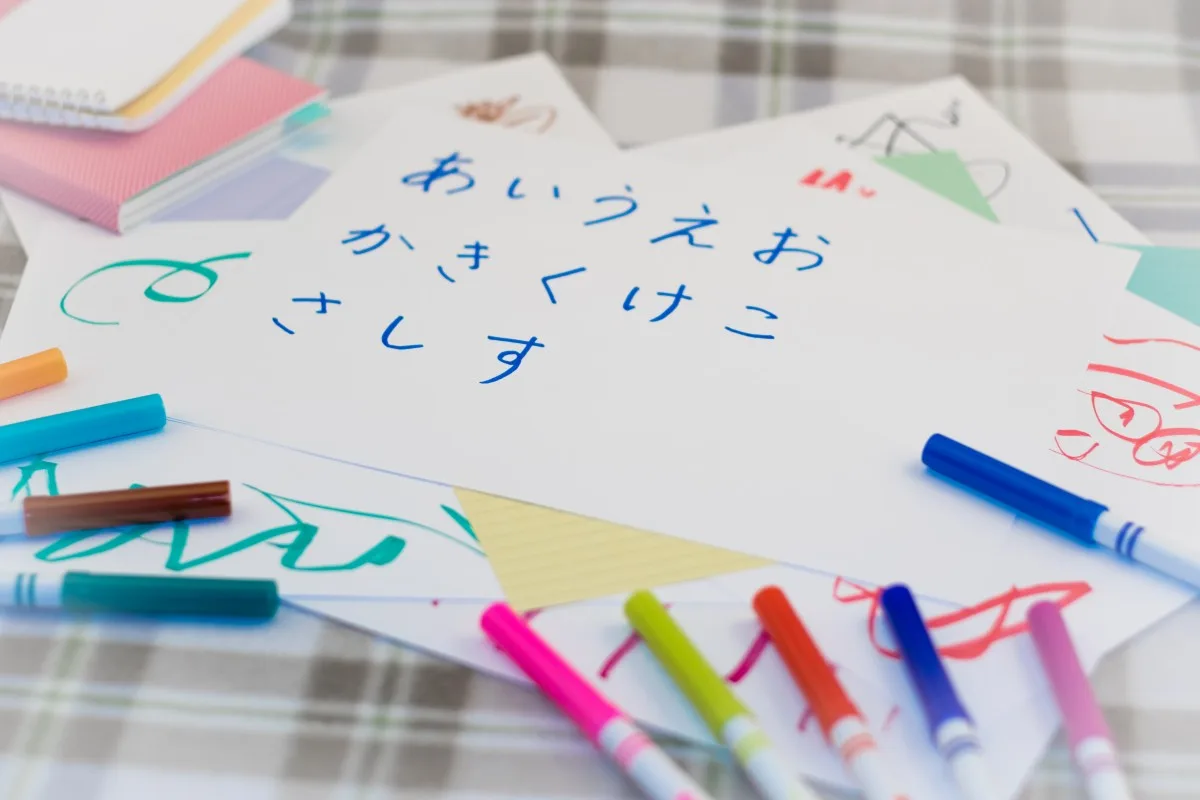
Studying the verb forms in the Japanese language is essential to achieve fluency and understanding. Japanese presents a vast range of verb conjugations that vary according to the level of formality and the context of speech. This article offers a detailed introduction to these forms, including practical examples to aid in comprehension.
We will address both the common and formal forms, the negative conjugations, the -ta form (past), as well as more complex forms such as the passive and causative. If you have encountered a verb and need to know its conjugations, this guide can be of great help. Let’s get started!
Common and Formal
In Japanese, verbs can be expressed in a common (informal) or formal (polite) way. The common form is known as the “Dictionary Form” and ends with the letter “U”. This form is widely used in informal contexts and also serves as a base for other conjugations.
The polite form or “Masu Form” is used in formal and professional situations. For example, when speaking with superiors or in polite contexts, you replace the “U” ending of the dictionary form with “I” and add “-masu”. Thus, “話す” (hanasu) becomes “話します” (hanashimasu).
For example:
私は日本語を話します
Watashi wa nihongo o hanashimasu
Translation: I speak Japanese.
Negative Form
To form the negative in Japanese, we do not use a separate word like “no”, but rather a specific conjugation of the verb. The common negative form uses “-nai”, while the polite form uses “-masen”. This depends on whether the verb is in its dictionary form or in the -masu form.
For example:
私は日本語を話せない
Watashi wa nihongo o hanasenai
Translation: I do not speak Japanese.
In the formal form:
私は日本語を話しません
Watashi wa nihongo o hanashimasen
Translation: I do not speak Japanese (formal).
-ta Form (Past)
The -ta form indicates that the action happened in the past or was completed. To transform a verb from the dictionary form to the -ta form, we replace the ending according to specific rules, which vary by verb group.
For example, in the polite form, “行きます” (ikimasu) becomes “行きました” (ikimashita) to indicate the past. In the negative, “行きません” (ikimasen) becomes “行きませんでした” (ikimasendeshita).
Verbs in the -te form are multifunctional. They can connect sentences, indicate sequential actions, or serve as imperatives. They are also used in grammatical constructions with other verbs, such as “いる” (iru) to form the present continuous.
For example:
昨日、私は起きて、食事をして、出かけました。
Kinō, watashi wa okite, shokuji wo shite, dekakemashita
Translation: Yesterday, I woke up, ate, and went out.
This form is very common in conversations and writing to express connected actions naturally.
The potential form expresses the ability or possibility of performing an action. In type I verbs, the ending “U” is replaced by “ERU”. For type II verbs, the ending “RU” is changed to “RARERU”. The negative form adapts to “ENAI” or “RARERENAI”.
Example:
本が読める
Hon wo yomeru
Translation: I can read the book.
In the negative form:
魚は食べられない
Sakana wa taberarenai
Translation: I cannot eat the fish.
Passive and Causative Form
The passive form expresses that the subject suffers the action. The ending “ARERU” is added to type I verbs. For example, “書く” (kaku) becomes “書かれる” (kakareru). The causative form indicates that “someone makes someone perform an action”. For example, “行く” (iku) in the causative form is “行かせる” (ikaseru).
Example of passive form:
その本は来月出版されます
Sono hon wa raigetsu shuppan saremasu
Translation: This book will be published next month.
Example of causative form:
子供を学校へ行かせました
Kodomo wo gakkō e ikasemashita
Translation: I made my child go to school.
Volitional or Presumptive Form
To make invitations or suggest actions, we use the volitional form, which translates as “Let’s do something”. Verbs in -masu are transformed into “ましょう” (mashou). When the basic form is used, the last letter is changed to “よう” (you).
Examples:
皆行きましょう
Mina ikimashou
Translation: Everyone, let’s go!
テレビをみましょう
Terebi wo mimashou
Translation: Let’s watch TV.
Negative Imperative Form
The negative imperative form is used to prohibit or instruct someone not to do something. In Japanese, there are distinct ways to express the negation of commands, depending on the level of formality.
For informal or more direct situations, we use “な” (na) after the verb in the dictionary form. This usage is more common in military orders or strict instructions. For example:
話すな
Hanasu na
Translation: Do not speak.
In more formal or polite contexts, it is common to use “ないでください” (naide kudasai) after the verb in the -te form. For example:
話さないでください
Hanasanai de kudasai
Translation: Please do not speak.
Provisional Conditional -eba
The provisional conditional form “-eba” is used to express a condition that must be satisfied for something to happen. This type of construction is very common in Japanese to indicate consequences or future possibilities.
To form the -eba conditional, the “U” ending of type I verbs is replaced with “EBA”. In type II verbs, the “RU” ending is changed to “REBA”. Here is an example:
話せば
Hanaseba
Translation: If I speak.
The negative of the -eba form is made by adding “なければ” (nakereba) to the verb, as in:
話さなければ
Hanasanakereba
Translation: If I do not speak.
Desiderative Form -tai
The desiderative form “-tai” is used to express the desire to perform an action. In Portuguese, it would be equivalent to saying “I want to do something”. This form is simple to conjugate: just take the root of the verb in the -masu form and replace “masu” with “tai”.
For example, with the verb “行く” (iku – to go), we have:
行きたいです
Ikitaidesu
Translation: I want to go.
For the negative form, we replace “tai” with “taku nai” (informal) or “taku arimasen” (formal). Example:
行きたくないです
Ikitakunai desu
Translation: I do not want to go.
Conditional Form -tara
The -tara form is another way to express conditions in Japanese, but it is used in more specific contexts, where the condition or situation described is more circumstantial. The -tara form can be translated as “if” or “when” in Portuguese.
Example of use with the verb “話す” (hanasu – to speak):
話したら
Hanashitara
Translation: If I speak / When I speak.
The negative form of -tara follows the same logic, as in:
話さなかったら
Hanasanakattara
Translation: If I do not speak / When I do not speak.
With this article, you have had an overview of the main verb conjugations in Japanese. We recommend continuing to practice to internalize these forms! There are other rare verb forms not mentioned in this article.
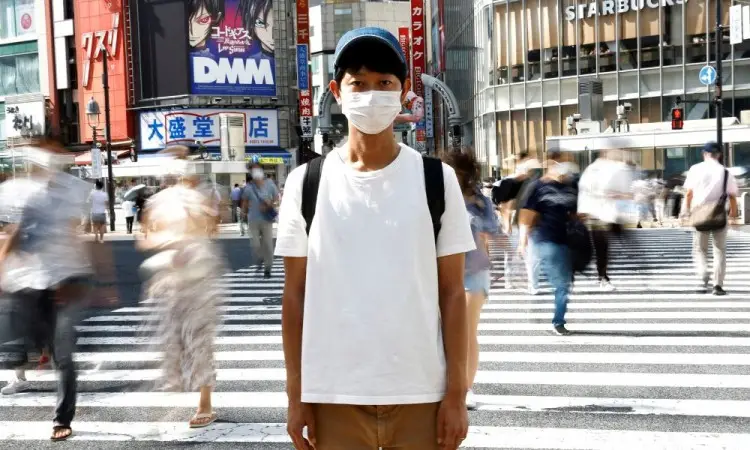
The rental of friends in Japan is a unique practice that reflects both the cultural nuances of the country and the emotional needs of a modern and often lonely society. One of the most well-known names in this segment is Shoji Morimoto, who became famous as “the man who does nothing” by becoming a professional rental friend. Morimoto is paid to simply be present, without offering advice or judgments, just accompanying his clients in everyday activities.
This idea, although it may seem strange to many, is seen by some Japanese as a practical and commitment-free solution to deal with loneliness and social pressure. In this article, we will explore how the process of renting a friend works in Japan, the costs involved, and the reasons that lead so many people to hire this service.
Shoji Morimoto: The Man Who Does Nothing
Shoji Morimoto has become a widely recognized name in Japan and in various parts of the world by offering an unusual service: companionship without commitments or expectations. Known as the “man who does nothing,” Morimoto is paid to be present, but without performing any specific activity, except accompanying the client in simple moments, such as a walk, a meal, or just sitting silently next to someone. His innovative approach draws attention not only for its uniqueness but also for the honesty it offers regarding the role he plays.
Morimoto started his service in 2018, using social media to promote the proposal. In his posts, he explains that his work does not involve counseling, interaction beyond what is necessary, or emotional involvement. His presence is purely physical and uncomplicated, something that, according to him, many Japanese appreciate precisely because it eliminates common social pressure. Morimoto shares that most of his clients seek relief from loneliness or companionship for activities they find uncomfortable to do alone, such as going to the doctor or attending a social event.
His work gained so much visibility that he began to be interviewed by major media and inspire others to explore the rental friend market. In a country with a high rate of social isolation, Morimoto’s service offers a practical and judgment-free alternative for those facing loneliness. With thousands of clients over the years, he continues to demonstrate how, in an increasingly digitally connected society, physical presence is still something deeply valued, even if the interaction is minimal.
How to Rent a Friend in Japan?
Renting a friend in Japan is a relatively simple and accessible process for anyone. Typically, the first step is to contact the professional through social media or a specific website for rental friend services. Shoji Morimoto, for example, uses platforms like Twitter and Instagram to promote his work and interact with clients. Through these platforms, the interested party can send a message, discuss the activity they wish to undertake, and arrange a meeting place.
The rental process includes some important points:
Define the activity: The client informs the rental friend of the type of activity they wish to undertake, such as going to a café, shopping, or just chatting.
Establish expectations: Like many rental friends, Morimoto makes it clear that he does not offer advice or interact more than necessary. He is present, but his role is to be just a companion.
Payment: The amount is agreed upon in advance, and payment is usually made before or after the meeting, according to the rules of the professional or the company offering the service.
There are also companies specialized in providing accompaniment services in Japan, and they follow a similar process. In these companies, the client chooses from available profiles of companions, which include descriptions of the skills or characteristics of each “rental friend.”
How Much Does It Cost to Rent a Friend in Japan?
The cost of renting a friend in Japan can vary significantly, depending on the experience and popularity of the professional. In the case of Shoji Morimoto, he charges an average of 10,000 yen per session, equivalent to about 100 dollars. This amount covers his presence in a specific activity, which can last a few hours. Morimoto does not charge extra fees for common activities, such as walking or chatting in a café, but the client covers additional costs, such as transportation and meals, if necessary.
Here are some factors that influence the cost of this service:
Duration: Longer sessions may increase the price, especially if they require long travel or involve multiple activities throughout the day.
Popularity of the rental friend: Professionals with higher visibility, like Shoji Morimoto, tend to charge higher fees due to demand.
Special activities: Although Morimoto is known for “doing nothing,” some rental friends offer more personalized services, which may incur additional costs depending on the requested activity.
Additionally, the rental friend market in Japan is competitive, with different prices and offers. The average price for a simple meeting with a rental friend in Tokyo, for example, can range from 5,000 to 15,000 yen, depending on the person or agency offering the service.
Why Do People Rent Friends in Japan?
The practice of renting friends in Japan meets various needs, many of which are rooted in Japanese culture and lifestyle. In a country where the social pressure to meet standards is intense, many Japanese find it difficult to establish deeper connections or cope with lonely moments. Renting a friend, therefore, becomes a practical option to alleviate loneliness quickly and without commitment.
Some of the main reasons for hiring a rental friend include:
Loneliness and social isolation: Many Japanese live alone, and the rental friend offers a comforting presence in activities that would otherwise be done alone.
Absence of social pressure: Hiring a paid friend eliminates the expectation of maintaining a conversation or impressing, allowing the interaction to be lighter and more straightforward.
Seeking support in difficult times: Some people hire rental friends to accompany them in emotionally challenging situations, such as a visit to the doctor or social events.
For some clients, the presence of a rental friend is more than just temporary companionship; it serves as an emotional relief for moments of loneliness or anxiety, providing a sense of belonging, even if just for a few hours.
Impact and Reflection
The rental of friends, although unusual, has attracted the attention of Western countries, where the phenomenon is beginning to emerge as an alternative for those seeking a different type of social interaction. However, reactions to the concept vary widely. In countries where the social culture is more open and informal, the idea of paying for companionship may seem artificial. In Japan, on the other hand, renting friends reflects an adaptation to a specific cultural need.
The future of this practice may be promising, especially in large cities where loneliness is common. Still, the model also raises questions about the nature of social relationships and what it means to pay for companionship. For many, the rental friend service symbolizes how modern life is shaping new forms of socialization.
In summary, the rental of friends in Japan, with Shoji Morimoto as its prime example, is a practice that combines the simplicity of temporary companionship with the complexity of modern human relationships.
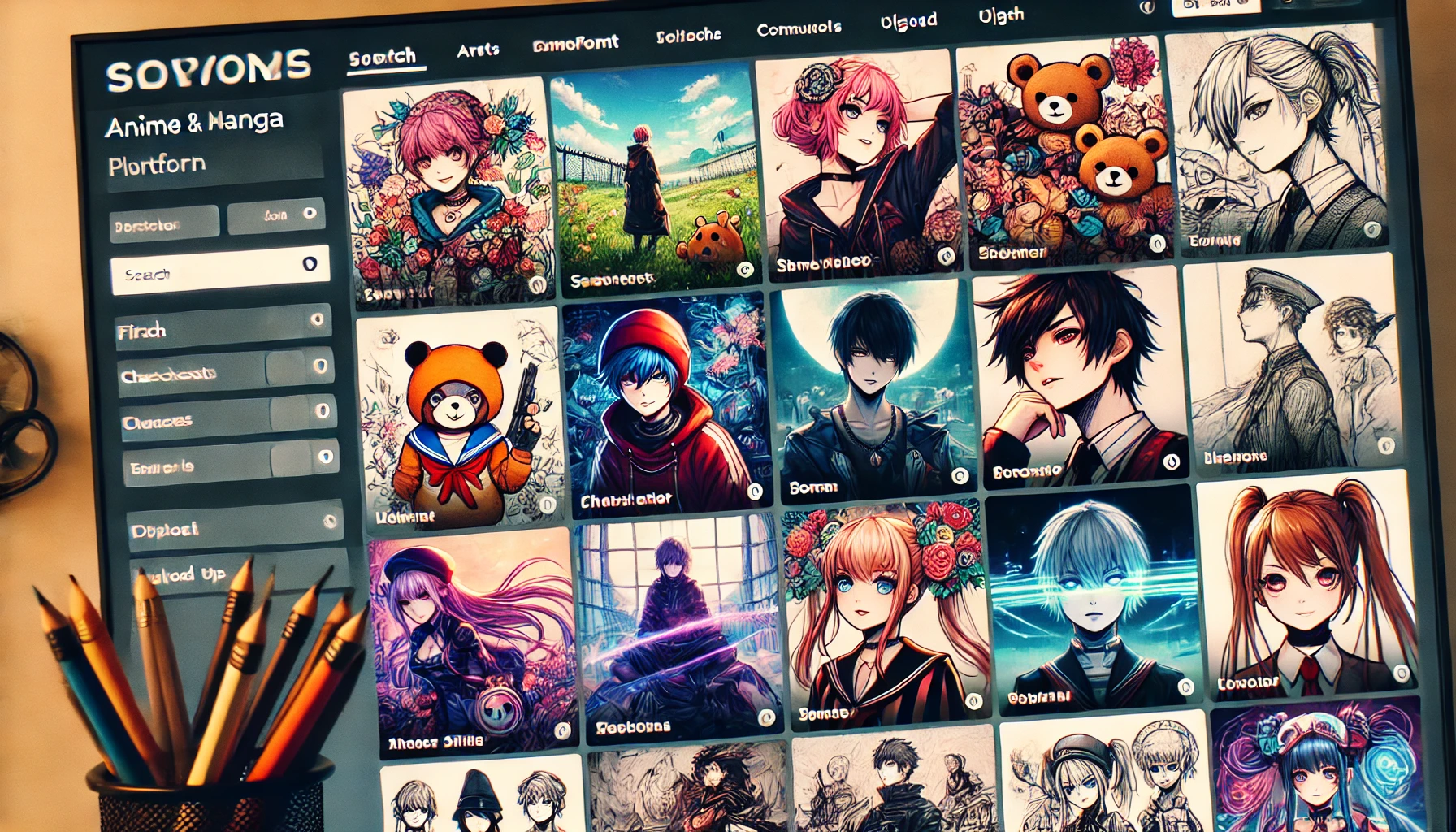
ATFBooru is a digital platform focused on sharing images and art, especially aimed at otaku content such as anime, manga, and fan art. Part of the AllTheFallen.moe network, the site attracts an engaged community of fans and artists who use the space to showcase their creations and interact with other enthusiasts of Japanese pop culture.
Although it has a positive side as a creative hub, ATFBooru is also associated with controversies due to the presence of adult content and insufficient moderation in some cases.
How does ATFBooru work?
ATFBooru stands out for its efficient organization through tags, making it easy to search for specific images. Users can upload their works, tagging them with relevant keywords, such as character names, series, or artistic styles. This allows both artists and admirers to find content accurately, promoting greater engagement.
The platform also offers interactive features, such as comments and votes, which help the community connect and encourage creators. Additionally, many users share fan arts based on popular anime, contributing to the diversity of styles and inspirations present on the site.
Focus on Anime, Manga, and Fan Art
The main attraction of ATFBooru is its specialization in otaku content, which sets it apart from other image repositories with a broader focus. This attracts a user base looking for visual material related to anime and games that can be hard to find on other platforms. The category system allows fans to explore original art or creative reinterpretations of their favorite characters, consolidating the platform as a reference for those who appreciate this aesthetic.
Moreover, the community-oriented nature creates a welcoming environment where new members feel encouraged to participate and share their own creations. Beginner artists find an engaged audience that can offer feedback and support, making ATFBooru a fertile space for personal and professional growth.
Controversies and Limitations
Although ATFBooru has many positive points, the controversies associated with adult content cannot be ignored. As part of AllTheFallen.moe, the site allows works that include sensitive and sometimes controversial themes. This has raised ethical criticisms and even bans in some countries, such as France, due to concerns about the impact of this type of material. Limited moderation is another issue, as despite community guidelines, certain inappropriate content may go unnoticed.
This site is often blocked by other adult filter DNS, and Google’s Safe Search does not display any search results at all, showing that a large part of the users use this site with the intention of sharing their otaku fetishes.
How to get started on ATFBooru?
Creating an account on ATFBooru is easy and allows the user to make the most of the platform. Although it is possible to browse images without registering, an account provides access to more comprehensive features, such as image uploads, participation in discussions, and feed customization.
When uploading images, it is essential to add accurate tags to increase visibility and facilitate searches by other users. The platform also encourages participants to follow community guidelines, which include respecting copyright and responsible behaviors to maintain a healthy and productive environment.
Conclusion
ATFBooru is a unique platform for anime and manga fans, offering a specialized space for the creation and sharing of art. Its efficient tagging system and community nature make it an ideal meeting point for those looking to explore new content or showcase their creations. However, the controversies related to adult content and the need for greater moderation are challenges that accompany its growth.
The platform offers both opportunities and responsibilities. Actively and consciously participating can help keep ATFBooru a welcoming and vibrant environment for all enthusiasts of otaku culture.
Japanese tattoos, known as irezumi, carry deep meanings and are filled with symbolism. The choice of a character or graphic element goes beyond aesthetics: these tattoos often reflect personal beliefs, virtues, spiritual protection, and even the identity of the person wearing them. Traditionally, tattoos were associated with warriors and outcasts, but today they are increasingly popular and seen as a form of art and expression.
With roots that date back thousands of years, the tradition of Japanese tattoos has evolved significantly. While some people choose kanjis (ideograms) to convey powerful messages, others opt for traditional designs such as dragons, cherry blossoms, and koi fish. Each symbol has a story and a purpose, making the tattoo much more than just an image on the body.
The History and Tradition of Japanese Tattoos
The history of tattoos in Japan is long and marked by changes in meaning over the centuries. During the Edo period (1603-1868), tattoos were used as punishment, identifying criminals with visible marks on their bodies. However, over time, irezumi gained a new connotation, being adopted by warriors and common people as a symbol of strength and protection.
With the development of traditional art, the Japanese style has established itself as a form of respect for cultural values. Elements such as the dragon and the phoenix have been incorporated to represent protection, transformation, and wisdom. Even so, to this day, some stigmas remain, especially among older generations, who associate tattoos with the yakuza, the Japanese mafia.
Nowadays, prejudices are decreasing, and both Japanese and foreigners adopt Japanese symbols and characters in their tattoos. Tattoo studios in Japan and abroad offer a variety of styles, from traditional irezumi to modern adaptations of kanjis.
The Meaning of Kanjis in Tattoos
Many people choose kanjis because of the simplicity and depth of meaning of these characters. Each ideogram can contain multiple meanings and convey complex concepts with just one word. Below are some of the most popular kanjis in tattoos:
愛 (ai): Love
力 (chikara): Strength
忍 (nin): Perseverance
夢 (yume): Dream
平和 (heiwa): Peace
Choosing a kanji requires care, as the meaning can change depending on the context. Additionally, it is important to ensure that the writing and stroke are correct, as small errors can distort the message or leave the tattoo meaningless.
Often, kanjis are combined to create a short phrase or a personalized message, increasing the emotional impact of the tattoo. This type of tattoo stands out for its minimalist and deep aspect, being a frequent choice among those seeking discreet symbolism.
Traditional Symbols and Their Meaning
In addition to kanjis, many opt for traditional Japanese designs for their tattoos. These visual elements bring not only beauty but also deep meanings:
1. Dragon (龍 – Ryū)
Japanese dragons represent power, wisdom, and protection. Unlike Western dragons, seen as destructive beings, Japanese dragons are benevolent and often associated with water and rain.
2. Koi Fish (鯉 – Koi)
The koi fish is a symbol of overcoming and perseverance, inspired by the legend that carp swimming upstream transform into dragons. This tattoo is common among people who have faced significant challenges in life.
3. Sakura (桜 – Cherry Blossom)
Cherry blossoms symbolize the impermanence and ephemeral beauty of life. It is a popular choice among those who wish to express the appreciation of the present and acceptance of change.
These symbols are often tattooed on large areas of the body, such as the back or arms, to create rich and detailed artistic compositions, following the traditional irezumi style.
The Choice of Tattoo: Art and Personal Meaning
Choosing a tattoo in Japanese is a decision that involves more than just aesthetics. The depth of meanings and the connection to millennia-old traditions make this choice a powerful way to express feelings, values, and experiences. Many people seeking these tattoos do so to mark important moments or overcome personal challenges.
However, it is essential to research well before choosing a symbol or kanji, especially for those who are not familiar with the Japanese language. An incorrect translation or a misinterpreted symbol can lead to embarrassment. Consulting experienced tattoo artists and, if possible, native Japanese speakers is a good practice.
Conclusion
Tattoos in Japanese offer a unique form of expression, combining aesthetics, symbolism, and tradition. Whether they are kanjis or traditional designs, these tattoos have the power to communicate deep and personal messages. However, it is essential to choose carefully, ensuring that the tattoo accurately reflects what one wishes to convey.
With the popularization of this art, the old stigma surrounding tattoos in Japan is disappearing, and more and more people are embracing this millennia-old tradition to tell their own stories through their skin.
The Sanya neighborhood, located in the northeastern part of Tokyo, represents a lesser-known and underexplored side of the Japanese capital. Known as the poorest neighborhood in Tokyo, Sanya has a history that dates back to social exclusion and the manual labor of the “burakumin,” a class historically marginalized in Japan.
Today, the neighborhood is home to a population made up of temporary workers, homeless individuals, and low-income elderly people, challenging the image of a modern, technological, and economically prosperous Tokyo. In this article, we will explore the history, current living conditions, and social issues surrounding Sanya, offering a comprehensive look at a Japan often invisible to tourists and society at large.
The History of Sanya: Exclusion and Marginalization
The name “Sanya” was officially removed from Tokyo maps in 1966, as part of a policy of invisibilization of poverty and social problems. After the war, the neighborhood became a meeting point for temporary workers and day laborers who participated in the reconstruction of Japan, erecting landmarks such as the Tokyo Tower and the facilities for the 1964 Olympics. These men, responsible for the physical reconstruction of Tokyo, were relegated to areas like Sanya, where they lived in simple accommodations known as “doya,” which offered tiny rooms at low prices. This historical past of exclusion and hard labor shaped the neighborhood, creating a marginalized community within one of the richest cities in the world.
Furthermore, the workers who built modern Japan eventually became helpless and without social support, surviving on small pensions and lacking family structure. Over the years, the neighborhood was forgotten by the government, which stopped investing in infrastructure and assistance programs for its residents, further increasing the social and economic isolation of Sanya.
Living Conditions in Sanya: Reality and Daily Challenges
Sanya consists of small accommodations, where daily rates can cost less than 2,000 yen (about 10 dollars), something unthinkable in any other part of Tokyo. These accommodations offer rooms of just a few square meters, and residents face precarious living conditions, with a lack of hygiene and often deteriorated infrastructure. Many of the residents are older men, living on minimal government benefits, supplementing their expenses with temporary jobs or odd jobs when they can. The situation of poverty and exclusion is exacerbated by the presence of garbage in the streets and the absence of any luxury or comfort common in other regions of Tokyo.
The few social services available in Sanya are mainly supported by NGOs and volunteers who provide food and clothing to residents. In local parks, it is common to see groups of men playing shogi (a traditional Japanese board game) while drinking beer. This routine of inactivity and alcohol consumption reflects the lack of opportunities and the resignation of a population that has lived for decades in adverse conditions, with little expectation of change.
Attracting Alternative Tourists: A Neighborhood of Contrasts
Although not a conventional tourist area, Sanya has attracted the curiosity of alternative travelers who wish to see a different side of Japan. These tourists, mostly backpackers and budget travelers, seek authentic and less idealized experiences of Tokyo. Staying in Sanya is a way to explore a realistic side of the city and interact with the local community, although the reception is not always warm, as many residents view tourists with suspicion. The presence of hostels that charge very low rates, compared to the rest of Tokyo, has made the neighborhood a point of interest for those looking to save money and explore the capital in a different way.
Despite the growing interest, tourism in Sanya raises questions about gentrification and cultural sensitivity. Many wonder if the foreign presence could affect the authenticity of the neighborhood, which still struggles to preserve its identity and space. For tourists visiting Sanya, it is essential to adopt an attitude of respect and understanding, remembering that this is a place where daily life is marked by struggle and overcoming financial difficulties.
Sanya and Relations with Organized Crime
Sanya also carries a complex history of ties with organized crime, having long been an area of influence for the Yakuza, the notorious Japanese mafia. In past decades, the Yakuza had a strong presence in the neighborhood, taking advantage of the residents’ vulnerability to recruit labor and control parallel economic activities. Today, although the presence of the Yakuza in Sanya has diminished, remnants of their influence can still be seen, especially in the informal support networks that still help some residents survive amid poverty.
This relationship with organized crime, although less visible, still contributes to the social stigma of the neighborhood. For many Japanese people, Sanya is a place to be avoided, associated with extreme poverty and a history of violence. This social isolation further complicates the reintegration of the neighborhood into the rest of the city and limits residents’ access to job opportunities and improved living conditions.
The Future of Sanya: Preservation or Renewal?
The future of Sanya is uncertain and raises important debates about urbanization, social justice, and the right to the city. Some advocacy groups argue for the preservation of the neighborhood as a historical area that witnessed an important era of development in Japan. However, real estate pressure and urban renewal interests threaten the permanence of Sanya, as many construction companies see the neighborhood as an area for potential expansion.
For many residents and activists, the ideal would be for Sanya to receive investments in infrastructure and social assistance, without losing its identity. The neighborhood could be revitalized while maintaining its accessible character and its role as a refuge for those who need it most. In a Japan that constantly seeks to advance and modernize, Sanya reminds us that progress must also include those who have been left behind.
Conclusion
Sanya, the poorest neighborhood in Tokyo, offers a rare and valuable perspective on the social complexities of one of the largest and most developed metropolises in the world. Amid a city of neon lights and technological advances, Sanya represents a contrast: a space of struggle, resistance, and exclusion. With an aging population, lacking opportunities and living in difficult conditions, the neighborhood is a reminder that even the most prosperous societies have their forgotten faces.
In considering the future of Sanya, it is essential that Japanese society and the government find a balance between urban development and social inclusion. Sanya is not just a neighborhood, but a symbol of the need for justice and equity in the distribution of opportunities and quality of life.
In this article, we will discover the meaning of the Lotus flower. Flowers often have various meanings, and we have written a large article on our site explaining the meaning of flowers both in the West and in the East.
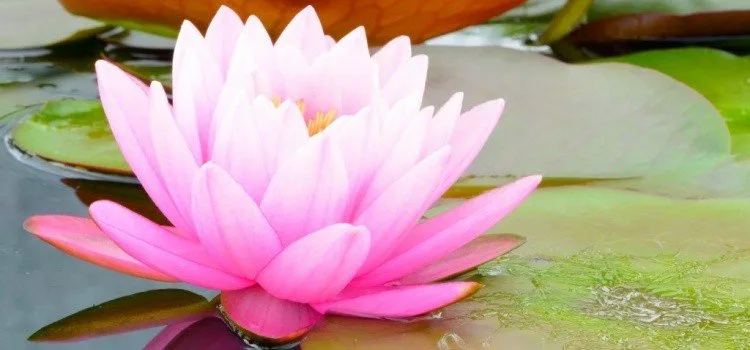
The Lotus flower is a very special aquatic flower in Japan and in some Asian countries such as India and Egypt. Its scientific name is Nelumbo nucifera and its history is sacred and has ancient and deep origins. Not only Buddhism but also Hinduism and even the Egyptians consider the Lotus flower something very important.
The Lotus flower is fascinating and incredible because at night the flower’s petals close and the flower submerges underwater. Before dawn, it rises from the depths again, until it resurfaces at the surface, where it opens its petals once more. Even the ancient Egyptians associated the Lotus flower with the sun god Ra. It is also the only plant that regulates its internal heat, maintaining it around 35ºC. Its seeds can also survive up to 5,000 years without water.
Lotus Flower in Japan
In Buddhism, the Lotus flower symbolizes the purity of body and mind, divine birth, and spiritual growth. The Lotus flower often blooms above muddy or murky water. Thus, the water is associated with attachment and carnal desires, and the flower above the water is the promise of purity and spiritual elevation.
It is often associated with Buddha and his teachings. It is believed that when Buddha (Siddhartha) took his first steps, lotuses bloomed wherever he walked.
Stepping a bit away from the spiritual side, the Lotus flower often represents elegance, beauty, perfection, purity, and grace. It is a flower that significantly represents feminine attributes.
This flower often appears as a reference in various works of literature, including manga, novels, and anime.
The Meaning of Lotus Flowers by Color
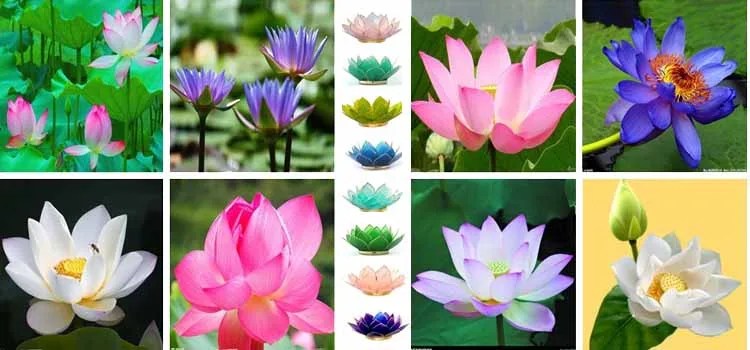
The Lotus flower, a symbol of purity and spiritual enlightenment, varies in colors that carry deep and spiritual meanings. Each shade expresses distinct aspects of the mind, spirit, and spiritual journey, especially within the Buddhist context. Let’s explore the meanings of each color in detail.
Blue Lotus
The blue lotus symbolizes wisdom and knowledge. Unlike other flowers, it rarely opens completely, symbolizing that the mind never stops growing and developing. This flower represents the victory of the spirit over material senses, highlighting the importance of controlling earthly desires and passions. In Buddhism, the blue lotus is strongly associated with Manjushri, the bodhisattva of wisdom, who is a symbol of intellect and deep consciousness.
Red Lotus
The red lotus is the emblem of the heart and emotions. This flower symbolizes the original nature and purity of the heart, known as hrdya. It represents love, compassion, passion, and other qualities that flow from the heart. It is dedicated to Avalokiteshvara, the bodhisattva of compassion, whose devotion to the purest emotions is reflected in the vibrant color of the flower. When contemplating the red lotus, we are reminded that love and compassion are fundamental to spiritual fulfillment.
White Lotus
The white lotus is linked to spiritual perfection. It symbolizes total purity and is associated with an immaculate spirit. The white lotus frequently appears in Buddhist paintings and sculptures, representing a state of unblemished or imperfect enlightenment. This flower evokes the idea that, just as the lotus emerges untouched from the mud, the mind and spirit can achieve a state of perfection, regardless of external circumstances.
Pink Lotus
The pink lotus is considered the supreme flower in Buddhism and is often associated with the figure of Buddha. It represents the spiritual story of Buddha himself and is seen as the most sacred of all lotus flowers. In religious ceremonies and sacred images, the pink lotus highlights the importance of enlightenment and the ultimate spiritual realization. Its elevated status in Buddhism makes it a flower of devotion and deep respect.
Purple Lotus
The purple lotus, known as the mystical lotus, has a unique meaning and is primarily represented in esoteric sects of Buddhism. This flower appears with various petals that symbolize the different paths to spiritual enlightenment. Generally, the purple lotus is associated with occult practices and deep meditations, being considered a powerful spiritual tool for those seeking to understand the mysteries of existence and the mind.
Yellow Lotus
Although less associated with Buddhism, the yellow lotus carries meanings related to joy and energy. Its vibrant color is a reminder of the sun and vitality, symbolizing happiness and prosperity. In Western culture, the yellow lotus represents the power of light and enthusiasm, showing that even in darkness, positive energy prevails.
Black Lotus
The black lotus is a more modern concept and is associated with ideas of mystery and dark power. Although it does not exist in nature, the black lotus has become popular in fiction and games, such as in the famous Magic: The Gathering and the universe of Accel World. Unlike the white lotus, which symbolizes purity and perfection, the black lotus is often used as a symbol of the unknown and hidden forces, showing how modern mythology continues to explore the power of this mystical flower.
The Meaning of Lotus Flowers in Different Cultures
The Lotus flower is one of the most symbolic plants in the world, and its deep meaning transcends cultural boundaries. Its elegant image sprouting from the mud and opening its petals above the water’s surface makes it a symbol of rebirth, purity, and transformation. However, each culture interprets this flower uniquely, highlighting various spiritual and philosophical aspects.
Meaning in Buddhism
In Buddhism, the Lotus flower occupies a prominent place and symbolizes the purity of body, speech, and mind. The lotus grows in the mud but remains immaculate and pure, reflecting the possibility of a human being achieving enlightenment even while living in an imperfect world filled with suffering. The lotus is also seen as a symbol of the spiritual path, as each stage of the flower’s growth represents different stages of spiritual consciousness. Buddha himself is often depicted sitting on a lotus flower, reinforcing the association with transcendence and detachment.
Important Examples:
The different colors of lotus flowers in Buddhism have specific meanings, such as the pink lotus, which represents Buddha, and the blue lotus, a symbol of wisdom.
The sacred scriptures mention that when Buddha began to walk, lotuses bloomed under his steps.
Meaning in Hinduism
In Hinduism, the Lotus flower is equally revered and has a spiritual connection with gods such as Vishnu, Lakshmi, and Brahma. In the Hindu context, the lotus symbolizes divinity, fertility, and prosperity. One of the most famous images is that of the goddess Lakshmi, the goddess of wealth and prosperity, often depicted sitting or emerging from a lotus, radiating positive energy and blessings.
Other References:
The concept of “Padma” (the Sanskrit word for lotus) appears in many Hindu texts, representing the cosmos and the spiritual heart.
The lotus also symbolizes creation and creative energy, as in the story of Brahma, who emerged from a lotus sprouting from Vishnu’s navel.
Meaning in Ancient Egypt
In ancient Egyptian culture, the lotus was a symbol of rebirth and regeneration. Due to the fact that the flower closes at night and opens with the sunrise, the lotus was associated with the cycle of life, death, and rebirth. The Egyptians believed that the lotus was sacred and often included it in funerary artifacts to ensure a new life in eternity.
Key Symbolism:
The blue lotus was particularly important and was seen as a symbol of spiritual enlightenment.
The lotus appears in many hieroglyphs and sculptures, highlighting its importance in Egyptian cosmology and mythology.
Meaning in Chinese Culture
In Chinese culture, the lotus symbolizes purity, harmony, and longevity. The philosopher Confucius used the lotus as an example of nobility and resilience, highlighting the flower’s ability to maintain its purity even while growing in mud. The lotus is also a symbol of true love and marriage, especially due to its connection with harmony and virtue.
Traditions and Symbolisms:
In traditional Chinese painting, the lotus is a popular theme, used to express elegance and virtue.
The Lotus Festival is a cultural celebration in many regions of China, where the flower is admired for its beauty and symbolism.
Lotus Flower in Cuisine
The flowers, seeds, new leaves, and “roots” (rhizomes) of the lotus flower are edible. In Asia, its petals are used as decorations, while its large leaves are used to wrap food. Petals, leaves, and rhizomes can also be eaten raw, but there is a risk of transmitting parasites. Therefore, it is recommended to cook them before eating.
They are often consumed as tea for their therapeutic qualities, ranging from curing kidney and lung diseases to combating stress and insomnia. The seeds are also rich in starch and can be consumed raw or dried.
The seeds of the lotus flowers symbolize longevity, as they can germinate even after millennia. They are edible and known for their medicinal properties. They can be consumed in the form of popcorn, called makhanas.
Lotus Flower Gardens in Japan
Japan is famous for its floral gardens spread throughout the country, some stand out when we talk about the lotus flower, and we will mention a few below:
Shinobazu Pond, Ueno Koen (Tokyo);
Tsurugaoka Hachimangu Shrine, in Kamakura (Kanagawa);
Sankei-en Garden, in Yokohama (Kanagawa);
Kodaihasu no sato, in Gyoda (Saitama);
Izunuma and Uchinuma Lakes (Miyagi);
Hanahasu Koen, Minami Echizen (Fukui);
Lotus Garden in Yamaga (Kumamoto);
Heian Jingu Garden (Kyoto);
Chiba Koen (Chiba);
Shiro-numa Hasu Matsuri (Gunma);
Other References to the Lotus
The “Lotus Flower” is also the name of a meditation posture where the practitioner sits cross-legged with the soles of the feet facing up like Shiva and Buddha. In Asian religions, most deities often appear seated on a lotus flower during the act of meditation.
In Hinduism, it is associated as a gift during the creation of the universe. The Egyptians also believe that the flower is related to the creation of the world and the navel of God Vishnu. Other Egyptian gods such as Brahma and Horus were born from a lotus flower.
The lotus flower serves as an example for pessimistic people who complain about life. Even if our life is dark, we must strive to maintain a good appearance and fight to rise again into the light. We can keep in mind things like energy, joy, happiness, longevity, perfection, and wisdom. Did you like the article? Did you know about the lotus flower? We appreciate any shares and comments.
In recent years, Japan has seen an explosion of tourists, driven by the weakening of the currency and the growing popularity of the country as a cultural and historical destination. However, along with this tide of visitors came an increase in behaviors considered inappropriate. Some actions are harmless, but others cause significant discomfort to local residents. These disrespectful visitors, or “meiwaku gaikokujin” – translated as “problematic foreigners” – are under the spotlight, both from the media and social networks, especially when videos of undesirable behavior go viral.
The issue, however, goes beyond unruly tourists. It reflects cultural tensions, differences in values, and challenges of coexistence in a country where collective behavior and respect for public space are priorities. Understanding the phenomenon of “meiwaku gaikokujin” is essential to promote more responsible and conscious tourism in Japan.
The Culture of Public Behavior in Japan
In Japan, respect for the collective and the preservation of social harmony are fundamental principles. Expect to find organized queues, silence on public transport, and a sense of respect for others’ space. This culture of disciplined behavior is what makes the country so attractive to many visitors, but it is also what generates strangeness when tourists do not follow local norms.
Uninformed or even uninterested tourists often act inappropriately: whether taking photos in sacred areas disrespectfully or occupying spaces inappropriately. In busy places, such as trains and temples, these actions generate discomfort and discontent among the Japanese. Many tourists influenced by the media and social networks have a superficial view of Japan, seeing it almost as a “theme park” where every corner is a backdrop for photos and videos. However, for locals, these spaces are a living part of their routine and cultural identity, thus requiring a different level of respect.
The Role of Social Media and Influencers
With the growth of social media, Japan has often been portrayed as a “magical” and “fun” world, creating an often unrealistic image for tourists. Videos and posts showcasing eccentric behaviors in the country go viral, encouraging a distorted view where everything is allowed and any behavior is tolerated. Influencers play an important role in creating this “myth,” promoting inappropriate activities in public spaces to attract views and engagement.
This influence can be particularly problematic, as many who follow these trends replicate disrespectful actions, such as dancing on crowded trains, climbing historical monuments, or disrupting cultural ceremonies. These behaviors, besides being bothersome, challenge deeply rooted social norms in Japan and can result in serious consequences for both tourists and locals. While tourism is welcome, the Japanese expect their visitors to respect the cultural and social environment.
“Meiwaku Gaikokujin” and Local Reactions
The term “meiwaku gaikokujin” emerged to designate these visitors considered problematic. However, reactions to these behaviors often divide opinions, both among the Japanese and among foreign residents in the country. Some Japanese are bothered by the presence of tourists who do not follow the rules, feeling that their culture is being disrespected. In contrast, others believe that this severe attitude towards foreigners can be interpreted as xenophobia.
Indeed, Japan faces a duality: while tourism is a significant source of revenue, there is a growing resentment when tourists abuse hospitality. It is common for local media to highlight incidents where tourists act inappropriately, amplifying a feeling that these “problematic foreigners” represent all visitors. This generalization can be unfair, especially for those who respect the rules and contribute positively to the country.
This negative perception also affects foreigners living and working in Japan. Many feel the need to act exemplary to avoid feeding negative stereotypes. In a predominantly homogeneous society, inappropriate behaviors of tourists stand out and end up reinforcing a negative view of all foreigners, impacting coexistence in the country.
Paths to Respectful and Sustainable Tourism
In light of this scenario, it is essential to promote cultural education among tourists wishing to visit Japan. Some actions that can help include:
Respect Local Norms: From how to behave in temples to behavior on public transport, respect for local norms is fundamental to avoid discomfort.
Research About the Country Before Traveling: Knowing Japanese culture and traditions can prevent misunderstandings and make the travel experience more enriching.
Avoid Excessive Exposure on Social Media: Using the internet in a conscious and respectful manner, without seeking “likes” through inappropriate actions, can help reduce the spread of inappropriate behaviors.
The Japanese are known for their hospitality and politeness, but they expect tourists to also demonstrate respect. Thus, the responsibility of making tourism a harmonious activity depends on both visitors and locals, creating a welcoming environment for all.
Conclusion
The phenomenon of “meiwaku gaikokujin” reflects a cultural clash between the image Japan projects and the behavior of some visitors. Understanding and respecting this rich and detailed culture is an important step for any tourist wishing to enjoy the best of Japan. Maintaining respect and consideration for the host country is what transforms a trip into a truly unforgettable and enriching experience for both parties.
The Japanese curry, known as Karee (カレー), is one of the most beloved dishes in Japan, with an interesting history and flavors that delight. Introduced during the Meiji Era (1868-1912), curry quickly became a staple in Japanese cuisine. Today, it is enjoyed in classic dishes such as Kare Raisu, Kare Udon and even the delicious Kare-pan. In this article, we will explore the origins of this spice, understand its composition, and discover the dishes that are popular throughout the country.
The Origin of Japanese Curry
The Karee arrived in Japan through British influence during the Meiji Era. At that time, Japan was modernizing and importing Western elements, including cuisine. Although the recipe came from India via British colonizers, the Japanese added a special touch to the dish, making it less spicy and sweeter compared to traditional Indian curry. This made Karee more accessible to the Japanese palate, being enjoyed by all ages.
The spice itself is a complex mixture of ingredients. Traditionally, curry is made from a base of turmeric powder, cardamom, coriander, ginger, cumin, nutmeg, cloves, pepper, and cinnamon. However, each variation has its unique combination. It is common to find blends that contain up to 70 different ingredients, creating flavor profiles that range from mild to extremely spicy. In Japan, the adaptation of curry resulted in a thicker and slightly sweeter version, made with wheat flour and meat or vegetable broth.
Popular Dishes Made with Karee
One of the most emblematic dishes that use Japanese curry is Kare Raisu (カレーライス). This simple yet comforting dish consists of white rice topped with curry sauce, meat (usually pork or chicken), and vegetables such as onions, carrots, and potatoes. The sauce is usually thickened with curry roux, which can be bought in bars or made at home. The rich texture and balanced flavor make Kare Raisu a popular choice for lunch or dinner, being served in family homes and restaurants throughout Japan.
Another classic dish is Kare Udon (カレーうどん), which combines the intense flavor of curry with the thick and chewy noodles of udon. The curry broth is more liquid than in Kare Raisu, but still flavorful and comforting. Kare Udon is especially appreciated during winter, when a hot dish is ideal for warming the body and soul. The experience of eating udon with curry can be a bit challenging (it’s easy to make a mess!), but it is always a delicious adventure.
Finally, we have Kare-pan (カレーパン), a perfect option for those who enjoy contrasting flavors and textures. Kare-pan is a bread filled with curry and fried until crispy on the outside, with a hot and creamy filling inside. It is sold in bakeries all over Japan and is an irresistible snack, whether for breakfast or as a quick meal.
Different Types of Kare (Curry)
In addition to those mentioned, there are other different types of dishes and variations of kare raisu. In Tokyo, for example, it is more common to use pork, while in Osaka, beef is more common. Below is a list of different types of curry:
katsu karē – カツカレー: Curry along with the famous tonkatsu;
dorai karē -ドライカレー: A dry and fried rice dish with curry;
maze karē – 混ぜカレー: A mix of curry with rice popular in Osaka;
aigake – 合がけ: rice with curry and hayashi sauce (fried meat and onion, red wine..;
yaki karē – 焼きカレー: Rice with curry topped with a raw egg and baked in an oven;
sūpu karē – スープカレー: Curry soup;
Among the curries sold in bars, there are also various flavors such as natto, apple, mackerel, nashi, pork, and even melon.
Curry and Its Variations
One of the most fascinating characteristics of Japanese curry is its infinite variety of flavors and levels of spiciness. In many specialized restaurants, it is possible to choose the level of heat, which ranges from a slightly spicy touch to an extreme intensity that only the bravest can handle. This has made the experience of eating curry in Japan something fun and personalized, especially when visiting famous chains like Coco Ichibanya, which offer dozens of options for toppings and spiciness.
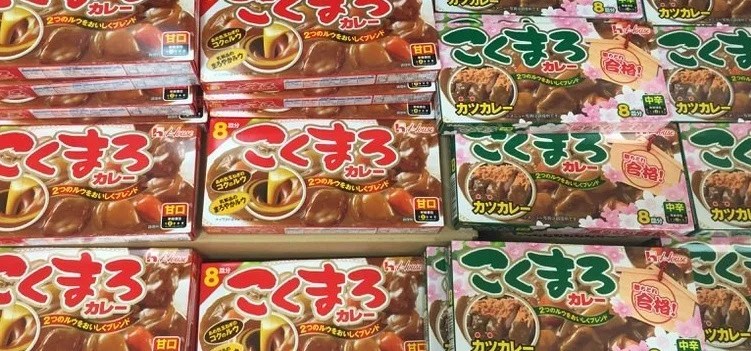
Additionally, Japanese curry can be found in two main forms: in powder or in roux bars. Roux bars are more popular for home use, as they are convenient and ensure a thick and well-seasoned sauce. These bars come in different intensities and even special flavors, such as curry with apple or honey, which add a touch of sweetness to the dish. On the other hand, curry powder is more versatile and can be used to season other dishes, such as grilled meats or even soups.
Japanese Curry Recipe
Below we will provide a recipe for the famous Kare Raisu, and you can customize it as you see fit.
500 grams of meat cut into small cubes;
2 onions in petals;
2 carrots in medium pieces;
1 potato in small pieces;
2 tablespoons of curry powder or half a block of curry;
Meat broth;
Salt to taste;
Ingredients to taste;
Fry the meat (we recommend butter), add the vegetables and water, stir well and let it cook for a few minutes (up to 15), then add the curry and stir well until it mixes and dissolves (for a short time). Remember to monitor and season until it is to your liking. After that, you can add this curry sauce to rice or any other recipe you want to invent. Keep in mind that curry can be strong and overwhelming, so don’t overdo it.
In this article, we will explore how to use the expression “Hear Say” in Japanese. It is a simple concept that involves the word そう (sou) in combination with です (desu) or other conjugations.
The expression is applied when the speaker reports something they heard from another person, functioning as a way to convey rumors or unconfirmed information. For more informal situations, instead of そうです (soudesu), we use そうだ (souda).
Meanings and Context of Use
The expression そうです is frequently used to convey rumors or probabilities, with meanings such as:
it seems that ~
hear say that ~
people say that ~
is about to ~
is going to ~
prone to ~
almost ~
Another use of そう occurs with adjectives to indicate an impression or prediction. Here are some examples:
美味しそう – Oishisou – looks delicious
重そう – Omosou – looks heavy
暑そう – Atsusou – looks hot
優しそう – Yasashisou – looks kind
良さそう – Yosasou – looks good
Using そう with Verbs
The expression そう also applies to verbs, modifying the meaning to fit the context of the sentence. Here are some illustrative examples:
泣きそう – naki-sou – about to cry
来そう – kisou – about to come
起きそう – okisou – about to get up
しそう – shisou – about to do (する)
落ちそう – about to fall
降りそう – furisou – looks like it will rain
降らなさそう – furanasasou – looks like it won’t rain
Example Sentences
Now how do verbs or adjectives fit into a sentence? Let’s see some examples below:
中に眠りそうだった。
Chū ni nemuri-sōdatta.
Translation: I almost fell asleep during the class.
あの子が泣きそうです。
Ano ko ga naki-sō desu.
Translation: This child is about to cry.
雨が降りそうです。
Ame ga furi-sō desu.
Translation: Looks like it will rain.
もう食べられそう?
Mō taberare-sō?
Translation: Do you think we can eat now?
ねえ、今日来られそう?
Nee, kyō korare-sō?
Translation: Hey, do you think we can go out today?
雪が降りそうですね。
Yuki ga furi-sō desu ne.
Translation: Looks like it will snow.
この本は高そうです。
Kono hon wa taka-sō desu.
Translation: This book looks expensive.
この映画はとてもいいそうだ。
Kono eiga wa totemo ii sō da.
Translation: I heard that this movie is very good.
昨日雪が降ったそうです。
Kinō yuki ga futta sō desu.
Translation: I heard it snowed yesterday.
彼女は弁護士だそうだ。
Kanojo wa bengoshi da sō da.
Translation: I heard that she is a lawyer.
If we conjugate そう in the following way, we will have different meanings:
そうもない – soumonai – very unlikely
そうにもない – sounimonai – unlikely, impossible
でも、そんなこと、ありそうにもないでしょう?
Demo, son'na ko to, ari-sō ni mo naideshou?
Translation: It doesn’t seem likely, does it?
今君は自分で自分を監視できそうにもないよ。
Ima kimi wa jibun de jibun o kanshi deki-sō ni mo nai yo.
Translation: At the moment you are not capable of being your own tutor.
そうですか
To conclude, it is worth highlighting the famous expression そうですか (sou desu ka), which means “Is that so?” and which, depending on the context, can even sound a bit sarcastic. Now that we better understand the use of そう, it is worth reflecting on how it fits into this question: what leads someone to use this expression and what is the intention behind it? This reasoning exercise will help deepen your understanding even further.
With the knowledge gained about the meaning and applications of そう, our sentences in Japanese become richer and more expressive. Understanding how a single word can convey so many nuances allows us to better grasp what Japanese people mean in different situations. The next step is to practice: memorize the examples, use them in conversations, and over time, the expression そう will become a natural part of your vocabulary, allowing you to communicate more fluently and accurately.
Japan is a country rich in history, and a fascinating part of this trajectory involves its monarchy, composed of a long succession of emperors. Over the centuries, hundreds of emperors have ruled the nation, each leaving their mark in different historical periods. One of the most significant was the Edo Period, but in the Modern Era, four emperors stand out, including Akihito. Among the emperors of this era, Taishō is notable for his reign that marked significant transitions in Japan, both politically and culturally.
The Taishō Period, named after Emperor Taishō (Yoshihito), is remembered as an era of crises, wars, and profound transformations. During this period, Japan left behind the feudal system and began to experience more modern thinking, although it also faced economic and political difficulties.
The Meaning of the Posthumous Name in Japan
The posthumous name is an important concept in Japanese culture and is directly associated with emperors. Literally translated as “after death,” it is an honorific title granted to monarchs, nobles, and, in some cases, other prominent figures. In Japan, the posthumous name reflects the name of the era or period during which the emperor ruled.
Difference Between Posthumous Name and Era Name
Often, the posthumous name is confused with the era name, but there is a distinction. The era name refers to the specific years of an emperor’s reign, while the posthumous name is a way to honor the monarch after their death. There is also the “kaimyo,” a Buddhist practice that serves a similar purpose but is generally used during the individual’s lifetime.
Cultural Use and Importance
Besides emperors, in some cultures and specific situations, the posthumous name can also be attributed to high-ranking officials. In Japan, this is a symbol of respect, rooted in traditions that value the memory and legacy left by leaders.
Emperor Taishō: Life and Legacy
Emperor Taishō, whose birth name was Yoshihito (嘉仁), was born at the Aoyama Palace in Tokyo on August 31, 1879. He was the fifth son of Emperor Meiji and Yanagiwara Naruko, a lady-in-waiting. Although Yoshihito survived childhood, which was rare among his siblings, he faced health issues throughout his life that influenced his reign.
Childhood and Health Challenges
Yoshihito contracted meningitis a few weeks after his birth, which impacted his physical and mental health. There are also rumors that he may have been a victim of lead poisoning from his wet nurse’s makeup. His health condition required a slower pace of learning, even with renowned teachers, such as Nakayama Tadayasu, his father’s educator.
Rise and Family
Declared heir to the throne on August 31, 1887, Yoshihito married Kujō Sadako (future Empress Teimei) in 1900. The marriage, arranged by his father, sought a wife who could complement Yoshihito, especially considering his limitations. The couple had four children, but one died during childbirth.
Reign and Challenges
When he ascended to the throne in 1912, Emperor Taishō faced a world in turmoil. His reign coincided with World War I, and although Japan opposed Germany, the conflict did not bring major disruptions to Japanese territory. Japan took advantage of the situation to conquer territories and make demands on China. However, the ensuing economic instability ultimately impacted the country.
The Taishō Period: Advances and Crises
The Taishō Period, which lasted from 1912 to 1926, was marked by great changes and challenges, both internally and externally. Although it began with promises of growth, the era was soon marked by economic setbacks and natural disasters.
Temporary Growth and Decline
During World War I, Japan managed to monopolize the Asian market due to the weakening of Europe. There was a boom in the production of industrial goods, such as chemicals, medicines, and textile articles. But with Europe’s return to stability, Japan quickly lost its commercial dominance, and the economic situation worsened further with the Great Kanto Earthquake in 1923.
Social and Political Changes
Western influence brought temporary democratic changes, such as greater participation of women in society and democratic advancements. However, these reforms did not last long. The end of the Taishō Period was characterized by a resurgence of militarism and nationalist ideology, which paved the way for World War II.
Legacy and Western Influences
Emperor Taishō was known for inserting foreign words into his speech, something that deeply irritated his father, Meiji. He excelled in activities such as horseback riding but lacked superior intellectual skills. Interestingly, he lived his entire life near Tokyo, which was uncommon for emperors of the time. His death in 1926 occurred due to pneumonia, ending an era that was marked by both growth and decline.
Curiosities and Lasting Impacts
In 1921, due to his weakened health, Taishō ceded regency to his son, Hirohito.
Japan was positioning itself to become a world power, and in 1918, the country participated in the Peace Conference in Versailles.
During this period, major Japanese banks were established, and there was remarkable industrial growth.
The end of the Taishō Period saw the rise of nationalist ideas and a cultural shift that laid the groundwork for the challenges of the following decade.
The Taishō Period is an example of how political and social transitions can shape a nation’s identity, influencing future events that would reverberate throughout the 20th century.
In this article, we will explore the fascinating Japanese grammar, focusing on nouns, pronouns, and the concept of plural. Japanese is a language with intriguing nuances, and understanding its structure helps us navigate better through the culture and daily life in Japan. Although seemingly simple, there is significant depth in the way the language deals with categories like gender, number, and context.
Unlike languages like Portuguese, Japanese does not make a clear distinction between singular and plural, nor between masculine and feminine. Instead, context plays a crucial role in understanding any sentence. Let’s detail each of these fundamental aspects.
Nouns – 名詞 (Meishi)
Nouns in Japanese are different in several aspects. They do not have specific forms for singular or plural, nor are they classified by gender. For example, the word neko (cat) can mean “one cat” or “cats” depending on the context of the sentence. Additionally, nouns are divided into two main categories: Proper Nouns and Common Nouns.
Proper Nouns – 固有名詞 (Koyūmeishi)
Proper nouns in Japanese follow the logic of naming specific things, such as people, places, and historical events. These names remain unchanged and can include noble titles or cultural references. Here are some examples:
東京都 – Tokyoto – Tokyo Metropolis
神武天皇 – Jinmu Tennou – Emperor Jinmu
ブラジル – burajiru – Brazil
富士山 – Fuji-san – Mount Fuji
北海度 – Hokkaido – Hokkaido
日本 – Nihon – Japan
Common Nouns – 普通名詞 (Futsūmeishi)
Common nouns refer to objects, ideas, living beings, or abstract elements. They are used in everyday communication in a simple and direct manner. Here are some examples that demonstrate their usage:
猫 – neko – cat
赤 – aka – red
頭 – atama – head
アパート – apaato – apartment
絵 – e – image, painting
映画館 – eigakan – cinema
As seen, these nouns do not have explicit changes for plural, and the correct reading depends on the context.
Pronouns – 代名詞 (Daimeishi)
Pronouns in Japanese may seem simple, but they are actually filled with cultural and social nuances. They vary in terms of formality, gender, and even in relation to use with older people or in professional situations. Often, these pronouns are omitted in sentences when the context is already clear.
1st Person Pronouns – I
The word “I” has several forms in Japanese, each with its degree of formality and applicability. Some examples include:
私 – watakushi – Extremely formal
私 – watashi – Formal, but common
僕 – boku – Casual, polite, used by young men
俺 – ore – Informal and masculine
内 – uchi – Polite, used by women
The choices depend on the context and the relationship between the speakers.
2nd Person Pronouns – You
There are different ways to say “you,” some being polite and others quite direct or even offensive:
貴方 – anata – Formal and common
君 – kimi – Informal and intimate
お前 – omae – Ostentatious and very casual
貴社 – kisha – Your company, used in business
Improper use can sound rude or aggressive, so it is important to choose wisely.
3rd Person Pronouns – They, She
Third person pronouns can also vary in context and formality:
彼 – kare – He
彼女 – kanojo – She
あの人 – ano hito – That person
Due to the emphasis on context, many of these pronouns can be avoided or replaced.
Plural – 複数形 (Fukusūkei)
Although Japanese generally does not use the plural as in Portuguese, there are ways to indicate the plural, especially in pronouns or names of people. Some common forms include the suffixes -ra, -tachi and -gata.
Suffixes to Indicate Plural
-ら (ra): Used mainly with pronouns of people.
彼女ら – Kanojora – They (feminine)
お前ら – Omaera – You (plural)
-達 (tachi): Common in pronouns and nouns related to people.
彼達 – Karetachi – They (masculine)
俺達 – Oretachi – We
-方 (gata): A more polite way of plural.
貴方方 – Anatagata – You (formal, plural)
Another way to create the plural is to use the ideogram 々 to repeat the word, as in 人々 (hitobito) for “people.” Remember that repetition does not always mean plural; words like 色々 (iroiro) have different meanings.
Numerals and Context
Numerals can also indicate plurality, and the suffix ども (domo) is used humbly and super formally, especially in honorific contexts.
This is an overview of the fundamental structures of Japanese grammar. Mastering these concepts is an important step towards understanding and communicating better in Japanese!
The word Jibun (自分) is widely used in the Japanese language and has a variety of meanings that can make it difficult to understand for non-native speakers. If you consult a dictionary, you are likely to find translations such as “I”, “own”, “oneself”, “himself”, “herself”, and even “yourself”. This versatile concept can cause confusion, especially for those who are just starting to study the Japanese language.
The first time I encountered the word “jibun” and tried to understand its applications, I was completely intrigued. The complexity comes from the way this term is used to emphasize both someone’s individuality and the identity of other people. It is a pronoun or noun that generally carries the sense of “oneself” or “self”, but depending on the context, it can also refer to other individuals.
Jibun: The Essence of “Self” in Japanese
The word 自分 has a remarkable similarity to the English word “self”, but goes beyond by including specific cultural and linguistic nuances. Mostly, it is used to refer to “oneself”, however, it is not uncommon to see the term applied in a way that indicates the character or personality of another person.
How and When to Use Jibun?
Translating “jibun” correctly requires attention to context. The word can, for example, refer to “ego” or “individuality”. In some situations, “jibun” can even express a person’s own essence or nature. Here are some examples that illustrate how the context completely changes the meaning of the word:
自分について書きたいことがあります
Jibun ni tsuite kakitai koto ga arimasu
Translation: There are things about me that I want to write.
In this example, “jibun” refers directly to the speaker. If we add the term jishin (自身), which also means “own”, the meaning intensifies:
自分自身について書きたいことがあります
Jibun jishin ni tsuite kakitai koto ga arimasu
Translation: There are things about my own self that I want to write.
Here, “jishin” adds an emphatic reinforcement to the pronoun, further highlighting the idea of “oneself”.
Difference Between Jibun, Jiko, and Jishin
In the Japanese language, there are other words that can be confused with “jibun”. One of them is Jiko (自己), which also means “self” or “I”. However, “jiko” is generally used in a more formal way or in contexts that treat the “self” in a philosophical or psychological manner. On the other hand, Jishin (自身) is used in a more specific way, almost always in conjunction with another pronoun to give emphasis.
For example:
自分自身を知るべきだ
Jibun jishin o shirubekida
Translation: You should know yourself.
自分の部屋を掃除しなさい
Jibun no heya o sōji shi nasai
Translation: Clean your room.
The presence of the kanji 自, common in “jibun”, “jiko”, and “jishin”, goes back to an interesting visual meaning: the kanji originally represented “nose”. This association helps explain why Japanese people point to their nose when talking about themselves.
The Kanji and Cultural Context
As mentioned, the kanji 自 symbolized “nose” in its origin. This reveals a lot about how Japanese culture thinks about identity. In the language, small changes in word usage can reflect different aspects of the “self”, something that makes learning Japanese as fascinating as it is challenging.
Practical Examples
To capture the essence of “jibun”, here are more examples of sentences with their possible translations, varying according to the situation:
自分でも負けた
Jibun demo maketa
Translation: Even though I lost. / I myself lost.
本当に自分勝手だ
Hontōni jibungatteda
Translation: It is very selfish. / He / She / You are selfish.
自分の口で言う
Jibun no kuchi de iu
Translation: Say with your own mouth. / Speak with your own lips.
Understanding these sentences reinforces the idea that the use of “jibun” requires sensitivity to context.
Tips for Mastering the Use of Jibun
Fully understanding “jibun” is not something that is learned overnight. The best way is to observe how native speakers use the term in different situations, whether in everyday conversations, literature, or media. Practicing with real examples and consulting authentic materials helps internalize the meaning.
If you are learning Japanese and feel frustrated, remember that even Japanese people need to contextualize and reflect on the use of terms like “jibun”. It is a learning journey that is worth it.
Final Examples for Reflection:
その女子は自分に信じました
Sono joshi wa jibun ni shinjimashita
Translation: The girl believed in herself.
自分で解きなさい
Jibun de toki nasai
Translation: Resolve it yourself. / Do it for yourself.
自分の事は自分でしろ
Jibun no koto wa jibun de shiro
Translation: If you want something done well, do it yourself.
These examples should help you better understand the complex meaning of “jibun”. If you have your own experiences or explanations, share them! After all, learning Japanese is made of exchanges and continuous insights.
Udon (うどん or 饂飩) is one of the most beloved and traditional dishes in Japan, known for its thick noodles made from wheat flour. This noodle, thicker and whiter than soba, is served with a flavorful broth made from dashi, mirin, and soy sauce. With a huge variety of hot and cold dishes, udon is a versatile food that can be enjoyed throughout Japan, from specialized restaurants to family establishments or izakayas. On average, you can savor a plate of udon starting from 500 yen, making it an affordable and nutritious option.
Udon is a dish that reflects Japanese regional traditions, with different ingredients and variations in each area of the country. Classic ingredients include negi (green onion), tempura, eggs, meats, and vegetables, but the combinations vary according to the culture and seasonality of each region.
The Fascinating Origin of Udon
The history of udon dates back to the early 9th century and is often associated with the Buddhist priest Kobo Daishi, also known as Kukai. During a trip to China to study Buddhism, Kukai brought back the concept of udon soup to the Sanuki region, now known as Kagawa. From there, udon became popular throughout Japan, evolving and gaining regional variations over time.
The way the noodles are prepared and served plays an essential role in the flavor of the dish. The balance between the ingredients and how they are handled, whether with fine cuts, quick frying, or gentle cooking, are fundamental aspects to ensure an authentic dining experience.
How to Eat Udon the Right Way
The correct way to enjoy udon varies depending on the presentation of the dish. When served with a separate dipping sauce, you should pick up the noodles with chopsticks and dip them in the sauce before eating. If the udon comes in a hot broth, it is acceptable — and even recommended — to make noise while slurping the noodles, a gesture that indicates you are enjoying the food. Additionally, the broth can be drunk directly from the bowl, especially when no spoon is available. This way of eating is entirely cultural and adds to the experience of savoring the dish authentically.
Popular Types of Udon
Udon stands out for its wide variety of preparations, each with a unique flavor. Here are some of the most well-known types:
Zaru Udon: Cold noodles served on a bamboo mat, accompanied by a dipping sauce. The noodles are dipped in the sauce before being consumed.
Kake Udon: Served in a hot broth that covers the noodles, this simple dish is garnished only with fresh green onions.
Kamaage Udon: The noodles are served in hot water, along with sauces and seasonings for dipping.
Chikara Udon: Literally means “strength,” as it is topped with toasted mochi, making it a heartier dish.
Kare Udon: Made with Japanese curry, often accompanied by meat and vegetables.
Kitsune Udon: Means “fox” and is topped with abura age (fried tofu). This type is particularly popular in the Kansai region, especially in Osaka.
There are also countless other regional and seasonal variations, including original recipes from restaurants that continue to expand the infinite diversity of udon dishes.
Homemade Udon Recipe
To learn more about udon and see how it is made, check out the video from our friend Santana Fonseca on the Santana Channel, which brings fascinating details and curiosities about this delicious dish.
Ingredients:
1 package of udon noodles
1 tablespoon of oil
1 clove of minced garlic
1 packet of hondashi
1 teaspoon of ajinomoto
1 chicken breast (or other meat) cut into cubes
Soy sauce to taste (about half a cup)
1 chopped onion
1 beaten egg
1 cup of chopped green onion
Additional ingredients to taste
Preparation Method:
Boil a pot of water and cook the noodles until al dente. Drain and set aside.
In a separate pot, heat the oil and fry the garlic until golden. Add the meat and sauté until well cooked.
Add 2 liters of water, hondashi, ajinomoto, and gradually add soy sauce, adjusting the flavor.
Add the onion and egg, stirring well. Let it boil for another 5 minutes and turn off the heat.
Finish with the chopped green onion and additional ingredients of your choice.
Place the noodles in a bowl, pour the hot broth over them, and serve.
Prepare and try the different ways of udon, taking the opportunity to expand your Japanese culinary repertoire. Udon is a versatile dish that promises a delicious and culturally rich dining experience!
Skateboarding in Japan has a fascinating history, blending global influences with unique local cultural characteristics. Although it is not as popular as other sports, such as ice skating, skateboarding has grown rapidly and carved out its space, especially with the visibility provided by the Tokyo 2020 Olympics.
In Japan, skateboarding is not just a sport or a form of leisure; it has become a subculture full of complexities and challenges that reflect social and cultural aspects of the country.
Skate Culture in Japan: Tradition and Modernity
Skateboarding in Japan is both similar to and different from anywhere else in the world. Japanese skateboarders follow the same essence of the sport: adrenaline, tricks, freedom, and the pursuit of new challenges. However, the Japanese social context, with its emphasis on respect and order, influences how the practice develops in the country.
1. The Relationship of Japanese People with Skateboarding
Although there are no specific laws prohibiting skateboarding in Japan, the practice faces resistance in public spaces. The Japanese police often intervene, especially if skateboarders are in busy places or areas that may pose a risk to pedestrian safety. This is largely due to the desire to maintain public order and safety, characteristics highly valued in Japanese society.
Interestingly, the stigma of skateboarding related to delinquency and drugs, which is common in some places, is quite different in Japan. Japanese skateboarders are generally known for their politeness and discipline. They care about not disturbing others and often respect rules such as wearing helmets. This shows a significant contrast with the “rebellious” image of skateboarding in other countries.
2. Challenges for the Popularization of Skateboarding
The practice of skateboarding in Japan still faces some obstacles, such as the high price of equipment and the difficulty of finding quality replacement parts. Clothing, decks, wheels, and trucks can be expensive, and many skateboarders need to import materials, making the sport financially challenging for beginners. Additionally, the limited space and high population density in large cities like Tokyo make it difficult to skate freely without concerns.
Another highlight is how skateboarding is expanding across Asia. With the growth of urban culture and Western influence, Japanese skateboarding has attracted new followers, but it still has a long way to go before achieving the popularity it has in North America or Europe. Nevertheless, the skate community in Japan is extremely creative and innovative, contributing tricks and styles that impress the global community.
Where to Skate in Japan?
If you are a skateboarder and are thinking of exploring Japan, there are several amazing places to practice. Although Tokyo is a busy city full of people, there are parks and specific areas where skateboarding is accepted and even encouraged.
1. Best Places in Tokyo
Tokyo offers well-paved streets and some of the best skate parks in the region. Among the most popular spots are:
Miyashita Park: Located in the heart of Shibuya, Miyashita Park is one of the most well-known skate spots. Recently renovated, it offers modern infrastructure and is perfect for skateboarders of all levels.
Shin-Yokohama Skate Park: Located in Yokohama, about 30 minutes from Tokyo, it is the largest outdoor skate park in the region. It features a variety of obstacles, including half-pipes and bowls, that attract both beginners and professionals.
If you prefer to explore the streets, the best time to skate in urban areas is between 1:00 and 4:00 AM, when pedestrian and car traffic is significantly lower. This gives skateboarders more freedom to perform tricks without disturbing the constant flow of the city.
2. The Countryside of Japan: A Different Adventure
If you go to the countryside, smaller cities offer a quieter and less monitored environment. The streets can be almost deserted, which is perfect for exploring labyrinths of alleys, staircases, and other natural obstacles. However, it is important to be aware of local rules and practice with respect for residents and the environment.
Additionally, Japanese skateboarders generally skate in groups, especially in isolated places or at night, as a way to avoid problems with the police or residents. This group culture reinforces camaraderie within the skate community, promoting support and collaboration.
Skate Vocabulary in Japan
If you want to delve into skate culture in Japan, it is helpful to know some terms in Japanese. Here is a small guide for you:
Skate: スケート (Sukeeto) or スケートボード (Sukeetoboodo)
Skating: スケーティング (Sukeetingu)
Skateboarder: スケータ (Suke-ta)
Skateboarding: スケートボーディング (Sukeetoboodingu), often abbreviated to スケボー (Sukebo)
Japanese skateboarders have stood out in international competitions, which helps further boost the sport in the country. The rise of athletes like Yuto Horigome, who won the gold medal at the Olympics, has brought a new wave of enthusiasm for skateboarding in Japan.
デッキ (Dekki) – Deck (Shape)
ホイール (Hoiiru) – Wheel
トラック (Torakku) – Truck
グリップテープ (Guripputēpu) – Griptape
トリック (Torikku) – Trick
フリップ (Furippu) – Flip
オーリー (Ōrī) – Ollie
グラインド (Guraindo) – Grind
スライド (Suraido) – Slide
ハーフパイプ (Hāfu Paipu) – Half-pipe
ボウル (Bōru) – Bowl
スケートパーク (Sukeeto Paaku) – Skate Park
ニーパッド (Nīpaddo) – Knee pad
ヘルメット (Herumetto) – Helmet
リストガード (Risutogādo) – Wrist guard
フィンガーボード (Fingābōdo) – Fingerboard
ランプ (Ranpu) – Ramp
レール (Rēru) – Rail
オブスタクル (Obusutakuru) – Obstacle
スケートセッション (Sukeeto Sesshon) – Skate Session
スタンス (Sutansu) – Stance (Position)
レギュラー (Regyurā) – Regular (Left foot in front)
グーフィー (Gūfī) – Goofy (Right foot in front)
ファキー (Fakī) – Fakie
スイッチ (Suicchi) – Switch
The Future of Skateboarding in Japan
With the growing interest of youth and the global recognition of Japanese skateboarders, the future of skateboarding in Japan looks promising. Cities have begun to invest more in dedicated infrastructure, and skate events are becoming more common. International visibility has also helped reduce the stigma associated with the sport, although there is still work to be done to make it more accepted in urban areas.
To conclude, if you want to see skateboarding in action in Japan, check out some videos of local skateboarders in the videos below:
Naruto, the work of Masashi Kishimoto, is one of the most influential and iconic animes and mangas in the history of Japanese pop culture. The universe of the series is filled with symbols and tattoos that carry deep cultural, philosophical, and emotional meanings. These emblems are not mere decorations; they play an important role in the narrative and character development, representing their pains, their achievements, and even their greatest burdens.
In this article, we will explore some of the most striking tattoos and symbols from Naruto, including Sasuke’s powerful cursed seal, Gaara’s mysterious forehead tattoo, the characters on the legendary Jiraiya’s bandana, and other fascinating elements that enrich the plot and mythology of the anime.
Sasuke’s Cursed Seal
The cursed seal, or “Juinjutsu,” that Orochimaru uses on Sasuke, is one of the most fascinating and controversial symbols in Naruto. This seal is introduced during the Chuunin exam and becomes a key piece in the character’s development.
Visual Symbolism and the Number Six
The initial mark of the seal on Sasuke’s neck has a shape that resembles three tomoe arranged in a circular pattern, and when viewed from a certain angle, it can be mistaken for three number sixes. This has generated speculation about a possible connection to the number “666,” associated with the “number of the beast” in the Christian context. However, it is important to highlight that this is not the intended meaning in the series. Instead, the pattern with three tomoe is derived from the classic emblem of the Uchiha clan’s Sharingan and from Japanese mystical traditions that attribute meanings to circular shapes, such as the magatama, a symbol of protection and spiritual power.
Origin and Cultural Influence
In Japanese culture, the concept of curses and symbols that carry power is widely explored. Sasuke’s cursed seal reflects ideas of yin-yang and the struggle between opposing energies. Orochimaru, as a character inspired by Japanese mythology of the serpent and in stories of deceit and destruction, uses the seal to control those he wishes to dominate. The seal symbolizes corruption and the offering of power at a price, aligning with the idea of making a dark pact in exchange for superior abilities.
The Cost of Power
The seal corrupts the user, granting them strength while suppressing their own will. When activated, the marks spread across Sasuke’s body in fiery and dark patterns, reminiscent of the traits of evil energy. The visual effect also represents the loss of control and the temptation to follow a destructive path.
Gaara’s Tattoo: “Love” (愛)
Gaara’s forehead tattoo is another iconic symbol that carries a very personal and philosophical meaning. The kanji “愛” (ai), which means “love,” is engraved by Gaara on himself after a traumatic event in his childhood.
Meaning and Japanese Context
In Japan, the kanji “愛” is a classic representation of love, but the love represented by Gaara is not romantic or affectionate love. Instead, the tattoo reflects a self-centered love, which Gaara develops as a defense against the hatred and rejection he experienced throughout his childhood. In Japanese philosophy, the idea of “love” is multifaceted and can be seen as a unifying force or as something that can also lead to obsession and isolation, depending on how it is understood.
Symbolic Transformation
Gaara chose this symbol as a way to protect himself emotionally, emphasizing that he could only trust himself. However, the development of his character throughout the series shows that he learns to accept and offer genuine love, something that was only possible through his connection with Naruto. This symbolism echoes one of the main themes of the series: the importance of human relationships and true love.
Jiraiya’s Bandana: The Kanji “Oil” (油)
Jiraiya, one of the most charismatic and wise characters in the series, wears a unique bandana that features the kanji “油” (abura), which means “oil.” This symbol is not just decorative but has roots in his connection with Mount Myoboku and the practice of Sage Mode.
Cultural and Mythological Significance
The oil represented by the kanji originates from the training of the Sage of Toads. At Mount Myoboku, toad oil is used to facilitate the learning of Sage Mode, helping ninjas connect with natural energy. In a spiritual sense, the concept of oil in Japanese culture can also be associated with the idea of purification and spiritual preparation, something that Jiraiya, as a sage, represents significantly.
The Philosophy of Sage Mode
The training with oil and the use of natural energy reflect the philosophy of balance. To enter Sage Mode, a ninja must perfectly balance their chakra with the natural energy around them, a practice that requires great self-control and discipline. The choice to carry this kanji reinforces Jiraiya’s role as a master of the balance between raw power and spiritual serenity.
Other Fascinating Symbols in Naruto
In addition to the symbols already discussed, Naruto has a rich variety of emblems that deserve highlighting:
The Shinobi Alliance Emblem: During the Fourth Great Ninja War, the five great nations unite under the symbol of the Shinobi Alliance, represented on their bandanas. This symbol is the very ideogram of ninja [忍], thus showing the unity among all nations.
The Uchiha Clan’s Sharingan: The Sharingan, one of the most well-known dojutsus in the Naruto universe, is represented by a pattern of tomoe. The term “tomoe” refers to an ancient Japanese symbol that dates back to historical periods, representing change and continuous movement. In the context of the Uchiha, it symbolizes ocular power and the clan’s cursed legacy.
The Hyuga Family Seal on Neji: The cursed seal that Neji carries on his forehead is a symbol of servitude and hierarchy within the Hyuga clan. Inspired by Japanese practices of social restriction, this symbol is a reminder of the struggle for freedom and equality, concepts rooted in traditional society.
These symbols in Naruto are not just stylized illustrations, but reflect a depth that connects the series to myths, philosophy, and real stories. They help tell the characters’ stories in a powerful and evocative way, maintaining the legacy of the series as a work rich in meanings both within and outside the fictional universe.
I hope this article has provided a new understanding of these symbols. If you would like more details or a specific analysis, I am at your disposal!
Japan is globally recognized for its disciplined culture and well-organized social systems, and public safety is an area where this rigorous approach stands out. In Japanese traffic, the combination of strict laws and relentless enforcement makes accidents involving drunk drivers rare events. This commitment is so serious that the risk of traffic incidents is often lower than other unusual causes, such as domestic accidents in a hot tub.
In this article, we will explore how Japan deals with the issue of driving under the influence of alcohol, the punishments that ensure the effectiveness of the laws, and the alternative measures that facilitate the safe return of all involved.
What happens if I drive drunk in Japan?
In Japan, the culture of respecting traffic rules is reinforced by extremely strict punishments. These penalties are applied both to drivers and to anyone who, in any way, contributes to or fails to prevent someone from driving drunk.
Suspension and Cancellation of License
The first impact of being caught driving under the influence of alcohol is the suspension or cancellation of the driver’s license. For a blood alcohol level between 0.15 mg/l and 0.25 mg/l, the offender accumulates 13 points and has their license suspended for 90 days. If the alcohol level exceeds 0.25 mg/l, the situation worsens: there are 25 points and the license is canceled. In these cases, the driver is prohibited from obtaining a new license for up to two years.
For drivers caught completely drunk or out of control, the penalties are even harsher: the license is canceled, and the offender can only apply for a new one after three years. Additionally, fines of up to 1,000,000 yen (about R$ 32,000) and prison sentences of up to five years are imposed.
Prison and Fines
Drunk drivers face punishments that can include long periods of imprisonment. Depending on the severity and circumstances of the incident, such as a fatal accident, the prison sentence can last up to 15 years. If the alcohol level is lower but still above the permitted limit, the fine can reach 500,000 yen (about R$ 16,000) and up to three years in prison. All passengers or people who allowed the driver to drive drunk are also held accountable, reinforcing the importance of preventive actions.
Collective Responsibility: Everyone is Responsible
In Japan, traffic laws do not only target the drunk driver but also anyone who facilitates or fails to prevent the action. If you are a passenger in a car driven by someone who is drunk, you may face the same consequences. Similarly, if you allow a drunk friend to drive or even encourage them to drink and drive, you may be considered an accomplice and held legally responsible.
Establishment Responsibility
Bars and restaurants also have responsibilities. If an establishment serves alcohol to a customer who clearly plans to drive, the bar owner may be fined or face other penalties. Many bars hire or have transportation services available to ensure that their customers get home safely. Otherwise, they may have to face legal consequences, including heavy fines.
The strict legal system is an attempt to create a culture of collective responsibility, where every citizen helps to protect the lives of all.
Smart Alternatives: The Daikou Unten Service
To avoid the severe consequences of drunk driving, Japan has created innovative solutions such as Daikou Unten, a service that goes beyond conventional taxis. When a drunk driver needs to return home with their vehicle, two employees from the Daikou Unten company are sent: one drives the customer’s car, while the other follows in their own car, ensuring the safety of both.
How It Works
Contact with the Company: The customer contacts Daikou Unten.
Pair of Employees: One driver takes the customer in their own car to the destination, while the other follows to ensure that the service is safe and efficient.
Safety for Everyone: The customer, the car, and everyone involved arrive safely at the destination without any risk or penalty.
This smart approach is widely used and even encouraged, especially by commercial establishments that do not want to become legally responsible for accidents.
Alternatives Within Bars
Many bars and restaurants, anticipating the need for their customers’ safety, have qualified staff to contact these services or even internal drivers licensed to take customers home. The idea is to avoid any chance of recklessness.
Final Reflections
Traffic laws in Japan are a model of efficiency and seriousness, where the cost of disobedience is very high. They encourage more responsible behavior and show that a rigorous but fair system can prevent deaths and save lives. In Brazil and many other countries, this approach could be inspiring, especially in light of the high rates of accidents caused by driving under the influence of alcohol.
Remember: in Japan, if you drink, do not drive. And even if Western laws are not as severe, the responsibility to protect lives is universal. Think carefully before getting behind the wheel after consuming alcohol. Safety, both yours and others’, should always be a priority.
Summoning humanoids, it is a pleasure to have your attention! Here is Haou様 (Supreme King), walking towards knowledge and sharing essential gaming vocabulary with you. Today, we will dive into the fascinating world of League of Legends (リグ・オブ・レジェンド), affectionately known as LoL. With the expansion of this MOBA to Japan, a new wave of studies and immersion in the Japanese language has begun to emerge among players.
Let’s explore the main terms and commands in Japanese that you will find in League of Legends. If you plan to play on the Japanese server or want to enhance your specific gaming vocabulary, this guide is for you!
Essential Vocabulary of League of Legends Interface
Terms Related to the Main Menu
To start your journey in League of Legends, it is essential to familiarize yourself with the interface in Japanese. Here are the main commands:
起動 (Kido) – Start: To open the game client.
オンライン (Onrain) – Online: Indicates that you are connected.
パッチノート (Patchi Noto) – Patch Notes: Details about the latest updates.
地域設定 (Chiiki Settei) – Region Settings: Where you adjust the server region.
地域を選択 (Chiiki o Sentaku) – Select Region: Choose your preferred server, such as:
日本 (Nihon) – Japan
中国 (Chūgoku) – China
伯剌西爾 (Burajiru) – Brazil
Settings and Languages
If you want to set the language and other preferences, here are useful terms:
設定 (Settei) – Settings: General adjustment menu.
言語を選択 (Gengo o Sentaku) – Select Language: Choose the game language.
言語 (Gengo) – Language: The selected language.
Important Tip: The term 地域 (Chiiki), besides “region,” can refer to “area” in specific contexts.
Access and Login: What You Need to Know
Entering the Game
アカウントログイン (Akaunto Roguin) – Account Login: Enter your credentials to access the game.
ユーザー名 (Yūzāmei) – Username and パスワード (Pasuwādo) – Password: Essential information for authentication.
登録 (Tōroku) – Register: Create a new account if you don’t have one yet.
ログイン画面 (Roguin Gamen) – Login Screen: The interface where you log in.
パスワードを忘れた場合 (Pasuwādo o Wasureta Baai) – Forgot Your Password?: Link for recovery.
Security and Music Terms
To customize your gaming experience:
ログイン時のBGMをオフにする (Roguin-ji no BGM o Ofu ni Suru) – Disable Login Music: Remove the music that plays on the login screen.
メニューアニメーションをオフにする (Menyū Animēshon o Ofu ni Suru) – Disable Menu Animation: For a lighter interface.
Matches, Game Modes, and Status
Game Modes in Japanese
When it comes to entering a match, knowing the game modes is crucial:
対人戦 (Taijin-sen) – PVP: Matches against other players.
クラシック (Kurashikku) – Classic: The traditional mode of LoL.
カスタム (Kasutamu) – Custom: Create your own game.
Other essential terms include:
最終確認 (Saishū Kaku’nin) – Final Confirmation: The last step before starting.
グループ・自分のチームメイトを招待する (Gurūpu, Jibun no Chīmu Meito o Shōtai Suru) – Group, Invite Your Team: To form a team with friends.
Shop and Champions
Inside the shop, you will find:
チャンピオン (Chanpion) – Champions: Characters that you can buy or unlock.
セール状況 (Sēru Jōkyō) – Sales Status: Current promotions.
役割 (Yakuwari) – Roles/Functions: How champions are categorized:
アサシン (Asashin) – Assassins
メイジ (Meiji) – Mages
サポート (Sapōto) – Support
Note: The term セール中 (Sēru Chū) indicates that an item is still on sale.
Match Terminology
Communication and Status
チャット (Chatto) – Chat: The game’s chat system.
試合放棄 (Shiai Hōki) – Game Abandoned: When a player leaves the match.
進行中の試合 (Shinkō-chū no Shiai) – Ongoing Game: Status indicating that the match is still in progress.
Player Status and Levels
ランク (Ranku) – Rank: Rankings that go from:
ブロンズ (Buronzu) – Bronze
ゴールド (Gōrudo) – Gold
チャレンジャー (Charenjā) – Challenger
プレイヤー (Pureiyā) – Player: Referring to the participants of the match.
Finally, expressions like ミニオンが出撃しました (Minion ga Shutsugeki Shimashita) – Minions have been deployed! are useful for understanding alerts during the game.
I hope this guide has clarified the essentials of League of Legends vocabulary in Japanese! Challenge yourself to explore the language without using romaji and delve even deeper into the world of LoL. Good luck and have fun!
Japan is a country of vibrant festivals and cultural celebrations throughout the year. In May, the country comes alive with a series of traditional and modern events that delight both locals and visitors. Below, we explore the main events that take place in May, coinciding with the flower season and the arrival of warmer weather.
The month of May in Japan begins with the second half of Golden Week, the famous sequence of holidays that forms the longest vacation period of the year for many Japanese. During Golden Week, tourist cities are crowded, and traffic and trains are overloaded. It is one of the busiest travel periods, with high prices for accommodations and tickets. However, the season also offers some of the best spring weather, making the landscapes even more stunning.
Constitution Day (May 3): Celebrates the anniversary of Japan’s Constitution, which came into effect on May 3, 1947. It is a day of reflection on democracy and peace.
Nature Day (May 4): A holiday dedicated to appreciating and being in harmony with nature. There are no specific ceremonies, but many people take the opportunity to visit parks and outdoor locations.
Kodomo no Hi (May 5) – Children’s Day: This is a special day dedicated to the health and happiness of children, with an emphasis on celebrating boys. Families raise “koinobori” (carp-shaped streamers) and decorate their homes with miniature samurai armor, symbolizing strength and bravery.
Festivals and Matsuri in May
Aoi Matsuri (May 15, Kyoto)
Aoi Matsuri is one of the three great festivals of Kyoto and dates back to the 6th century. Held at the Kamigamo and Shimogamo shrines, the event features an impressive imperial procession with about 500 participants in traditional costumes, carefully recreating the atmosphere of the ancient court. The highlight is the selection of the Saio-Dai, a single woman who represents the ancient imperial princess, wearing elaborate layers of kimonos.
Sanja Matsuri (May 15 to 17, Tokyo)
The Sanja Matsuri is one of the most lively and attended festivals in Tokyo, attracting thousands of visitors to the historic Asakusa district. This event takes place at the Asakusa Shrine and is famous for its elaborate mikoshi (portable shrine) processions and energetic traditional dances. The atmosphere is intense and includes performances by geishas and Shinto rituals celebrating the founders of the Senso-ji temple.
Mifune Matsuri (May 17, Kyoto)
The Mifune Matsuri takes place on the Oi River in Arashiyama and is a charming recreation of a nautical ceremony from the Heian era. The festival features historical boats decorated with figures dressed in costumes from over a thousand years ago. It is a spectacle that attracts more than 100,000 spectators annually and is sponsored by the Kurumazaki Shrine. Artists and famous personalities also participate, making the event even more glamorous.
Natural Events and Flower Festivals
Fuji Shibazakura Festival (End of April to End of May)
The Fuji Shibazakura Festival is a must-see visual spectacle that takes place in the plains around Mount Fuji. During the festival, more than 800,000 shibazakura (ground flowers) in vibrant shades of pink, white, and red cover the landscape. The flowers form a colorful carpet with the iconic mountain in the background, providing one of the most photogenic views in Japan. The festival also offers food stalls and local crafts.
Kanda Matsuri (May 16 to 17, Tokyo)
The Kanda Matsuri is one of the three main Shinto festivals in Tokyo and is held at the Kanda Myojin Shrine. It occurs in odd-numbered years and features a grand procession with about 200 mikoshi, colorful floats, dances, and musical performances. It is a celebration of prosperity and good fortune, especially popular among local businesspeople.
Himeji Sakura Festival
Although the sakura season (cherry blossoms) ends in April in much of Japan, there are regions where hanami festivities extend into May. Himeji Castle, a UNESCO World Heritage site, hosts a simple yet beautiful sakura festival. The event includes cultural performances and opportunities for picnics under the blooming trees.
Modern Cultural Celebrations
Shibuya Ohara Matsuri (Mid-May, Tokyo)
The Shibuya Ohara Matsuri is Tokyo’s version of the famous Ohara Matsuri from Kagoshima. Held in mid-May, the festival celebrates friendship and promotes Kagoshima’s culture in the capital. With about 60 dance teams, the event transforms the streets of Shibuya into a sea of color and joy, with dancers dressed in traditional costumes performing to the sound of folk music.
Extra May Events
Kameido Tenjin Wisteria Festival: Kameido Tenjin Shrine in Tokyo is famous for its wisteria (fuji) that blooms in May, creating a fairy-tale setting.
Sapporo Lilac Festival: In Hokkaido, the Sapporo Lilac Festival celebrates the arrival of spring with thousands of blooming lilacs. It is an event enjoyed by locals and tourists who savor wine and outdoor music.
These festivals and events showcase how May is a vibrant and energetic month in Japan, perfect for experiencing the rich culture and tradition of the country.
The Japanese and Chinese languages are often confused by those who are not familiar with Asian languages, but they are, in fact, incredibly distinct both in their structure and in the way they are spoken and written. In this article, we will explore the main differences between these two languages, discuss their peculiarities, and analyze which one may be considered easier to learn.
Structure and Writing System
Japanese: Three Writing Systems
Japanese is a language that combines three different writing systems: Hiragana, Katakana, and Kanji. Hiragana and Katakana are syllabic alphabets, known as kana, and together they consist of 46 basic characters, forming a total of 106 syllables. Hiragana is primarily used for native Japanese words and grammatical endings, while Katakana is used for foreign words and proper names.
The Kanji, on the other hand, are ideograms imported from Chinese. To be considered literate in Japan, one must know about 2,000 Kanji ideograms. However, the pronunciation of words in Japanese is relatively easy for Portuguese speakers, as it follows a syllabic pattern and the syllables are easy to articulate.
Chinese: Tonal Language and Ideograms
Chinese is a radically different language in its structure. It does not have syllabic alphabets like Japanese, being written exclusively with ideograms. Each Chinese character represents a word or a concept, and it is estimated that one must know about 3,000 to 4,000 characters to read a common newspaper.
A particularly difficult aspect of Chinese is that it is a tonal language. This means that the same syllable can have different meanings depending on the tone with which it is pronounced. Mandarin, for example, has four main tones: high level, rising, falling-rising, and falling. The tone completely changes the meaning of a word, which presents a significant challenge for foreign students.
Visual Differences in Texts
A practical example of the differences can be seen when comparing texts:
Japanese: それは私の最後の「愛してる」(Sore wa watashi no saigo no “aishiteru”)
The Chinese writing appears denser and more uniform, while the Japanese intersperses Kanji characters with Hiragana, giving the text a different visual rhythm.
Differences in Pronunciation and Phonetics
Japanese: Syllabic Simplicity
Japanese is known for its phonetic simplicity. There are only about 106 sound combinations, and the pronunciation is quite straightforward. Additionally, many of the syllables used in Japanese are similar to sounds that exist in Portuguese, making the language more accessible for those who already speak Latin languages. For example, the sounds “ka,” “ta,” and “sa” are quite easy for Brazilians to pronounce.
However, there is a challenge: Japanese has many words that have the same pronunciation but completely different meanings. This requires that the context be clearly understood to avoid confusion.
Chinese: Tonal Complexity
In contrast, Mandarin Chinese is an extremely complex language in terms of pronunciation. Besides having thousands of syllables, the use of tones turns the language into a real puzzle. For example, the syllable “ma” can mean “mother,” “hemp,” “horse,” or “to scold,” depending on how it is pronounced. This characteristic makes Chinese much more difficult to speak correctly, especially for native speakers of non-tonal languages.
Another point worth highlighting is the difficulty in mimicking the sounds of “r” and “l” between Chinese and Japanese speakers. While Chinese speakers have difficulty pronouncing “r,” Japanese speakers do not use the “l” sound in their language.
[trp_language language=”pt_BR”]
The Confusion Between “Furango” and “Flango”
One of the most common stereotypes is the confusion between “r” and “l” in Japanese and Chinese pronunciation. In the Japanese language, there is no “l” sound, so foreign words are adapted with the “r” sound. That is why the character “L” from Death Note is pronounced as “Eru” in Japanese, and “Light” becomes “Raito.” On the other hand, many Chinese speakers have difficulty with “r” and replace it with “l,” which is the true reason for the “flango” stereotype.
[/trp_language]
Which Language Is Easier to Learn?
Advantages of Learning Japanese
Japanese is considered easier to learn in pronunciation and grammar compared to Chinese. Japanese grammar is structured and logical, and the fact that the language has only 106 syllables makes pronunciation more accessible for Portuguese speakers. Additionally, the initial learning curve may be less steep, as the Hiragana and Katakana alphabets are relatively simple to memorize.
However, learning Kanji can be a daunting task, especially because the same ideograms can have multiple different readings. Still, the use of simple sentences and the lack of tones make Japanese an attractive choice for many beginners.
Challenges of Chinese
Chinese, on the other hand, is the most spoken language in the world, which offers a great advantage in terms of business and travel opportunities. Although Chinese grammar is surprisingly simple — without verb conjugations, plural forms, or genders — the difficulty lies in pronunciation and memorization of ideograms.
Being a tonal language, Chinese requires the learner to have excellent auditory perception to differentiate the tones. Even so, with practice and immersion, it is perfectly possible to achieve a functional level in the language. The video below shows all the details and differences between Chinese and Japanese.
English is widely recognized as the universal language, connecting people around the world and facilitating cultural and economic exchange. In Japan, the use of English is a curious matter filled with nuances. Although many signs and notices in tourist areas are available in English, fluency and general understanding of the language among Japanese people present challenges. Let’s explore how English fits into Japanese culture, its influence, and how visitors who speak only English can prepare to interact in the country.
English Proficiency in Japan
The ability of Japanese people to speak English is a widely debated topic. According to the global English proficiency ranking by EF Education First, Japan occupies a median position, often fluctuating between moderate rankings. Despite many years of studying English as part of the school curriculum, fluency is still limited for a large part of the population. But why does this happen?
Education and the School System
Education in Japan emphasizes grammar and reading in English rather than conversation. Students learn English through memorization and rigorous methods, leaving little room for verbal practice. Thus, even after years of study, many Japanese feel insecure when speaking English and may struggle to understand the language spoken by foreigners. This creates a barrier to the practical use of English, even though vocabulary is taught comprehensively.
Moreover, traditional teaching methods are not the most effective for modern communication. Pronunciation becomes a significant challenge, especially due to the phonetic structure of Japanese, which does not encompass all the sounds of English, making natural and fluent speech difficult.
The “Engrish” Phenomenon
The term “Engrish” is often used pejoratively to describe the way Japanese people adapt English to their language. This form of English, with unconventional pronunciation and usage, is common in everyday conversations and Japanese pop culture. It is interesting to observe how common words in English are transliterated and modified to fit Japanese phonetics.
Examples of Transliterations
Many English words have been adopted into the Japanese language, especially in the Katakana alphabet, which is used for foreign words. These words are pronounced distinctly, which can create confusion for native English speakers. Here are some examples:
Milk becomes Miruku
Ball transforms into Booru
Cheese turns into Chiizu
Bus is Basu
Taxi is Takushi
These changes are the result of adapting English sounds to the syllabic system of Japanese. Since the Japanese language lacks certain consonants or sound combinations, they are adjusted to fit the pronunciation rules of the language.
Pronunciation Challenges
In addition to transliterations, Japanese people face difficulties pronouncing certain sounds in English, such as “L” and “R” and “V” and “B.” These sounds are almost nonexistent in Japanese and are often swapped or simplified. This makes communication in English a challenge, both for Japanese people and for native speakers trying to understand them.
Visiting Japan Without Speaking Japanese
If you are planning to visit Japan with only English in your linguistic repertoire, there are a few points you should keep in mind. Although major tourist areas like Tokyo and Kyoto offer decent support in English, the reality may be different in more remote regions.
Communication and Survival Strategies
Translation Apps: Using translation apps can be essential, especially for navigating menus, talking to taxi drivers, or asking for directions.
Signs and Pictograms: English signs are common in public transport and tourist attractions, but it is helpful to learn to recognize some basic characters for a smoother experience.
Interaction with Locals: Although many Japanese are polite and willing to help, communication may be limited. Using body language, gestures, and speaking slowly can make all the difference.
On the other hand, Japan has exceptional support for visitors, with tourist information centers, multilingual maps, and staff trained to assist foreigners. Japanese hospitality (“omotenashi”) is remarkable, even when there is a language barrier.
The Influence of English on Japanese Culture
Despite the difficulties with fluency, English is deeply rooted in modern Japanese culture. It frequently appears in music, fashion, technology, and advertising. The lyrics of Japanese songs, especially in the pop genre, often include phrases in English that give a cosmopolitan touch to the songs.
Cultural Adaptations
The use of English is so prevalent that it sometimes becomes a stylistic element. Words like smartphone, computer, and ice cream are frequently used, demonstrating the integration of English into the daily lives of Japanese people. In fashion, brands and slogans in English are very popular, even if the phrases do not always make grammatical sense.
The Future of the English Language in Japan
With the increase in tourism and globalization, there is a continuous effort to improve English teaching in Japan. Government initiatives have promoted exchange programs and encouraged a more communicative approach to language teaching. However, the journey to fluency remains a cultural and structural challenge.
Conclusion: If you plan to visit Japan, knowing a bit of the Japanese language is always an advantage. But with an open mind and some preparation, it is possible to fully enjoy what the country has to offer, even with language limitations.
If you have ever watched a Japanese romance, whether in the form of a dorama or anime, you probably noticed how the characters can be extremely shy. It is common to be in that expectation, wondering when the kiss will finally happen — and, many times, it simply does not happen. But this reserved dynamic is not exclusive to the screens: it reflects aspects of real life in Japan.
Although Japan has a relatively open culture regarding sexual matters in media and art, when it comes to romantic relationships, the situation is quite different. Japanese society can be quite conservative and discreet in expressing romantic emotions in public. Interestingly, in many cases, Japanese men tend to be even shyer than women. But it is important to remember that: not all Japanese people are the same!
Expressions of Affection: More Gestures, Fewer Words
One of the striking characteristics of relationships in Japan is that, due to shyness, expressions of affection are not as verbal as in other cultures. Japanese people prefer to show their affection through gestures and actions. They are caring and attentive, but direct compliments are rare. This does not mean they are cold or indifferent — it is just a different way of showing feelings. Understanding this nuance can help avoid misunderstandings.
For example, instead of frequently saying “I love you,” Japanese people may show their affection by taking care of small details in daily life, such as remembering special dates or doing something practical to help their loved one. This type of subtle love may seem distant to some, but for Japanese people, actions speak louder than words.
What are Japanese dating like? – Relationship in Japan
When Do Japanese People Start Dating?
The age at which Japanese people start dating is quite relative. During childhood and adolescence, it is common for small crushes to arise, but often they do not develop into serious relationships due to the characteristic shyness of the culture. As they grow older, shyness can intensify, making it more difficult for young people to initiate relationships.
Dating starts to become more frequent during late adolescence or the transition to university. Many young people prioritize studies and personal development before thinking about romance. It is common for some people to only start dating more seriously after college. Still, Japan preserves some traditions, such as arranged marriages (known as omiai), which still occur, although they are less common nowadays.
How Do Japanese Relationships Work?
Shyness affects many aspects of relationships in Japan, including public displays of affection. Gestures like holding hands or kissing in public are still seen as something uncommon. Even in private, couples may feel uncomfortable initiating a kiss or maintaining prolonged eye contact due to embarrassment.
Communication in relationships is often indirect. Japanese people tend to use text messages, hints, and subtle cues to express feelings, hoping the other person understands without needing to say something explicitly. This approach may seem cold to those used to more direct expressions, but it is simply a cultural matter.
How Do Japanese People Start a Relationship?
Confessing feelings in Japan is not an easy task. Due to shyness, many Japanese people prefer to wait for special dates to confess their feelings, such as the end of the school year, Valentine’s Day, White Day or even Christmas (which, in Japan, is celebrated as a romantic holiday for couples). Confessions can be made in person or, in many cases, through messages or phone calls.
For dating, there is the tradition of Gōkon (合コン), which are group dates organized by friends. In these gatherings, each person brings friends of the same sex, and the group meets in restaurants or izakayas to socialize and, perhaps, form couples. Other popular options include karaoke dates or outings in parks, where participants have the chance to get to know each other better in a relaxed environment.
Intimacy in Japanese Relationships
Although shyness is a prominent trait, this does not mean that Japanese people do not have intimate relationships. Japan is famous for its themed and discreet motels, which are very popular among couples. Although society is open to discussions about sex and eroticism, intimacy is often kept secret, and some couples prefer to wait until marriage.
The issue of the lack of sexual activity among Japanese couples has even been debated in the media. Much of this phenomenon is attributed to the stress and long working hours that many face. However, it would be a mistake to believe that all Japanese people are repressed or uninterested. Japan is one of the largest consumers of erotic materials, and society is quite open about it.
Interestingly, the difficulty in establishing relationships in the real world leads some people to seek satisfaction in hobbies such as romantic games and mangas. However, excessive shyness also contributes to Japan having one of the lowest rates of sexual crimes, as many individuals do not have the courage to act inappropriately.
Relationships with Foreigners
If you are wondering whether it is possible to have a successful relationship with a Japanese person, the answer is yes! There are many cases of happy relationships between Japanese and foreigners. The idea that Japanese people are cold or prejudiced is a stereotype that does not apply to most people.
Japanese women: Many are interested in foreigners because they tend to be more open and expressive. Research indicates that one in four Japanese women would prefer to marry a foreigner.
Japanese men: Despite rumors that they do not like foreign women, this is not true. Shyness may give this impression, but many Japanese men are open to relationships with foreign women.
For foreigners, the charm of Japanese people lies in their sincerity, reliability, and charming shyness. Culture and respect are also characteristics that many foreigners appreciate.
A Little About the Japanese Language
To describe a bit about Japanese dating, we will also leave a list of words related to this subject, in the Japanese language.
If you are interested in dating a Japanese person, here are some tips that may help:
Understand Japanese humor: Humor in Japan can be subtle and based on cultural contexts.
Respect the culture: Show interest and respect for Japanese traditions and values.
Learn the language: Even if it is just basic phrases, this can make a big difference.
Be patient: Things may take time to happen, so go slow and steady.
Do not create unrealistic expectations: Each person is unique, and what works in one relationship may not work in another.
Remember that relationships are complex in any culture, and not all Japanese people behave the same way. The key is to have an open mind and respect the differences.
Japan is known for its traditional celebrations and unique cultural events throughout the year. January, the first month of the year, is particularly special, with a series of festivals and activities that symbolize renewal, good luck, and purification for the year ahead. In this article, we will highlight the main events that take place in January, a magical time marked by rituals and festivities.
The Japanese New Year, or O-Shogatsu, is one of the most important celebrations in the Japanese calendar. The festivities begin on January 1st and extend until January 3rd. Families gather to perform purification rituals and prayers at temples and shrines. During O-Shogatsu, it is common to see decorations such as kadomatsu (arrangements of pine, bamboo, and plum) and shimenawa (straw ropes) at the entrances of homes to ward off evil spirits.
Hatsumode: The first visit to a shrine or temple of the year is a special event. Millions of people go to religious sites to pray for good luck, health, and prosperity in the new year.
Otoshidama: A tradition where children receive envelopes containing money from their relatives.
Kakizome: On January 2nd, many Japanese participate in Kakizome, the first calligraphy of the year, writing words or phrases that symbolize their wishes and resolutions for the future.
Celebrated on the second Monday of January, Seijin no Hi is a special day dedicated to young people who turned 20 in the previous year. They are officially recognized as adults and gain the right to vote and consume alcohol. The ceremony takes place in city halls across the country, where young people dress in traditional attire: men wear hakama and women wear furisode, a type of kimono with long, elaborate sleeves.
Seijin no Hi is also an opportunity for families and friends to celebrate together and take photos, marking this important milestone in the lives of young adults.
Traditional Festivals in January
Dezome-shiki (Firefighters’ Parade)
Held in early January, Dezome-shiki is a spectacular event organized by the Tokyo firefighters. It features parades of fire trucks, firefighting demonstrations, and traditional acrobatics called hashigo-nori, performed on bamboo ladders. The event is a way to show appreciation for firefighters and raise public awareness about the importance of fire safety.
Tondo Matsuri (Burning Festival)
Tondo Matsuri is a purification festival that takes place in various regions of Japan. People bring ofuda (amulets) and New Year decorations to be burned in large bonfires, symbolizing purification and sending prayers to the heavens. The ritual marks the end of the New Year celebrations and the beginning of everyday life with good omens.
During the festival, there is traditional food and cultural performances, and many take the opportunity to make wishes for health and protection in the new year.
Special Events in January
Toka Ebisu Shrine (January 9 to 11, Osaka)
Toka Ebisu is a festival dedicated to the god of luck and prosperity, Ebisu, and takes place at the Imamiya Ebisu Shrine in Osaka. Thousands of visitors attend the event to purchase decorated bamboo branches, called fukuzasa, which bring good luck for business. The festival is vibrant, with many people dressed in traditional clothing and vendors offering typical street food.
The streets around the shrine become crowded with stalls and activities, and the event even includes a parade of women called fuku musume (lucky girls), who distribute the bamboo branches to visitors.
Hadaka Matsuri (Naked Man Festival)
The Hadaka Matsuri is an unusual and energetic event that takes place in various regions of Japan throughout January. Although the festival has more well-known versions in February, some cities hold their own celebrations earlier. Participants, dressed only in fundoshi (traditional loincloth), take part in competitions that symbolize purification and endurance against the cold winter temperatures. It is believed that touching a naked man brings good luck for the year.
Although the main Sapporo Snow Festival takes place in February, preparations begin in January. The city of Sapporo, in Hokkaido, starts sculpting the impressive snow and ice sculptures that are the highlight of the festival. It is possible to see the gigantic structures taking shape and participate in workshops related to winter sports and ice art exhibitions.
Cultural Traditions and Customs
Nanakusa-gayu (Seven Herb Rice Porridge)
On January 7th, many Japanese families eat nanakusa-gayu, a rice porridge with seven herbs, to promote health and longevity. This is a symbolic dish that cleanses the body after the excesses of the New Year festivities and marks a healthy new beginning. The herbs used vary by region, but the ritual is observed throughout the country.
First Experiences of the Year
January is also a month full of “firsts” that are seen as omens of what is to come:
Hatsu-yume: The first dream of the year, which is believed to predict future luck. If the dream includes auspicious symbols like Mount Fuji, an eagle, or an eggplant, good luck is guaranteed!
Hatsu-uri: The first sale of the year, with stores offering special promotions called fukubukuro (lucky bags), where customers buy surprise bags of goods at reduced prices.
These events and festivals make January a special month to visit Japan, with a mix of tradition, celebration, and hope for the new year. The combination of religious ceremonies and lively festivals creates a unique atmosphere of renewal and welcome.