
Nikuman [肉まん] is a steamed bun filled with pork, sold in Japan on every street corner and in every convenience store during winter. The dough is soft and light, the filling juicy and savoury, and the steam rising from the stands attracts attention on cold days. Shops that sell nikuman often have steam around them, and that is one of the most reliable signs that the cold season has started.
This article explains where nikuman comes from, why it has a different name in Osaka, how it is eaten in Japan and how to make it at home without special equipment.

Contents 13
What nikuman is
Nikuman is a yeast dough bun filled with a savoury mixture of minced pork, onion and seasoning, cooked over steam. In Japan the general category is called chūkaman, Chinese bun. Nikuman is the best-known version.
The dough contains flour, water or milk, yeast, sugar and a little oil. It is steamed rather than baked, which is why the surface stays pale and smooth.

Manju and the origin of nikuman
Nikuman is a savoury, steamed food. Its origin comes from a Chinese savoury dish called baozi, a filled steamed bun. Through Chinese communities in port cities such as Yokohama and Nagasaki it reached Japan in the 19th and early 20th century. There it became its own snack, with Japanese ingredients and Japanese seasoning.
The name nikuman combines 肉 (meat) and まん, from manjū, a steamed bun. In the Kansai region around Osaka the same thing is usually called butaman. The famous chain 551 Horai has sold butaman there since 1945 and became a symbol of the city.

The different flavours of nikuman
The names differ by region, the thing is the same. Nikuman can be found with pork, beef, pizza, cheese and even sweet with anko, red azuki bean paste. Karēman with curry and pizaman with cheese and tomato sauce stand next to the classic nikuman in the warm shelf of convenience stores in winter.
Ordering butaman in Osaka does not give you a different snack, only the local name for the same one. It is a good example of how regional identity works in Japanese daily life.

Dough ingredients
For about eight buns you need 300 grams of wheat flour, 160 millilitres of lukewarm milk or water, five grams of dry yeast, 15 grams of sugar, three grams of salt and one tablespoon of neutral oil. Milk instead of water makes the dough softer.
The dough has to rise for about an hour, until it has doubled. That is the time to prepare the filling.
Filling ingredients
For the filling you need 250 grams of minced pork, half an onion, two dried shiitake, a handful of finely sliced cabbage, one tablespoon of soy sauce, one teaspoon of sesame oil, some ginger, garlic, pepper and one teaspoon of potato starch.
The onion and the soaked shiitake are chopped very finely. Everything is kneaded with the pork until the mixture becomes sticky. The starch binds the juice while steaming.
Shaping and steaming
Divide the dough into eight pieces and roll each into a circle. Put one tablespoon of filling in the middle. Then fold the edges upwards and twist until a small rosette forms on top.
The buns rest for another 15 minutes, then steam for 12 to 15 minutes over boiling water. Important: do not open the lid immediately afterwards, or the buns collapse. Wait two minutes, then take them out.
How nikuman is eaten
In Japan nikuman is eaten hot, usually by hand. Normally it sits on a piece of baking paper that protects the fingers. You can dip it in soy sauce or mustard. Convenience stores sell it singly or in pairs, often with a hot drink in winter.
At home nikuman is steamed or briefly reheated in the microwave. Straight from the fridge they taste much worse, because the dough becomes firm.
Tips for beginners
The dough should not be too dry. If it cracks, it lacks moisture; one tablespoon of milk helps. The filling should not be too wet, or the bottom will soak. And do not press the rosette too hard, or the dough will not open evenly while steaming.
If you have no steamer, use a pot with water, a rack and a lid. A cloth under the buns keeps them from sticking to the bottom.
Why nikuman became a winter sign
Convenience stores started selling hot nikuman in the 1980s and turned the snack into a seasonal marker. As soon as the steamers appear at the entrance, customers know the cold months have begun.
The steamers work around the clock, and the buns are kept at a temperature that is safe for hours. That is why the smell of nikuman on a cold evening is so strongly associated with winter travel in Japan.
Nutrition and portions
One nikuman usually weighs 100 to 130 grams and works as a light meal rather than a full dinner. It contains carbohydrates from the dough, protein from the pork and a little fat from the sesame oil.
With a bowl of soup or a small salad, two buns make a simple lunch. Because the filling already contains salt and soy sauce, extra seasoning is rarely needed.
Freezing and reheating
Nikuman freeze well after steaming. Let them cool completely, wrap each one and keep them for up to a month. To reheat, steam again for six to eight minutes or microwave for about a minute under a damp cloth.
Do not thaw them on the counter for hours; the dough becomes sticky and the filling loses its texture.
Filling ideas
Beyond pork, cooks use chicken with shiitake, beef with onion, or a vegetarian mix of cabbage, carrot and tofu. A teaspoon of doubanjiang adds heat, and a little oyster sauce deepens the savoury note.
The rule is simple: the filling should be moist but not runny, and it should taste slightly stronger before steaming than after, because the dough absorbs salt.
Final thoughts
Nikuman is a simple dish with a long history: a Chinese bun that became a sign of winter in Japan. With flour, yeast, pork and a pot of water, the snack can be rebuilt at home.
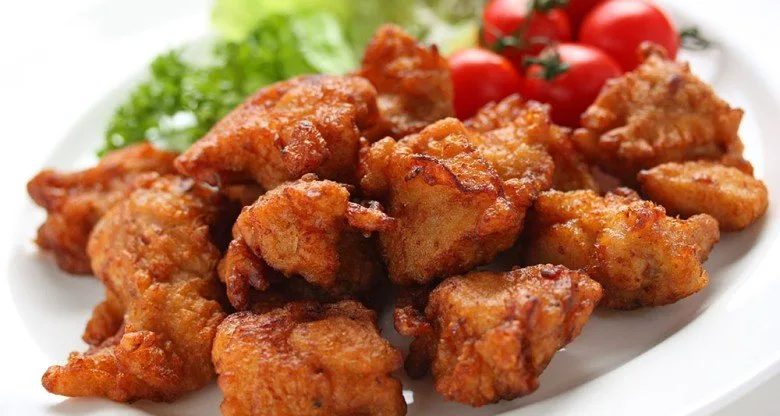
For more on Japanese food, the articles on karaage, takoyaki and the list of Japanese dishes offer more recipes and background.



Community
Comments
0 comments
There are no published comments in this language yet.
Send comment