
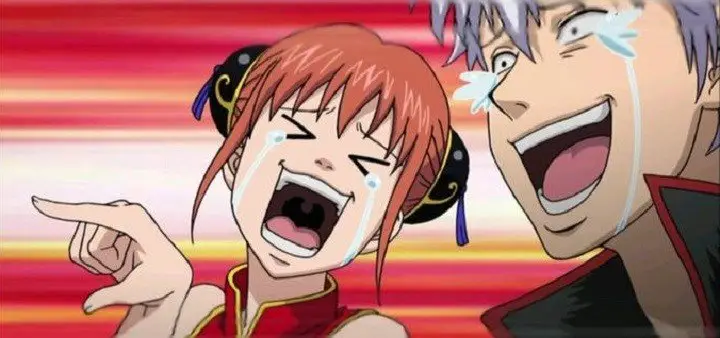
When Japanese people laugh online, they do not rely on a single equivalent of “lol”. Depending on the platform, the speaker and the tone of the message, you may see 笑, (笑), w, www, 草 and even full expressions such as ワロタ or 大草原. Each one suggests a slightly different mood.
The safest place to start is 笑, the kanji linked to laughter. In older blog posts, comments and mixed-age chats, (笑) works like a written chuckle. A single w is a shorter and lighter version. When people type several w's in a row, such as www or wwwww, the laugh feels stronger, faster or more chaotic.
That string of w also explains 草 (kusa, “grass”). A row of w's looks like blades of grass, so Japanese internet slang turned the image into a joke of its own. If you want to compare it with softer smiling expressions, it also helps to know the difference between laughter and a visible smile like niko niko.
Contents 8
The Kanji 笑, w, and 草 in Online Japanese
These are the forms you are most likely to meet on social media, forums, chat apps and stream comments:
- (笑) / 笑: the classic written laugh, common in blogs, comments and more neutral conversations.
- w: a quick casual laugh, close to a short “lol”.
- wwww: repeated laughter; more w's usually means a stronger reaction.
- 草: slangier laughter, common in fast-moving online spaces.
- 草生える / 大草原: exaggerated reactions used when something is absurdly funny.
- ワロタ / 爆笑: “I laughed” or “burst out laughing”, often used for emphasis.
Context matters. 笑 and (笑) are easier to use in public posts or casual work-friendly chats. 草 sounds more internet-native and can feel too slangy in formal situations. In fan communities, gaming chats and live comments, however, it is completely normal to see w, 草 and wwwww side by side.
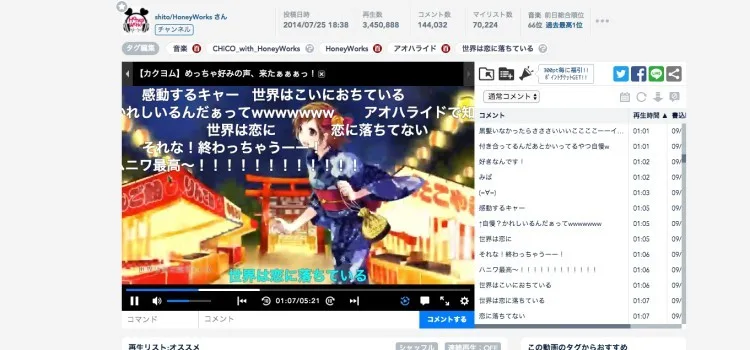
You will also notice laughter mixed with visual reactions. A message can end with 笑, but it can just as easily end with a kaomoji such as (≧▽≦) or (´∀`). If you want more examples of those text faces, take a look at our guide to Japanese kaomoji and emoticons.
Common Laughter Sounds in Manga, Anime, and Chat
Besides internet shorthand, Japanese also uses many written laughs based on sound. These appear in manga, subtitles, fan posts and everyday texting. They are not all interchangeable, because each one suggests a different kind of laugh.
ははは and あはは
ははは and あはは are straightforward open laughs. They feel natural, direct and easy to read. When you see them in dialogue, the speaker is simply laughing out loud without much hidden nuance.
ふふふ, へへへ, and ほほほ
ふふふ is softer and more restrained. Depending on the scene, it can sound elegant, pleased or slightly sly. へへへ often suggests embarrassment, self-consciousness or a goofy grin. ほほほ has an older, refined or theatrical flavor, the kind of laugh often given to a proud lady character.
ひひひ, くくく, and にやにや
ひひひ and くくく are the kinds of laughs that sound mischievous, secretive or villain-like. They work well when a character is plotting something or enjoying a private joke. にやにや is closer to a grin than a laugh, but it often appears in the same emotional territory.
げらげら, けらけら, and くすくす
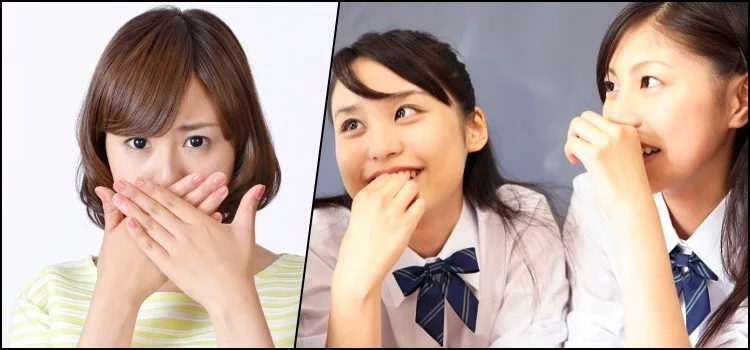
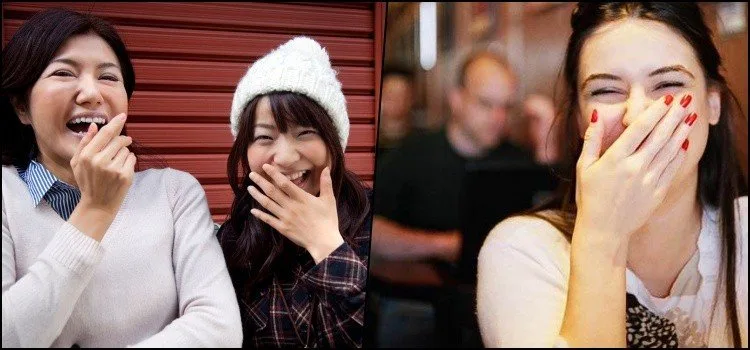
げらげら suggests loud, unrestrained laughter. けらけら is lighter and sharper, often used for carefree laughing. くすくす is a quiet giggle, the sort of laugh you would use for someone amused under their breath.
わはは, がはは, and 爆笑
わはは and がはは are big, boisterous laughs, often attached to bold or larger-than-life characters. 爆笑, literally “explosive laughter”, is used when the reaction is much stronger than a polite chuckle.
How to Read Japanese Online Laughter in Context
If you are reading a message for the first time, this quick rule usually works well: treat 笑 and w as the default written laughs, read 草 as more slangy and internet-heavy, and use the kana forms to judge the speaker's mood. The surrounding sentence matters more than any literal dictionary gloss.
This is one reason Japanese feels so expressive in writing. A tiny change in the laugh marker can make the line sound playful, sarcastic, shy, dramatic or genuinely warm. That flexibility also connects to other quirks of the language, as we explain in our article about peculiarities of Japanese.
If you remember only one shortcut, keep this one: 笑 is the classic written laugh, w is the quick online version, and 草 is what appears when the joke has fully entered internet slang territory.


Community
Comments
0 comments
There are no published comments in this language yet.
Send comment