
Japan’s bathrooms are famous for warm seats and bidet buttons — and for a different kind of reputation. Behind the stall door, schoolyards have spent decades telling stories about girls who answer when you knock, cloaked figures who force a deadly choice, and dirt-licking goblins that turn a clean toilet into a warning. The most famous of these bathroom ghosts still travel well beyond Japan, from whispered dares after class to manga and anime.
What follows is a guided walk through the legends that made Japanese toilets feel like the scariest room in the building — folklore yōkai on one side, modern urban myths on the other — and why that private, vulnerable space keeps producing the same chill.
Contents 14
Akaname: The Filth-Licking Goblin
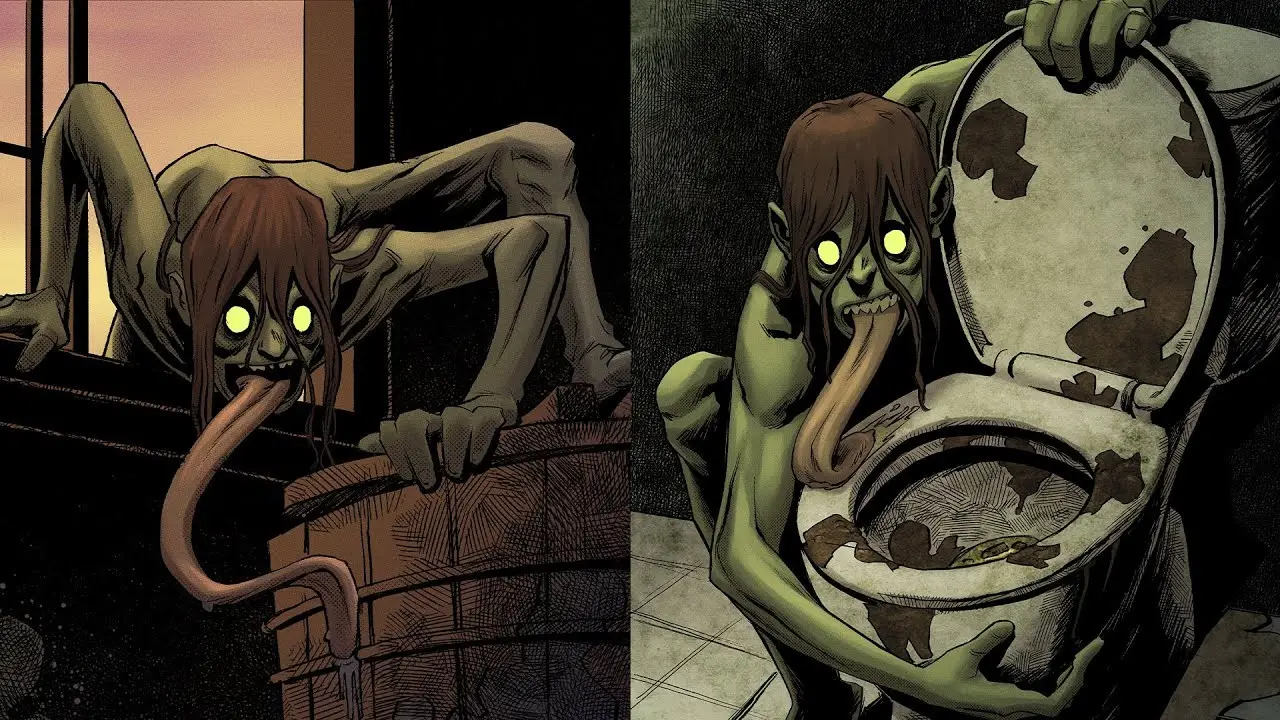
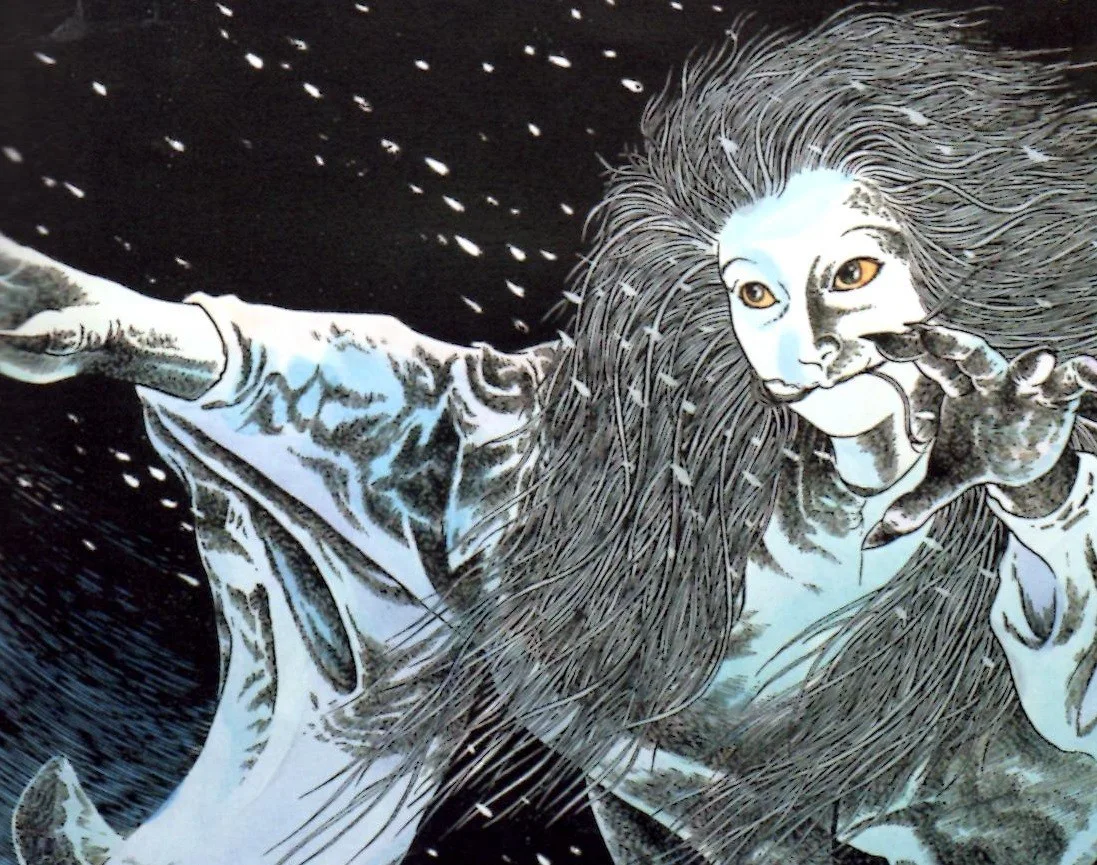
The Akaname (垢嘗, “filth licker”) is a classic bathroom yōkai rather than a modern school ghost. Folklore describes a small, hunched figure with greasy hair and a long, sticky tongue that lives where baths and toilets are left filthy — licking slime, mold, and grime the way a pest claims a neglected corner.
Unlike later urban legends that threaten you with a riddle, the Akaname’s lesson is almost domestic: keep the place clean enough that such a creature would rather live somewhere else. Tellings vary on how dangerous the tongue is, but the image sticks because it turns hygiene into a monster story — half comic, half uneasy, and very hard to forget once you have heard it in a quiet bathroom.
Hanako-san: Japan’s School Toilet Ghost
If one name defines Japanese bathroom ghosts, it is Toire no Hanako-san — Hanako of the toilet. Students say the spirit of a young girl haunts a school lavatory, often the third stall on the third floor. The summoning ritual is simple and cruelly effective as a dare: knock three times and ask, “Hanako-san, are you there?” In many versions she answers “Yes,” and that is when the story splits — a bloody hand, a pull into the toilet, or a sudden urge to run.
Her origin is not fixed. Some tellings place her as a child killed during a wartime air raid while hiding in the toilet during hide-and-seek; others speak of murder, bullying, or suicide. What stays constant is the setting: a girls’ bathroom, a closed stall, and a child-like presence that turns a school building into a stage for wartime memory and playground courage tests.
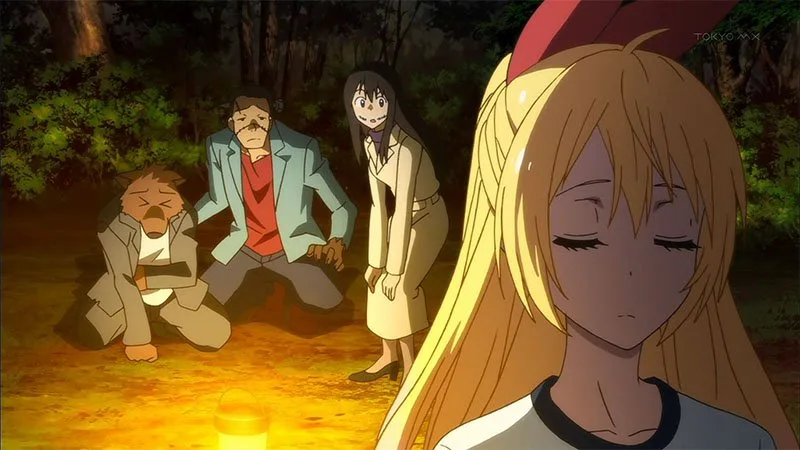
Most schoolyard versions cast Hanako as relatively mild compared with bloodier toilet spirits — until someone mocks her. Darker variants warn that disrespect can call something worse into the stall. Beyond oral legend, she has become a durable pop-culture figure, from Japanese horror films titled after her to the manga and anime series Toilet-Bound Hanako-kun, which reimagines the ghost for a new generation.
English speakers sometimes reach for distant cousins of the same fear — mirror dares like Bloody Mary, or any ghost said to answer when you call — but Hanako remains tied to the Japanese school corridor, the third floor, and the third door.
Aka Manto: The Red Cloak
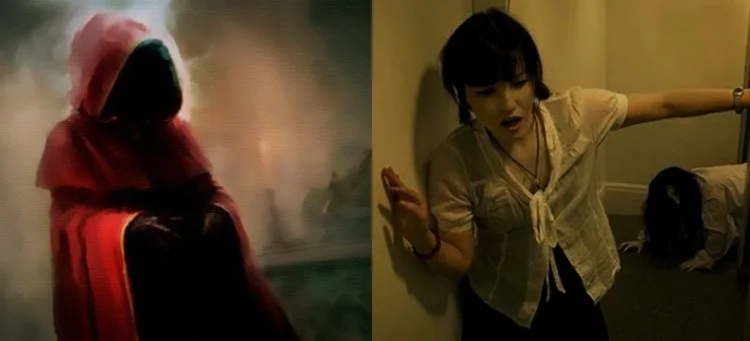
Among bathroom ghosts, Aka Manto (赤マント, “red cloak” or “red cape”) is one of the cruelest. A masked figure in red approaches someone on the toilet and offers a choice. Older school rumors already circulated by the 1930s; what “manto” looks like has shifted with the language, from a sleeveless jacket-like garment to a flowing cloak, but the trap is the same.
In some tellings the question is about a red or blue cloak (or cape). Choose red and you are cut so that blood soaks your clothes; choose blue and you are strangled or drained until your face turns blue. Other versions ask for red or blue toilet paper and end the same way. Trying to outsmart the spirit with a third color can go even worse — yellow sometimes means a head dunked in the bowl; other colors may mean being dragged toward the underworld. Many survival tips boil down to refusing both options politely and leaving, or simply not answering at all.
Kashima Reiko: The Spirit Who Asks About Her Legs
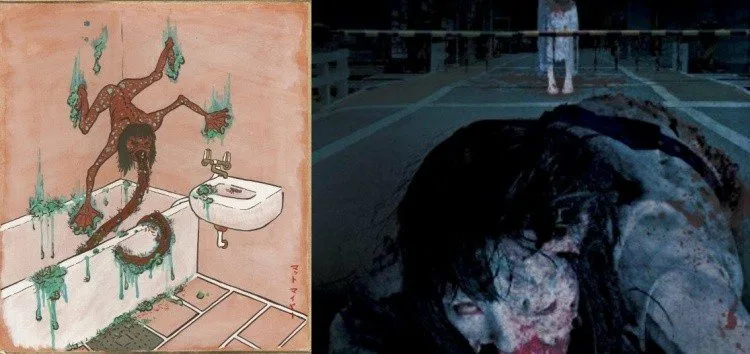
Kashima Reiko (often told as Kashima-san or related legless ghosts) is a tragic, vengeful figure. Versions differ, but a common thread is a woman who lost her legs — frequently in a train accident — and now appears in bathrooms or dark corridors asking, “Where are my legs?”
English retellings of the bathroom version often claim the safe answer is that they lie on the Meishin Expressway, sometimes followed by further questions that punish the wrong reply. Related stories blur into Teke Teke, another mutilated spirit associated with train tracks more than stalls. Treat these as living urban folklore: the “correct” password shifts by teller, and the fear is the quiz itself when you cannot stand up and run.
Akai Kami, Aoi Kami: Red Paper, Blue Paper
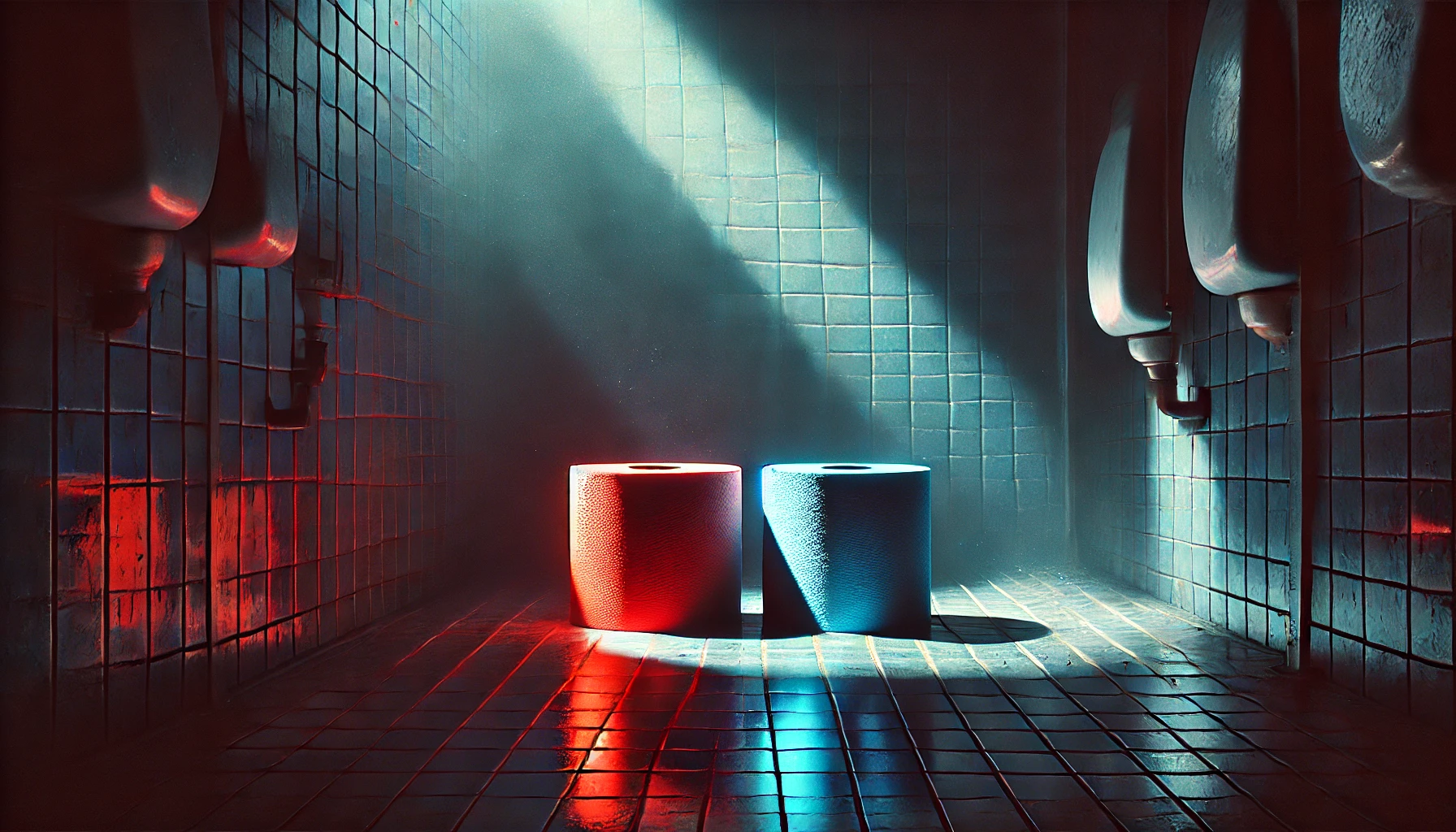
This school toilet legend turns a missing roll of paper into a fatal exam. A voice offers red or blue (sometimes framed as paper, sometimes as other paired colors). Classic outcomes:
- Choose red — blood, a slash, or a body left red with gore.
- Choose blue — strangulation or drained blood that leaves the face blue.
Other colors are rarely safer. Some versions say yellow means a humiliating dunk in the toilet; any creative third option can still end badly. Folklore collectors note that “red paper, blue paper” (赤い紙、青い紙) is an old schoolyard thread — in some regions older than the modern Hanako boom — and that it intertwines with Aka Manto and red/blue cloak variants. The shared engine is simple: a private room, a forced binary, and no good answer.
Shiro-uneri: The Dirty Cleaning Cloth
The Shiro-uneri appears in lesser tellings as a minor spirit of neglected bathrooms: an old cleaning cloth that has soaked up years of grime until it seems to move on its own, rubbing grotesquely against anyone who leaves the place filthy. Like the Akaname, it is less a serial killer of folklore and more a scolding — a story that makes mess feel haunted.
Kanashibari in the Toilet: Paralysis Where You Cannot Flee
Some stories claim certain bathrooms are cursed with kanashibari — the Japanese word often used for sleep paralysis, here told as if it can strike while you are awake and stuck on the toilet. The victim cannot move; a presence whispers or appears in the mirror. Abandoned schools and old buildings are favorite settings. Whether you read it as folklore of panic in a locked stall or as a cultural way to name that frozen fear, the image is hard to shake.
Other Minor Legends
Beyond the big names, school and city rumors keep inventing new occupants for the same tile floor. Treat the following as thinner, more local threads — the kind that survive because bathrooms stay private and stories travel fast.
Kurokami no Onna: The Woman with Black Hair
A woman with long black hair is said to appear in the mirrors of public bathrooms, especially in stations. Look too long and she may whisper secrets or beg help finding a child; ignore her or leave without answering and some versions promise a curse or a later accident. Mirror ghosts are a worldwide pattern; this one simply wears Japanese hair and station light.
Hidaruma: A Fire Spirit in Old Toilets
In a few circulating tellings, old school or temple bathrooms host a fire-wreathed figure called Hidaruma when candles are lit, forcing dangerous challenges. Documentation is thinner than for Hanako or Aka Manto — which itself is typical of school rumors that flare up, mutate, and die out.
Zōri-baki no Rei: The Slipper Ghost
Traditional Japanese bathrooms often use separate slippers at the threshold. One rumor says tossing those slippers carelessly invites a hunched spirit — sometimes called Zōri-baki no Rei — that makes people slip or lose their balance. Whether the name is widely fixed or not, the moral is pure etiquette: respect the bathroom rules, or the story invents a ghost to enforce them.
Benjo-gami: The Bathroom’s Protective Spirit
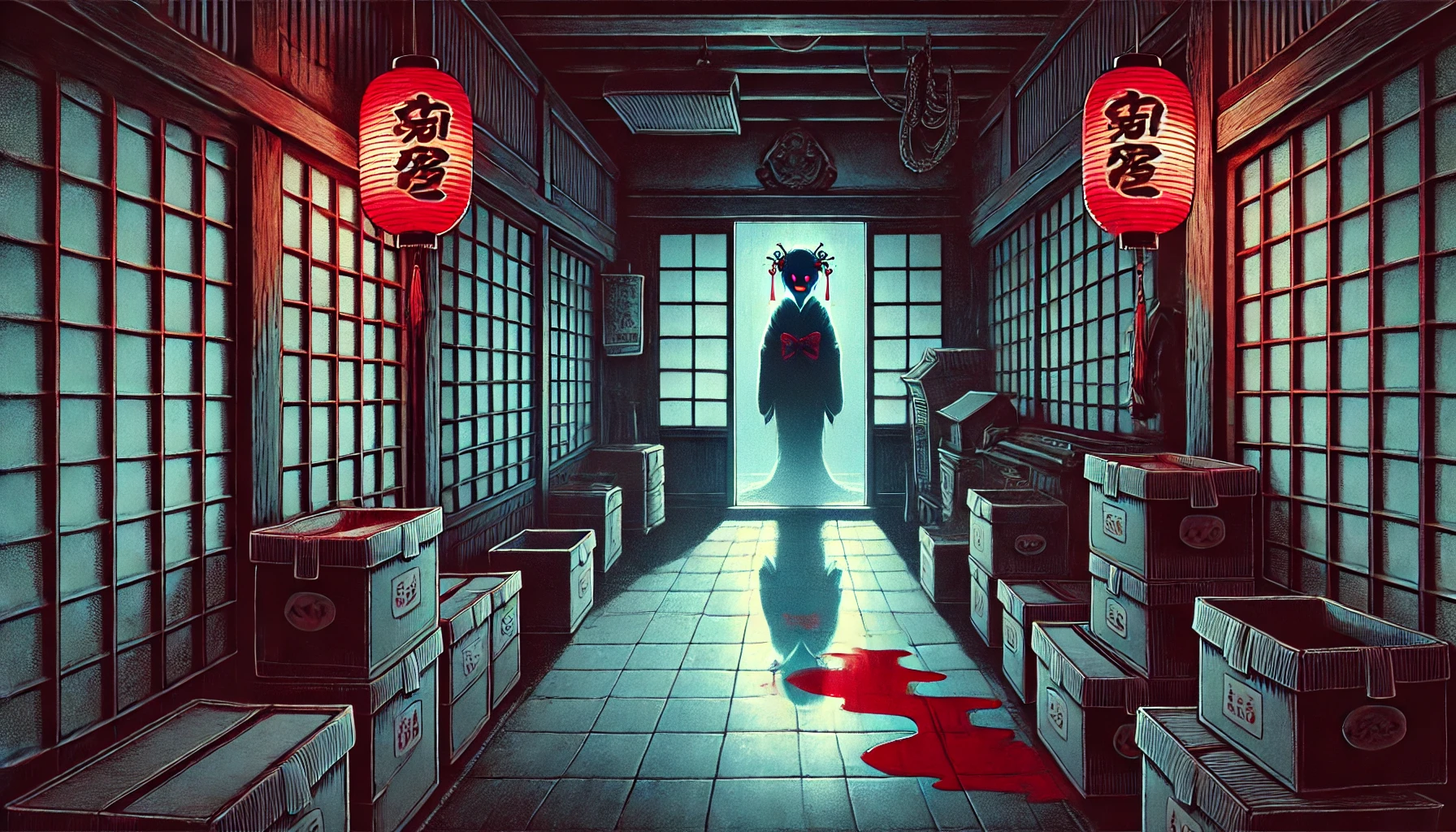
Not every bathroom spirit is out to flay you. Some regional folklore speaks of a Benjo-gami (便所神) — a toilet-associated kami or protective presence linked to cleanliness, health, or household fortune. Neglect or disrespect can turn the relationship sour; care keeps luck on your side. It is a useful counterweight to pure horror: Japanese toilet lore also knows reverence, not only scream dares.
The Endless Toilet Paper Trap
A lighter school building rumor claims that, in a haunted stall, the paper roll never ends — it keeps unspooling while a distant laugh echoes. Escape, the story says, means leaving without finishing the ordinary business of the room. Absurd, sticky, and perfect for scaring younger students after club practice.
Why bathrooms became Japan’s horror stage
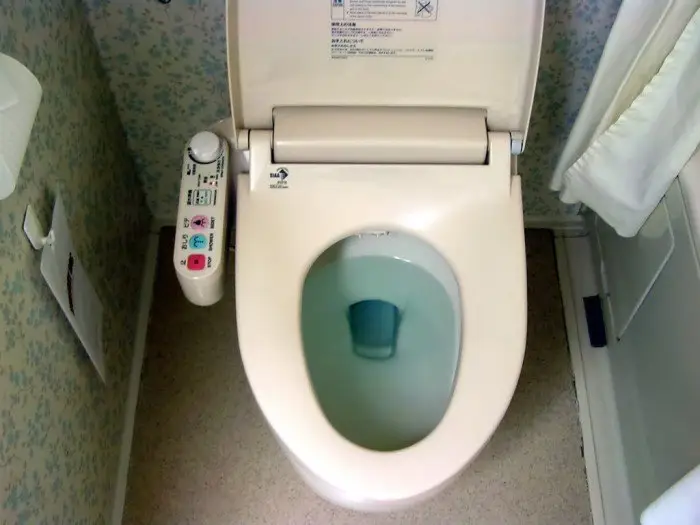
These legends work because bathrooms combine privacy, vulnerability, and a door that locks. Add school hierarchies, wartime memory, hygiene rules, and the Japanese gift for turning ordinary places into stages for yōkai and urban myths, and the stall becomes a perfect theater. High-tech Japanese toilets did not erase the fear — they just sit next to it, warm seat and all.
Whether you meet them as folklore, as a dare in an empty corridor, or as characters on a screen, bathroom ghosts keep reminding readers of the same quiet fact: the scariest room is often the one where nobody can see you, and where someone might answer when you knock.

Community
Comments
0 comments
There are no published comments in this language yet.
Send comment