

Japan has onsen towns for almost every kind of trip: a quick escape from Tokyo, a stay in a traditional ryokan, a walk through a steaming volcanic valley, or an afternoon in a quieter mountain town. This guide gathers seven memorable places to experience a Japanese onsen, each with a different setting and reason to go.
An onsen is a natural hot spring, but the experience changes from place to place. Some towns are built around public bathhouses; others are best enjoyed by staying overnight at a ryokan. Before choosing one, check the facility's current rules, opening times, tattoo policy, and whether day visitors are accepted. In most traditional baths, visitors wash before entering the water and do not wear swimwear in the communal bathing area.
Contents 8
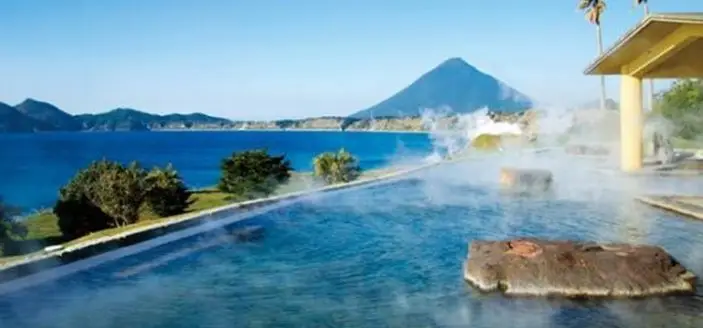
Ibusuki Onsen: volcanic sand baths in Kagoshima
Ibusuki Onsen (指宿温泉), on the Satsuma Peninsula in Kagoshima Prefecture, is known for sunamushi, a hot-sand bath. Instead of starting in a pool, visitors lie down on the beach and are covered in naturally heated volcanic sand while wearing a light yukata.
That is what makes Ibusuki a strong choice for travelers who want an onsen experience that feels distinctly local. Plan the sand bath as the main event, then leave time for a regular bath, a footbath, or a slow walk along the coast. Heat can feel intense, so follow the staff's guidance and step out when you need to.
Nishiyama Onsen Keiunkan: a historic ryokan stay
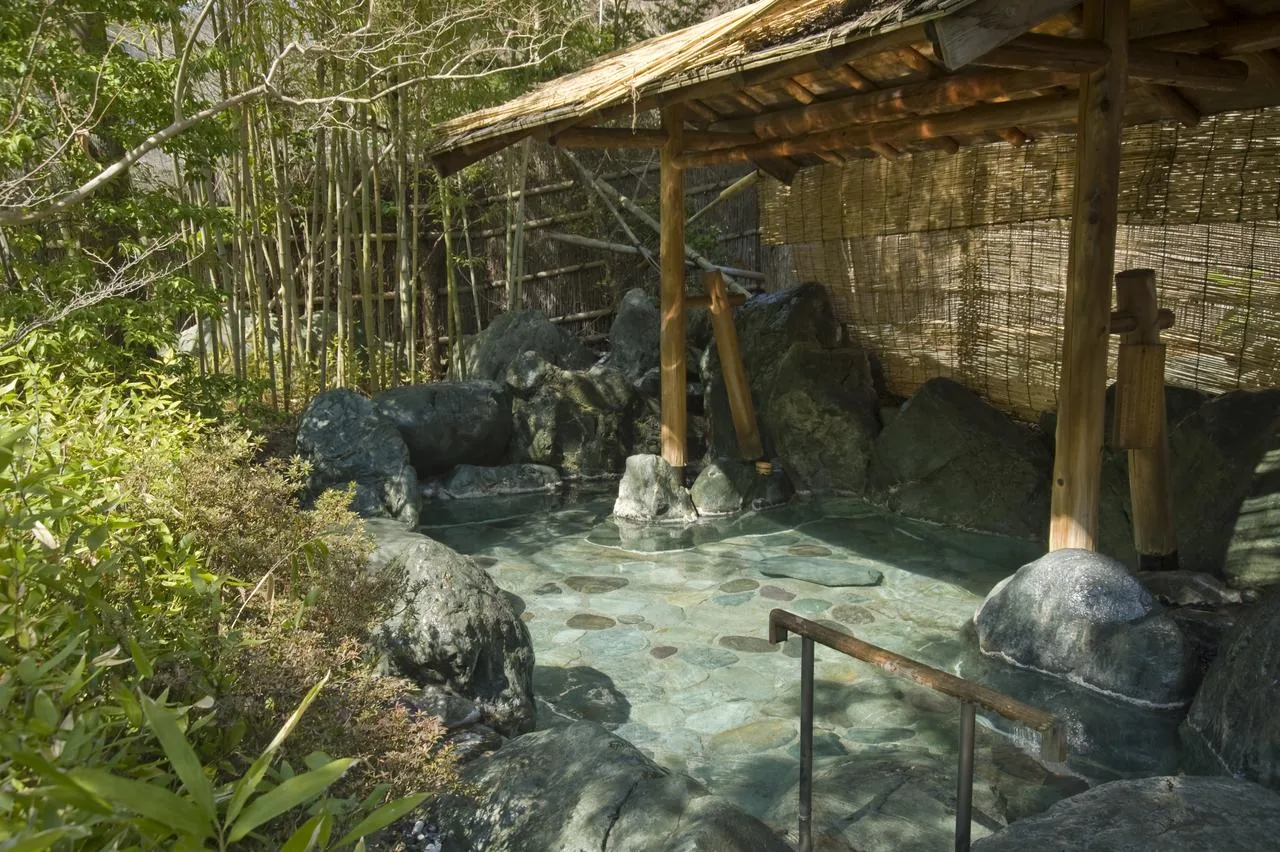
Nishiyama Onsen Keiunkan in Hayakawa, Yamanashi Prefecture, is a historic hot-spring inn rather than a resort town to browse in an afternoon. Its appeal is the rhythm of a ryokan stay: settle in, bathe, eat, and let the mountain setting do the work.
This is a good fit when the accommodation itself is part of the journey. Book well ahead, read the room and bath details carefully, and treat the trip as an overnight stop instead of trying to squeeze it between larger destinations. A private bath may suit travelers who prefer more privacy, but availability depends on the room and the inn's current arrangements.
Kusatsu Onsen: Yubatake and steaming town streets
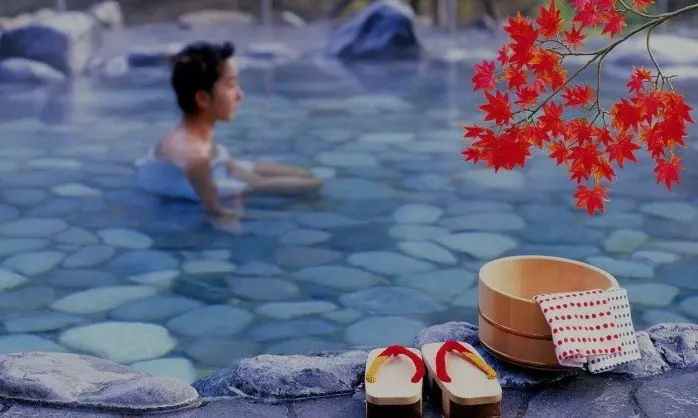
Kusatsu Onsen in Gunma is one of Japan's best-known hot-spring towns. Its center is the Yubatake, or “hot-water field,” where mineral water flows through a wooden network before being distributed around town. The sight, sound, and smell of the springs are part of the visit, even before you enter a bath.
Kusatsu works well for travelers who want a compact town with several ways to bathe. You can choose a public bathhouse, stay at a ryokan, or stop at a footbath between shops and cafés. The water is notably hot and acidic, so take the first soak slowly rather than treating it like a long spa session.
Hakone: an onsen escape from Tokyo
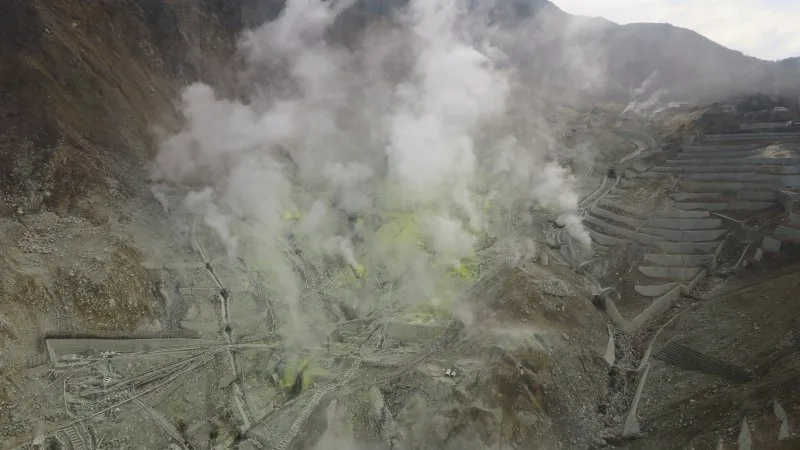
Hakone is a practical choice when Tokyo is the base for your trip. The region has hot springs across several valleys and neighborhoods, with Hakone-Yumoto often serving as the easiest entry point. It is not one single bath; it is an area where ryokan, public facilities, museums, Lake Ashi, and mountain transport can share the same itinerary.
Choose Hakone if you want flexibility. A day visit can work, but an overnight stay gives you more time to use the bath without rushing. Some ryokan welcome non-staying guests during the day, while others reserve their baths for overnight visitors, so confirm before traveling. For a broader Tokyo plan, see our Tokyo neighborhood guide.
Beppu: variety in one Kyushu city
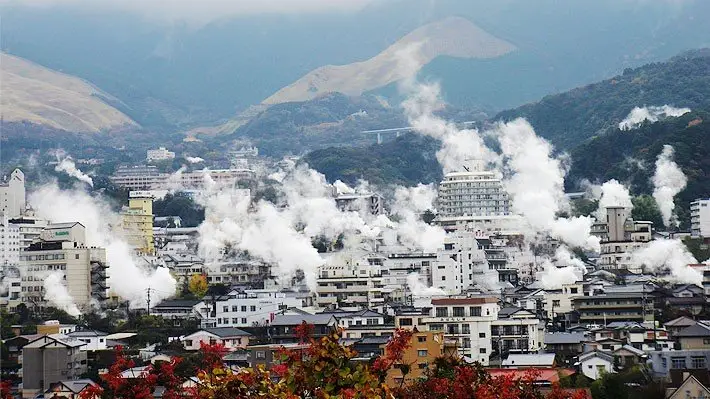
Beppu, in Oita Prefecture, is for travelers who want to see how many forms a hot-spring town can take. The city is associated with conventional baths as well as steam, mud, and sand bathing. Its eight main hot-spring areas are collectively called Beppu Hatto.
The Hells of Beppu (Jigoku Meguri) are a separate sightseeing experience: dramatic geothermal pools to look at, not pools for bathing. Pair that walk with a bath at a facility intended for visitors. Beppu is especially rewarding when you give it time; one attraction-packed afternoon and one unhurried soak make a better combination than trying to race through every stop.
Yufuin: a slower town beneath Mount Yufu
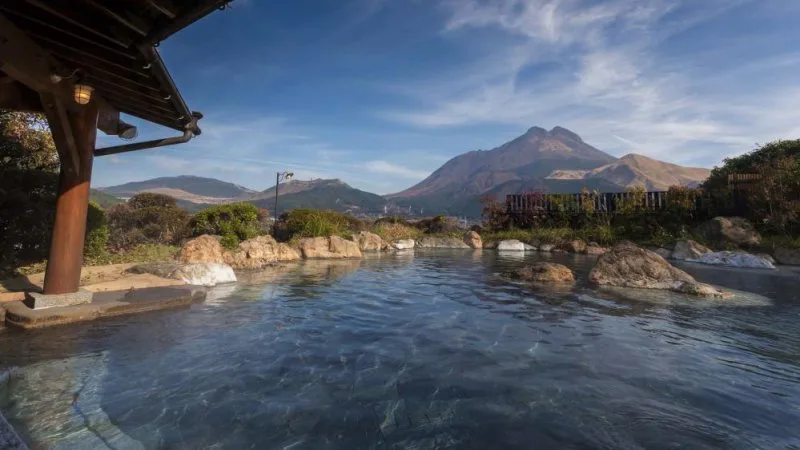
Yufuin sits inland from Beppu, with Mount Yufu in view and a more leisurely town atmosphere. It is often chosen by travelers who want cafés, small shops, galleries, and a ryokan stay to matter as much as the bath itself.
Yufuin is a better match for an unhurried overnight than for ticking off attractions. Walk around the town during the day, then return to the inn for the bath and dinner. If you are deciding between Beppu and Yufuin, pick Beppu for breadth and geothermal spectacle; pick Yufuin for a quieter base and a slower pace.
Noboribetsu: Hokkaido's volcanic onsen resort
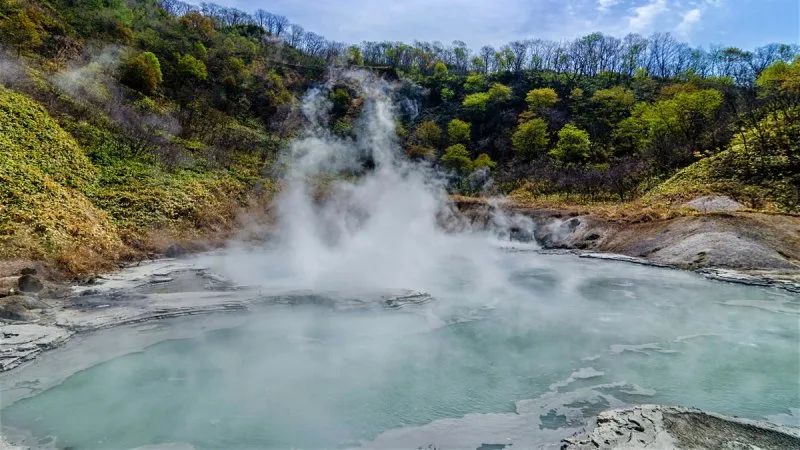
Noboribetsu Onsen is one of Hokkaido's most recognized hot-spring destinations. The volcanic landscape of Jigokudani, or Hell Valley, explains the steam and mineral-rich water that shape the area. It is a compelling stop for travelers combining Sapporo, Lake Toya, or other parts of southern Hokkaido.
Many of the bathing options are attached to large ryokan and hotels, and some offer daytime admission. The water types can differ from one bath to another, so read the facility information instead of assuming every pool is the same. After the bath, walk the town or head toward Hell Valley; the contrast between a calm soak and the volcanic scenery is the point of the visit.
How to choose an onsen town
Choose Ibusuki for its sand bath, Kusatsu for a classic walkable onsen town, Hakone for easy access from Tokyo, Beppu for range, Yufuin for a slower stay, Noboribetsu for volcanic Hokkaido scenery, and Nishiyama Onsen Keiunkan when the ryokan itself is your destination.
Whichever town you choose, reserve accommodation early for weekends and busy travel seasons, carry a small towel for washing, and check the bathhouse rules on the day of your visit. A good onsen stop is less about crossing off the most famous name and more about choosing the setting that fits the rest of your route.



Community
Comments
0 comments
There are no published comments in this language yet.
Send comment