

Nara is a city rich in history, culture, and natural beauty in Nara Prefecture, in Japan's Kansai region. Known for the friendly deer that roam freely through the streets, it is a destination with a calm atmosphere and plenty to see. This article highlights the main sights of a city that became Japan's first capital during the Nara period (710-794).
Contents 13
History and curiosities about Nara
Nara has a major place in Japan's early imperial history. During the Nara period, it became the country's first permanent capital, an important step in cultural and political development. Before that, the court changed location with each new emperor, partly under Shinto traditions. Many of the temples and monuments that define the city today began to take shape in this period.
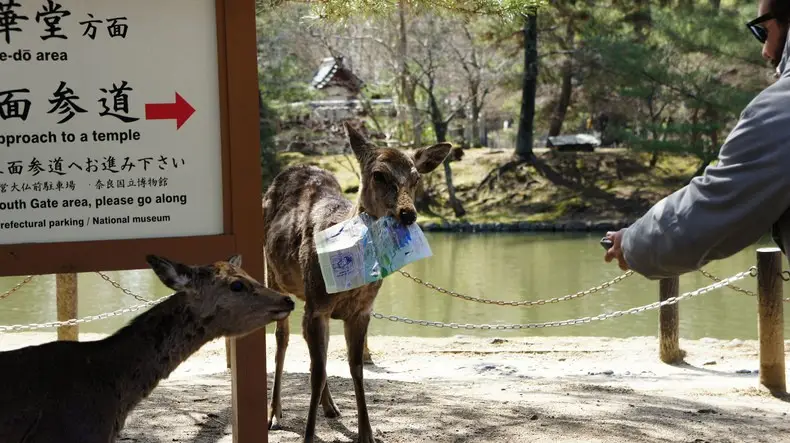
Additionally, Nara is famous for its sacred deer, which are considered messengers of the gods in Shinto. Today, these animals are a symbol of the city and live alongside residents and visitors.
Key numbers and facts about Nara:
- Population: About 368,000 inhabitants.
- Nara Park area: 502 hectares.
- Capital period: 710-794 (before the Heian period).
Nara Park
The Nara Park is the heart of the city and houses many attractions, including temples, museums, and gardens. More than 1,400 deer live in the park, and they are as much a part of the local experience as the historical monuments. Visitors can buy senbei (special crackers) to feed the deer, who often bow politely when they want food.
In addition, the park offers beautiful views of Mount Wakakusa, a popular place for walks and hikes. In January, the famous Wakakusa Yamayaki festival takes place, when the mountain is set on fire in a traditional ceremony.
Charming gardens in Nara
Isuien Garden
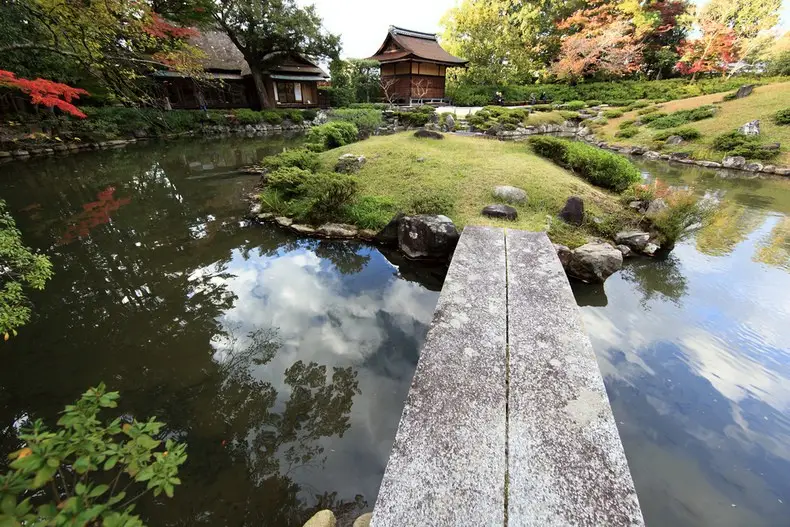
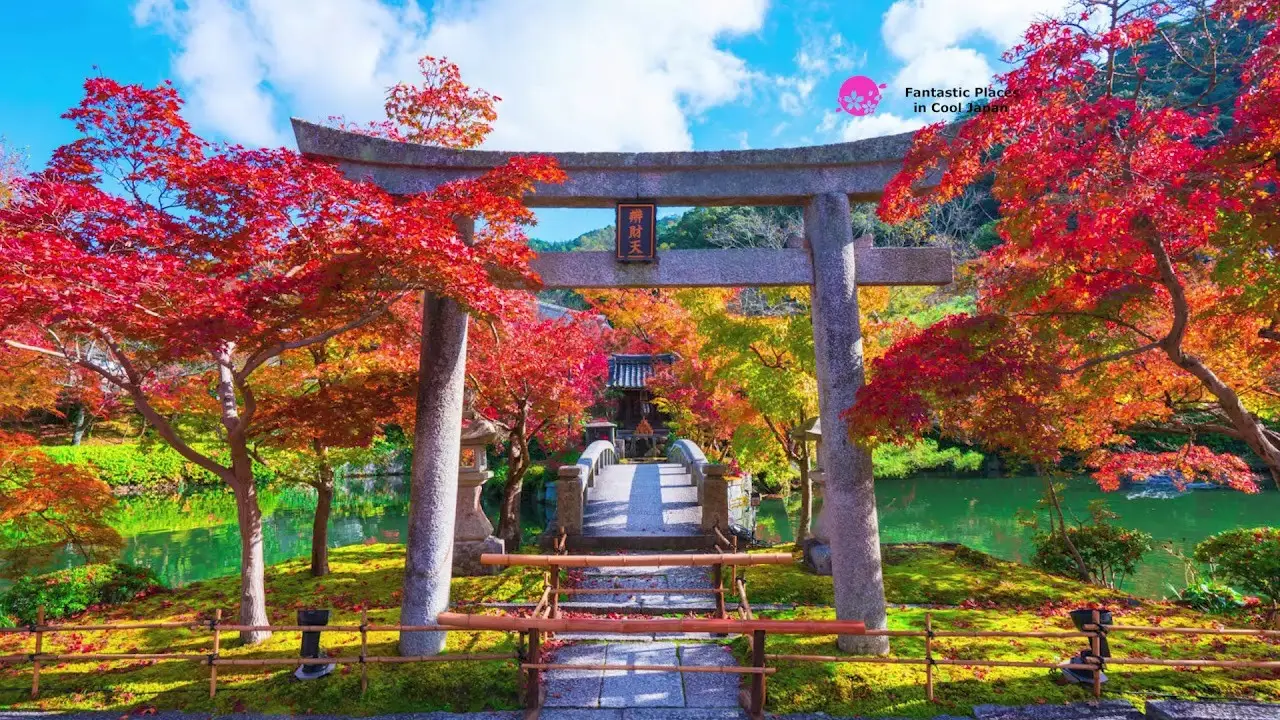
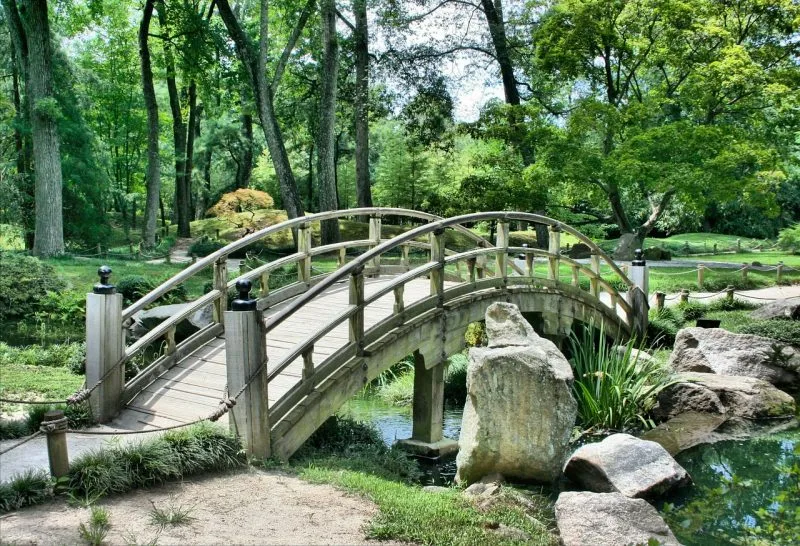
The Isuien Garden is a combination of two gardens created in the 17th and 19th centuries. With traditional tea houses and a design that reflects Japanese aesthetics, it is a perfect place to relax. The carefully planned landscapes include ponds, bridges, and views of the surrounding temples.
Yoshikien Garden
The Yoshikien Garden features three different styles of Japanese gardening: the moss garden, the seasonal flower garden, and the tea garden. Located near Isuien, this garden offers a peaceful retreat, especially since it is less crowded than other attractions in the city.
Temples and shrines of Nara
Todaiji Temple
The Tōdai-ji is one of the largest architectural works in Japan and houses the famous Great Buddha of Nara (Daibutsu). This bronze statue is 15 meters tall and is one of the largest Buddha representations in the world. The temple itself was once considered the largest wooden building on the planet, reflecting the grandeur of the Nara period.
Horyuji Temple
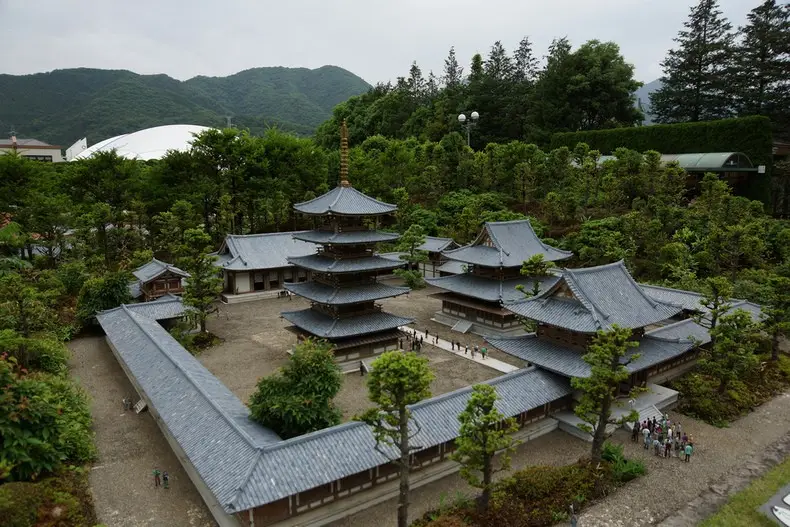
The Hōryū-ji is the oldest wooden structure still standing in the world. Founded in 594, this temple is a UNESCO World Heritage Site and a living example of Buddhist architecture and spirituality.
Kasuga Taisha
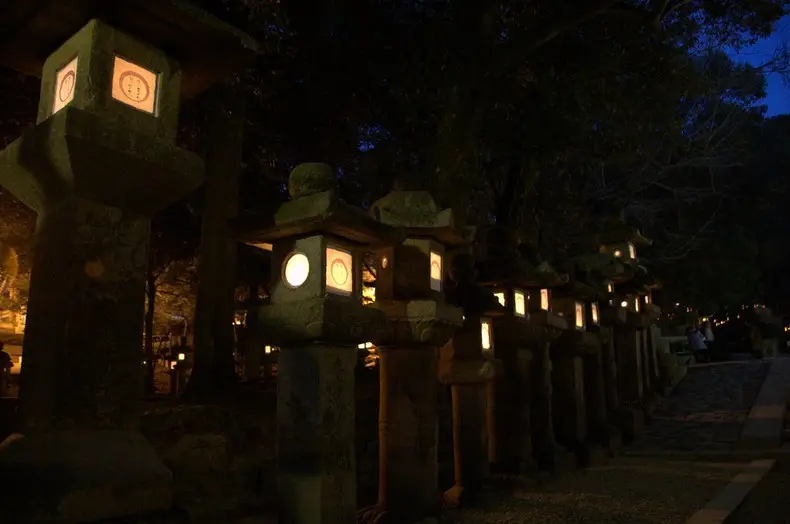
The Kasuga Taisha is a Shinto shrine famous for its more than 3,000 stone and bronze lanterns. During the Setsubun Mantoro festival, held in February, all the lanterns are lit, creating a magical atmosphere. The shrine is surrounded by a sacred forest that is also home to many deer.
Festivals and cultural events
Nara hosts several traditional festivals that reflect the city's vibrant culture and traditions:
- Omizutori Festival (early March): Buddhist ceremony at Tōdai-ji, where large torches are lit in a purification ritual.
- Setsubun Mantoro (February 3): Lighting of the lanterns at Kasuga Taisha to mark the beginning of spring.
- Wakakusa Yamayaki (January 24): Ritual burning of Mount Wakakusa, a tradition that dates back to land disputes in the 18th century.
Tips for visiting Nara
A visit to Nara is an unforgettable experience, and its proximity to cities like Osaka and Kyoto makes it even easier to reach. Here are a few tips to make the most of your trip:
- Set aside a full day: There is plenty to explore, from the deer in the park to the temples and gardens.
- Be careful around the deer: Although friendly, they can be persistent when it comes to food.
- Visit during festivals: The celebrations add to the cultural experience and reveal unique traditions.
Conclusion
Nara is a destination that combines history, nature, and spirituality in a unique way. From the grand temples to the deer that roam freely, every detail of the city offers a glimpse into the cultural heart of Japan. Add Nara to your itinerary when visiting Kansai and get ready to be charmed by this historic city.



Community
Comments
0 comments
There are no published comments in this language yet.
Send comment