

Airport signs, immigration windows, and ATM screens still throw a wall of kanji at you even when staff switch to English. A short list of the right Japanese words for travel and banking turns that noise into labels you can actually read.
This page gathers more than 100 practical terms — passport and visa language, Narita and taxis, then bank counters, transfers, cash, and cards — so you can jot them down, drop them into Anki, or keep them open offline while you move through Japan.
If you still need entry paperwork, start with how to get a tourist visa for Japan. For money on the ground, pair this list with our notes on credit cards in Japan.

It also complements the broader tourist word guide and the airport-and-immigration walkthrough:
Japanese words for tourists: useful travel phrases
Traveling to Japan — airport and immigration
Essential vocabulary — airport, tourism, and travel
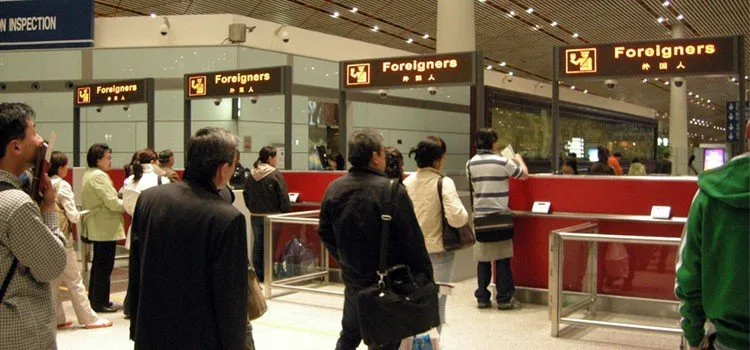
These are the labels you meet from check-in to passport control: tourist, flight, visa types, immigration office, customs, ticket, taxi, and station. Kanji first, then reading and a plain English gloss.
- 観光客 (かんこうきゃく, kankoukyaku) = Tourist.
- 観光 (かんこう, kankou) = Tourism.
- 旅 (たび, tabi) = Trip, journey.
- 旅行 (りょこう, ryokou) = Travel.
- 旅行する (りょこうする, ryokou suru) = To travel.
- 飛行機 (ひこうき, hikouki) = Airplane.
- 飛行 (ひこう, hikou) = Flight.
- 便名 (びんめい, binmei) = Flight number.
- パスポート (pasupooto) = Passport.
- 旅券 (りょけん, ryoken) = Passport.
- 一般旅券 (いっぱんりょけん, ippan ryoken) = Ordinary passport.
- 公用旅券 (こうようりょけん, kouyou ryoken) = Official passport.
- 外交旅券 (がいこうりょけん, gaikou ryoken) = Diplomatic passport.
- 緊急旅券 (きんきゅうりょけん, kinkyuu ryoken) = Emergency passport.
- ビザ (びざ, biza) = Visa.
- 査証 (さしょう, sashou) = Visa.
- 日本国査証 (にっぽんこくさしょう / にほんこくさしょう, nippon koku sashou / nihon koku sashou) = Japanese visa.
- 観光ビザ (かんこうびざ, kankou biza) = Tourist visa.
- 通過査証 (つうかさしょう, tsuuka sashou) = Transit visa.
- 就労ビザ (しゅうろうびざ, shuurou biza) = Work visa.
- 就業査証 (しゅうぎょうびざ, shuugyou biza) = Business / work visa.
- 外交査証 (がいこうさしょう, gaikou sashou) = Diplomatic visa.
- 一般査証 (いっぱんさしょう, ippan sashou) = Ordinary visa.
- 短期滞在査証 (たんきたいざいさしょう, tanki taizai sashou) = Short-term stay visa.
- 特定査証 (とくていさしょう, tokutei sashou) = Special (specific) visa.
- 公用査証 (こうようさしょう, kouyou sashou) = Official visa.
- 帰化 (きか, kika) = Naturalization.
- 申請 (しんせい, shinsei) = Application, request (visa, passport, naturalization, and similar forms).
- 入国管理局 (にゅうこくかんりきょく, nyuukoku kanri kyoku) = Immigration office.
- 入管 (にゅうかん, nyuukan) = Immigration office (short form).
- 税関 (ぜいかん, zeikan) = Customs.
- 空港 (くうこう, kuukou) = Airport.
- 大使館 (たいしかん, taishikan) = Embassy.
- 領事館 (りょうじかん, ryoujikan) = Consulate.
- 長期滞在 (ちょうきたいざい, chouki taizai) = Long stay.
- 短期滞在 (たんきたいざい, tanki taizai) = Short stay.
- 入国審査 (にゅうこくしんさ, nyuukoku shinsa) = Immigration inspection.
- 出入国管理 (しゅつにゅうこくかんり, shutsunyuukoku kanri) = Immigration and emigration control.
- 航空券 (こうくうけん, koukuuken) = Air ticket.
- 成田空港 (なりたくうこう, narita kuukou) = Narita Airport.
- タクシー (takushii) = Taxi.
- 駅 (えき, eki) = Station.
- 空車 (くうしゃ, kuusha) = Empty taxi (vacant vehicle light).
- 運転席 (うんてんせき, untenseki) = Driver's seat.
- 助手席 (じょしゅせき, joshuseki) = Passenger seat (front).
- 渡航制限 (とこうせいげん, tokou seigen) = Travel restrictions.
Essential vocabulary — banking transactions
Even when a bank ATM offers an English menu, the counter, passbook, and paper forms still use these words. Withdrawal, deposit, transfer, hanko, fees, exchange, cash, and card language sit here side by side.
- 引き出す (ひきだす, hikidasu) = To withdraw (money).
- 下ろす (おろす, orosu) = To take out (money).
- 振り込む (ふりこむ, furikomu) = To transfer (money).
- 預金する (よきんする, yokin suru) = To deposit (money).
- 換金する (かんきんする, kankin suru) = To cash / convert to cash.
- 限度額 (げんどがく, gendogaku) = Limit (maximum amount for withdrawal or deposit).
- 紙幣 (しへい, shihei) = Banknote (bill).
- 硬貨 (こうか, kouka) = Coin.
- 金銭 (きんせん, kinsen) = Money.
- お金 (おかね, okane) = Money.
- 外貨 (がいか, gaika) = Foreign currency.
- 小切手 (こぎって, kogitte) = Check / cheque.
- はんこ (hanko) = Stamp / personal seal (everyday word).
- 印鑑 (いんかん, inkan) = Seal (formal).
- 通帳 (つうちょう, tsuuchou) = Bankbook / passbook.
- 貯蓄 (ちょちく, chochiku) = Savings.
- 当座 (とうざ, touza) = Checking / current account (short form).
- 振替 (ふりかえ, furikae) = Transfer (account transfer / debit).
- 預金口座 (よきんこうざ, yokin kouza) = Bank / deposit account.
- 銀行 (ぎんこう, ginkou) = Bank.
- 口座 (こうざ, kouza) = Account.
- 振り込み (ふりこみ, furikomi) = Transfer (noun).
- 他行 (たこう, takou) = Other bank.
- あて名 (あてな, atena) = Addressee / payee name.
- 差出人 (さしだしにん, sashidashinin) = Sender.
- 窓口 (まどぐち, madoguchi) = Counter / teller window.
- 送金する (そうきんする, soukin suru) = To send money / remit.
- 手数料 (てすうりょう, tesuuryou) = Fee, commission.
- 送料 (そうりょう, souryou) = Shipping fee.
- 仕送り (しおくり, shiokuri) = Remittance / allowance (money sent home).
- 支払う (しはらう, shiharau) = To pay.
- 払い戻し (はらいもどし, haraimodoshi) = Refund.
- 借金 (しゃっきん, shakkin) = Debt.
- 借金をする (しゃっきんをする, shakkin wo suru) = To borrow money / incur debt.
- 交通費 (こうつうひ, koutsuuhi) = Transportation cost.
- 割り勘にする (わりかんにする, warikan ni suru) = To split the bill.
- 請求書 (せいきゅうしょ, seikyuusho) = Invoice / bill.
- 生活費 (せいかつひ, seikatsuhi) = Cost of living / living expenses.
- 節約する (せつやくする, setsuyaku suru) = To save / economize.
- 勘定を済ませる (かんじょうをすませる, kanjou wo sumaseru) = To settle the bill.
- 領収書 (りょうしゅうしょ, ryoushuushou) = Receipt (formal).
- レシート (reshiito) = Receipt (everyday).
- むだづかいをする (mudazukai wo suru) = To waste money.
- 費用が掛かる (ひようがかかる, hiyou ga kakaru) = To cost / incur expenses.
- お釣り (おつり, otsuri) = Change (money returned).
- お問い合わせ (おといあわせ, otoiawase) = Inquiry.
- 無駄を省く (むだをはぶく, muda wo habuku) = To cut waste / eliminate waste.
- 貯金する (ちょきんする, chokin suru) = To save money.
- 現金で払う (げんきんではらう, genkin de harau) = To pay in cash.
- カードで払う (かーどではらう, kaado de harau) = To pay by card.
- カード挿入口 (かーどそうにゅうぐち, kaado sounyuuguchi) = Card slot.
- キーパッド (kiipaddo) = Keypad (ATM).
- 両替 (りょうがえ, ryougae) = Currency exchange.
- 換算率 (かんさんりつ, kansan ritsu) = Exchange rate.
- 支店長 (してんちょう, shitenchou) = Bank branch manager.
- 署名 (しょめい, shomei) = Signature.
- カウンター (kauntaa) = Counter.
Keep the travel block for the journey in, and the banking block for the moments when cash, cards, and counters still matter. A few of these words on a phone note or paper slip can save a long stare at a form you cannot yet read.





Community
Comments
0 comments
There are no published comments in this language yet.
Send comment