
Japan is known for its many earthquakes and tsunamis. Most of the time, nothing dramatic happens, but history includes a handful of disasters that took a massive toll on lives and entire cities. In this article, we look at the ten worst earthquakes in Japan's history.
The death tolls in historical records vary by source. For very old events, they are often estimates rather than exact counts.
Contents 10
The Great Kanto Earthquake
1923 ~142,800 deaths / magnitude 7.9
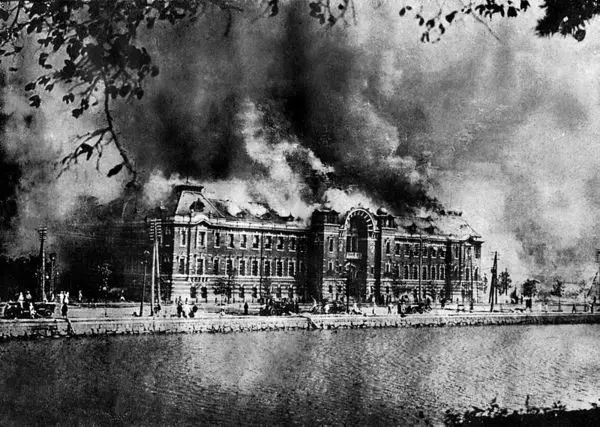
On September 1, 1923, at 11:58, an earthquake of magnitude 7.9 struck Oshima Island in Sagami, near Yokohama and Tokyo. Incredibly, the earthquake lasted more than four minutes. It sparked massive fires, since many people were cooking at the time.
Along with the huge death toll, more than 2 million people were left homeless. The fires caused far more deaths than the earthquake itself. As a result, September 1 was designated as Disaster Prevention Day in Japan (Bousai no Hi).
The Meiō Nankai Earthquake
1498 ~31,000 deaths / magnitude 8.6
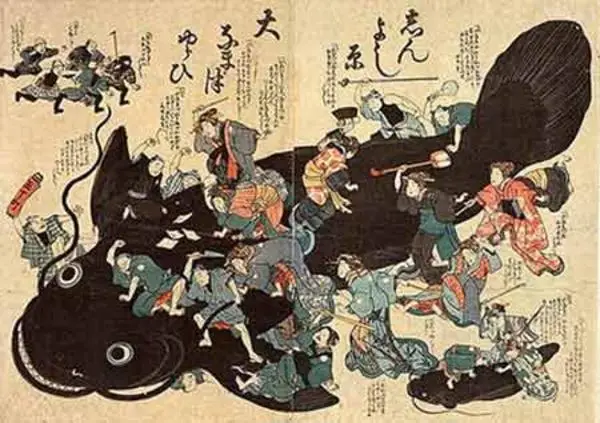
An earthquake of magnitude 8.6 struck the southern coast of Honshu, near Shikoku, on September 20, 1498. It triggered a huge tsunami that may have killed up to 31,000 people. In Japanese mythology, it is sometimes blamed on the giant catfish Namazu, which is said to cause earthquakes.
The Kamakura Earthquake
1293 ~23,024 deaths / magnitude 7.1
At around 6:00 AM on May 27, 1293, an earthquake of magnitude 7.1 struck the city of Kamakura. A tsunami also hit the region and killed more than 20,000 people.
The Tohoku Earthquake
2011 ~16,000 to 29,000 deaths / magnitude 9.0
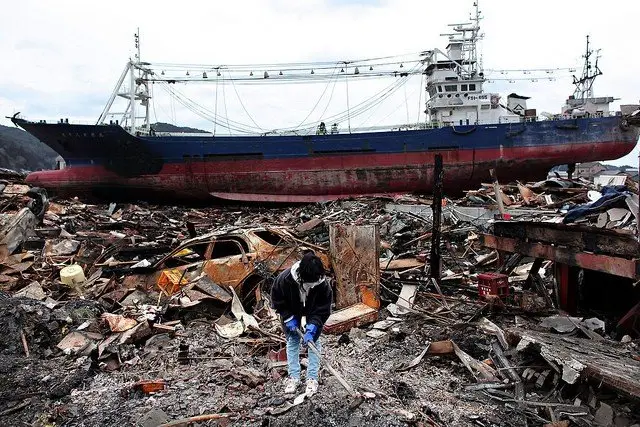
The extremely powerful earthquake of March 11, 2011, triggered a tsunami that reached up to 40 meters high and caused the deaths of more than 16,000 people. It also led to a severe nuclear disaster at the Fukushima Daiichi plant. The health and environmental effects are still not fully understood.
The Meiji-Sanriku Earthquake
1896 ~22,066 deaths / magnitude 7.2
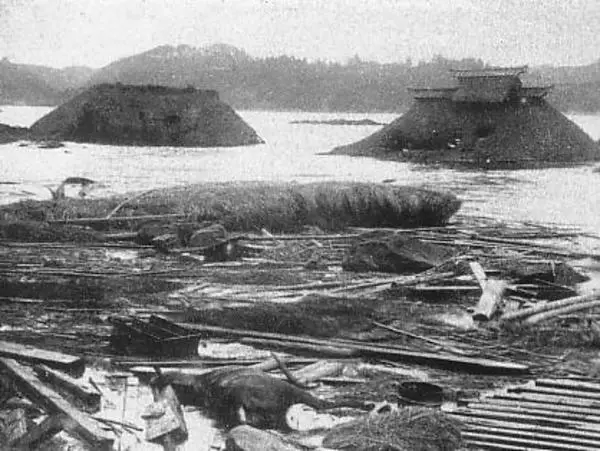
At 7:32 PM on June 15, 1896, an earthquake of magnitude 7.2 struck the coast of Tohoku. People nearby barely felt the shaking and did not worry at first. About 35 minutes later, the coasts of Iwate and Miyagi were hit by a massive tsunami reaching up to 38.2 meters high. More than 9,000 houses were destroyed and 22,066 people lost their lives. The event later became a grim comparison point for the Tohoku earthquake of 2011.
The Unzen Earthquake
1792 ~15,448 deaths / magnitude 6.4
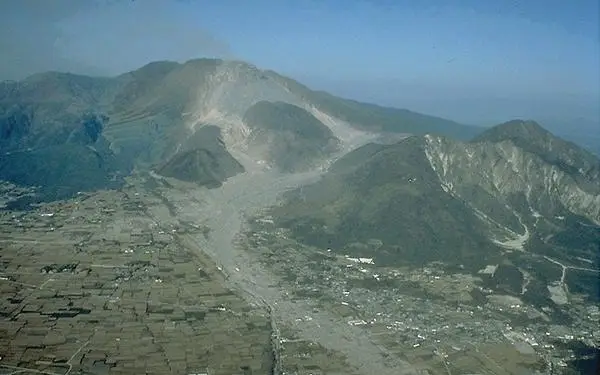
In 1792, an earthquake of magnitude 6.4 was triggered by the eruption of Mount Unzen in Nagasaki. The southern side of the mountain collapsed into the sea and generated a massive tsunami that caused the deaths of 13,486 people. The path of the disaster is still visible today.
The Yaeyama Earthquake
1771 ~13,486 deaths / magnitude 7.4
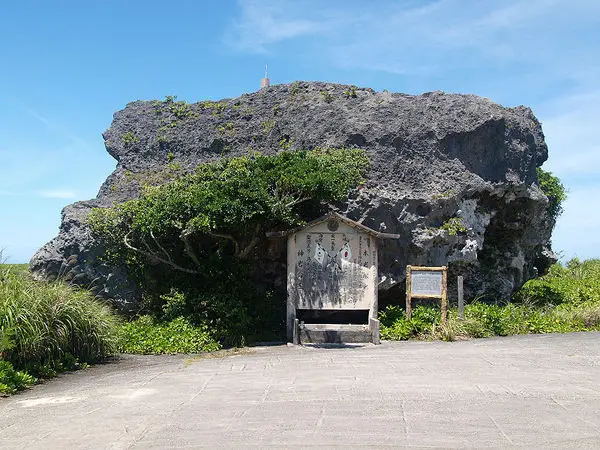
At around 8:00 AM on April 24, 1771, an earthquake of magnitude 7.4 triggered a tsunami that devastated the islands of Ishigaki and Miyakojima. The tsunami reached 80 meters high. Even rocks were pulled out of the sea.
The Mino-Owari Earthquake
1891 ~7,273 deaths / magnitude 8.0
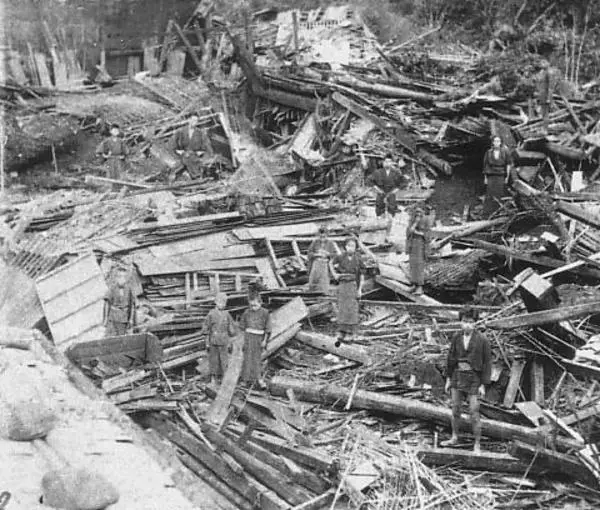
A major earthquake of magnitude 8.0 that destroyed more than 140,000 houses.
The Ansei Edo Earthquake
1855 ~6,641 deaths / magnitude 7.0
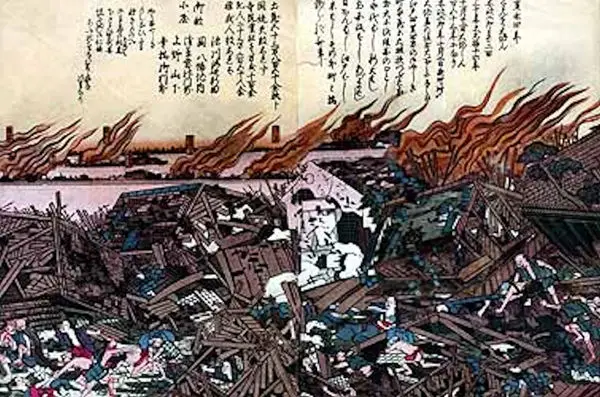
At around 10:00 PM on November 11, 1855, an earthquake of magnitude 7.0 struck Edo, now Tokyo. The resulting fires burned 2.3 km2 of urban area, destroyed about 50,000 houses, and killed more than 6,641 people.
The Great Hanshin Earthquake
1995 ~6,434 deaths / magnitude 7.2
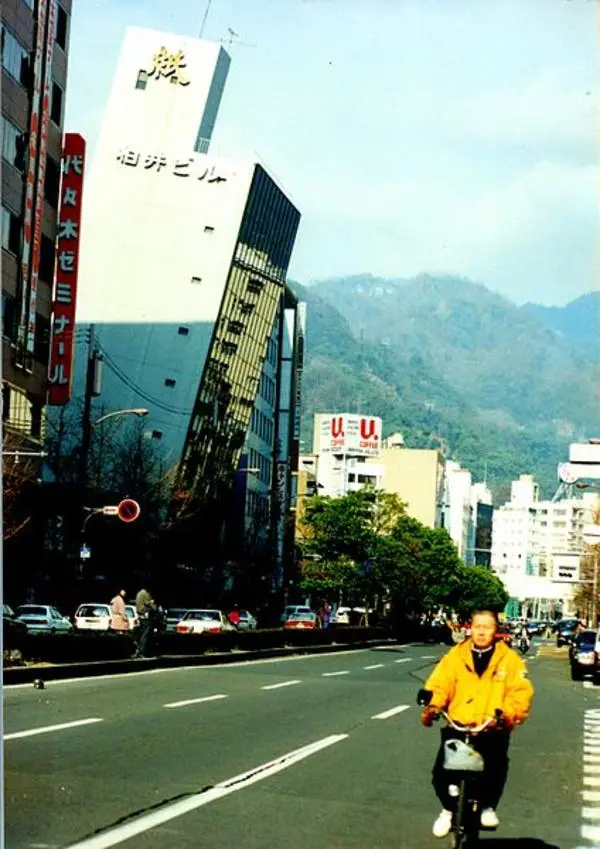
At 5:46 AM on January 17, 1995, an earthquake of magnitude 7.2 struck Kobe and Awaji Island. The quake lasted only 20 seconds. Around 200,000 buildings and a 1 km stretch of the Hanshin Expressway collapsed. Fires tore through the city. The disaster led to stricter Japanese building standards, making structures far more resistant to earthquakes.
This photo was taken seconds before the building completely collapsed.
These ten earthquakes show how seriously Japan treats disaster preparedness and building codes. In such a seismically active country, preparation often makes the difference between chaos and survival.


Community
Comments
0 comments
There are no published comments in this language yet.
Send comment