
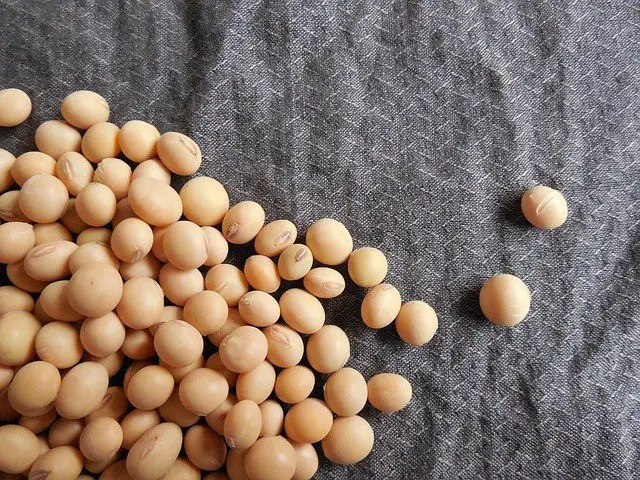
If you only think about soy sauce when someone mentions soy in Japan, you are seeing just a small part of the story. Soybeans, called daizu [大豆], sit at the heart of everyday Japanese cooking and appear in seasonings, soups, snacks, sweets, and breakfast staples.
That is why soy is often described as one of the quiet foundations of the Japanese table. It can show up as a deep fermented paste, a light broth, a silky block of tofu, or a simple bar snack eaten with cold beer. Below are eight Japanese soy foods worth knowing, plus what each one tastes like and how it is usually enjoyed.
Many of these ingredients also connect with other classics covered here on the site, such as the core ingredients of Japanese cooking and the dishes that appear in a traditional Japanese breakfast.
Contents 9
1. Shoyu, the seasoning that ties everything together
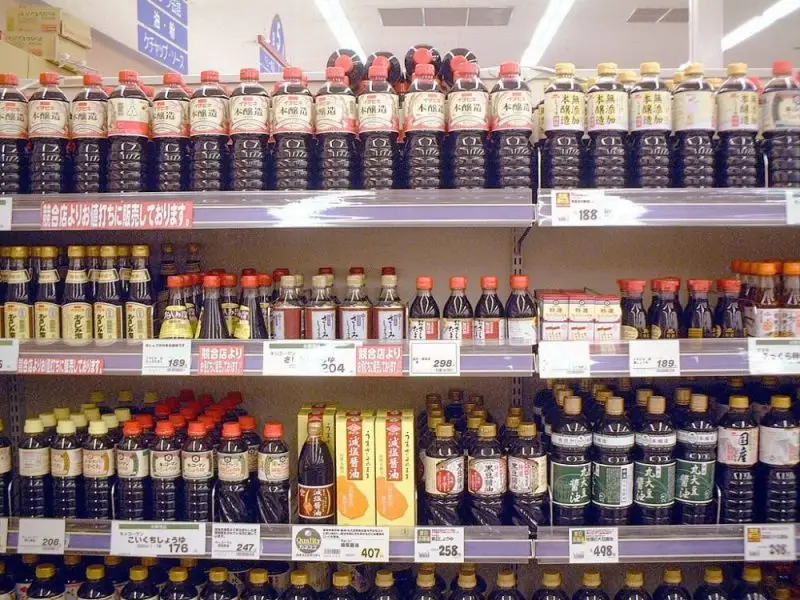
Shoyu [醤油], or Japanese soy sauce, is more than a salty condiment for sushi. It is one of the main seasonings in home cooking and helps shape broths, glazes, marinades, stir-fries, and simmered dishes. Its balance of saltiness, aroma, and umami is one reason it fits so easily into both simple and elaborate meals.
You will notice shoyu in noodle soups, teriyaki-style glazes, grilled fish, rice bowls, and chilled tofu. Even when it is not the star of the plate, it often gives the final push of flavor that makes the dish taste complete.
2. Miso, the fermented paste with regional personality
Miso [味噌] is made by fermenting soybeans with salt and koji, and the result can range from mild and slightly sweet to dark, rich, and intense. That is why two bowls of miso soup in different parts of Japan can taste surprisingly different even when both are clearly miso.
White miso tends to be softer and sweeter, while red miso usually brings more depth and salinity. Beyond soup, miso also appears in marinades, dressings, glazes, and hotpot broths, which makes it one of the most versatile soybean products in Japanese cuisine.
3. Miso soup, the everyday soy recipe
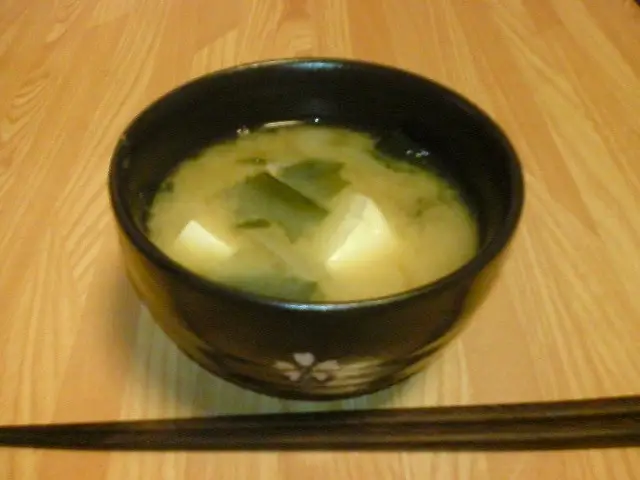
If one soy-based dish feels truly everyday in Japan, it is miso soup. A simple bowl can include tofu, wakame, green onion, mushrooms, clams, root vegetables, or pork depending on the region and the meal. That flexibility is exactly why it stays on the table so often.
If you want to go deeper into this staple, it is worth reading more about miso soup and its common variations. It is one of the easiest examples of how soy moves from pantry ingredient to something warm, practical, and deeply familiar.
4. Tofu, from chilled summer dishes to hot winter pots
Tofu [豆腐] is made by curdling soy milk and pressing it into shape, but that plain description does not capture how flexible it is in the kitchen. Fresh tofu can be served cold as hiyayakko, gently warmed as yudofu, fried into atsuage, or tucked into soups and nabemono.
Its flavor is delicate, which is exactly why it works so well with strong partners such as shoyu, grated ginger, scallions, ponzu, or dashi. Good tofu does not need much decoration. A few thoughtful toppings are usually enough.
5. Natto, the breakfast classic people either love or resist
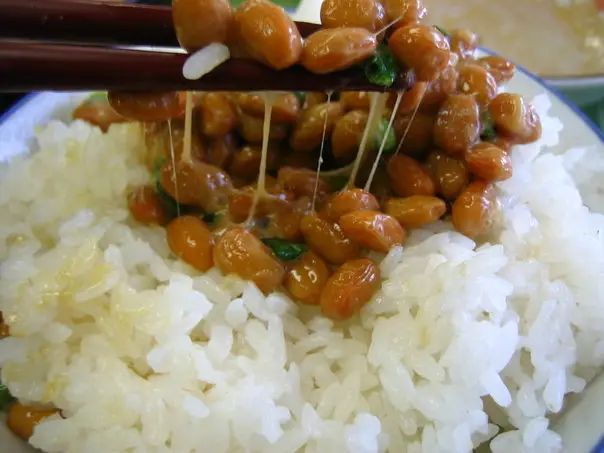
Natto [納豆] is fermented soybeans with a sticky texture, a strong aroma, and a flavor that tends to divide opinion. In Japan, though, it is not a novelty food. It is a familiar breakfast item, usually stirred with sauce and eaten over warm rice.
The appeal of natto is not elegance. It is the mix of whole soybeans, punchy flavor, and the ritual of stirring it until it becomes glossy and stringy. For many people, that bowl alongside rice and soup feels like a standard morning meal rather than an adventure.
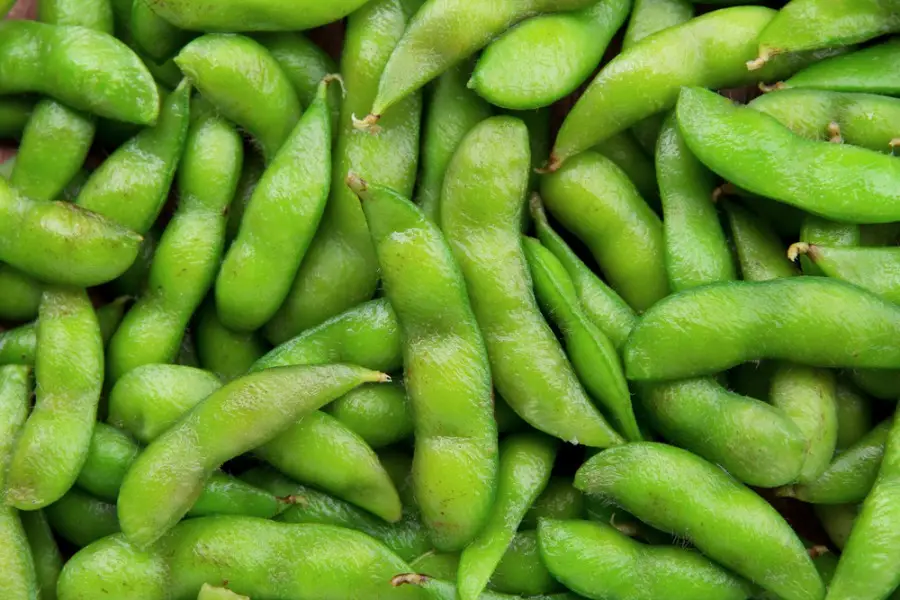
6. Edamame, the easiest soy snack to love
Edamame are immature soybeans served in the pod, usually boiled or steamed and finished with salt. They are simple, but that simplicity is part of the appeal. You see them in izakaya, at summer gatherings, in lunch sets, and as an easy snack that does not feel heavy.
They also show how broad soy culture is in Japan. Not every soybean food is fermented or strongly seasoned. Some are just fresh, green, and straightforward, which is why edamame remains one of the most approachable Japanese soy foods for beginners.
7. Yuba, the delicate skin of soy milk
Yuba [湯葉], often called tofu skin, is the thin layer that forms on the surface of heated soy milk. It has a soft, silky feel when fresh and a more concentrated texture when dried. In Kyoto especially, yuba is treated less like a side ingredient and more like a specialty worth seeking out on its own.
It is often served with a little soy sauce or wasabi, but it can also appear in soups, hot dishes, or refined multi-course meals. Compared with tofu, yuba feels lighter and more delicate, which is exactly what many people enjoy about it.
8. Kinako, the sweet side of soybeans
Not every soybean food in Japan is savory. Kinako [きな粉] is roasted soybean flour with a warm, nutty taste that shows up in sweets such as mochi, warabimochi, and ohagi. A dusting of kinako can turn a very simple dessert into something fragrant and memorable.
This is one of the easiest ways to notice how soy crosses categories in Japanese cuisine. The same ingredient family that gives you miso, natto, and tofu also leads to soft, sweet snacks that pair perfectly with tea.
Why soy stays so important in Japanese food
Soybeans work in Japan because they are adaptable. They can become a seasoning, a broth base, a protein-rich block, a fermented breakfast food, a green snack, or a dessert topping without feeling out of place. Few ingredients move so naturally between home cooking, temple cuisine, pub snacks, and confectionery.
If you want one simple answer, this is it: soy matters in Japan because it is not limited to one dish. It supports the flavor of the cuisine from several angles at once. Once you start noticing shoyu, miso, tofu, natto, edamame, yuba, and kinako, it becomes much easier to understand how deeply soy is woven into Japanese daily life.





Community
Comments
0 comments
There are no published comments in this language yet.
Send comment