
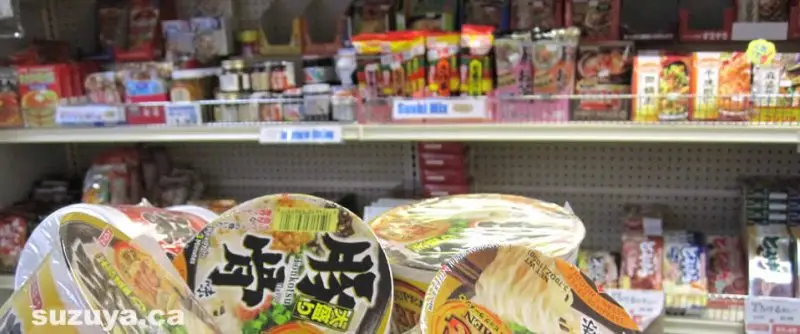
Stepping into a Japanese supermarket is more interesting than it looks. The aisles are tightly organized, the discount stickers follow a clear system, and seasonal specialties sit right next to everyday staples. For first-time visitors, that mix can be both exciting and slightly overwhelming. Knowing a few basics in advance makes a real difference.
This guide is for travelers, new expats, and anyone who wants to shop in Japan beyond the convenience-store routine. You will find the most useful vocabulary, practical ways to save, what to expect at the register, and which products are actually worth trying.
Contents 12
Essential vocabulary for Japanese supermarkets
Before your first visit, it helps to know a few words you will see on signs, packaging and price tags. The list below covers the basics that come up in every aisle.
Common terms
- 野菜 (Yasai) – Vegetables
- 果物 (Kudamono) – Fruits
- 肉 (Niku) – Meat
- 魚 (Sakana) – Fish
- 米 (Kome) – Rice
- パン (Pan) – Bread
- 卵 (Tamago) – Eggs
- 牛乳 (Gyuunyuu) – Milk
- お菓子 (Okashi) – Sweets and snacks
- 弁当 (Bento) – Lunch box (single-portion meal)
Useful phrases
- これはいくらですか? (Kore wa ikura desu ka?) – How much is this?
- 安いです (Yasui desu) – It is cheap.
- 高いです (Takai desu) – It is expensive.
- お会計お願いします (Okaikei onegaishimasu) – I would like to pay, please.
- 袋いりません (Fukuro irimasen) – I do not need a bag.
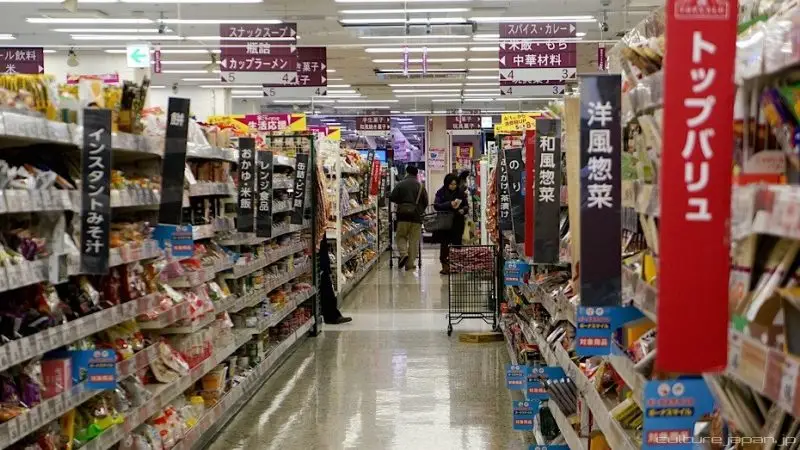
How to pick the right supermarket chain
Japan has a huge variety of markets, from tiny neighborhood shops to nationwide chains. For most visitors, three chains cover the essentials because they combine fair prices, consistent quality and locations in every major city.
Popular chains
- AEON – One of the largest supermarket chains in Japan. AEON covers fresh food, household items and private-label products, and is well known for frequent in-store promotions.
- Seiyu – Part of the Walmart group. Stands out for affordable prices and a more Western-friendly selection. Many Seiyu locations are open 24 hours, which is helpful for unusual travel schedules.
- Life Supermarket – A smaller chain with a strong focus on fresh produce, including organic options. Most stores sit inside residential neighborhoods, so they are convenient for stays of a few days or longer.
How to save at the supermarket
- Use evening discounts – Many markets reduce fresh items like fish, sushi and prepared meat in the last hours of the day. Look for the orange or red stickers marked 割引 (waribiki).
- Try payment apps – Services such as LINE Pay and PayPay regularly offer cashback or point rewards. Even small percentages add up over a week of grocery runs.
- Buy in bulk – Rice, snacks and drinks are noticeably cheaper in larger packages. It is also the most common way Japanese households stock up.
- Check local markets – Small neighborhood markets, weekend farmers' markets and old shopping streets often sell fresher and cheaper produce than the big chains.
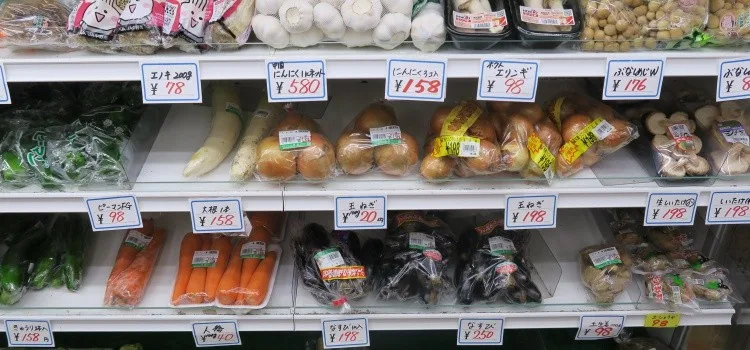
The shopping flow and basic etiquette
Shopping in Japan feels structured the first time, but the structure is simple. Once you know the steps, the routine becomes intuitive.
Step-by-step purchase flow
- Carts and baskets – You will find shopping baskets and carts near the entrance. In most stores, the smaller baskets fit into the larger carts, so you can choose what works best for your run.
- Fresh sections – In the fish and meat areas, avoid touching unpackaged items with bare hands. Use the tongs and plastic gloves that stores provide. Fruit is often sold individually or pre-wrapped, and prices vary by season and origin.
- Payment – Most supermarkets accept credit cards and contactless payment, but smaller stores still prefer cash. Self-checkout machines are common and usually faster than the regular lanes.
Etiquette and small habits
- Bags cost extra – Plastic bags are charged almost everywhere, usually a few yen each. A foldable tote in your bag saves money and avoids plastic.
- Sort your packaging – Many stores have separate bins near the exit for paper, plastic and bottle caps. Taking a moment to sort is appreciated.
- Keep it quiet – Unlike in many Western countries, Japanese supermarkets are calm spaces. Phone calls happen outside, and conversations stay low.
Konbini: the convenience-store option
The famous konbini are open 24 hours, sit on almost every corner and cover everything from breakfast to a late-night snack. For travelers, they are often the easiest place to buy what you need, because the layout, payment and product placement stay the same from Hokkaido to Okinawa.
The three big chains – 7-Eleven, FamilyMart and Lawson – each have their own private labels and hot-food sections. They are not a substitute for a real supermarket when it comes to fresh produce or full meals, but they shine for snacks, drinks and quick bites.
Products worth trying
- Melon pan – A soft bread roll with a thin, slightly sweet crust. Great on its own or with butter.
- Onigiri – Rice balls with fillings like salmon, ume (Japanese plum) or tuna mayo. Cheap, filling and quick.
- Karaage – Japanese fried chicken from the hot-food counter. Tastes best fresh from the store.
- Regional sweets – Many snacks are sold only in one region. Traveling through Japan becomes a quiet candy tasting.
Specialty stores worth a stop
- Kaldi Coffee Farm – A chain focused on imported groceries, wines, coffee and snacks that are hard to find elsewhere.
- Don Quijote – A hybrid of supermarket and department store, famous for long opening hours, souvenirs, cosmetics and a chaotic mix of products at low prices.
With the vocabulary above, a quick eye for discount stickers and a small foldable bag in your pocket, you are ready for your first supermarket run in Japan. And if you ever feel lost, just ask the cashier for おすすめ (osusume) – the staff will usually point you to whatever is good in the store that day.







Community
Comments
0 comments
There are no published comments in this language yet.
Send comment