
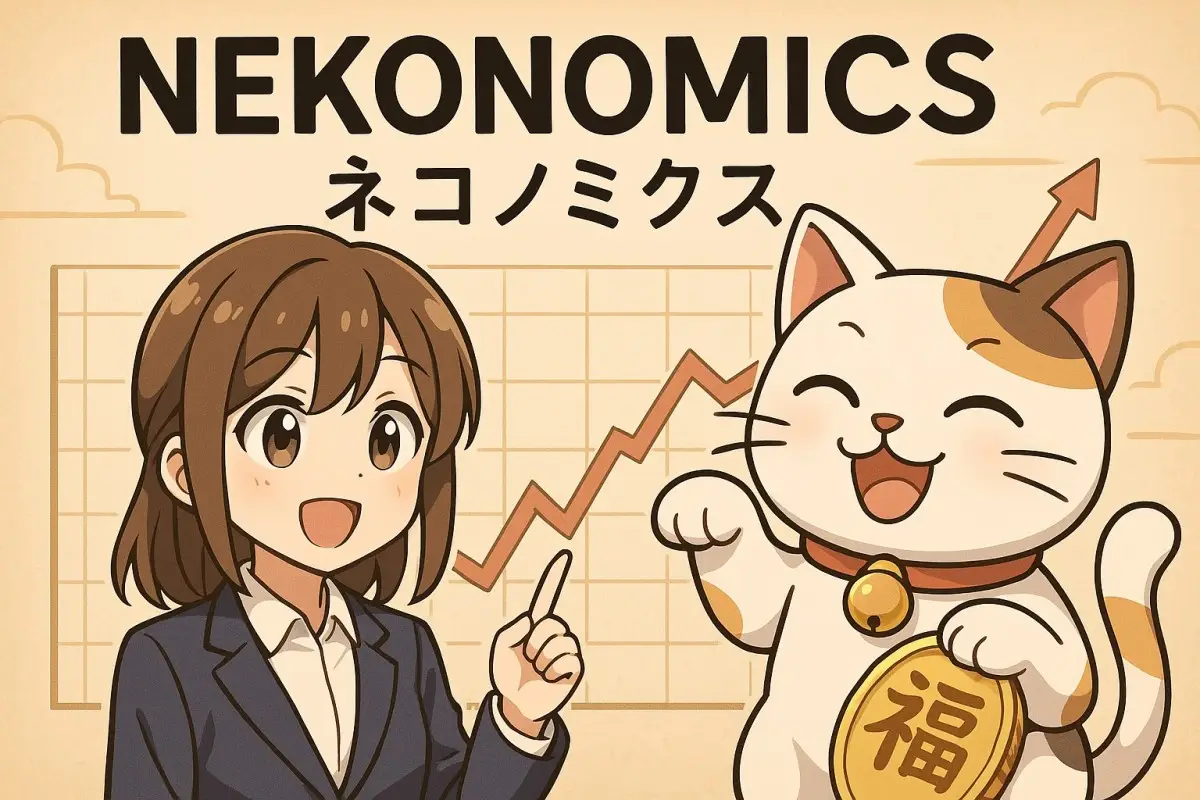
Cats are not just beloved in Japan – they are celebrated, idolized, and, in recent years, monetized. This intense relationship between felines and Japanese society has generated a curious but real economic concept: Nekonomics. This expression mixes “neko” (cat, in Japanese) and “economics” (economy, in English), and emerged to describe how the national fascination with cats is generating billions of yen each year.
The term started as an academic joke but was quickly adopted by analysts and the media after studies pointed out the extent of the impact that cats were having on sectors such as tourism, commerce, technology, and even urban planning. Today, Nekonomics is a consolidated and expanding economic force, driven by demographic, digital, and emotional factors.
And it all started with an irony: a playful response to the seriousness of "Abenomics".
Contents 15
From Politics to Meow: How the Term Nekonomics Emerged
The term Nekonomics (ネコノミクス) was coined in 2015 by Katsuhiro Miyamoto, a professor at Kansai University, after the explosion of popularity of Tama, a cat that became a train station master in Wakayama Prefecture. In analogy to the economic policy of then-Prime Minister Shinzo Abe, called Abenomics, the professor used the pun to highlight how cats were generating real income.
While Abenomics involved fiscal reforms and monetary stimuli, Nekonomics moved the economy through affection and popular culture.
Recent studies have shown that the economic impact was not small. According to a survey by Yano Research, the sector of cat-related products and services generated over ¥2 trillion in 2022. In 2025, the projection is ¥2.9 trillion (about US$19 billion). And growth continues steadily, driven by various pillars.
Feline Tourism: Destinations That Breathe Cat Vibes
The relationship between tourism and cats in Japan is stronger than it seems at first glance. Various regions are reaping the benefits of cat appeal to attract visitors, especially urban Japanese seeking emotional refuge.
Cat Islands
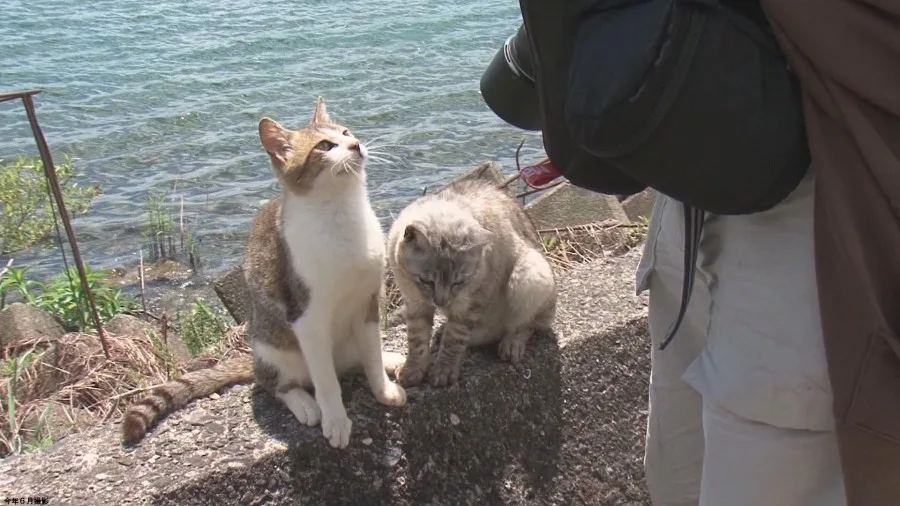
The famous “Cat Islands”, such as Tashirojima and Aoshima, are emblematic examples. With feline populations larger than human ones, these islands receive state subsidies to maintain their identity. Between 2021 and 2023, around ¥500 million was invested in tourist infrastructure aimed at protecting and promoting these destinations.
Despite being isolated, the islands received tens of thousands of tourists per year, generating income for small communities and revitalizing areas that were in population decline.
Thematic and Immersive Experiences
In addition to the islands, companies like Felissimo have emerged, organizing paid tours to feed street cats in Tokyo. Tickets, sold for around ¥8,000 (US$55), were sold out until 2024. For many, it is more than a stroll – it is a therapeutic emotional experience.
Cat Cafés: An Expanding Industry
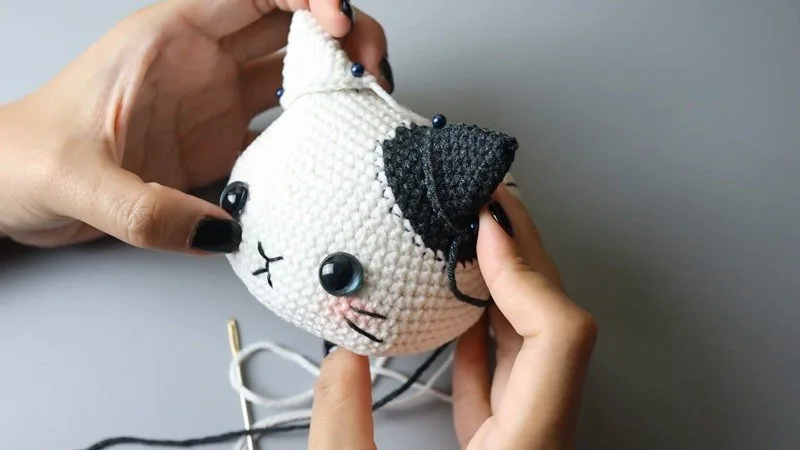
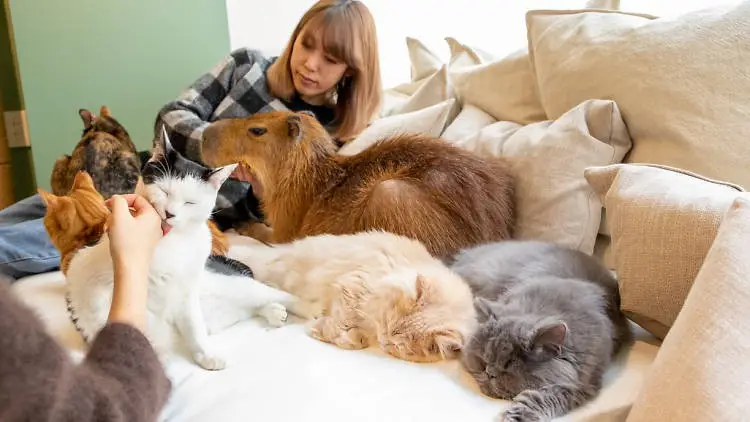
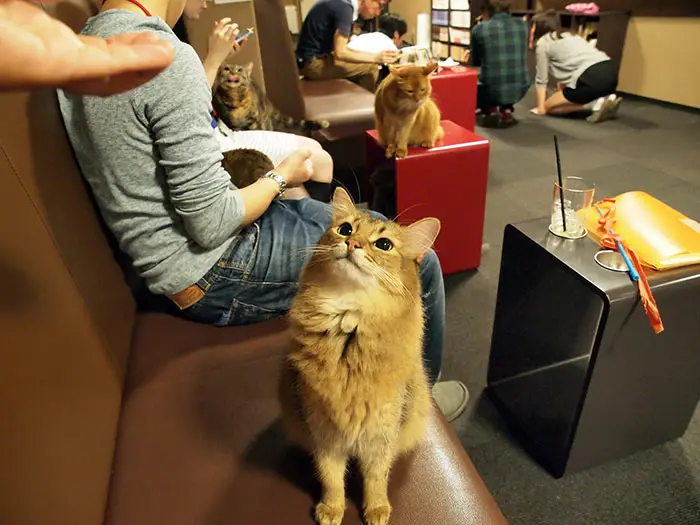
The first cat cafés emerged in Osaka in 2004, offering relief from urban stress. In 2023, Japan hosts over 150 establishments, generating annual revenues of approximately ¥10 billion (about US$68 million). Companies like Neko no Jikan and Cat Cafe Mocha have expanded into franchises, attracting tourists and residents. During the pandemic, some adopted hybrid models, such as virtual sessions, maintaining relevance.
Digital Economy: Cats Dominate the Internet and Startups
It is not enough to be cute in person. Cats are also dominating the digital world, generating income for creators, platforms, and brands.
Feline Influencers and Niche Culture
You have probably heard of Maru, the YouTube cat who loves boxes. In 2022, he generated about US$1.2 million in revenue through partnerships, merchandising, and advertising. He is not alone: Japan has a legion of “nyanfluencers” moving significant figures on Instagram, TikTok, and YouTube.
These cats have become brands, and more and more companies are betting on them for advertising unrelated products – from insurance to automobiles.
Technological Innovation and Virtual Reality
The relationship of the Japanese with their cats is also becoming digital. During the pandemic, the project NekoVR offered experiences of interaction with virtual cats through the Meta Quest 2. There were over 200,000 users in less than 6 months.
Startups like Tailly created collars with AI capable of translating meows, and the interest was so great that stocks ran out even before the official launch.
Cats and Blockchain
Japan also rode the wave of NFTs. Rare examples from the CryptoKitties platform, although not Japanese, gained fans there. In 2021, one of them was sold for ¥18 million (US$123,000).
Luxury Products, Fashion, and Pop Consumption
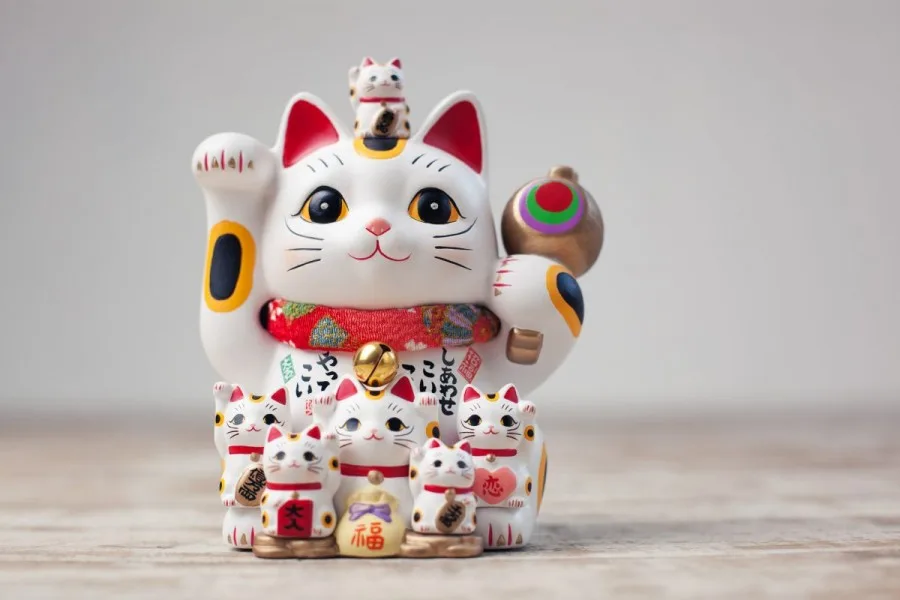
Physical commerce has also been impacted by feline culture. Cats are in the aisles of the largest department stores, in luxury product designs, and even on beverage labels.
- Takashimaya launched a line of cat kimonos with Swarovski crystals, with prices up to ¥300,000 (US$2,050).
- The brewery Sapporo created the limited edition “Nyan Lager” with cat labels. In 3 days, over 1 million units were sold.
- In stores like Don Quijote, items with cat prints represent up to 20% of regional souvenir sales.
Controversies and Tensions: The Other Side of Nekonomics
Not everything is purring. The growth of this sector has brought to light important ethical and social issues.
Animal Super-exploitation
Reports from 2022 by the NGO Animal Rights Center Japan revealed that about 20% of the cat cafés investigated showed signs of mistreatment. Exhausted cats, lack of rest periods, and absence of veterinary care are among the most cited problems.
Feline Gentrification
The promotion of places like Enoshima as cat paradises has caused real estate appreciation, raising rents by up to 40% and forcing long-time residents, especially the elderly, to leave the area.
These distortions highlight the need for regulation and balance between tourism and animal welfare.
The Future of Nekonomics: Where is the Catocracy Headed?
Experts point to three main trends on the horizon of Nekonomics:
- Cats in the Metaverse: Bandai Namco has already announced the game NekoVerse, where players will be able to “adopt” digital cats with blockchain authentication.
- Therapeutic Robots: After the success of PARO (the baby seal robot), Japan is preparing a feline version for 2024, focused on the mental health of the elderly.
- Charitable Licensing: There are ongoing debates about royalties for shelters when rescued cats become digital celebrities or viral memes.
Conclusion: A Country That Loves, Monetizes, and Reflects on Its Cats
Nekonomics is more than a sociocultural curiosity. It reflects demographic, emotional, and technological trends that shape the new Japan: an urban, aging, and increasingly connected society. Cats, with their independence and charisma, represent much of what the Japanese seek in their relationships – and this translates into consumer behavior.
More than a trend, Nekonomics is an economic mirror of a transforming country, and a reminder that even a meow can move markets.





Community
Comments
0 comments
There are no published comments in this language yet.
Send comment