
Living in Japan is undoubtedly a transformative experience. Daily interaction with a culture so rich in details teaches valuable lessons, but also requires attention to certain rules that may seem simple at first glance (see what not to do in Japan), but carry enormous weight. One of them is the disposal of waste. Anyone who has had to deal with the meticulous separation of waste or scheduling to throw away an old piece of furniture knows what I'm talking about. Among these rules, there is a term that every resident, especially foreigners, needs to know to avoid major headaches: Fuho Toki i (不法投棄).
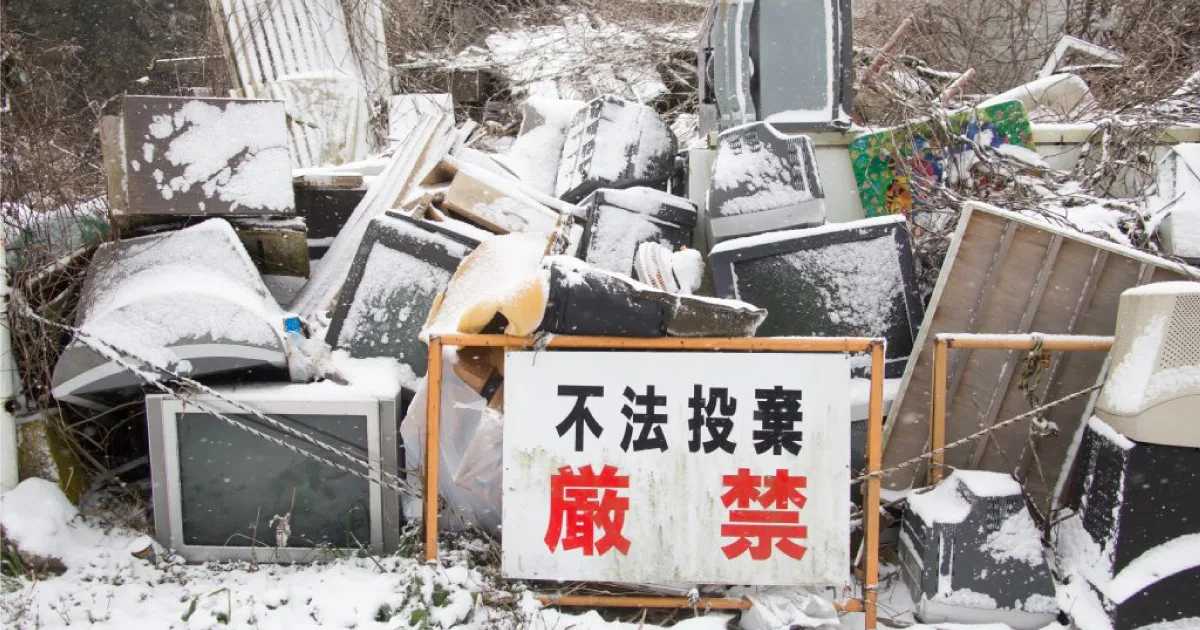
Fuho Toki is nothing more than the illegal disposal of waste. Throwing a bag of trash in the wrong place, at the wrong time, or abandoning an appliance in an empty lot can be considered a crime. And the consequences go far beyond a simple warning.
Contents 6
Why is Fuho Toki taken so seriously?
Imagine the scene: you move to a new neighborhood, everything clean and organized. Suddenly, an old sofa appears on the sidewalk, or bags of regular trash on the day of plastic collection. The discomfort is immediate. In Japan, community harmony and public cleanliness are pillars of coexistence. Fuho Toki is seen as a serious breach of this social pact. It harms the aesthetics of the city, attracts animals and insects, and overloads the public system.
More than a lack of manners, it is a violation of the Waste Management and Public Cleaning Law. The authorities, and the neighbors themselves, do not look kindly upon it. For those coming from abroad, understanding this logic is the first step towards a smooth adaptation. It's not just about following a cold law; it's about showing respect for the place that now welcomes you.
To better understand the expected behavior in public spaces in Japan, check out our article on Exclusive rules for Japanese public spaces.
The consequences can be harsh – and costly
Here, the famous "I didn't know" doesn't work. The penalties for illegal disposal are strict and serve to deter any slip-ups. If you are an individual, the fine can reach ten million yen. In more serious cases, there is even the possibility of imprisonment, which can last up to five years.
For companies, the amounts are even more astronomical, reaching three hundred million yen. In addition to the immediate financial impact, a record for environmental violations can complicate – significantly – the renewal of work or residence visas. It's not worth the risk.
In practice: how to get the disposal right?
The golden rule is: each municipality has its manual. There is no single standard for all of Japan. What applies in Tokyo may not apply in Osaka. Therefore, your first investment should be time to learn the local rules.
- The Collection Guide: When you move in, you will receive a detailed pamphlet (usually with versions in several languages) with the collection calendar. In it, the days of the week are divided by type of material: burnable (生ごみ), non-burnable (不燃ごみ), plastics (プラスチック), PET bottles (ペットボトル), cans (カン), glass (ビン), etc. Keep this guide in a visible place in the kitchen.
- The Right Bags: Many cities require the use of official trash bags, sold in supermarkets and konbini. Using a regular supermarket bag may result in the trash being left behind by collectors. Pay attention to the color and size required for each category.
- The Time and Place: Trash must be placed at the designated collection point on the morning of the collection day, or at most the night before. Putting it out too early is a serious offense and can be considered Fuho Toki. After collection, the area must be spotless.
And how to get rid of that old sofa or refrigerator?
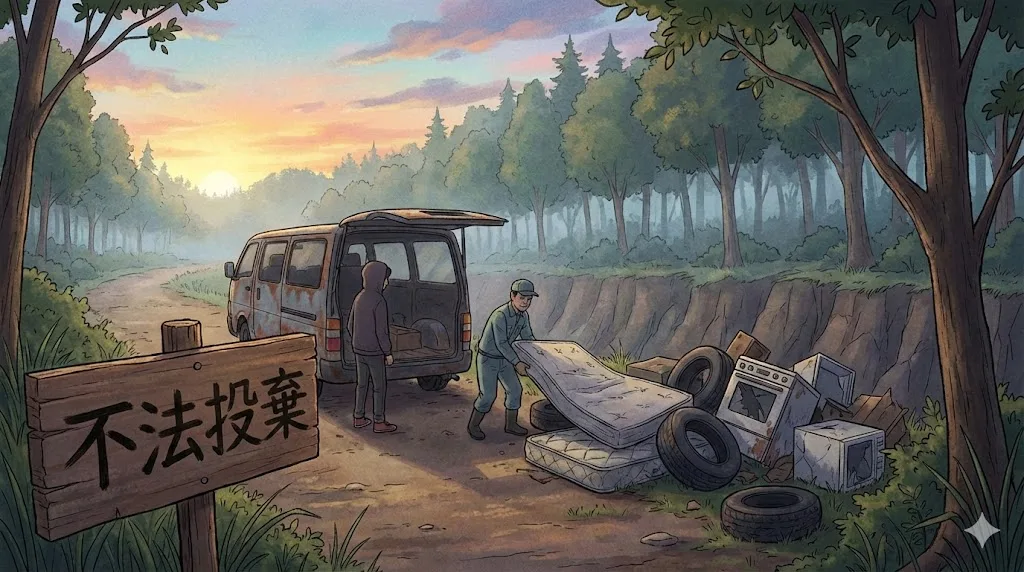
Large items, known as Sodai Gomi, have their own process. It is prohibited to simply leave them on the street. The standard procedure is:
- Contact the Municipality: Call the large item collection service or visit your city's website. They will inform you of the cost to dispose of each item.
- Buy the Seal (Shiken): With the amount in hand, you buy a specific seal for that item at a konbini (7-Eleven, Lawson, FamilyMart).
- Attach the Seal and Schedule: Affix the seal to the item in a visible manner and schedule the collection day. On the scheduled day, take the item to the designated location.
It may seem bureaucratic, but it is an efficient system that prevents the accumulation of debris on the streets.
The community is watching
An important cultural aspect is the community vigilance. The Japanese are generally very protective of their neighborhood. It is not uncommon for older neighbors to politely guide new residents about trash schedules. In many places, there are security cameras aimed precisely at the collection points to deter offenders.
Being reported by a neighbor is an embarrassing situation and can lead to a visit from the police or municipal inspectors. Maintaining a good relationship with those who live around you starts with simple gestures, like taking care of trash properly.
In the end, it's about respect
Mastering the rules of Fuho Toki goes beyond avoiding fines. It is a clear sign that you care, that you are making an effort to integrate and respect the local way of life. This attitude is noticed and appreciated, opening doors for a more harmonious and peaceful coexistence.
The experience of living in Japan becomes much lighter when we understand and embrace these small daily rituals. Separating trash becomes part of the routine, and by doing it right, you contribute to the cleanliness you admire so much on Japanese streets. It's a fair exchange: you take care of the country, and it welcomes you with open arms.







Community
Comments
0 comments
There are no published comments in this language yet.
Send comment